Know the story. Hear the blues differently.
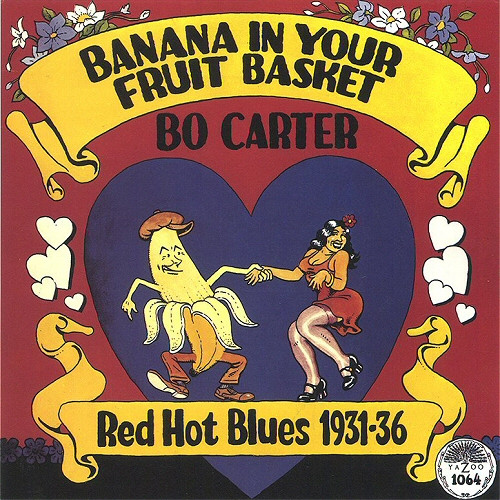
Banana In Your Fruit Basket by Bo Carter
- Details
- Written by: Simon Godfrey
- Category: Albums
Banana In Your Fruit Basket: Red Hot Blues 1931–1940 is a compilation album by Bo Carter (born Armenter Chatmon, March 21, 1893 – September 21, 1964), released on Yazoo Records (L-1064) during the 1970s as part of the label's celebrated series of pre-war blues reissues. The album gathers together a selection of Carter's most notorious and musically accomplished recordings from his prolific decade-long career as a solo artist for OKeh Records and Bluebird Records, focusing particularly on the ribald, sexually explicit "hokum" blues numbers that made him one of the most commercially successful and culturally subversive African American recording artists of the pre-war era.
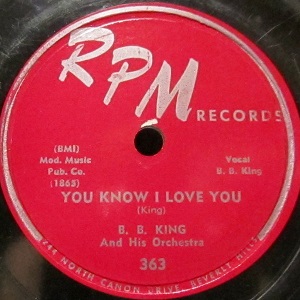
Darlin’ You Know I Love You by B.B. King
- Details
- Written by: Simon Godfrey
- Category: Songs
“Darlin’ You Know I Love You” (originally released as “You Know I Love You”) is one of B.B. King’s earliest major hits and a defining early ballad in his catalog. Recorded in 1952, it became his second No. 1 R&B single and showcased the smoother, more romantic side of his emerging style.
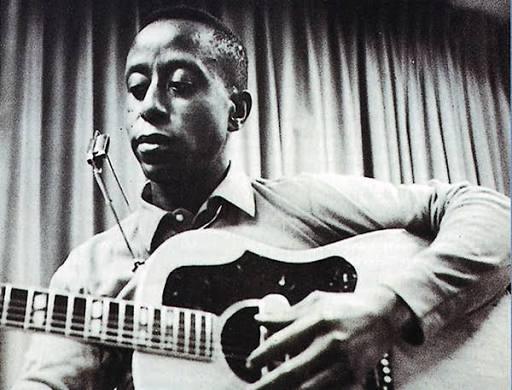
Doctor Ross: The Harmonica Boss and the Boogie Disease
- Details
- Written by: Simon Godfrey
- Category: Artists
He played guitar left-handed and upside down, blew a harmonica mounted backwards in a neck rack, and kicked a bass drum and hi-hat at the same time. He cut some of the wildest records Sam Phillips ever made, then left Memphis to mop floors at General Motors in Flint. Charles Isaiah "Doctor" Ross was one of a kind, and he knew it.
Read more: Doctor Ross: The Harmonica Boss and the Boogie Disease
Paramount Records: The Wisconsin Label That Defined Early Blues & Jazz
- Details
- Written by: Simon Godfrey
- Category: Labels
Paramount Records was one of the most important American independent labels of the 1920s and early 1930s, best remembered today for its groundbreaking blues recordings. Founded in 1917–1918 as a subsidiary of the Wisconsin Chair Company (through its United Phonograph Corporation and New York Recording Laboratories), the label operated out of Port Washington and Grafton, Wisconsin. It pressed records primarily to promote sales of phonograph cabinets but ultimately became a cornerstone of the “race records” market, documenting classic blues, jazz, gospel, and other styles before closing amid the Great Depression in 1932–1933.
Read more: Paramount Records: The Wisconsin Label That Defined Early Blues & Jazz
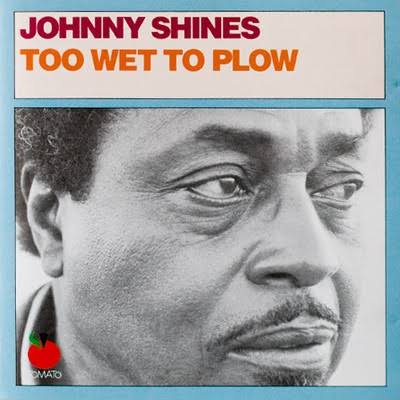
Too Wet to Plow by Johnny Shines
- Details
- Written by: Simon Godfrey
- Category: Albums
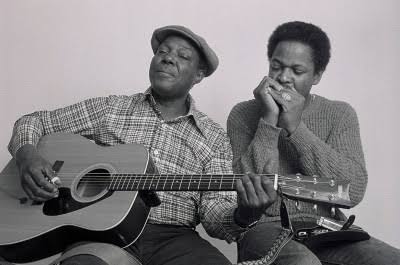
Too Wet to Plow is a deeply resonant acoustic blues album by Johnny Shines (April 26, 1915 – April 20, 1992), recorded in January 1975 at Sundown Recorders in Edmonton, Alberta, Canada, and released later that year on Blue Horizon Records (28201) in the United Kingdom. The album captures Shines at a pivotal moment of late-career resurgence, performing alongside two remarkable younger musicians—harmonica prodigy Sugar Blue (born James Whiting, 1949) and the fiery guitarist and vocalist Louisiana Red (born Iverson Minter, 1932–2012)—in a set that moves fluidly between Delta slide guitar traditions, Chicago blues intensity, and deeply personal songwriting rooted in the rural South.
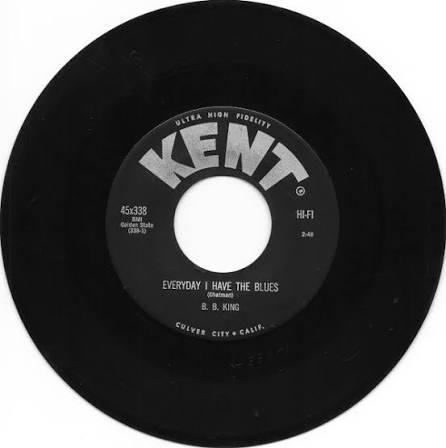
Everyday I Have the Blues by B.B. King
- Details
- Written by: Simon Godfrey
- Category: Songs
“Everyday I Have the Blues” (also styled “Every Day I Have the Blues”) is one of B.B. King’s most enduring recordings and a cornerstone of the modern blues repertoire. King’s 1954/1955 version helped establish the song as a standard and became closely associated with his sound and stage presence.
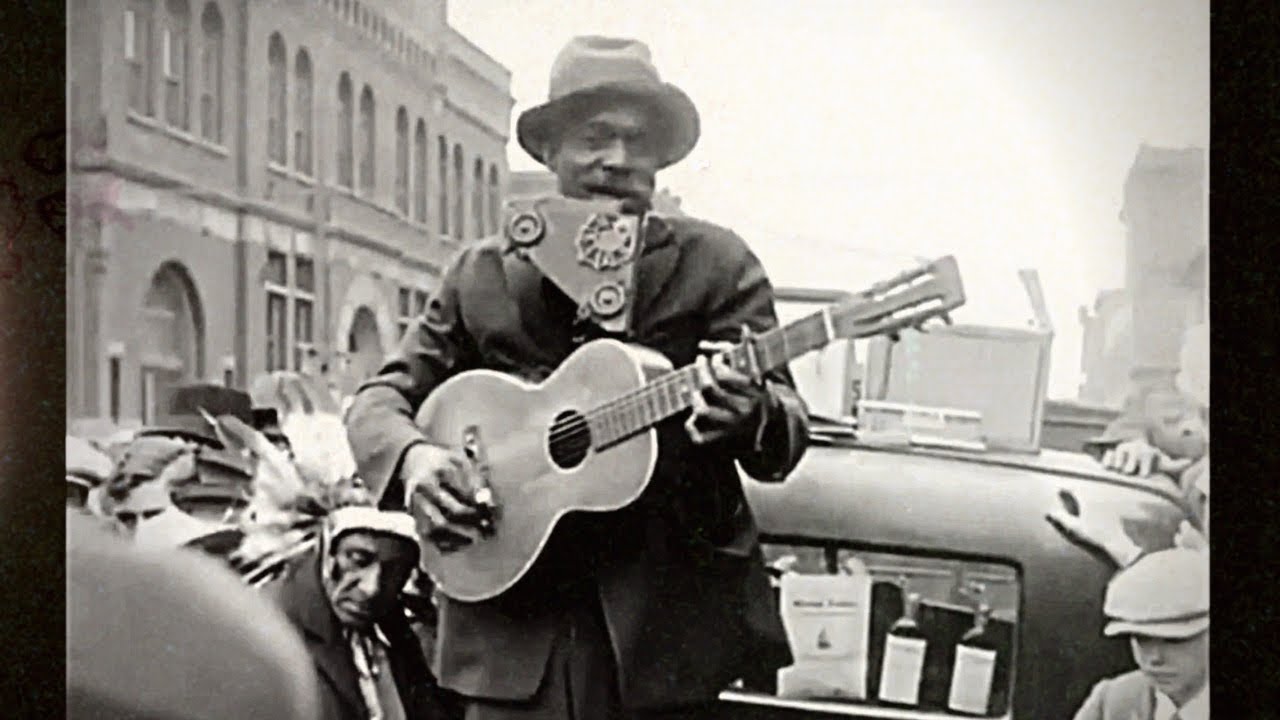
Henry Thomas: Ragtime Texas and the Sound Before the Blues
- Details
- Written by: Simon Godfrey
- Category: Artists
Born in 1874, only a few years after the end of slavery, he rode the Texas railroads for decades with a guitar and a rack of cane panpipes. His twenty-three records, made in Chicago in the late 1920s, are a window onto Black American music before the blues took over, and forty years later they helped soundtrack Woodstock.
Read more: Henry Thomas: Ragtime Texas and the Sound Before the Blues

Ornament Records: Ziggy Christmann’s German Home for Live Blues & Roots Music
- Details
- Written by: Simon Godfrey
- Category: Labels
Ornament Records is a German independent record label founded in 1972 by Siegfried A. “Ziggy” Christmann. It initially specialized in live recordings of American blues artists touring Germany and later expanded into jazz and German folk music (particularly Moselle Franconian traditions). The label also operated two short-lived blues sub-labels, Chrischaa and ESCEHA Schallplatten, both of which closed in June 1978. Many of its original blues LPs were later reissued on CD by CMA in 1991 (often with bonus tracks) and again in 2000 on the Chrisly label under the “Ornament Blues Masters” series.
Read more: Ornament Records: Ziggy Christmann’s German Home for Live Blues & Roots Music
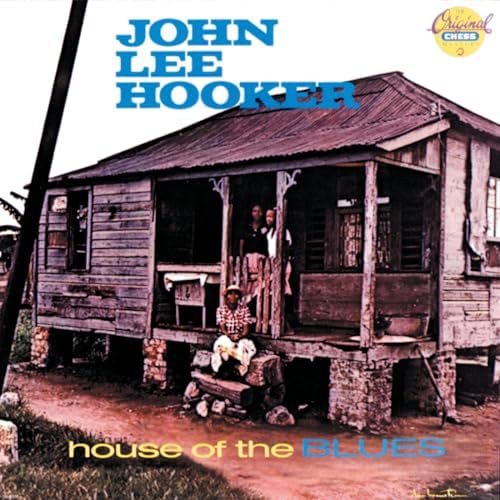
House of the Blues by John Lee Hooker
- Details
- Written by: Simon Godfrey
- Category: Albums
House of the Blues is a landmark compilation album by John Lee Hooker (August 22, 1917 – June 21, 2001), released on Chess Records (LP-1438) in 1959. The album assembles a selection of recordings made between 1951 and 1952 at the Chess studios in Chicago, during the early years of Hooker's relationship with the label that would become one of the most important homes for postwar electric blues. These sessions captured Hooker at a crucial transitional moment in his career, as he moved from the raw, solo boogie recordings that had made him a star on Modern Records in Detroit to a more fully realized Chicago blues sound featuring small ensemble accompaniment.
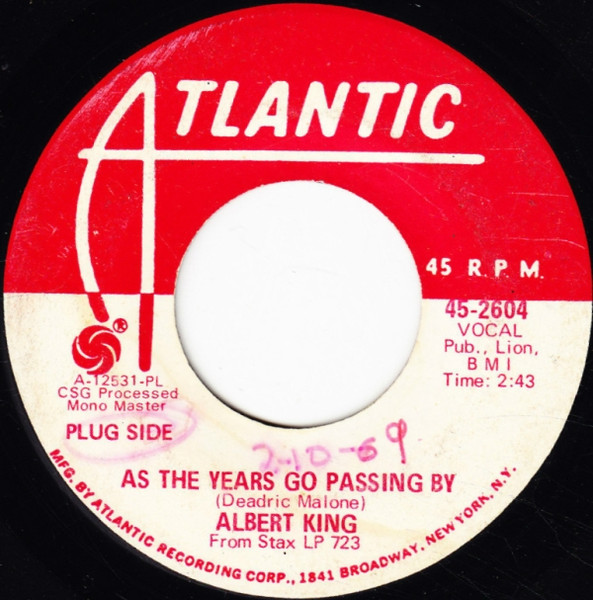
As the Years Go Passing By by Albert King
- Details
- Written by: Simon Godfrey
- Category: Songs
“As the Years Go Passing By” is one of the most emotionally resonant tracks from Albert King’s landmark Stax period. A slow, aching blues ballad, it appears on the 1967 album Born Under a Bad Sign and stands out for its lyrical depth, King’s expressive guitar work, and its unexpected influence on rock music.

Otis Taylor: The Trance Bluesman Who Refused to Look Away
- Details
- Written by: Simon Godfrey
- Category: Artists
He rode a unicycle to high school playing the banjo, walked away from music for eighteen years to sell antiques and coach bicycle racers, and came back to make some of the most uncompromising blues records of the modern era. Otis Taylor didn't revive the blues. He reminded it what it was for.
Read more: Otis Taylor: The Trance Bluesman Who Refused to Look Away
Origin Jazz Library: Pioneering Reissues of Pre-War Blues, Jazz & Western Swing
- Details
- Written by: Simon Godfrey
- Category: Labels
Origin Jazz Library (OJL) is an American independent record label founded in 1960 by Bill Givens and Pete Whelan. It began as a pioneering reissue imprint dedicated to rare pre-World War II blues recordings from the 1920s and 1930s—material that was then largely overlooked even by roots-music enthusiasts. The label later expanded into jazz, western swing, folk, and ragtime. Today it is based in Thousand Oaks, California, and continues under the direction of Cary Ginell and Michael Kieffer.
Read more: Origin Jazz Library: Pioneering Reissues of Pre-War Blues, Jazz & Western Swing
Page 1 of 33