Mainstream Records is an American independent record label founded in 1964 by veteran producer Bob Shad (born Abraham Shadrinsky). Over its original run through the late 1970s, the label issued a remarkably diverse catalog that encompassed jazz reissues and new sessions, blues, soul, psychedelic rock, and more. Best remembered for its high-quality jazz releases of the early 1970s and for launching the recording careers of artists such as Janis Joplin (with Big Brother and the Holding Company), Mainstream remains a significant chapter in independent label history.
Founding and History
Bob Shad brought decades of experience to Mainstream. Born in 1920 in New York, he had worked at National and Savoy Records in the 1940s, founded Sittin’ In With (where he recorded Lightnin’ Hopkins, Sonny Terry & Brownie McGhee, and others), and later served as A&R director at Mercury, where he helped establish the EmArcy jazz imprint. He also operated the Time and Brent labels before launching Mainstream in 1964.
Early Mainstream releases focused on reissues from Commodore Records and Shad’s earlier catalogs, alongside new jazz recordings. In the mid-1960s the label expanded into soundtracks and then psychedelic and rock music. Most famously, it released the debut album by Big Brother and the Holding Company featuring Janis Joplin, as well as early work by Ted Nugent’s Amboy Dukes.
By the early 1970s Shad refocused the label heavily on jazz, soul, and blues at a time when acoustic and progressive jazz still had a dedicated audience. The MRL-300 series (roughly 1971–1974) became especially prized among collectors for its soul-jazz, spiritual jazz, and fusion-oriented sessions. Mainstream ceased operations around 1978. Shad died in 1985.
The label was revived in 1990 by Shad’s daughter Tamara Shad and Humphrey Walwyn. It later passed through Legacy Recordings before being reacquired by the Shad family. Today it is overseen by Shad’s granddaughter Mia Apatow with involvement from her brother, filmmaker Judd Apatow.
Ownership
- Founder and primary owner (1964–1978): Bob Shad.
- 1990 revival: Tamara Shad and Humphrey Walwyn.
- Later ownership: Briefly under Legacy Recordings; returned to the Shad family. Currently managed by Mia Apatow (with Judd Apatow’s support).
Notable Artists and Recordings
Mainstream’s catalog is wide-ranging. Below are key artists and specific examples that highlight the label’s strengths.
Jazz Vocalists and Instrumentalists
- Sarah Vaughan – One of the label’s most important later associations. After a recording hiatus, Vaughan signed with Mainstream in 1971. Notable albums include:
- A Time in My Life (1971) – Arranged by Ernie Wilkins, featuring contemporary material.
- Sarah Vaughan with Michel Legrand (1972) – Lush orchestral settings of Legrand compositions.
- Live in Japan (Vols. 1 & 2, 1973) – Widely regarded as among her finest live recordings of the decade, showcasing her voice in full command.
- Send in the Clowns (1974) and Sarah Vaughan and the Jimmy Rowles Quintet.
- Carmen McRae, Helen Merrill, Morgana King, and other vocalists also recorded for the label.
- Instrumental jazz artists included Dizzy Gillespie, Clark Terry, Blue Mitchell (Graffiti Blues, Vital Blue), Harold Land (Choma (Burn)), Roy Haynes, Zoot Sims, Maynard Ferguson, Jim Hall, Jimmy Raney, Bob Brookmeyer, Shelly Manne, and many others. The 300-series albums often featured strong soul-jazz and modal flavors with excellent production.
Rock and Psychedelic
- Big Brother and the Holding Company (featuring Janis Joplin) – Their self-titled debut album (Mainstream, 1967) marked Joplin’s first major-label appearance and included early versions of songs that later became classics.
- Ted Nugent & the Amboy Dukes – Early recordings that helped launch Nugent’s career.
Blues and Soul
Mainstream issued blues and soul material alongside its jazz focus. Examples include work by Arbee Stidham (A Time for Blues) and soul-oriented vocal albums by artists such as Alice Clark, Maxine Weldon, and Ellerine Harding. These releases, particularly from the early 1970s, have developed strong cult followings among collectors.
Other Highlights
The label also released comedy records, soundtracks, and various reissue projects drawn from Shad’s earlier holdings. Compilations and later CD reissues have kept much of the catalog available.
Blues Artists on Mainstream Records
While Mainstream Records is best known for its jazz and early rock releases, Bob Shad’s long history with blues gave the label a meaningful (if secondary) blues catalog. Much of this material consisted of reissues drawn from Shad’s earlier Sittin’ In With label (late 1940s–early 1950s), supplemented by later sessions and compilations released during Mainstream’s 1960s and 1970s activity. These releases helped keep classic postwar blues in circulation at a time when interest in traditional styles was growing among folk and rock audiences.
Lightnin’ Hopkins
One of the most important blues artists associated with Shad’s catalog.
- The Blues (Mainstream MRL 311, reissue of earlier material, circa 1971) – A collection of Hopkins’s raw, distinctive Texas country blues, featuring his signature guitar work and conversational vocals. These sides originated from Shad’s earlier productions and were given new life on Mainstream. Hopkins’s music on these releases exemplifies the down-home style that Shad had championed since the late 1940s.
Sonny Terry & Brownie McGhee
The classic harmonica-and-guitar duo had a long association with Shad.
 Buy from Amazon Hometown Blues (Mainstream MRL 308) – A reissue of earlier recordings that captured the pair’s lively, rootsy interplay. Their Mainstream-era visibility helped introduce their Piedmont-style blues to newer listeners during the folk-blues revival.
Arbee Stidham
The singer and guitarist recorded both earlier material for Shad and later work that appeared on Mainstream.
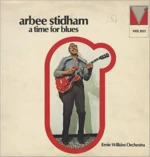 Buy from Amazon A Time for Blues (Mainstream MRL 360) – A strong later outing featuring Stidham backed by the Ernie Wilkins Orchestra. The album blends Stidham’s blues vocals with fuller, swinging arrangements and stands as one of the more notable original blues projects on the label. Stidham’s earlier Sittin’ In With sides were also recycled in Mainstream compilations and reissues.
John Lee Hooker and Compilation Appearances
Hooker’s early recordings (originally made for other labels) appeared on Mainstream compilations and reissue projects. Collections such as Bluestream: The Best of Mainstream Blues and related anthologies included Hooker tracks alongside other Shad-associated artists, helping to package classic postwar blues for the 1970s market.
Other Blues and Related Artists
Mainstream also circulated material by artists Shad had recorded or acquired earlier, including:
- Smokey Hogg
- Peppermint Harris
- Bob Gaddy
- Rosco Gordon
- Lil’ Son Jackson and others who appeared on multi-artist blues packages (e.g., the MRL 310 collection featuring Ray Charles, Arbee Stidham, Lil’ Son Jackson, and James Wayne).
These releases were often budget-friendly reissues or compilations that kept 1940s and 1950s blues available alongside Mainstream’s contemporary jazz and soul output.
Significance of the Blues Catalog
Mainstream’s blues material was never the label’s primary focus, yet it reflected Bob Shad’s deep roots in the genre. By reissuing and repackaging sides from his Sittin’ In With days and adding occasional new sessions (most notably Arbee Stidham’s A Time for Blues), the label contributed to the ongoing availability of postwar blues during the 1960s and 1970s. For collectors, these albums and compilations remain interesting documents of Shad’s long involvement with the music and provide accessible entry points to artists such as Lightnin’ Hopkins, Sonny Terry & Brownie McGhee, and Arbee Stidham.
In the broader context of Mainstream’s eclectic catalog—from Sarah Vaughan and Dizzy Gillespie to Janis Joplin—the blues releases underscore Shad’s wide-ranging tastes and his role in preserving earlier American vernacular music while pursuing new directions.
Legacy and Impact
Mainstream Records reflected Bob Shad’s broad tastes and long experience across jazz, blues, R&B, and popular music. While it never achieved the commercial dominance of larger labels, it provided a home for established jazz artists during a transitional period and captured important early rock performances. The 1970s jazz and soul-jazz sessions, in particular, have grown in critical and collector esteem.
The involvement of the Shad/Apatow family in later years has helped preserve and reintroduce the catalog to new listeners. Today Mainstream stands as a testament to one producer’s wide-ranging career and to the enduring appeal of the music he chose to record and reissue.
Suggested Listening
 Buy from Amazon Mainstream Records Sampler