Cadet Concept Records was a short-lived but distinctive American record label active from 1967 to around 1971. Created as an offshoot of Chess Records’ Cadet division, it was designed to explore psychedelic rock, experimental blues, and progressive soul at a time when the parent company sought to engage younger and more adventurous audiences. Though its catalog was relatively small, Cadet Concept produced several landmark and controversial albums that remain significant in the histories of blues, soul, and psychedelic music.
Founding and History
Cadet Concept was established in 1967 by Marshall Chess, son of Chess Records co-founder Leonard Chess. The Cadet label itself had originated as Argo Records in 1955 (a Chess jazz and R&B subsidiary) and was renamed Cadet in 1965 to avoid confusion with a British label of the same name. Cadet Concept was conceived as a further specialization—aimed at rock-oriented, psychedelic, and “concept” material that did not fit neatly into the traditional Chess or Cadet rosters.
Marshall Chess assembled the studio group Rotary Connection as the flagship act for the new imprint, working closely with arranger, producer, and multi-instrumentalist Charles Stepney. The label also became the home for experimental blues projects by established Chess artists, most notably Muddy Waters and Howlin’ Wolf. Cadet Concept released roughly 18–20 albums before being phased out. The decision to wind down the imprint coincided with the 1969 sale of Chess Records to GRT Corporation and the changing musical climate as the psychedelic era waned. The final releases appeared around 1970–1971.
Ownership
- Parent company: Chess Records / Cadet Records (Chess Producing Corp.).
- Key figure: Marshall Chess (founder and primary creative director of Cadet Concept).
- After the 1969 sale of Chess to GRT and subsequent ownership changes, the Cadet Concept catalog eventually became part of the broader Chess masters now controlled by Universal Music Group.
Notable Artists and Recordings
Cadet Concept’s output was defined by ambitious production, orchestral and electronic experimentation, and a willingness to recontextualize traditional blues and soul within late-1960s psychedelic aesthetics.
Rotary Connection
The central act of the label and essentially its reason for existence. Formed by Marshall Chess and Charles Stepney, the group blended rock, soul, classical elements (often featuring members of the Chicago Symphony), and psychedelic textures. Lead vocalist Minnie Riperton—previously a Chess receptionist and member of the girl group the Gems—brought an extraordinary multi-octave range that became a signature of the band’s sound.
Key albums include:
- Rotary Connection (Cadet Concept LPS-312, 1967/1968) – The debut, featuring inventive covers such as “Like a Rolling Stone,” “Ruby Tuesday,” and “Soul Man,” alongside original material.
- Aladdin (LPS-317, 1968)
- Peace (LPS-318, 1968)
- Songs (LPS-322, 1969) – Interpretations of contemporary rock and soul material.
- Dinner Music (LPS-328, 1970)
- Hey, Love (later related release)
These albums showcased Stepney’s sophisticated arrangements and Riperton’s soaring vocals, creating a distinctive “psychedelic soul” style that influenced later artists.
Muddy Waters
Two of the most discussed (and polarizing) albums in Waters’ catalog appeared on Cadet Concept:
 Buy from Amazon Electric Mud (LPS-314, 1968) – A radical reinterpretation of Waters’ blues with heavy psychedelic rock arrangements, fuzz guitar, and studio effects. Produced with Marshall Chess’s involvement, it aimed to appeal to the rock audience of the late 1960s. While commercially successful and influential on some rock musicians, it was criticized by traditional blues fans and by Waters himself in later years.
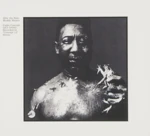 Buy from Amazon After the Rain (LPS-320, 1969) – A somewhat more restrained follow-up that still incorporated contemporary production approaches.
Howlin’ Wolf
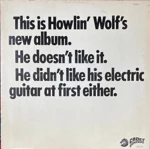 Buy from Amazon The Howlin’ Wolf Album (LPS-319, 1969) – Sometimes referred to in connection with the same experimental period. Like Electric Mud, it featured updated, rock-influenced arrangements of Wolf’s classic material and generated similar debate about modernization versus tradition.
Status Quo
The British rock band scored their only significant U.S. hit through Cadet Concept:
- “Pictures of Matchstick Men” (single) and the album Messages from the Status Quo (LPS-315, 1968). The track became a psychedelic-pop success and remains one of the label’s best-known commercial moments.
John Klemmer
The saxophonist released progressive jazz and jazz-rock albums on the label, including:
- Blowin’ Gold (LPS-321)
- All the Children Cried (LPS-326)
- Eruptions (LPS-330)
These records reflected the era’s interest in extended improvisation and fusion-oriented sounds.
Other Artists
Additional Cadet Concept releases included work by Salloom & Sinclair, Aesop’s Fables, Archie Whitewater, and Joel Vance, further illustrating the label’s experimental and rock-leaning direction.
Legacy and Impact
Cadet Concept represents Chess Records’ most direct attempt to engage with the psychedelic and progressive currents of the late 1960s. Its brief existence produced both innovative successes and contentious experiments. Rotary Connection’s albums, driven by Charles Stepney’s production and Minnie Riperton’s extraordinary voice, remain cult favorites and important precursors to later psychedelic soul and orchestral R&B.
The Muddy Waters and Howlin’ Wolf projects stand as fascinating (if divisive) documents of an established blues label grappling with changing times. While purest blues audiences often rejected the heavy studio treatments, the records found listeners among rock fans and have been reappraised in later decades as bold, if imperfect, attempts at cross-generational dialogue.
Though short-lived, Cadet Concept left a distinctive mark on the Chess family of labels and on the broader landscape of late-1960s American music. Its catalog continues to interest collectors, historians, and listeners drawn to the intersection of blues, soul, and psychedelia.