Introduction
Cadet Records was a prominent American record label, primarily known for its contributions to jazz, soul-jazz, blues, and experimental music. It originated as the jazz subsidiary of the legendary Chess Records and played a significant role in shaping Chicago's music scene during the mid-20th century. Over its nearly 20-year existence (as Argo/Cadet), it released more than 500 albums, establishing itself as a major force in soul-jazz and jazz-funk genres.
History
Cadet Records began life in 1955 as Argo Records, founded as the jazz imprint of Chess Records by brothers Leonard and Phil Chess, Polish-Jewish immigrants who had built Chess into a powerhouse of blues and R&B.
- 1955-1965 (Argo Era): Argo focused on jazz recordings, capturing the vibrant Chicago jazz scene. It released works by artists like Ahmad Jamal, Ramsey Lewis, and others.
- 1965 Name Change: Argo was renamed Cadet to avoid confusion with a UK label of the same name. A new logo featuring a chess knight was introduced.
- Peak Years (1965-1969): This period saw commercial success, driven by Ramsey Lewis's hits. Producers like Esmond Edwards, Richard Evans, and Charles Stepney defined the label's sound.
- Cadet Concept Subsidiary: Launched in 1967 by Marshall Chess (son of Leonard), it explored rock, psychedelic, and adventurous music.
- Ownership Changes: In 1969, Chess Records (and thus Cadet) was sold to GRT Corporation. Leonard Chess died in 1971. The label declined and ceased new releases around 1974, with artists moved to Chess. Masters are now owned by Universal Music.
Note: There was an unrelated Cadet Records in Los Angeles operated by the Bihari family (1963-1984), focused on bargain records, but the primary historical significance lies with the Chess-affiliated label.
Owners and Key Figures
- Leonard and Phil Chess: Founders of Chess Records and Argo/Cadet. Leonard was particularly involved in operations until his death.
- Marshall Chess: Son of Leonard. Joined the family business and ran Cadet Concept. He produced innovative projects like Rotary Connection and experimental albums for blues legends. Later involved in various music ventures.
- Key Producers/Arrangers:
- Esmond Edwards
- Richard Evans
- Charles Stepney
- Other Notable: Abner Spector worked with some acts on Cadet Concept.
Artists and Recordings
Cadet/Argo featured a mix of established jazz players, soul artists, and experimental acts. Key highlights:
Prominent Artists
Cadet Records (and its predecessor Argo) was home to a diverse roster that blended straight-ahead jazz, soul-jazz, blues, and experimental psychedelic sounds. Below is an expanded overview of key artists and their contributions:
-
Ramsey Lewis: The label's biggest commercial star and a driving force behind its success in the mid-1960s. The Ramsey Lewis Trio delivered major crossover hits with "The 'In' Crowd" (1965) and "Wade in the Water" (1966), which helped popularize soul-jazz. Notable Cadet albums include Hang On Ramsey! (1965), Mother Nature's Son (1968, a Beatles-inspired project), and Maiden Voyage. Lewis's accessible yet sophisticated style brought jazz to broader audiences and generated significant revenue for the label.
-
Ahmad Jamal: A highly influential jazz pianist known for his sparse, elegant trio work. His Argo/Cadet releases, such as But Not For Me (1958, which influenced Miles Davis) and Extensions (1969), exemplified the label's commitment to high-quality modern jazz. Jamal's recordings helped establish Argo's reputation in the jazz community during the 1950s and 1960s.
-
Etta James: A powerhouse vocalist who brought raw soul and blues energy to Cadet. Her 1967 album Tell Mama produced the hit title track and "Security," marking a commercial resurgence. Other releases like Losers Weepers showcased her versatility. James's work on Cadet highlighted the label's ability to bridge blues roots with contemporary soul.
-
Dorothy Ashby: Innovative jazz harpist whose work gained cult status for its unique sound. Standout albums include the groundbreaking Afro-Harping (1968), featuring lush arrangements and funk influences, and The Rubáiyát of Dorothy Ashby (1970), which incorporated African and Eastern elements. Her recordings are frequently sampled in hip-hop and remain influential in jazz-funk circles.
-
The Dells: Long-running Chicago soul group with smooth harmonies. Hits on Cadet included "There Is" (1968) and "Stay in My Corner." Their sophisticated vocal arrangements fit perfectly with the label's soul-jazz aesthetic.
-
Rotary Connection (primarily on Cadet Concept): A groundbreaking psychedelic soul/rock ensemble assembled by Marshall Chess. Featuring the soaring vocals of a young Minnie Riperton, their self-titled debut (1968) and follow-ups like Hey Love (1971) blended rock, soul, classical, and experimental elements. The group pushed boundaries and influenced progressive soul music.
-
Muddy Waters and Howlin' Wolf: Chess blues legends who ventured into psychedelic territory on Cadet Concept. Muddy Waters' Electric Mud (1968) and Howlin' Wolf's self-titled album (1969, often called The Howlin' Wolf Album) featured electric, rock-influenced production that was controversial at the time but has since been reevaluated as innovative. These projects exemplified Marshall Chess's experimental vision.
-
Terry Callier: Soul-folk singer-songwriter whose introspective work found a home on Cadet. Albums like Occasional Rain (1972) and What Color Is Love (1972) are now considered classics, blending jazz, folk, and spiritual elements. His music has been rediscovered and heavily sampled.
-
Marlena Shaw: Dynamic vocalist known for her powerful delivery and social commentary. Her album The Spice of Life (1969) includes the oft-sampled "California Soul" and showcases Cadet's polished production.
-
Other Notable Artists:
- Jazz instrumentalists like Lou Donaldson, Sonny Stitt, John Klemmer, Brother Jack McDuff, and Phil Upchurch.
- The Soulful Strings (orchestral soul-jazz group).
- Additional acts such as Harold Land, Eddie Harris, and various Chess blues crossovers.
These artists collectively defined Cadet's eclectic yet cohesive sound, blending commercial appeal with artistic innovation.
Notable Recordings and Styles
- Soul-Jazz and Jazz-Funk: Cadet's signature sound, blending jazz improvisation with soul grooves.
- Experimental: Cadet Concept pushed boundaries with psychedelic rock influences on blues and soul.
- Licensing: Hit with Status Quo's "Pictures of Matchstick Men."
- Over 500 albums released, spanning jazz series (600/700s) and blues (4000s).
The label captured the evolution from straight-ahead jazz to more commercial and genre-blending sounds in the 1960s-70s.
Legacy
Cadet Records helped bridge jazz, soul, and rock, influencing later genres like hip-hop (via samples) and contributing to Chicago's musical heritage. Reissues and box sets (e.g., Vinyl Me, Please anthology) keep its catalog alive. Its masters under Universal ensure continued availability.
Selected Discography
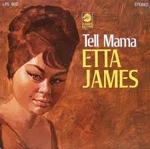 Tell Mama by Etta James Buy from Amazon
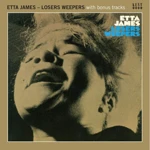 Losers Weepers by Etta James Buy from Amazon
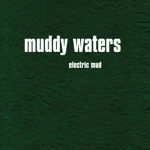 Electric Mud by Muddy Waters Buy from Amazon
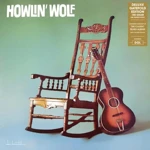 The Howlin' Wolf Album Buy from Amazon