Chess Records was one of the most influential American record labels in history, particularly in blues, rhythm and blues (R&B), early rock and roll, soul, and related genres. Founded in Chicago in 1950, it played a pivotal role in electrifying the blues, bridging Southern Delta traditions with urban sounds, and helping launch rock 'n' roll globally. Its catalogue remains a cornerstone of 20th-century popular music.
History and Origins
Early Background and Entry into Music (1920s–1940s)
Leonard Chess (born Lejzor Czyż, March 12, 1917) and Phil Chess (born Fiszel Czyż, March 27, 1921) were Jewish immigrants from the small town of Motal in what was then Poland (now Belarus). Their family emigrated to Chicago around 1928, seeking better opportunities amid economic hardship and rising antisemitism in Europe. The brothers grew up in a working-class environment on Chicago’s South Side.
Their father initially worked in the liquor and junk business. Leonard and Phil followed suit, entering the liquor trade and then nightclub management. In 1946, Leonard opened the Macomba Lounge (sometimes spelled Mocamba) at 3905 South Cottage Grove Avenue, an after-hours spot in a predominantly African American neighborhood. It became a hotspot for live jazz, bebop, and especially blues, attracting musicians, as well as a rougher crowd. The club exposed the brothers to the vibrant Black music scene of postwar Chicago, where many Southern migrants had brought Delta blues traditions.
The Chess brothers noticed that many talented performers at the Macomba were not being properly recorded or promoted. This realization, combined with the commercial potential of "race records" (music aimed at Black audiences), led them into the recording industry.
Aristocrat Records Period (1947–1950)
In 1947, Leonard Chess invested in Aristocrat Records, a small independent label founded earlier that year by Charles and Evelyn Aron, along with partners Fred and Mildred Brount and Art Spiegel. Leonard initially handled sales and distribution. He gradually bought out other partners; by 1948, he and Evelyn Aron were primarily running the operation. Phil joined full-time around 1949 after military service.
Key early recordings under Aristocrat included work with Sunnyland Slim and, crucially, Muddy Waters. In 1948, Leonard took a chance on Waters’ raw, electrified Delta blues style with “I Can’t Be Satisfied” / “I Feel Like Going Home.” It sold out quickly in Chicago’s South Side, validating the brothers’ instincts for authentic, amplified blues that appealed to urban Black audiences.
By late 1949/early 1950, Leonard and Phil acquired full ownership by buying out the Arons. They reorganized the company, and on June 3, 1950, they officially renamed it Chess Records (the name reportedly came from a suggestion by a Memphis record plant owner). The first Chess release was numbered 1425 (honoring their family’s first Chicago address on South Karlov Street) and featured Gene Ammons. Aristocrat stock continued to be distributed briefly before being phased out.
Rise and Golden Era (1950s–Mid-1960s)
The 1950s marked explosive growth. Chess specialized in electrified Chicago blues, capturing the sound of the Great Migration. They built strong relationships with Southern talent scouts and studios, notably Sam Phillips’ Memphis Recording Service. This led to the 1951 release of “Rocket 88” by Jackie Brenston and his Delta Cats (with Ike Turner’s band), widely regarded as one of the first rock ‘n’ roll records.
Subsidiaries were launched for market expansion:
- Checker Records (1952) — primarily for blues and R&B with broader radio appeal.
- Argo Records (1955/1957, later renamed Cadet in 1965) — focused on jazz, pop, soul, and instrumental music.
In May 1957, Chess moved to the iconic 2120 S. Michigan Avenue building. They installed a recording studio on the second floor (initially Sheldon Recording Studios, later renamed Ter-Mar Studios after Leonard’s sons Terry and Marshall). The studio’s acoustics, echo chamber, and raw production style became legendary. It operated there until 1967. The Rolling Stones immortalized the address with their 1964 instrumental “2120 South Michigan Avenue,” recorded during their first U.S. tour.
Willie Dixon served as a pivotal house bassist, songwriter (“Hoochie Coochie Man,” “Spoonful,” etc.), and talent scout. Other key behind-the-scenes figures included producers Ralph Bass and Billy Davis, and engineer Malcolm Chisholm. The brothers were hands-on, often traveling to promote records to DJs.
By the late 1950s and 1960s, Chess expanded into rock ‘n’ roll (Chuck Berry, Bo Diddley), soul (Etta James, Fontella Bass), and jazz (Ramsey Lewis, Ahmad Jamal). Full-length LPs began appearing around 1958. The label’s music profoundly influenced the British Invasion; artists like the Rolling Stones, Beatles, Cream, and Led Zeppelin covered Chess songs extensively.
In 1967, operations moved to a larger facility at 320 E. 21st Street (former Revere Camera Company building), the label’s final Chicago home.
Sale, Decline, and Aftermath (Late 1960s–1970s)
By the late 1960s, blues sales were declining amid the rise of rock, soul, and psychedelic music. The brothers sought to diversify (they also owned radio station WVON). In early 1969, they sold Chess Records and its publishing arm (Arc Music) to General Recorded Tape (GRT) for approximately $6.5 million. Leonard Chess died of a heart attack on October 16, 1969, at age 52, shortly after the sale. Phil stepped back to focus on broadcasting.
Under GRT, the label struggled. By 1972, only Ter-Mar Studios remained active in Chicago. The studio closed in 1979. In the 1970s, artists like Muddy Waters and Willie Dixon successfully sued Chess/GRT for unpaid royalties.
GRT wound down operations around 1975 and sold the catalogue to All Platinum Records of New Jersey. Subsequent ownership passed to MCA (mid-1980s) and eventually Universal Music Group, where it is managed today by Geffen Records and Universal Music Enterprises. Reissues and compilations continue to keep the legacy alive.
Key Artists and Their Contributions
Chess Records became synonymous with authentic, electrified Chicago blues, R&B, rock 'n' roll, and soul. The label's strength lay in its roster of extraordinary talent—many of whom migrated from the Mississippi Delta and South to Chicago—and the raw, powerful sound they captured in the studio. Here is a deeper look at the most significant artists, their backgrounds, key recordings on Chess (or its subsidiaries like Checker and Argo/Cadet), and lasting contributions.
Muddy Waters (McKinley Morganfield, 1913–1983)
Often called the "father of modern Chicago blues," Muddy Waters was Chess's flagship artist and one of its earliest successes. Discovered and first recorded by Leonard Chess on Aristocrat in 1948, his amplified Delta blues style—featuring slide guitar, powerful vocals, and a driving rhythm section—defined the urban electric blues sound.
Key Chess hits and recordings: "I Can't Be Satisfied" / "I Feel Like Going Home" (1948, Aristocrat), "Rollin' Stone" (1950), "Hoochie Coochie Man," "I Just Want to Make Love to You," "Mannish Boy," and "Got My Mojo Working." Albums include The Best of Muddy Waters (1958) and Folk Singer (1964).
Contributions: Waters bridged rural acoustic blues with urban electricity, influencing the British Invasion (The Rolling Stones took their name from his "Rollin' Stone"). He mentored younger artists and maintained a long, successful career with Chess until the late 1960s.
Howlin' Wolf (Chester Arthur Burnett, 1910–1976)
A towering figure with a ferocious voice and commanding presence, Howlin' Wolf brought intense, primal energy to Chess. Signed via Sam Phillips in Memphis, his recordings combined Delta roots with Chicago grit.
Key recordings: "Moanin' at Midnight" / "How Many More Years" (1951), "Smokestack Lightnin'" (1956), "Little Red Rooster," "Spoonful," "Back Door Man," "Killing Floor," and "The Red Rooster." Landmark albums: Moanin' in the Moonlight (1959) and the self-titled 1962 album (often called the "Rockin' Chair" album).
Contributions: Wolf's music profoundly shaped rock (covered by the Rolling Stones, Cream, Led Zeppelin, and others). His raw intensity and stage presence made him a blues archetype.
Chuck Berry (1926–2017)
The architect of rock 'n' roll guitar and storytelling, Berry fused blues, country, and R&B into a fresh, teenage-oriented sound. Muddy Waters encouraged him to approach Chess in 1955.
Key hits: "Maybellene" (1955, originally "Ida Red"—title changed on Leonard Chess's suggestion), "Roll Over Beethoven," "Johnny B. Goode," "Sweet Little Sixteen," "School Day," "Rock and Roll Music." Early albums: After School Session (1957) and Berry Is on Top (1959).
Contributions: Berry's witty lyrics, signature guitar riffs, and showmanship (duck walk) helped birth rock 'n' roll as a mainstream genre. His songs became foundational for generations of rock musicians worldwide.
Little Walter (Marion Walter Jacobs, 1930–1968)
A revolutionary harmonica virtuoso, Little Walter transformed the instrument into a lead voice with amplified, distorted tones. He started in Muddy Waters' band before going solo.
Key recordings: "Juke" (1952, instrumental hit), "My Babe" (Willie Dixon composition), "Blues with a Feeling," and the classic The Best of Little Walter (1958).
Contributions: His innovative harmonica technique influenced every subsequent blues harp player. He brought a swinging, jazz-inflected edge to Chess's blues output.
Bo Diddley (Ellas Otha Bates McDaniel, 1928–2008)
Known for his "Bo Diddley beat"—a hypnotic, African-derived rhythm—Diddley brought rhythmic innovation and charismatic showmanship (rectangular guitar). Mostly on the Checker subsidiary.
Key hits: "Bo Diddley" (1955), "I'm a Man," "Who Do You Love?," "Pretty Thing," "Road Runner," and "You Can't Judge a Book by the Cover."
Contributions: His beat became a rock staple (covered and adapted by many). He influenced the British Invasion and helped expand rock rhythms beyond 12-bar blues.
Willie Dixon (1915–1992)
More than an artist, Dixon was the architectural backbone of Chess: bassist, prolific songwriter, arranger, and producer. A former boxer, he joined in the early 1950s.
Key contributions: Wrote hundreds of songs, including "Hoochie Coochie Man," "Spoonful," "Wang Dang Doodle," "Little Red Rooster," "My Babe," and "I Just Want to Make Love to You." He played bass on countless sessions and produced for Muddy, Wolf, and others.
Impact: Dixon standardized the Chicago blues sound and ensured its songs reached global audiences through covers. He later fought for artists' royalties.
Etta James (Jamesetta Hawkins, 1938–2012)
Chess's premier female star in the soul era, signed to the Argo/Cadet subsidiary. Her powerful, emotive voice spanned blues, R&B, and soul.
Key recordings: "At Last" (1960), "All I Could Do Was Cry," "Trust in Me," "Something's Got a Hold on Me," and "Tell Mama." The album At Last! (1960) is a classic.
Contributions: James brought orchestral sophistication to Chess while retaining raw emotion. She became a crossover icon and major influence on female soul and rock singers.
Other Notable Artists
- Sonny Boy Williamson II (Rice Miller): Checker artist with harmonica-driven hits like "Don't Start Me Talkin'," "Help Me," and "Bring It On Home." His Delta authenticity added depth.
- Buddy Guy: Fiery young guitarist signed in the early 1960s ("First Time I Met the Blues"). Later influenced Hendrix and Clapton; kept Chess blues vital.
- Koko Taylor: "Queen of the Blues." Her 1966 hit "Wang Dang Doodle" (Dixon-penned) was one of the label's last major blues successes.
- Ramsey Lewis Trio and Ahmad Jamal: Jazz stars on Argo/Cadet. Lewis's "The In Crowd" and Jamal's elegant style expanded the label's commercial reach.
- Additional talents: John Lee Hooker, Memphis Slim, The Moonglows, The Dells, Fontella Bass ("Rescue Me"), Billy Stewart, and more.
These artists, supported by Chess's hands-on production, session players, and distribution, created a body of work that not only dominated R&B charts but also formed the DNA of rock 'n' roll, soul, and subsequent genres. Their music continues to be sampled, covered, and celebrated worldwide.
Many songs were covered by British bands (Beatles, Rolling Stones, Cream, Led Zeppelin), amplifying Chess's global impact.
Notable Recordings and Albums
Chess Records initially focused on 78 RPM and later 45 RPM singles, which dominated the R&B and emerging rock 'n' roll markets in the 1950s. The label emphasized raw, energetic performances captured with minimal production polish, often in one or two takes. Full-length LPs became more prominent starting in 1957–1958, frequently compiling recent singles or featuring new studio sessions. Many releases appeared on subsidiaries like Checker (blues/R&B) and Argo/Cadet (jazz, soul, pop).
The label's output profoundly shaped popular music, with numerous tracks later covered by British Invasion bands and beyond. Below is an expanded overview of standout singles and albums, organized by category and artist for clarity.
Iconic Singles
Chess singles often crossed over from R&B to pop charts and became cultural touchstones:
- "Rocket 88" by Jackie Brenston and His Delta Cats (with Ike Turner, 1951) — Widely regarded as one of the first rock 'n' roll records. Its distorted guitar and driving beat topped the R&B charts.
- "Rollin' Stone" by Muddy Waters (1950) — A foundational electric blues track that inspired the Rolling Stones' name.
- "Maybellene" by Chuck Berry (1955) — Berry's breakthrough hit (originally "Ida Red"). Leonard Chess suggested the title change; it reached No. 5 on the Billboard pop chart.
- "Juke" by Little Walter (1952) — A harmonica instrumental that became a major R&B hit and showcased Walter's amplified innovation.
- "Bo Diddley" / "I'm a Man" by Bo Diddley (1955) — Introduced the iconic "Bo Diddley beat," influencing countless rock songs.
- "Smokestack Lightnin'" by Howlin' Wolf (1956) — A hypnotic Delta-derived classic with Wolf's haunting howl.
- "Hoochie Coochie Man" by Muddy Waters (1954) — Willie Dixon-penned anthem that defined Chicago blues swagger.
- "At Last" by Etta James (1960) — A timeless ballad with orchestral backing that became a pop standard.
- Other notables: "Little Red Rooster" (Howlin' Wolf, 1961), "My Babe" (Little Walter, 1955), "School Day" and "Johnny B. Goode" (Chuck Berry, 1957/1958), "Wang Dang Doodle" (Koko Taylor, 1966), and "Rescue Me" by Fontella Bass (1965).
Landmark Albums
Chess began issuing LPs seriously in the late 1950s. Many were "greatest hits" collections of singles, but others featured cohesive studio work.
Muddy Waters:
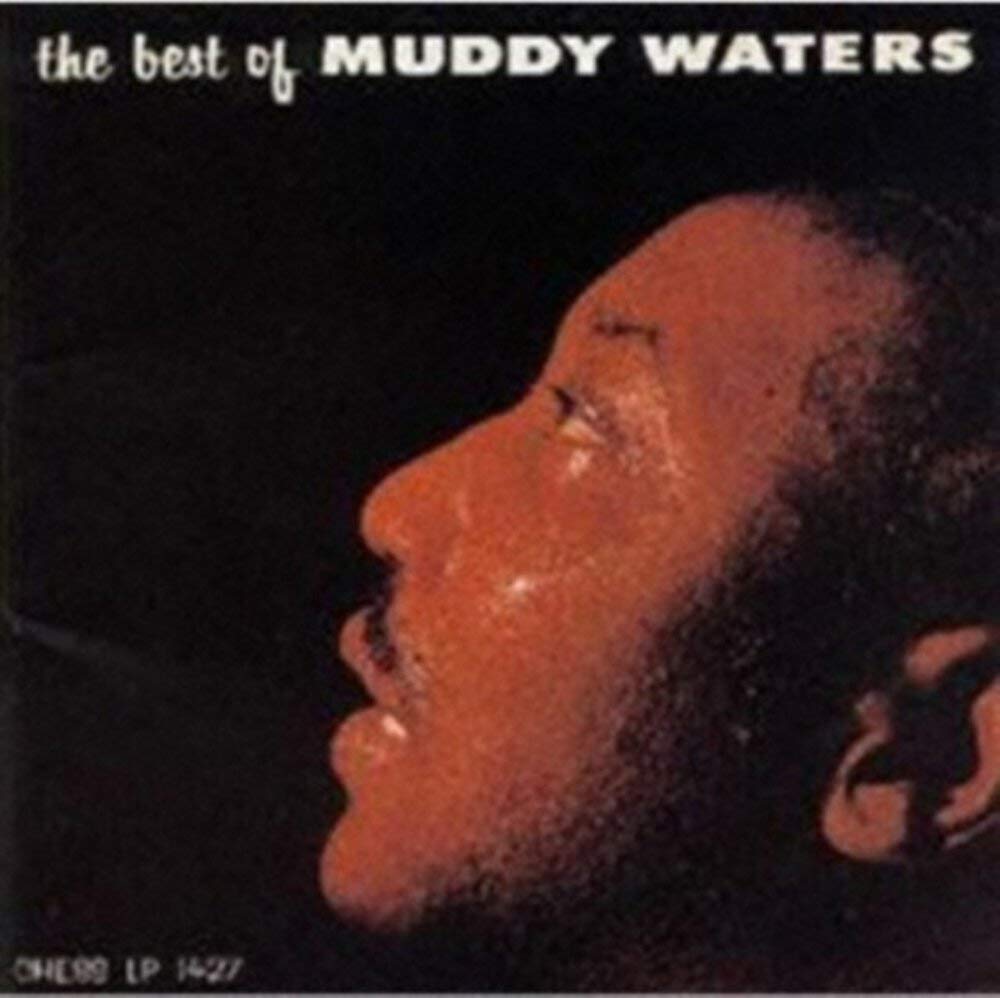 The Best of Muddy Waters (Chess LP-1427, 1958) — A definitive compilation including "Hoochie Coochie Man," "I Just Want to Make Love to You," and "Rollin' Stone."
- Folk Singer (1964) — An acoustic "unplugged" album recorded during the folk revival boom, featuring sparse, intimate arrangements with Buddy Guy and Willie Dixon. Highly praised for sound quality.
- At Newport 1960 — Live recording that captured his electrifying festival performance.
Howlin' Wolf:
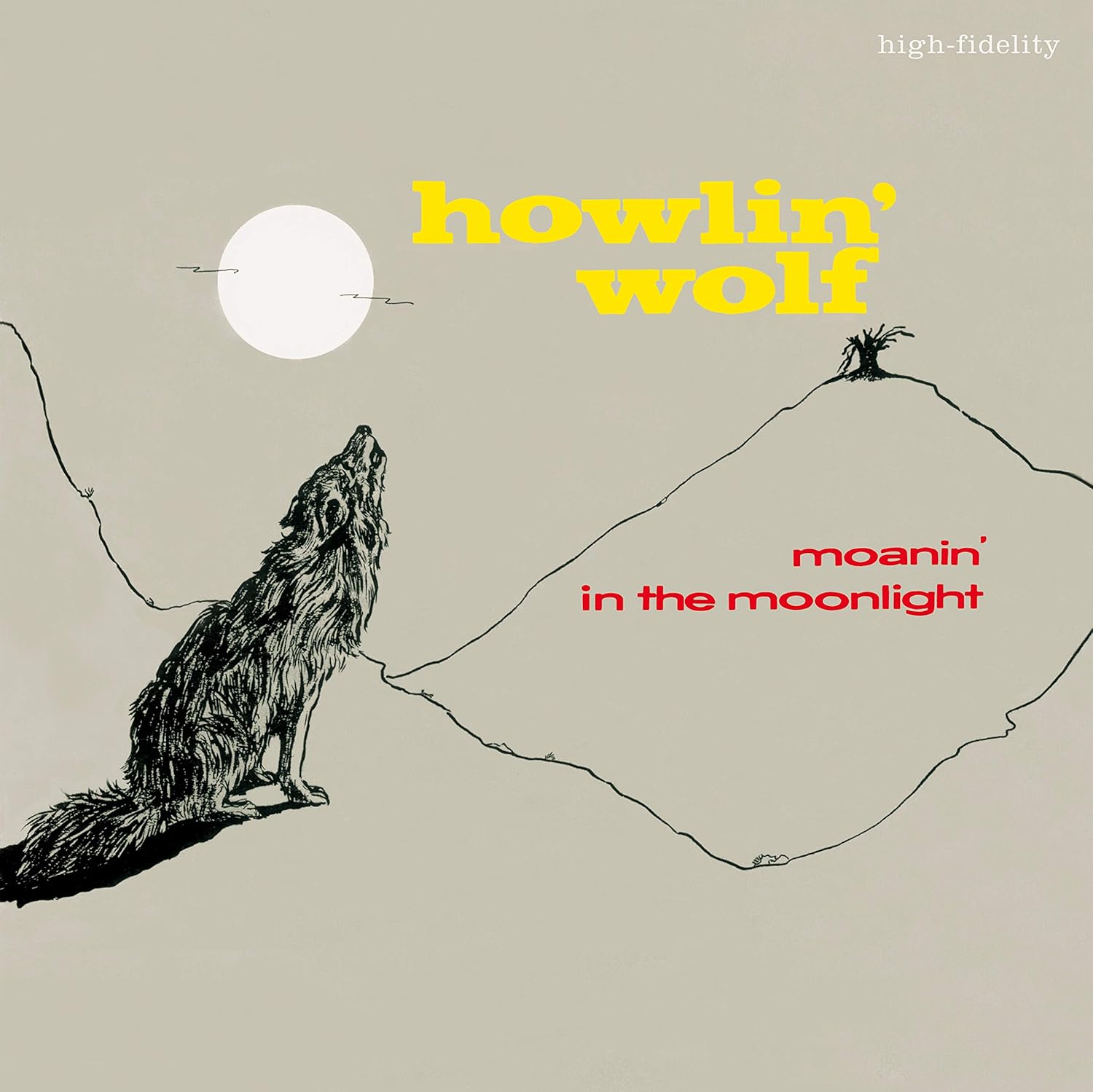 Moanin' in the Moonlight (1959) — Debut LP compiling early hits like "Smokestack Lightnin'" and "How Many More Years."
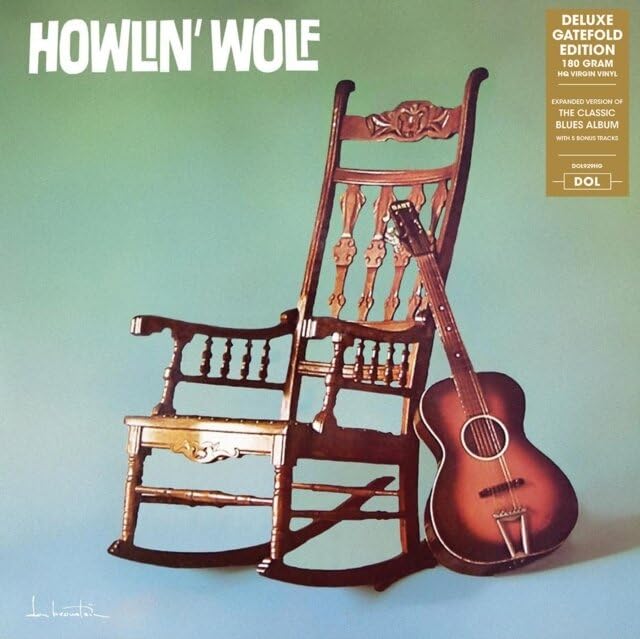 Howlin' Wolf (1962, aka the "Rockin' Chair" album) — Features classics such as "Little Red Rooster," "Spoonful," and "Back Door Man." Often cited as one of his strongest and most influential releases.
Chuck Berry:
- After School Session (Chess LP-1426, 1957) — One of the label's earliest LPs, mixing rockers and ballads.
- Berry Is on Top (1959) — A "mini greatest hits" package with "Johnny B. Goode," "Maybellene," and others. Iconic cover and strong commercial performance.
- St. Louis to Liverpool (1964) — Strong comeback album with hits like "No Particular Place to Go" and "You Never Can Tell."
Little Walter:
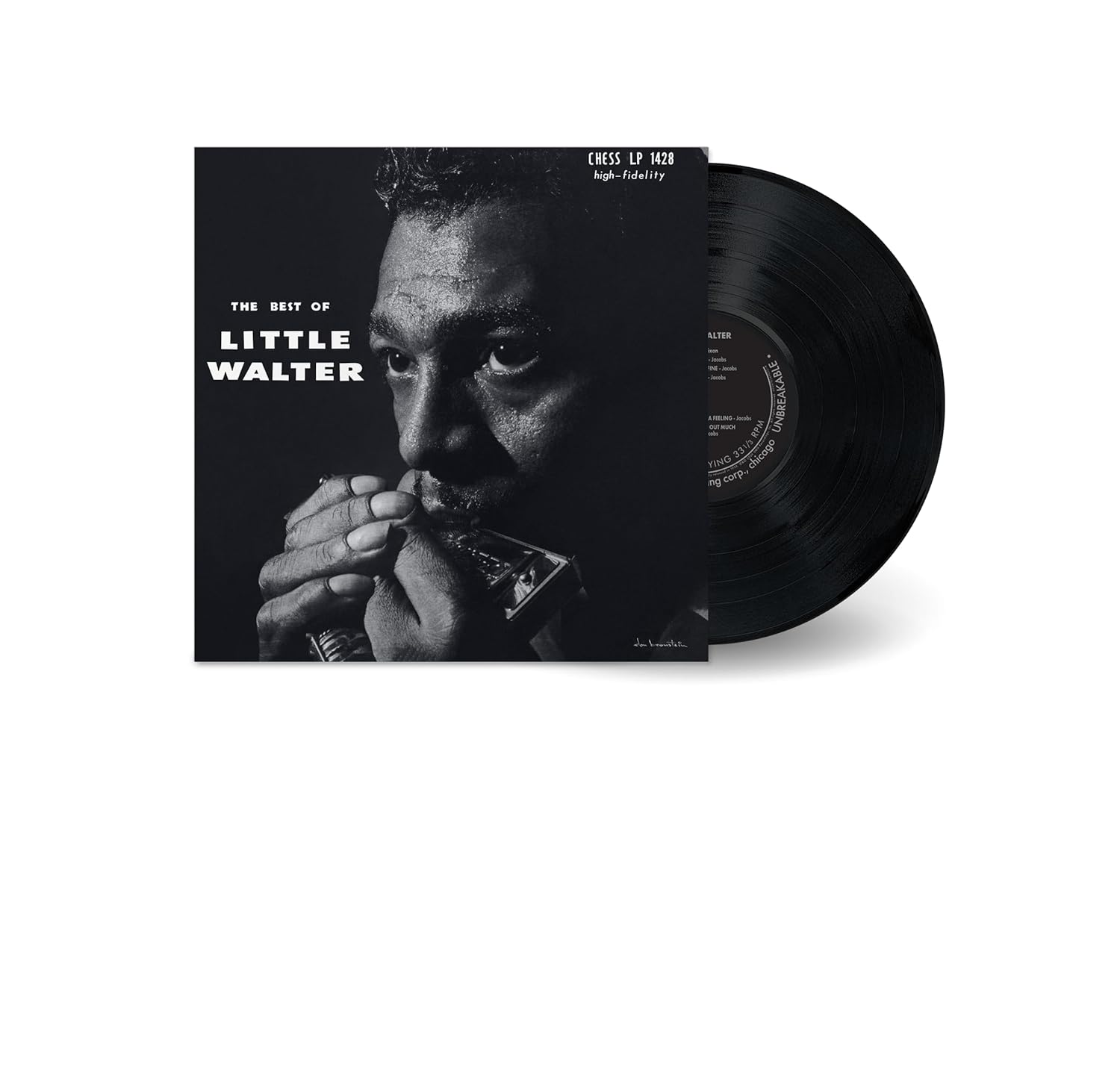 The Best of Little Walter (1958) — Essential harmonica showcase including "Juke," "My Babe," and "Blues with a Feeling." Inducted into the Blues Foundation Hall of Fame.
Bo Diddley:
- Bo Diddley (1958) and Bo Diddley in the Spotlight (1960) — Captured his rhythmic innovation and energetic style.
Etta James:
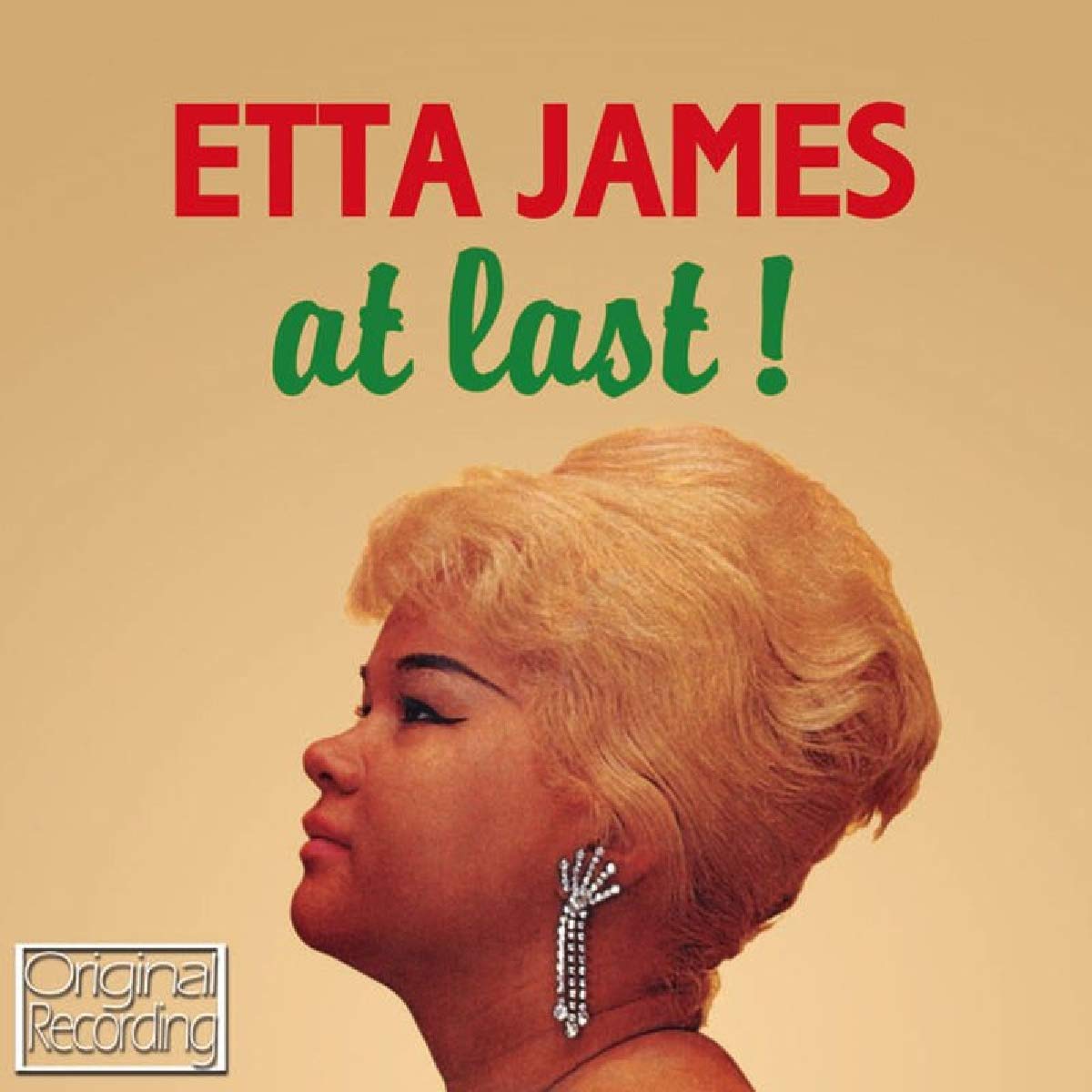 At Last! (Argo, 1960) — Her debut album, produced by the Chess brothers with lush arrangements. Includes the title track plus "All I Could Do Was Cry" and "I Just Want to Make Love to You." A crossover masterpiece and one of Chess's most enduring releases.
Additional Notable Releases and Genres
- Jazz/Soul on Argo/Cadet: Ramsey Lewis Trio's The In Crowd (1965), Ahmad Jamal albums, and Fontella Bass's soul work.
- Other Blues: Sonny Boy Williamson II's Checker releases (e.g., "Help Me," "Bring It On Home"), Buddy Guy's early sides, and John Lee Hooker recordings.
- Compilations and Miscellaneous: The Great Twenty-Eight (Chuck Berry hits), comedy albums by Moms Mabley and Pigmeat Markham, and various artist soundtracks.
Many of these recordings were inducted into the Grammy Hall of Fame and ranked highly on "greatest songs/albums" lists. They were characterized by strong songwriting (often by Willie Dixon), powerful vocals, and a signature "Chess sound" — raw yet dynamic, with prominent bass, guitar, and harmonica.
The catalogue's influence extended far beyond sales: these recordings provided the blueprint for rock 'n' roll, were heavily sampled in hip-hop, and continue to be reissued in deluxe editions (including Chess's 75th-anniversary series). Their raw emotional power and innovative spirit remain benchmarks in American music history.
Owners and Business Practices
Owners and Leadership
Chess Records was fundamentally a family business rooted in the vision and tenacity of two Polish-Jewish immigrant brothers: Leonard Chess (born Lejzor Czyż, 1917–1969) and Phil Chess (born Fiszel Czyż, 1921–2016). Leonard was the primary driving force — charismatic, aggressive in promotion, and deeply involved in A&R (artists and repertoire), production, and distribution. Phil handled operations, finances, and the day-to-day management more conservatively.
Their sons also played roles later: Marshall Chess (Leonard’s son) worked at the label from a young age, eventually becoming president after the 1969 sale and producing key projects. The family’s hands-on approach defined the label’s early success but also contributed to later tensions.
Ownership timeline:
- 1950–1969: Full ownership by Leonard and Phil Chess.
- 1969: Sold to General Recorded Tape (GRT) for $6.5 million (plus stock). Leonard died of a heart attack just months later (October 16, 1969) while driving to a meeting at their radio station WVON.
- 1975: GRT sold remnants to All Platinum Records (New Jersey).
- Mid-1980s: Acquired by MCA Records (reportedly for around $3 million in 1985/1986). MCA later merged into Universal Music Group (UMG). Today, the catalogue is managed by Geffen Records and Universal Music Enterprises (UMe), which continues high-quality reissues, box sets, and digital releases.
Business Practices
The Chess brothers operated in a tough, competitive independent record business during the post-WWII era, often described as the "Wild West" of Chicago’s South Side. They were shrewd, hands-on entrepreneurs who drove around the country promoting records to DJs, pressing plants, and distributors. Leonard frequently produced sessions himself, sometimes antagonizing musicians to elicit stronger performances.
Practices included:
- Artist Advances and Royalties: Instead of consistent royalty payments, they often provided lump-sum advances, bought artists Cadillacs, covered bills, or paid in cash. This created dependency and later disputes. Many artists received minimal ongoing royalties despite million-selling records.
- Songwriting Credits: Common industry practice at the time, but controversial. Willie Dixon and others alleged improper crediting. Chuck Berry’s “Maybellene” famously listed co-writers Alan Freed (DJ) and Russ Fratto (landlord) in exchange for promotion and rent.
- Production Style: Raw, efficient sessions at Ter-Mar Studios with minimal overdubs. Emphasis on capturing live energy using house musicians (including Dixon on bass). They also leveraged strong distribution networks and radio promotion.
- Diversification: Owned radio station WVON (a major Black-oriented station in Chicago), nightclubs, and publishing company Arc Music.
Controversies and Lawsuits: In the 1970s, after the GRT sale, several artists sued Chess/GRT and Arc Music for unpaid royalties and copyright issues:
- Muddy Waters and Willie Dixon filed successful suits.
- Howlin’ Wolf sued for $2.5 million, claiming fraud on copyrights (settled after his 1976 death).
- Bo Diddley publicly expressed bitterness about not receiving fair compensation despite global sales.
Defenders (including Marshall Chess) noted the chaotic environment — heavy drinking, violence, and artists’ financial mismanagement — made straight royalty accounting difficult. The brothers argued they took significant risks in a segregated industry when few others would record these artists.
Legacy and Physical Sites
Despite business controversies, Chess Records’ cultural impact is monumental. It electrified Delta blues, helped invent rock ’n’ roll, and provided the soundtrack for the Civil Rights era and British Invasion. Artists like the Rolling Stones, Beatles, Eric Clapton, Led Zeppelin, and countless others directly covered or were inspired by Chess recordings.
Key aspects of the legacy:
- Influence on Music: Over a dozen Chess-associated artists are in the Rock & Roll Hall of Fame. Dozens of recordings are in the Grammy Hall of Fame. The “Chess sound” — raw, powerful, and emotional — remains a benchmark.
- Preservation: The iconic 2120 S. Michigan Avenue building (1957–1967) is a Chicago Landmark. In 1993, Willie Dixon’s widow Marie purchased it; it opened in 1997 as Willie Dixon’s Blues Heaven Foundation, a museum offering tours, education, and blues preservation. Some tension existed with the Chess family over branding, but the site endures as a pilgrimage spot.
- Media and Popular Culture: Dramatized in the 2008 film Cadillac Records (starring Adrien Brody as Leonard Chess). Numerous documentaries, books (Machers and Rockers), and reissue campaigns.
- Catalogue Today: UMe actively re-releases material in deluxe editions, vinyl, and streaming. The music continues to be sampled in hip-hop and featured in films, commercials, and new generations’ discoveries.
- Broader Impact: Chess proved independent labels could succeed with authentic Black music, influencing Motown, Stax, and beyond. It bridged rural Southern traditions with urban modernity and global audiences.
Chess Records transformed regional blues into a global force, bridging Black American musical traditions with mainstream popular music and laying foundational stones for rock ‘n’ roll. Its story has been dramatized in films like Cadillac Records (2008). The label’s influence endures through sampling, covers, and its role in the soundtrack of the 20th century.
The label's raw production style, session musicians, and focus on authentic talent created a sound that "changed the world," as noted on its official site. Its catalogue endures through reissues and sampling.
Suggested Reading
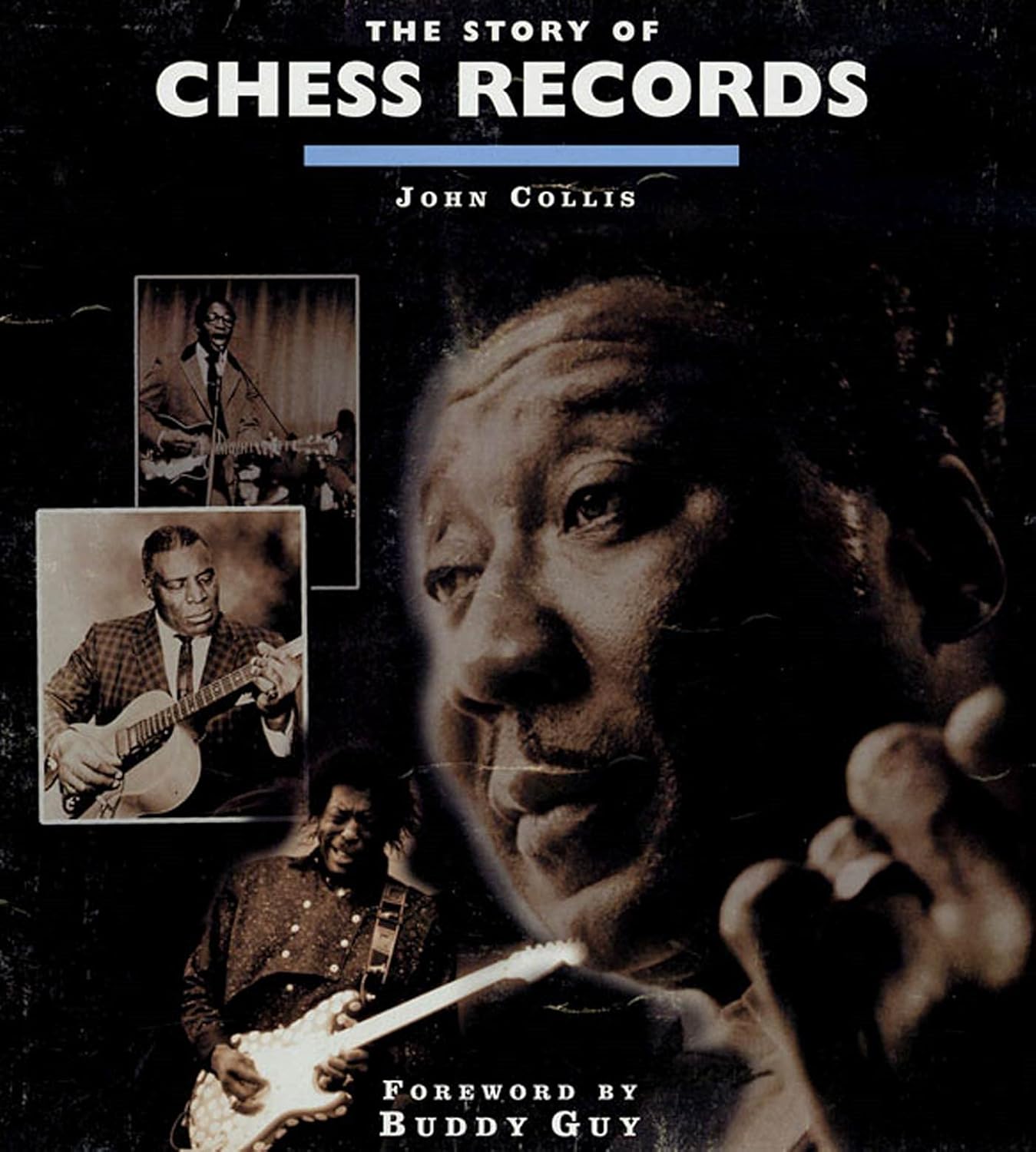
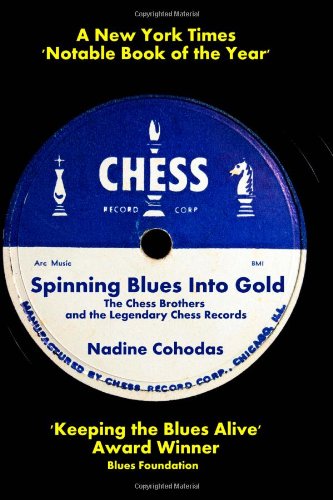 Spinning Blues Into Gold: The Chess Brothers and the Legendary Chess Records