Introduction
Tradition Records was a small but influential American independent record label active primarily from 1955 to 1966. It specialized in folk music, traditional songs, Irish/Celtic music, blues, and world folk traditions. Known for its artistic integrity and respectful approach to traditional performers, Tradition played a meaningful role in the mid-20th-century American folk revival.
History and Ownership
Tradition Records was founded in 1955 (with some sources citing formal launch in 1956) in New York City by Diane Hamilton (the pseudonym of Diane Guggenheim, a Guggenheim family heiress). Hamilton financed the label with her personal wealth, allowing it to operate with greater creative freedom than many commercially driven independents of the era. The label was based in New York and focused on documenting authentic folk traditions rather than chasing mainstream hits.
In the early 1960s, the Irish folk group The Clancy Brothers and Tommy Makem — who were already major artists on the label — became increasingly involved in its operations. By the mid-1960s, they had taken significant ownership or control. In 1966, The Clancy Brothers and Tommy Makem sold the entire Tradition catalogue to Everest Records (owned by Bernard Solomon). Everest continued to reissue Tradition material under the Tradition branding for some time.
Later ownership changes included reissues by Rykodisc in the 1990s and eventual distribution through various archival and digital channels. The label is now largely a historical catalogue, with many titles available on CD and streaming platforms.
Key Artists
Tradition Records built its reputation on a carefully curated roster of authentic traditional and folk musicians. The label prioritized cultural preservation over commercial trends, working with established performers who embodied living folk traditions. Here is a detailed look at the most significant artists associated with Tradition Records:
The Clancy Brothers and Tommy Makem
The flagship act of Tradition Records and one of the most important Irish folk groups in history. Brothers Paddy, Tom, and Liam Clancy from Carrick-on-Suir, County Tipperary, Ireland, along with Tommy Makem from Keady, County Armagh, brought a powerful, boisterous style of Irish folk music to American audiences.
- They joined Tradition in the late 1950s and released several landmark albums, including:
- Irish Songs of Rebellion (1959)
- Come Fill Your Glass with Us (1959)
- The Rising of the Moon (1959)
- The Clancy Brothers and Tommy Makem (1961)
Their energetic performances, rich harmonies, and passionate delivery of rebel songs, drinking songs, and traditional ballads helped ignite the Irish folk revival in the United States during the 1960s. The Clancy Brothers became major stars, appearing on The Ed Sullivan Show and influencing generations of Irish musicians. Their success on Tradition gave the label both artistic prestige and commercial stability.
Jean Ritchie
One of America’s greatest traditional singers and a leading figure in Appalachian folk music. Known as the “Mother of Folk,” Ritchie was a master of the Appalachian dulcimer and a preserver of ancient British ballad traditions passed down in her family in Viper, Kentucky.
Tradition released several important albums by Ritchie, including:
- Carols of All Seasons (1959)
- British Traditional Ballads in the Southern Mountains (various volumes)
Her pure, unadorned voice and deep knowledge of traditional material made her recordings essential documents of American folk heritage. Ritchie’s work on Tradition helped introduce Appalachian music to a wider audience during the folk revival.
Odetta
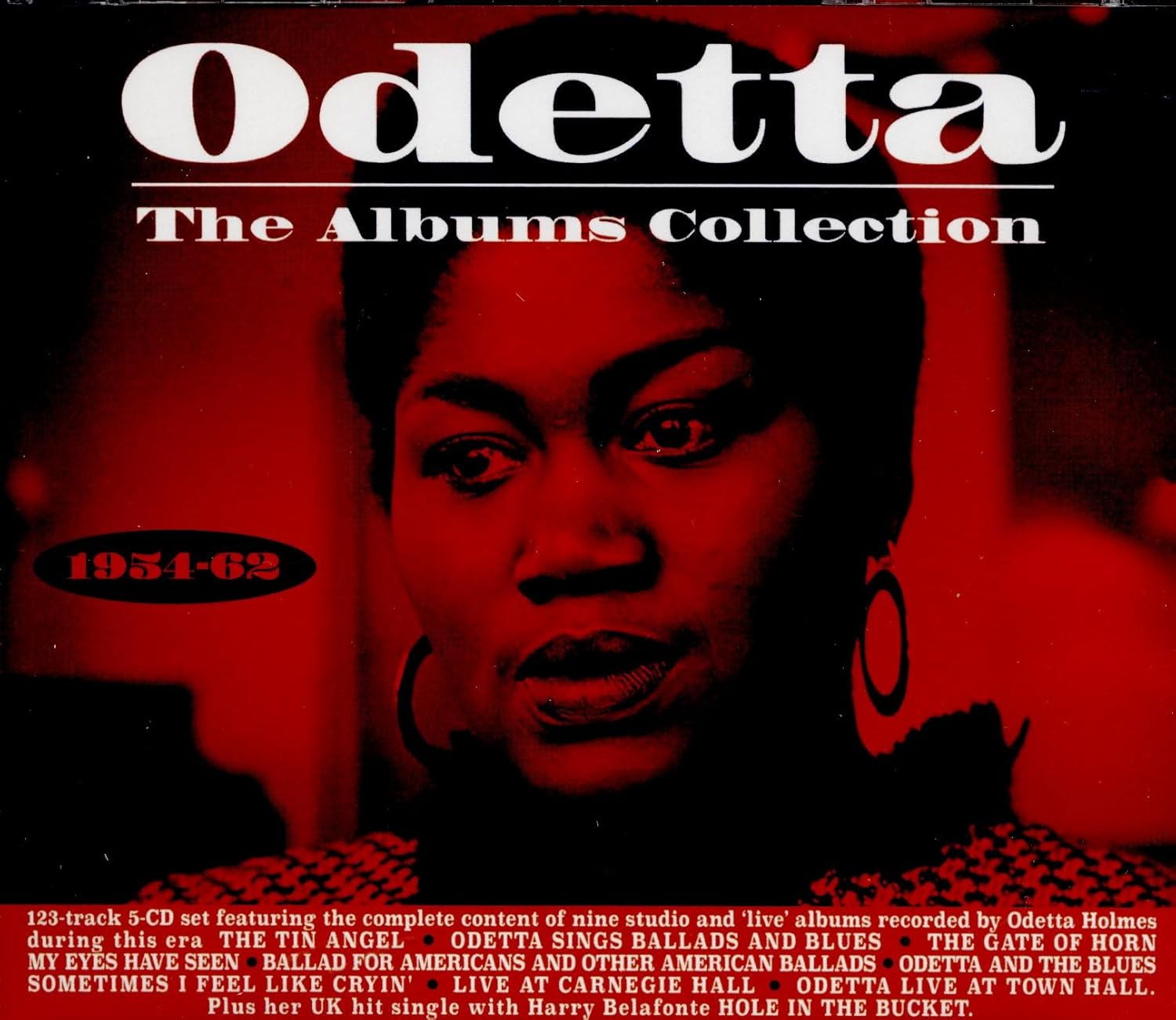
The powerful folk, blues, and spiritual singer often called “The Voice of the Civil Rights Movement.” Odetta (Odetta Holmes) brought tremendous emotional weight and dignity to traditional African American material.
Tradition released key early recordings by Odetta that showcased her commanding contralto voice and masterful guitar work. Her performances of spirituals, chain gang songs, and blues helped bridge traditional folk with the growing civil rights consciousness of the late 1950s and early 1960s.
Suggested Listening
Josh White
A veteran blues and folk artist who had been active since the 1930s. White brought a polished yet deeply expressive style to Tradition. His recordings for the label included both blues standards and socially conscious material, reflecting his long career as a performer who bridged early race records with the postwar folk scene.
Ewan MacColl & Peggy Seeger
The influential British folk duo brought their politically charged and meticulously researched interpretations of British and Scottish traditional songs to Tradition. Their recordings added an international dimension to the label’s catalog and strengthened its reputation for serious folk scholarship.
Other Notable Artists
- Alan Lomax contributed field recordings and thematic compilations.
- Various traditional performers from Ireland, Scotland, England, and the American South appeared on anthology-style releases.
- The label also issued bagpipe music, instrumental folk collections, and international folk traditions.
Tradition’s strength lay in its respectful approach to these artists. Unlike some commercial folk labels of the era, Tradition allowed performers to present their music with authenticity and minimal interference, resulting in recordings that remain highly regarded by scholars and enthusiasts today.
Notable Recordings and Catalog
radition Records released approximately 45–50 albums during its primary active period (1955–1966). While modest in size compared to major labels, the catalog was remarkably focused and high-quality, emphasizing authenticity, cultural preservation, and artistic integrity. The label’s output can be broadly grouped into Irish/Celtic music, American traditional/folk, blues, and international/world folk collections.
Flagship Irish and Celtic Recordings
The Clancy Brothers and Tommy Makem dominated the label’s commercial and artistic success. Key releases include:
- Irish Songs of Rebellion (1959) — A powerful collection of Irish rebel songs that resonated deeply with Irish-American audiences. Tracks like “The Rising of the Moon” and “The Patriot Game” became staples of the Irish folk canon.
- Come Fill Your Glass with Us (1959) — One of their most beloved albums, featuring rousing drinking songs and traditional favorites. This record helped establish the boisterous, pub-style Irish folk sound in America.
- The Rising of the Moon (1959) — Another landmark release that mixed rebellion songs with beautiful ballads.
- The Clancy Brothers and Tommy Makem (1961) — A self-titled album that further solidified their reputation.
These albums were not only commercial successes but also cultural milestones that helped fuel the 1960s Irish folk revival in the United States and beyond.
American Traditional and Appalachian Music
- Jean Ritchie:
- Carols of All Seasons (1959) — A beautiful collection of traditional Christmas carols and seasonal songs performed with dulcimer and voice. Widely regarded as one of the finest traditional Christmas albums of the folk era.
- British Traditional Ballads in the Southern Mountains (multi-volume series) — Essential documentation of Child Ballads preserved in Appalachia.
- Odetta:
- Several early solo albums and collaborative projects showcasing her powerful interpretations of spirituals, blues, and work songs. These recordings captured Odetta at a pivotal moment as she emerged as a major voice in the folk and civil rights movements.
- Josh White:
- Albums featuring his smooth yet emotionally charged blues and folk performances, including socially conscious material that reflected his long career.
Other Notable Releases
- Ewan MacColl & Peggy Seeger — Multiple albums of British and Scottish traditional songs, often with strong political undertones. Their work added depth and international perspective to the catalog.
- Field Recordings and Anthologies:
- Various compilations of traditional music from the British Isles, the American South, and other regions.
- Instrumental releases featuring bagpipes, fiddles, and other folk instruments.
- Medicine Show and Hokum Material — Recordings that preserved the lighter, entertaining side of traditional music, including comic and vaudeville-influenced pieces.
Production and Presentation
Tradition albums were noted for their excellent liner notes, often written by the artists themselves or knowledgeable folk scholars. This educational approach helped listeners understand the cultural and historical context of the music. Recording quality was generally very good for an independent label, with many sessions captured in intimate, respectful settings that allowed the artists’ natural performances to shine.
Catalog Legacy
After the 1966 sale to Everest Records, many Tradition titles were reissued on LP and later on CD. In the 1990s, Rykodisc re-released several key albums with improved sound and additional notes. Today, the Tradition catalog is available through digital platforms and specialty reissue labels.
While never a massive commercial powerhouse, Tradition Records left a lasting imprint on the folk revival by prioritizing authenticity over trends. Its recordings continue to serve as valuable historical documents and sources of inspiration for traditional musicians worldwide.
Business Practices and Legacy
Tradition operated with a passion for cultural preservation. Under Diane Hamilton’s financing, it could afford to release material that might not have been commercially viable on larger labels. The involvement of The Clancy Brothers brought both artistic credibility and business acumen.
After the 1966 sale to Everest, many titles were reissued and kept in circulation. The label’s recordings contributed significantly to the 1960s folk boom and helped preserve Piedmont, Appalachian, Irish, and other traditional styles.
Cultural Footnote: While not directly related to the label’s music, the name “Tradition” lives on in folk music history as a respected imprint from the golden age of the American folk revival.
Conclusion
Though modest in scale and lifespan, Tradition Records left a meaningful legacy by documenting authentic voices in folk, Irish, and traditional music. Its catalogue remains a valuable resource for scholars, musicians, and fans interested in the roots of American and Celtic folk traditions. The label exemplifies how independent, artist- and tradition-focused labels can enrich musical culture beyond commercial metrics.