Revival Records was a short-lived British independent record label founded in 1971 by Andrew Cameron Miller and Ian Brown. It specialized in issuing field recordings of traditional blues musicians from the Mississippi Valley and Memphis area that had been made in the 1960s by American blues researcher and producer George Mitchell. The label provided an important early outlet for these raw, acoustic performances during the later phase of the blues revival, before many of the same recordings were later reissued on Rounder and Fat Possum.
History and Ownership
Andrew Cameron Miller had previously been involved with Reflection Records. When he left that company in mid-1971, he became a major stockholder in the new Revival label launched by Ian Brown (a former director of Reflection). Billboard reported in early 1971 that Revival was intended as Reflection’s blues outlet. The label focused almost exclusively on Mitchell’s field recordings of older Southern blues artists who had been documented in their home environments rather than in commercial studios.
Revival operated for only a few years, issuing roughly ten albums between 1971 and 1974. Distribution was handled in part by Pye and Keith Prowse. Toward the end of its run the label briefly expanded beyond pure blues with a Scottish folk album, but its core identity remained the Mitchell blues material. After the label ceased activity, the same recordings found wider circulation through later reissues on American labels, helping to introduce artists such as R.L. Burnside to broader audiences.
Notable Artists and Recordings
Revival’s catalog is valued for its authentic, unpolished presentations of country blues and related styles. Key releases and artists include:
- Mississippi Fred McDowell and Johnny Woods — One of the label’s early and most significant titles featured the great hill-country blues guitarist and singer Fred McDowell in collaboration with harmonica player Johnny Woods. These recordings captured McDowell’s powerful, hypnotic style in a natural setting.
- Mississippi Joe Callicott — The album Deal Gone Down presented the work of the under-recorded North Mississippi guitarist and singer, whose sparse, intense playing and singing offered a distinctive window into regional country blues.
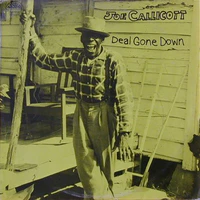 Buy from Amazon Deal Gone Down
- Furry Lewis — The Memphis blues veteran appeared on Revival releases, including material that highlighted his fingerstyle guitar and storytelling vocals. Lewis was one of the few pre-war blues artists who had already experienced a degree of revival attention, and these sides added to his documented legacy.
- R.L. Burnside — Early field recordings of the future Fat Possum star appeared on Revival, documenting Burnside’s raw, driving North Mississippi hill-country blues long before he achieved wider fame in the 1990s.
- Other important artists — The label issued recordings by Sleepy John Estes, George Henry Bussey and Jim Bunkley, Charlie Burse and Will Shade (of Memphis jug-band fame), and related Mississippi and Memphis performers. Titles such as Beale Street Mess-Around captured the continuing jug-band and string-band traditions of Memphis.
These albums typically featured intimate, location-recorded performances that emphasized the artists’ natural environments and playing styles rather than polished studio production. Liner notes often provided useful biographical and contextual information.
Other Musical Styles
While Revival was overwhelmingly a blues label, its final release marked a departure: Freedom’s Sword (RVS-1010, 1974) by the Scottish folk group Gaberlunzie. This album of traditional and folk-oriented material was the tenth and apparently last LP on the label. A couple of singles were also issued, including material leaning toward soul-tinged rock, but these were peripheral to the core blues catalog.
Legacy
Revival Records occupies a modest but meaningful place in the history of the blues revival. By making George Mitchell’s 1960s field recordings available on LP in Britain at a time when such material was still scarce, the label helped sustain interest in authentic Southern country blues and hill-country styles. Many of the artists it documented—particularly R.L. Burnside, Fred McDowell, Joe Callicott, and Furry Lewis—later became better known through subsequent reissues and the broader rediscovery of Mississippi blues. Although short-lived, Revival contributed to the preservation and dissemination of important vernacular blues performances that might otherwise have remained largely unheard outside specialist circles.