Bluesville Records occupies a significant place in the history of American blues documentation, functioning as both a pioneering imprint of the 1960s folk-blues revival and, more recently, a curated reissue label dedicated to preserving the genre's foundational recordings. The name has been associated with two distinct entities: the original Bluesville, founded in 1959 as a subsidiary of Prestige Records, and the relaunched Bluesville Records, revived in 2024 by Craft Recordings (a division of Concord Music Group) to reissue classic blues titles from multiple legendary catalogs.
The Original Bluesville Records (1959–1971)
Founding and Ownership
Bluesville Records was founded in 1959 as a subsidiary of Prestige Records, the renowned New York-based jazz label established by Bob Weinstock in 1949. While Prestige was primarily known for modern jazz, Weinstock recognized the growing interest in blues and folk music among young, predominantly white audiences during the late 1950s and early 1960s. New York City had become a key location for the blues revival that accompanied the resurgence of interest in folk music, with venues like the Newport Folk Festival beginning to book older blues artists.
The label operated under the Prestige umbrella, sharing distribution infrastructure and, crucially, access to Rudy Van Gelder's legendary recording studio in Englewood Cliffs, New Jersey. This connection to Van Gelder—who was simultaneously recording landmark jazz sessions for John Coltrane, Sonny Rollins, and others—gave Bluesville albums a sonic quality that distinguished them from many other blues labels of the era.
The Bluesville Mission
The original Bluesville label had a specific and important mission: to present blues not as disposable popular music, but as an art form worthy of serious documentation. As Scott Billington, the curator of the relaunched label, explained, Bluesville "was able to bring together all these disparate threads of the blues and introduce them to a new audience." The label's roster included artists who had first recorded in the 1920s and 1930s and were now semi-retired (such as Tampa Red and Pink Anderson), artists who had been popular with Black R&B audiences but were outside the orbit of mainstream critics (such as Memphis Slim and Lonnie Johnson), and street performers like Reverend Gary Davis who had been performing in Harlem all along.
In tandem with labels such as Riverside and Folkways, Bluesville was a pioneering effort that influenced many blues labels that followed, including Vanguard and Rounder.
Key Producers and Personnel
Several important producers and figures shaped the Bluesville catalog:
-
Esmond Edwards: A key producer for Prestige who worked on some of the earliest Bluesville sessions, including Shakey Jake's Good Times in May 1960, where he partnered the blues singer with jazz organist Jack McDuff and guitarist Bill Jennings.
-
Kenneth S. Goldstein: A prominent folklorist and producer who worked on numerous Bluesville sessions, including Tampa Red's Don't Jive Me and the Bawdy Blues compilation. Goldstein was a key figure in the American folk music revival and brought scholarly rigor to the label's productions.
-
Mack McCormick: A musicologist and folklorist who produced several Lightnin' Hopkins sessions for Bluesville, including Blues in My Bottle (1961) and Walkin' This Road By Myself (1962). McCormick was instrumental in documenting Texas blues.
-
Samuel B. Charters: The legendary blues historian and writer who contributed liner notes to several Bluesville releases, including Tampa Red's Don't Jive Me. Charters' writings helped contextualize the music for the new audience discovering blues through these albums.
-
Rudy Van Gelder: Though primarily an engineer, Van Gelder's role was crucial. Many Bluesville albums were recorded at his New Jersey studio during the same years he was making landmark jazz recordings, giving the blues albums a standard of recording quality that was exceptional for the genre at the time.
-
Don Schlitten: A graphic designer who created cover art for several Bluesville releases, including Lightnin' Hopkins' Last Night Blues.
The Artists and Recordings
Bluesville released approximately 100 albums between 1960 and 1964, documenting a remarkable cross-section of American blues.
Lightnin' Hopkins
Perhaps Bluesville's most prolific artist was Sam "Lightnin'" Hopkins (1912–1982), the Texas bluesman who recorded extensively for the label. His Bluesville discography includes:
-
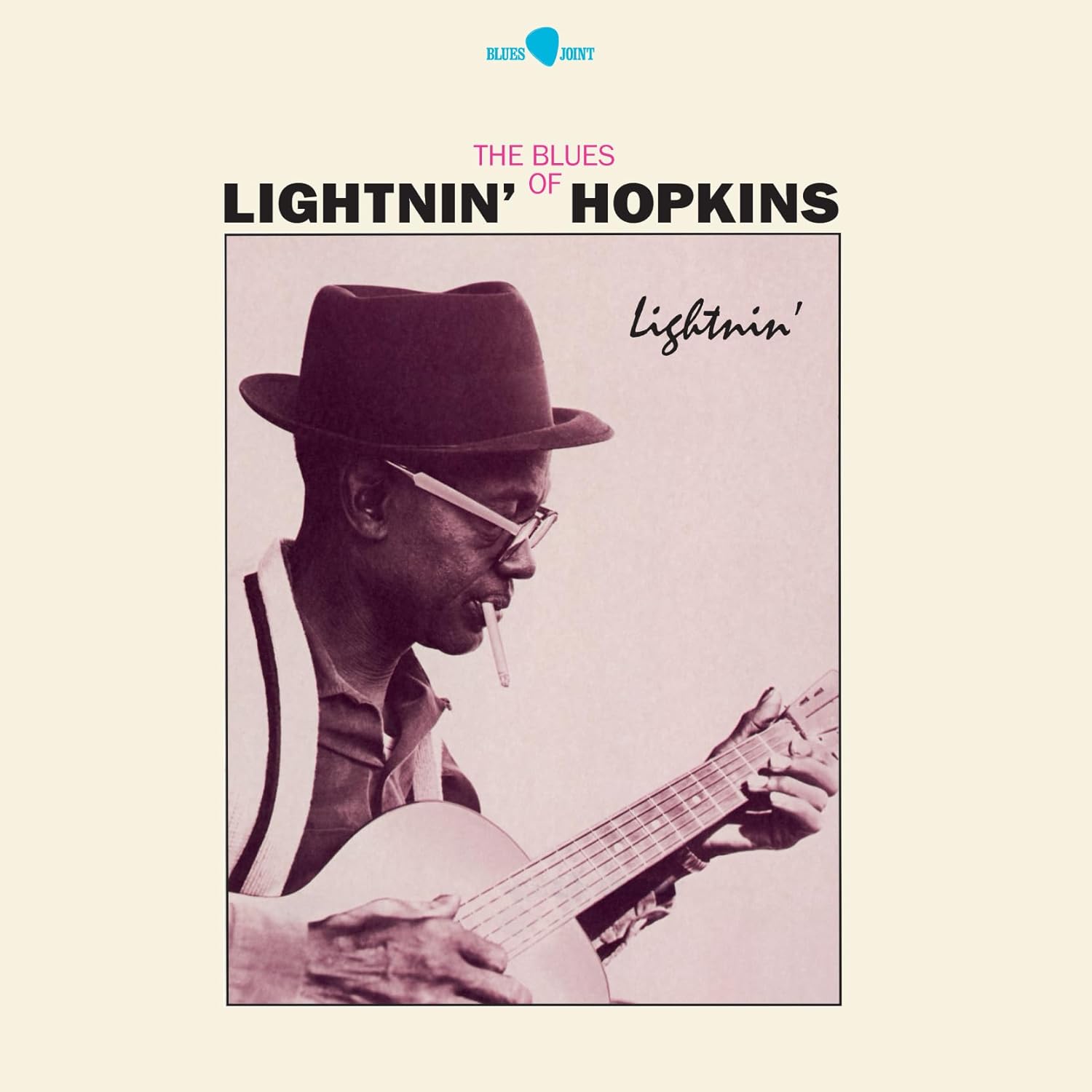 "Lightnin'": The Blues of Lightnin' Hopkins (BVLP 1019, 1961) – Recorded November 9, 1960 at Van Gelder Studio, featuring tracks like "Automobile Blues," "Mean Old Frisco," and "Come Back Baby."
-
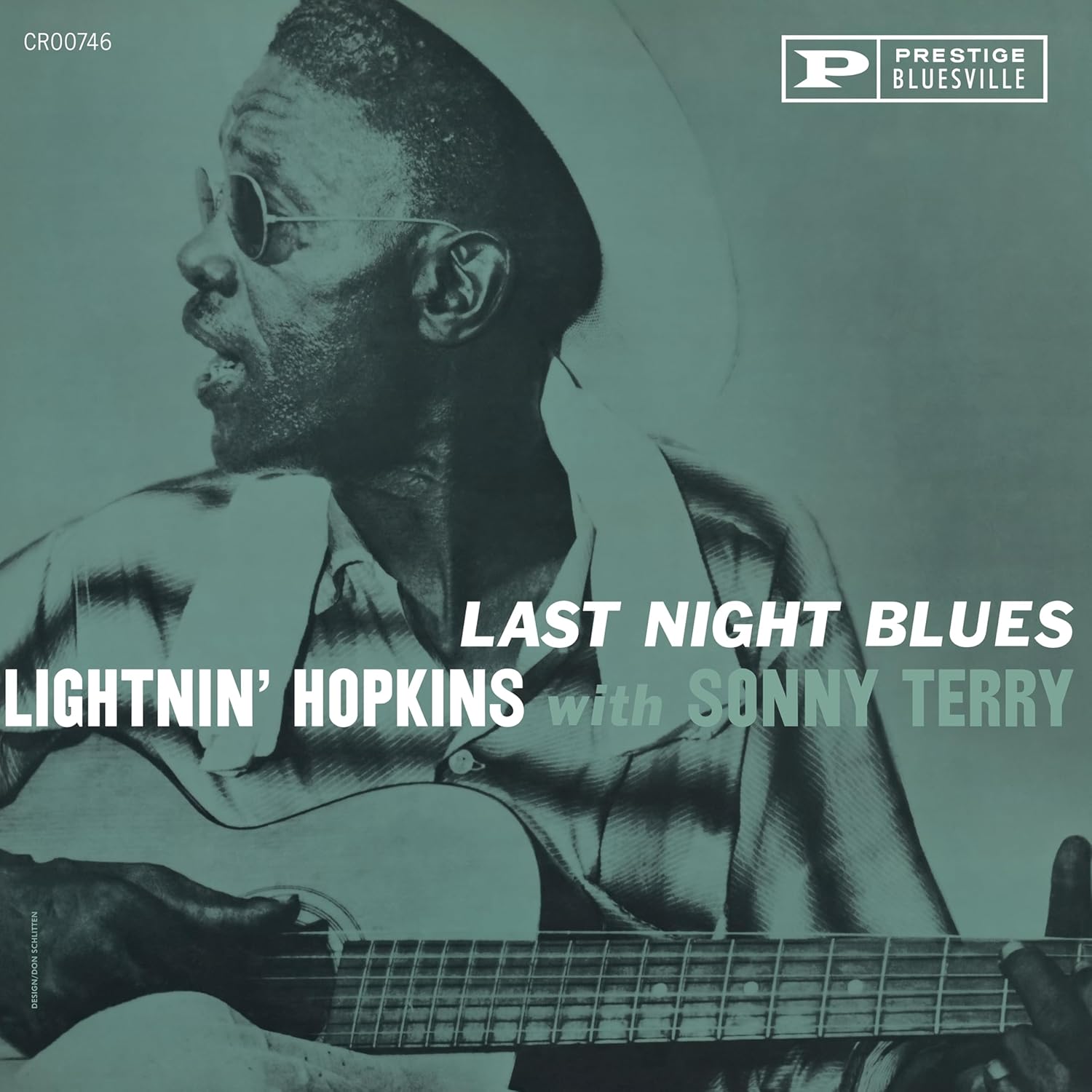 Last Night Blues (BVLP 1029, 1961) – Recorded October 26, 1960 at Van Gelder Studio, featuring Hopkins with Sonny Terry on harmonica, Leonard Gaskin on bass, and Belton Evans on drums. This album included "Rocky Mountain Blues," "Got To Move Your Baby," and the title track.
-
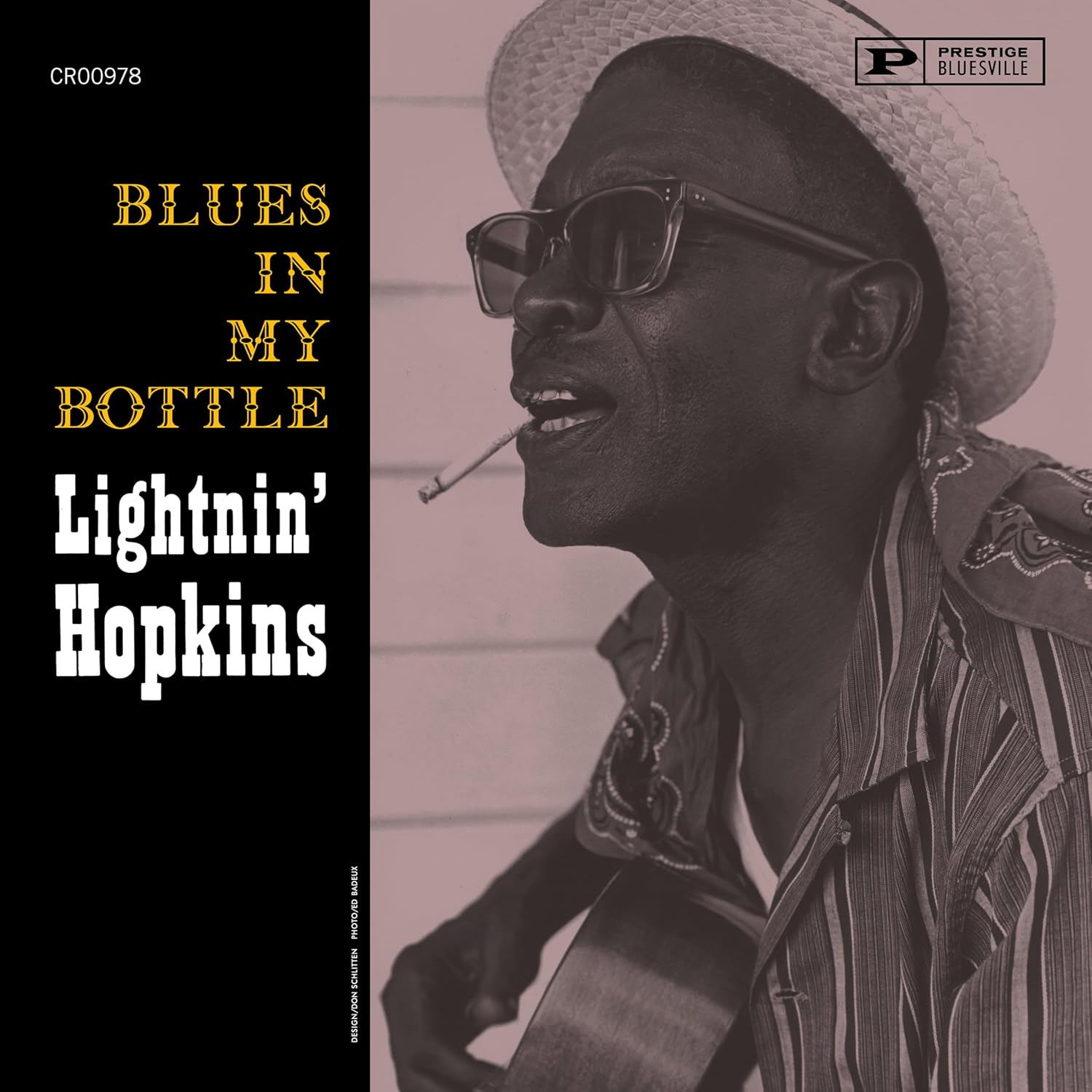 Blues in My Bottle (BVLP 1045, 1961/1962) – Recorded July 26, 1961 at ACA Studios (Gold Star Studios) in Houston, Texas. This solo outing featured autobiographical songwriting and poignant interpretations of early blues classics, including "Buddy Brown's Blues."
-
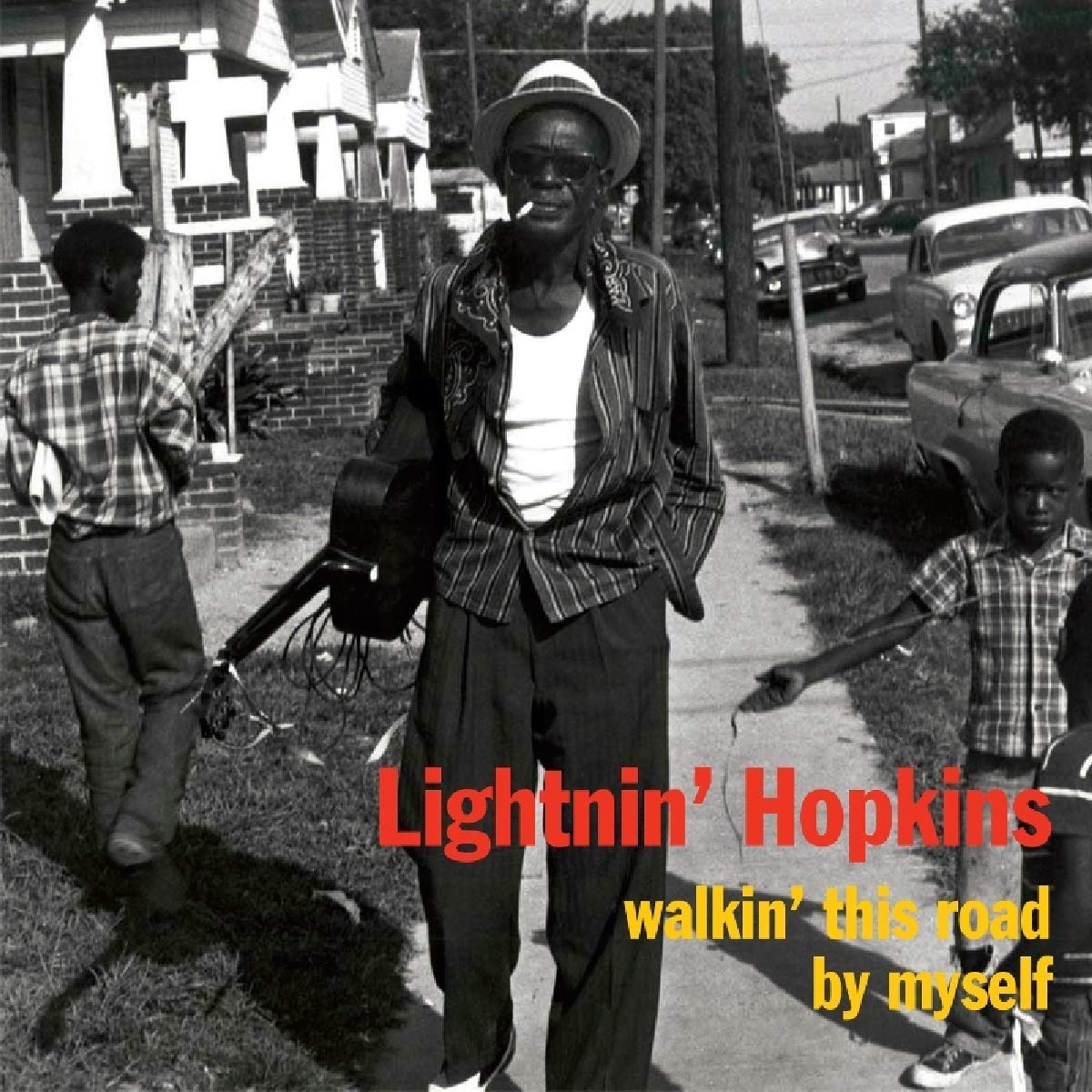 Walkin' This Road By Myself (BVLP 1057, 1962) – Recorded at ACA Studios in Houston on July 7, 1961 and February 17 & 20, 1962. This album featured varying configurations, including solo Hopkins, Hopkins with Billy Bizor on harmonica and Spider Kilpatrick on drums, and Hopkins with Buster Pickens on piano, Donald Cook on bass, and Kilpatrick on drums. It included "Happy Blues For John Glenn," recorded in response to the astronaut's historic space flight.
-
Smokes Like Lightnin' (BVLP 1070, 1963)
-
Goin' Away (BVLP 1061, 1962, as Lightnin' and Co.)
-
Down Home Blues (BVLP 1086, 1964)
Brownie McGhee & Sonny Terry
The legendary duo of guitarist Brownie McGhee and harmonica player Sonny Terry was another cornerstone of the Bluesville catalog. They had met when recording for Okeh in 1940–41 and began working together in Harlem in 1943. Their Bluesville output included:
-
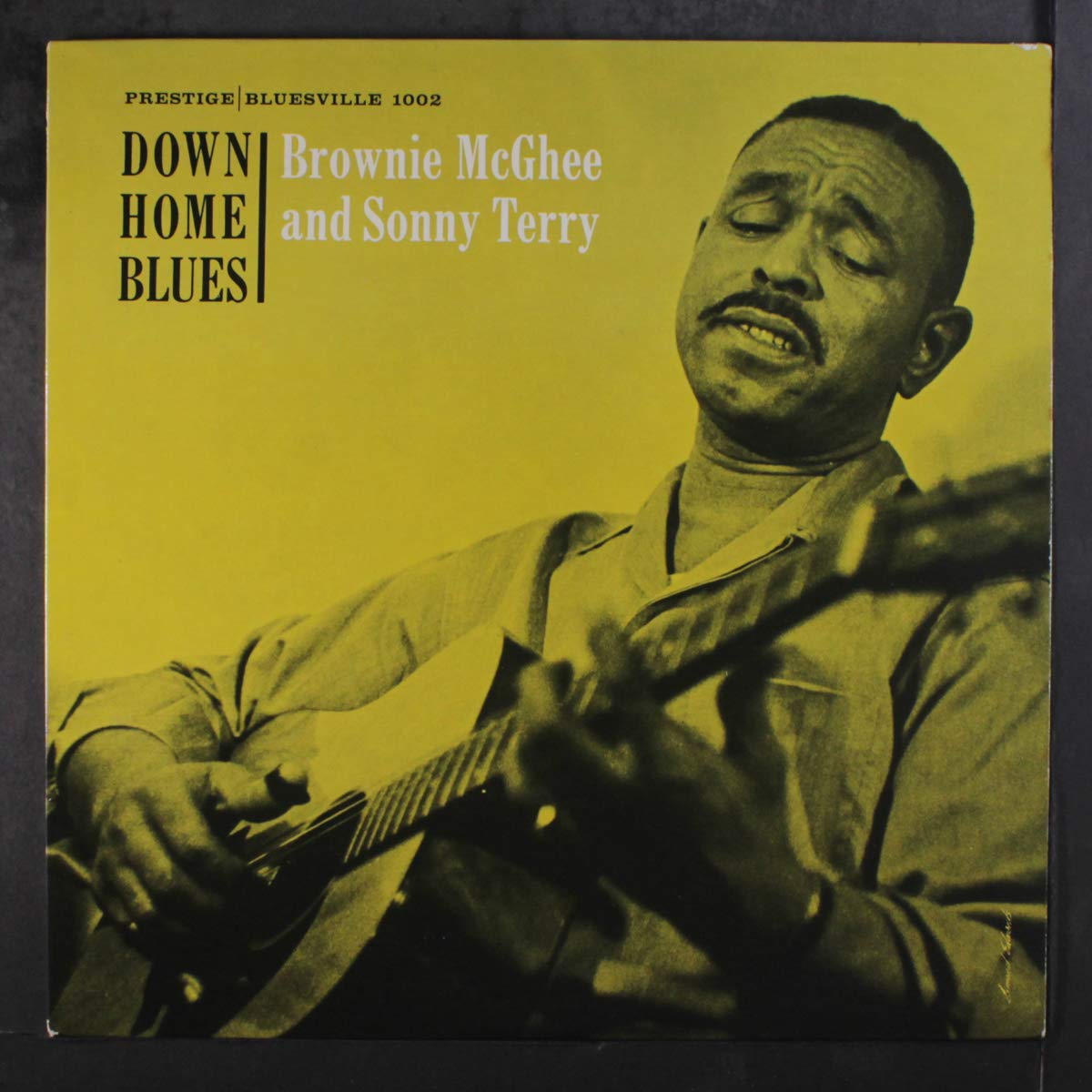 Down Home Blues (BVLP 1002, 1960) – Their first Bluesville album, featuring tracks like "Pawn Shop," "Betty And Dupree's Blues," and "Freight Train."
-
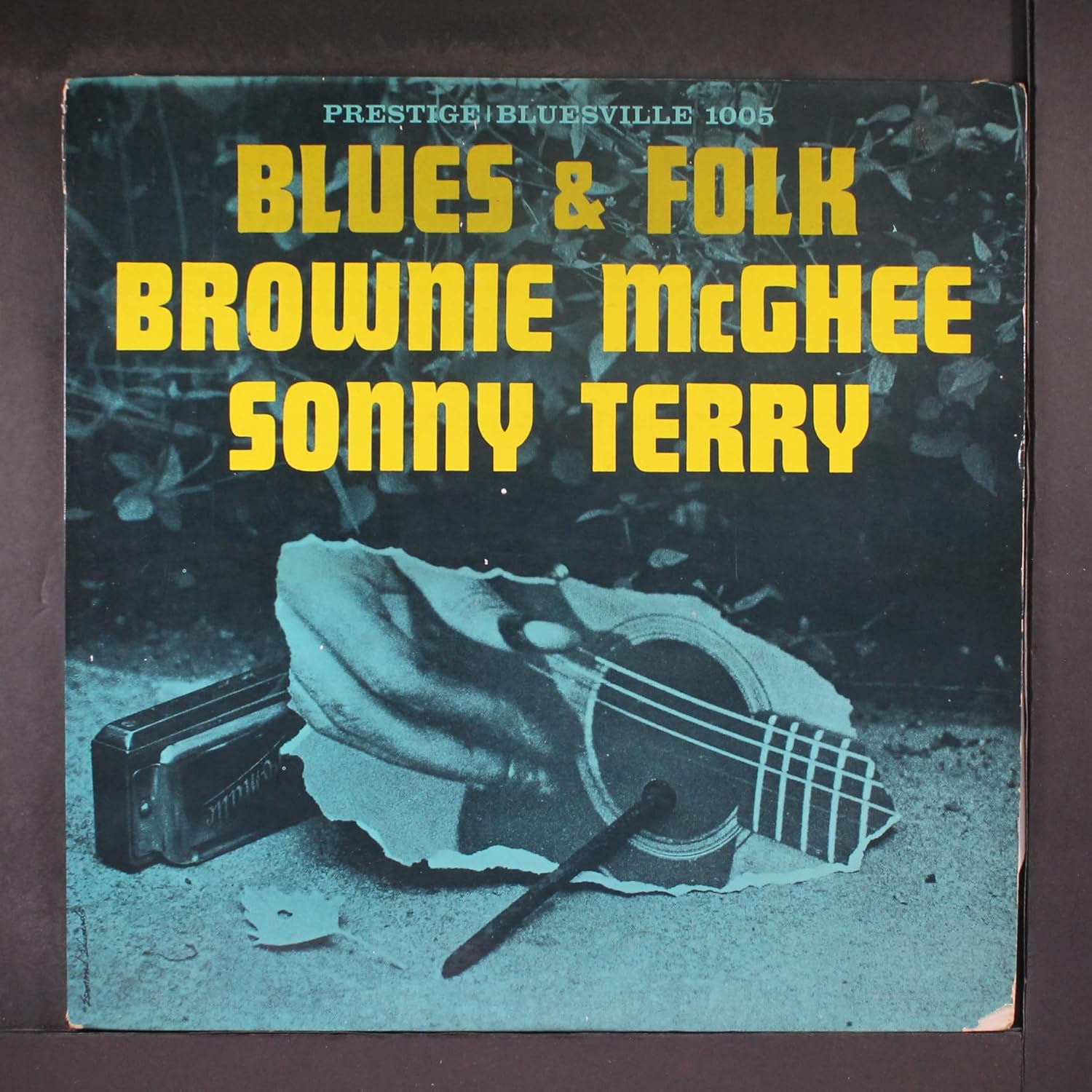 Blues & Folk (BVLP 1005, 1960) – Featuring "Sonny's Squall," "Midnight Special," and "Take This Hammer Whup."
-
Blues All Around My Head (BVLP 1020, 1961)
-
Brownie McGhee & Sonny Terry at the 2nd Fret (BVLP 1058, 1962) – A live recording.
McGhee later reflected on their musical relationship: "From the time we got together and started working I found that I could not tell him what to do. I had to play with him what he played, and he played behind me what I played... I won't never find another harmonica player like Sonny, because there is no more like him. Sonny was the one and only."
Lonnie Johnson
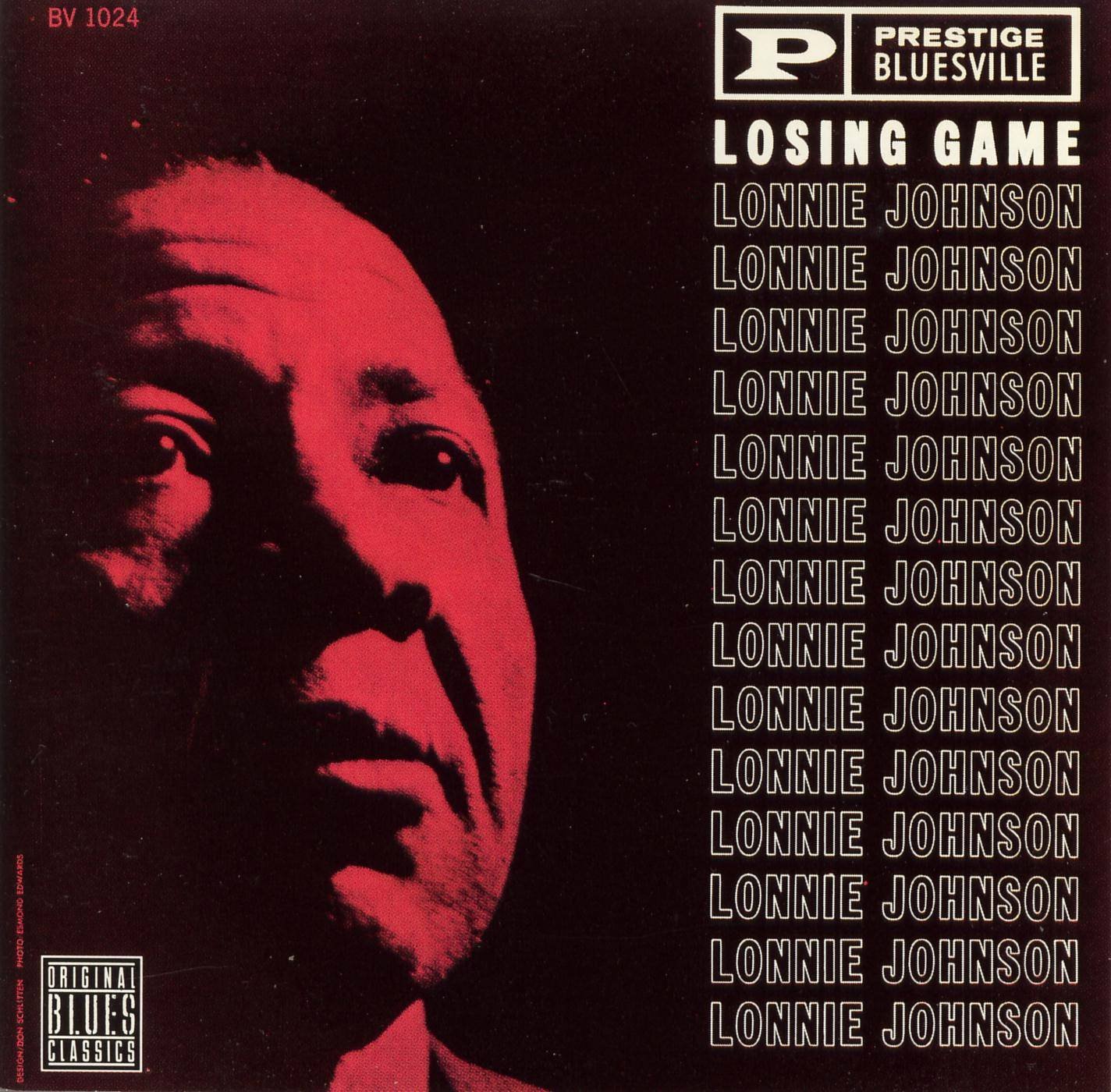
Lonnie Johnson (1899–1970), the pioneering guitarist and vocalist who had been recording since the 1920s, made several important albums for Bluesville:
-
 Blues by Lonnie Johnson (BVLP 1007, 1960) – Including "Don't Ever Love," "No Love for Sale," and "She-Devil."
-
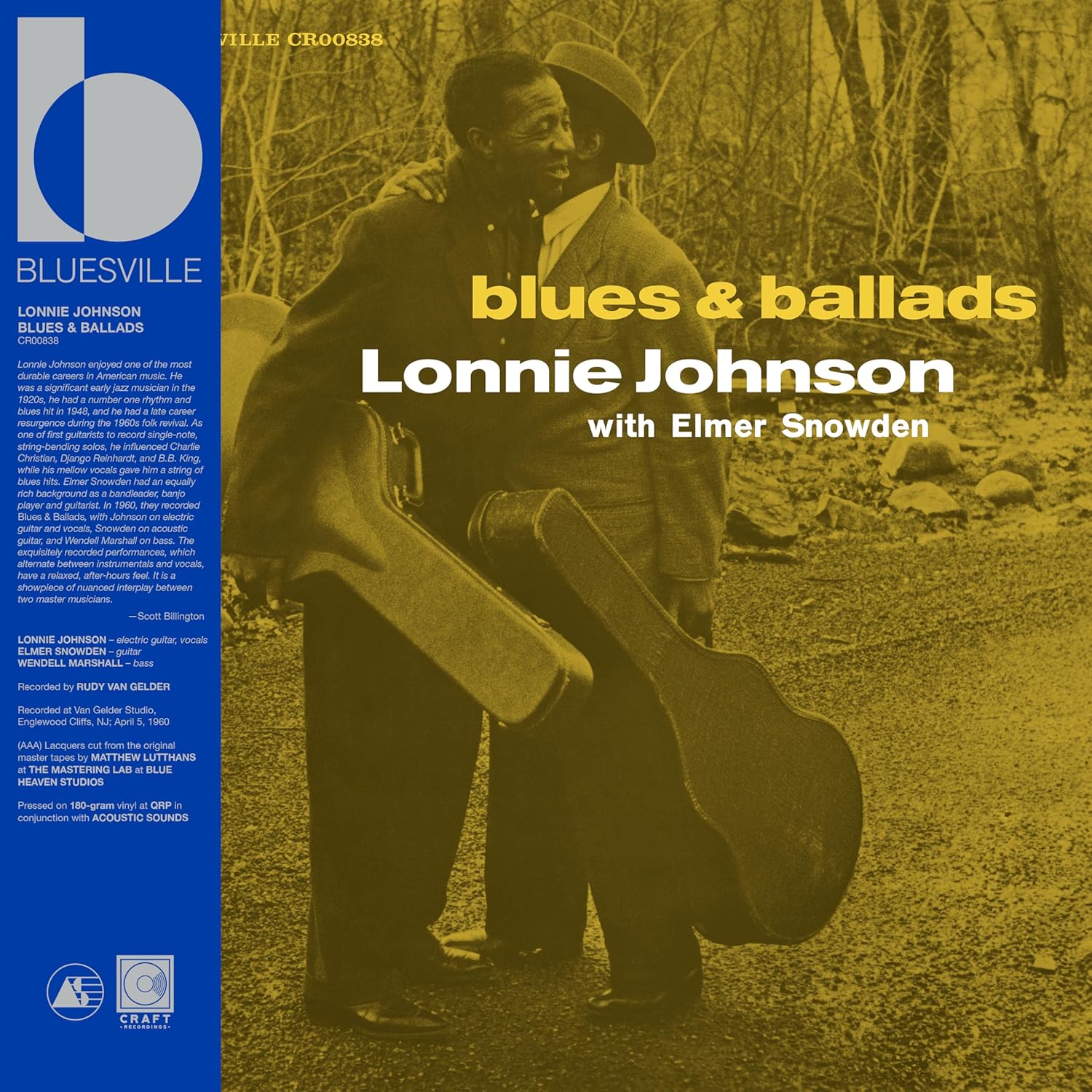 Blues and Ballads (BVLP 1011, 1961) – Featuring "Haunted House," "Memories of You," and "St. Louis Blues."
-
Another Night To Cry (BVLP 1062, 1963)
Memphis Slim
Memphis Slim (1915–1988), the great blues pianist, recorded extensively for Bluesville:
-
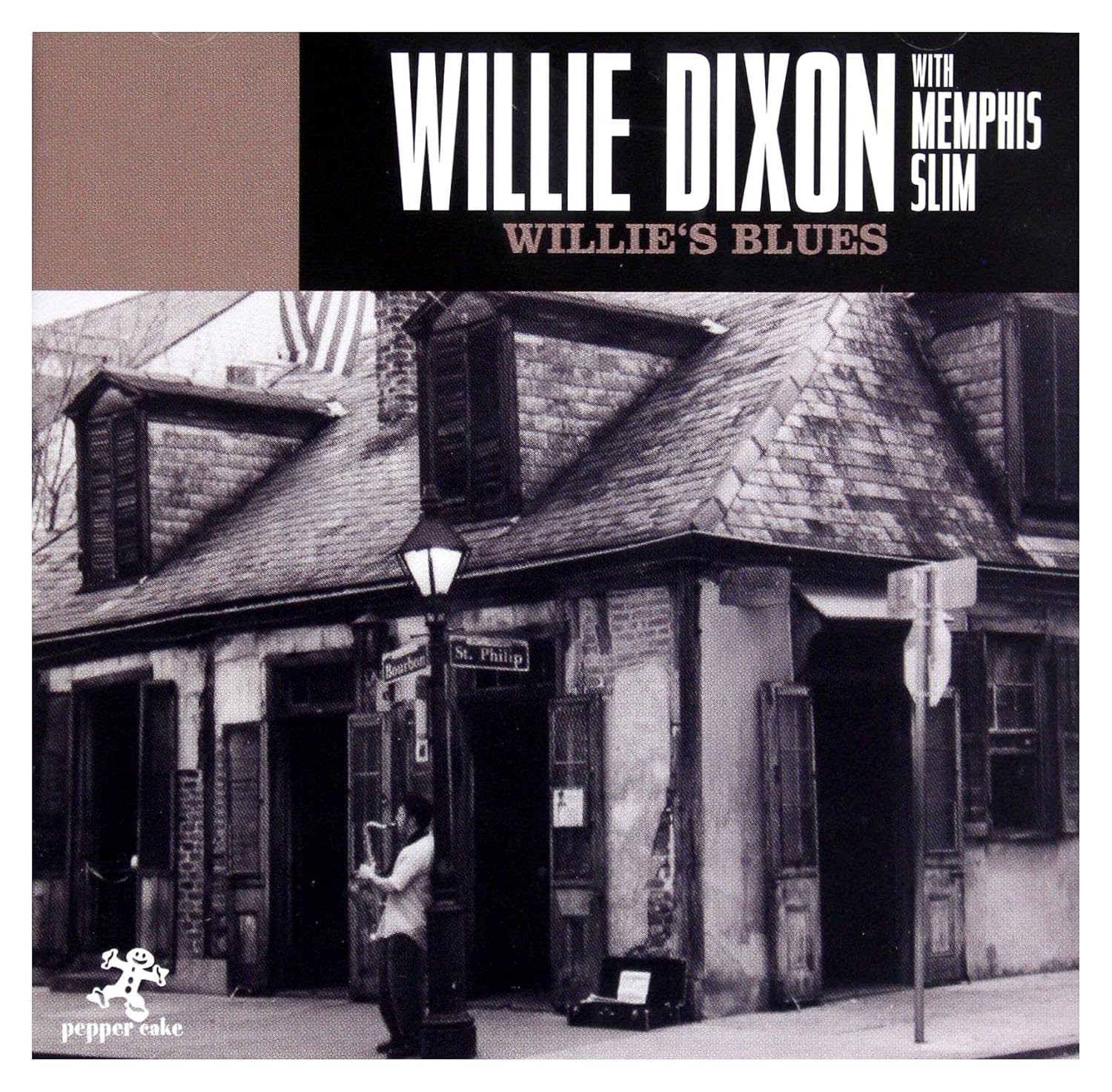 Willie's Blues (BVLP 1003, 1960) – A collaboration with Willie Dixon on vocals, with Memphis Slim on piano. Tracks included "Nervous," "Good Understanding," and "Built For Comfort."
-
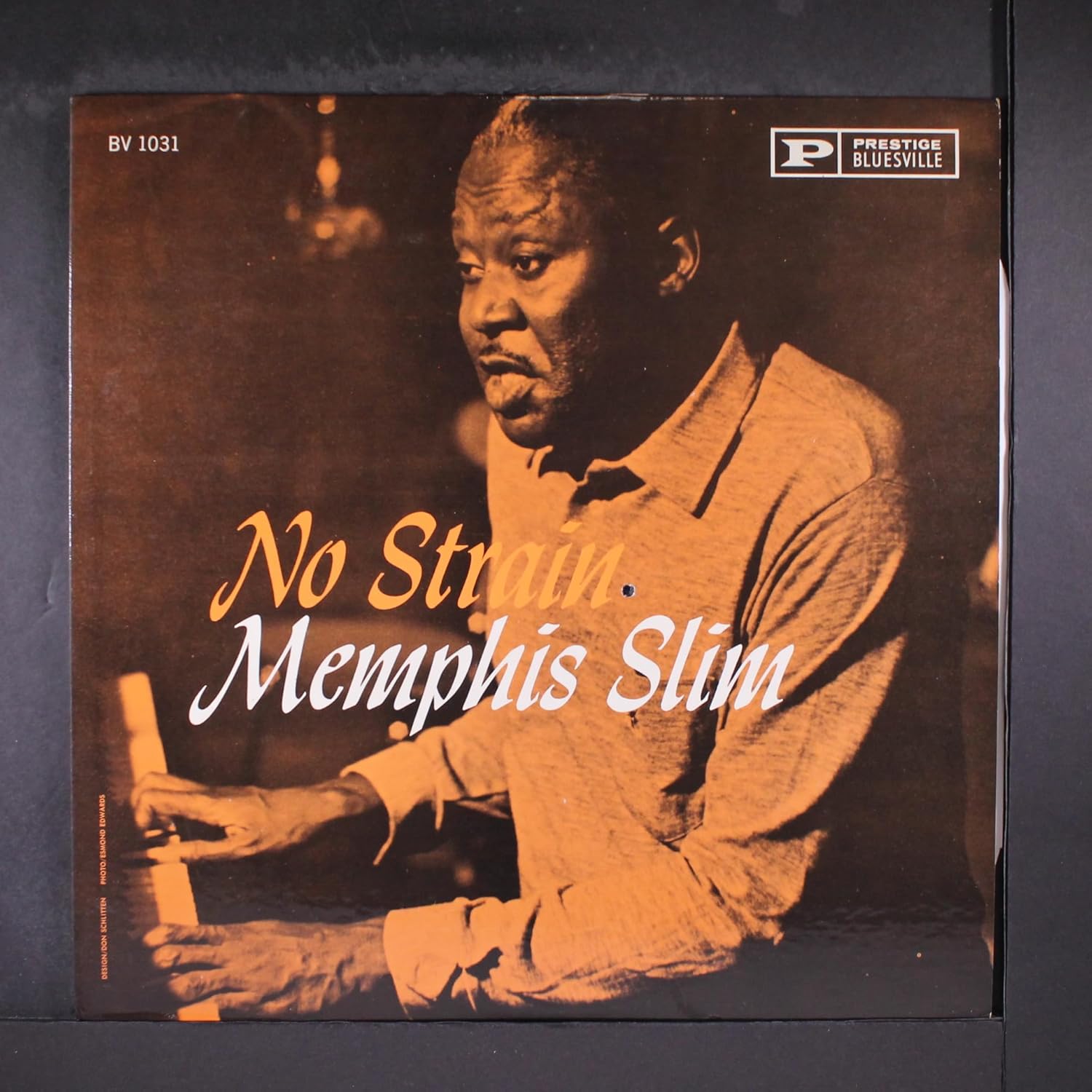 No Strain (BVLP 1031, 1961)
-
 All Kinds of Blues (BVLP 1053, 1963) – Featuring "Blues Is Troubles," "Grinder Man Blues," and "Mother Earth."
-
Bawdy Blues (BVLP 1055, 1963) – A various artists compilation featuring Memphis Slim on "Sweet Root Man," "Churning Man Blues," "Steady Rollin' Blues," and "If You See Kay."
Reverend Gary Davis
Blind Gary Davis (1896–1972), the ordained minister and master of the Piedmont blues guitar style, made one of Bluesville's most celebrated albums:
-
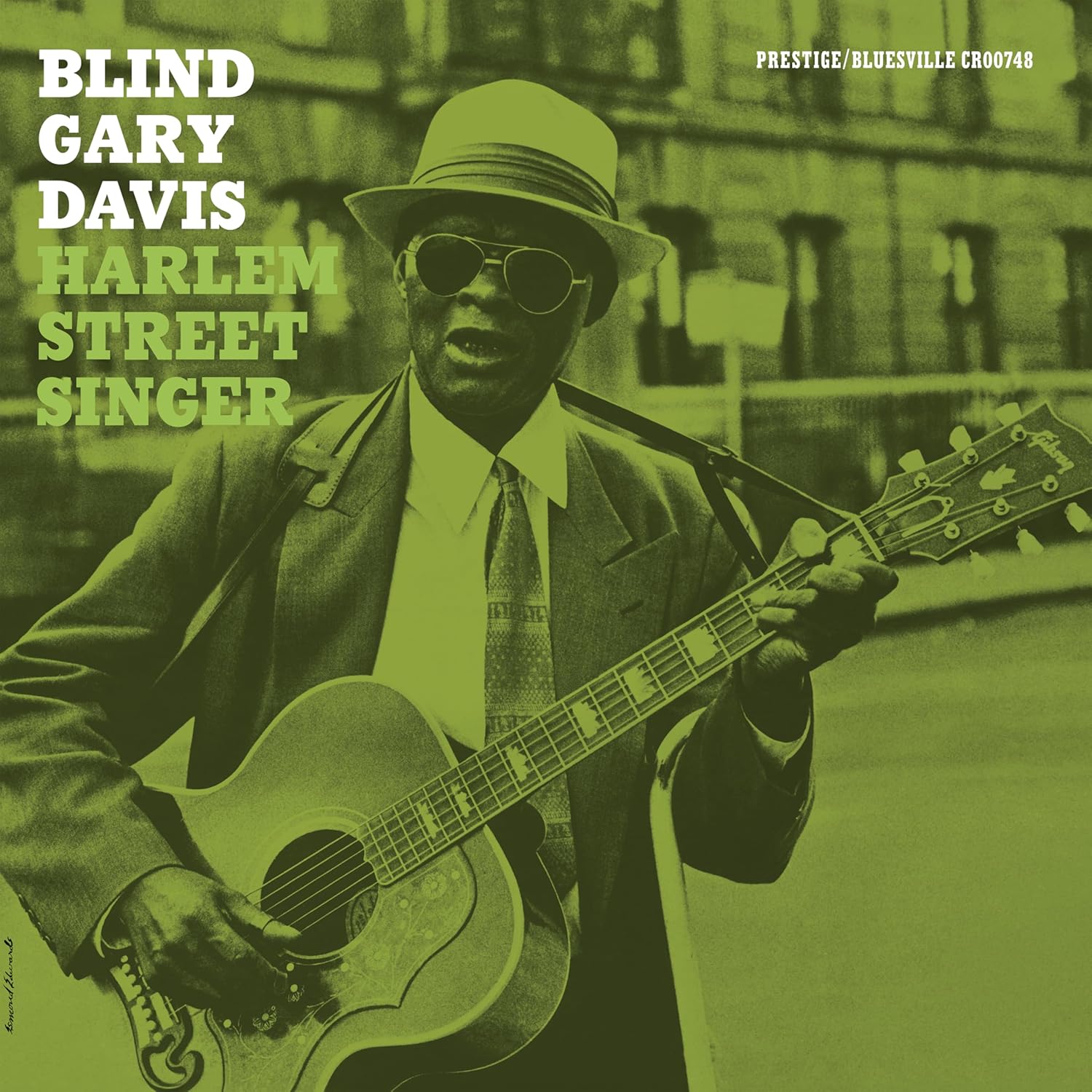 Harlem Street Singer (BVLP 1015, 1961) – Recorded August 24, 1960 at Van Gelder Studio. This solo album featured Davis's remarkable two-finger guitar style and included "Samson and Delilah," "Death Don't Have No Mercy," "Twelve Gates To The City," and "I Am The Light of This World." Davis had not been in a recording studio for 20 years before this session.
Tampa Red
Tampa Red (1904–1981), the Georgia-born guitarist and singer who had been a major star in the 1920s and 1930s, recorded for Bluesville late in his career:
-
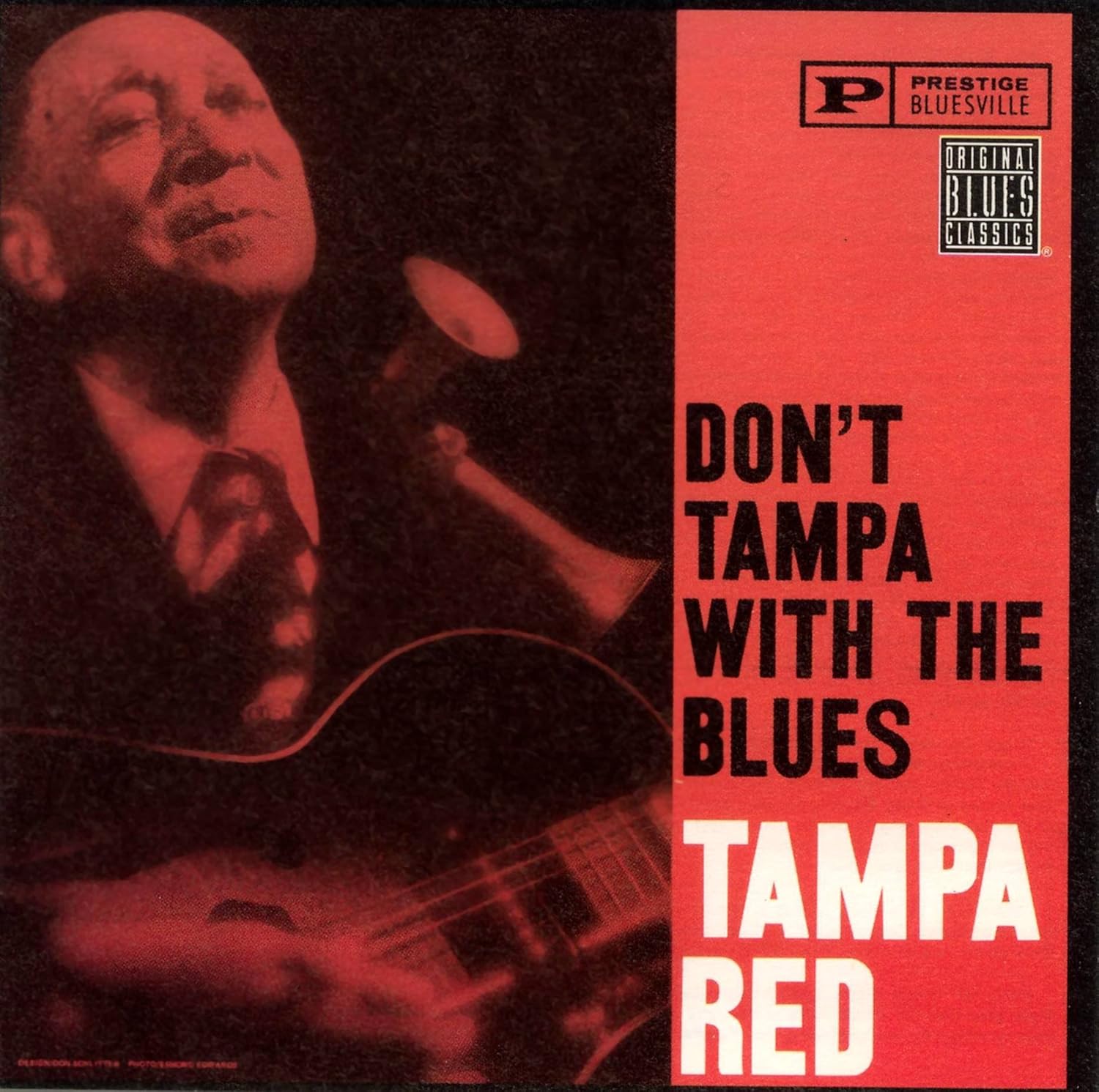 Don't Tampa with The Blues (BVLP 1030, 1961) – Featuring "I'm A Stranger Here," "Let Me Play With Your Poodle," and "It's Tight Like That."
-
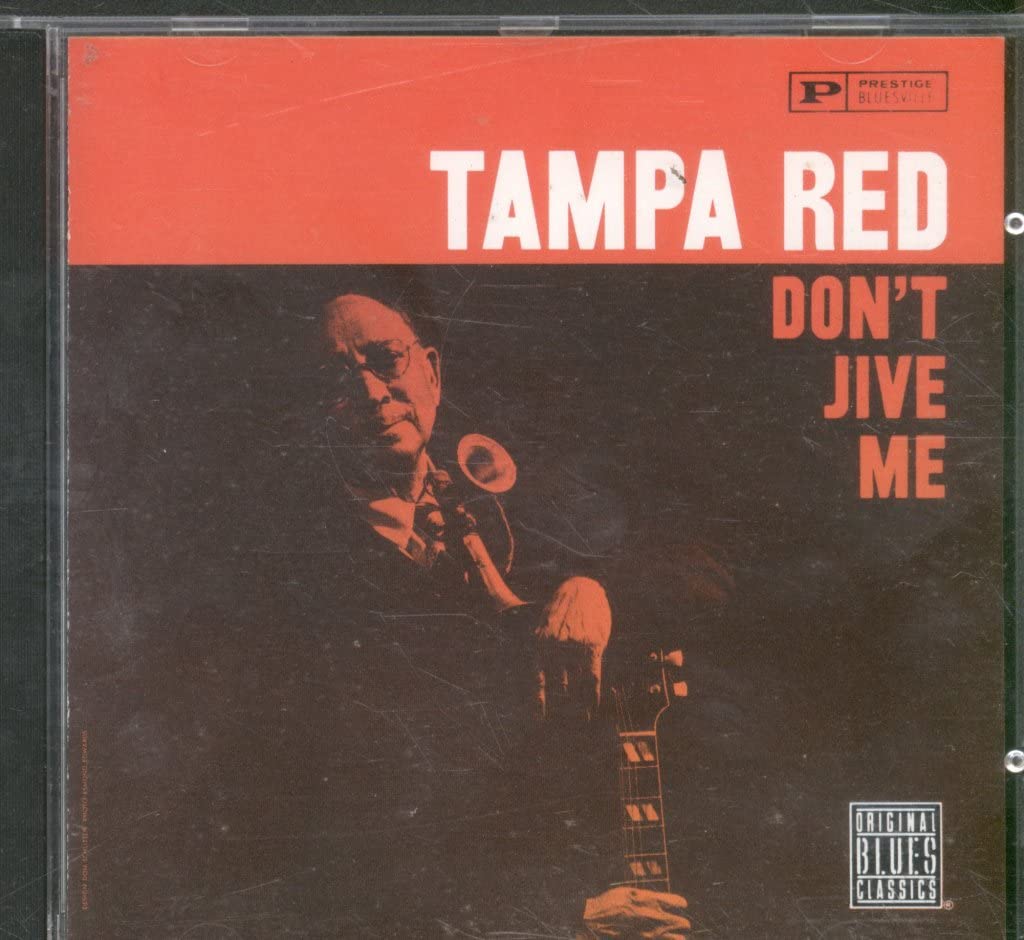 Don't Jive Me (BVLP 1043, 1962) – Recorded at Van Gelder Studio, featuring Tampa Red on vocals, guitar, and kazoo. Tracks included "How Long," "Gin Headed Woman," and "Don't You Lie To Me."
Roosevelt Sykes
Roosevelt Sykes (1906–1983), the Honeydripper himself, recorded two albums for Bluesville:
-
The Return of Roosevelt Sykes (BVLP 1006, 1960) – Including "Drivin' Wheel," "Night Time Is the Right Time," and "Hey Big Momma."
-
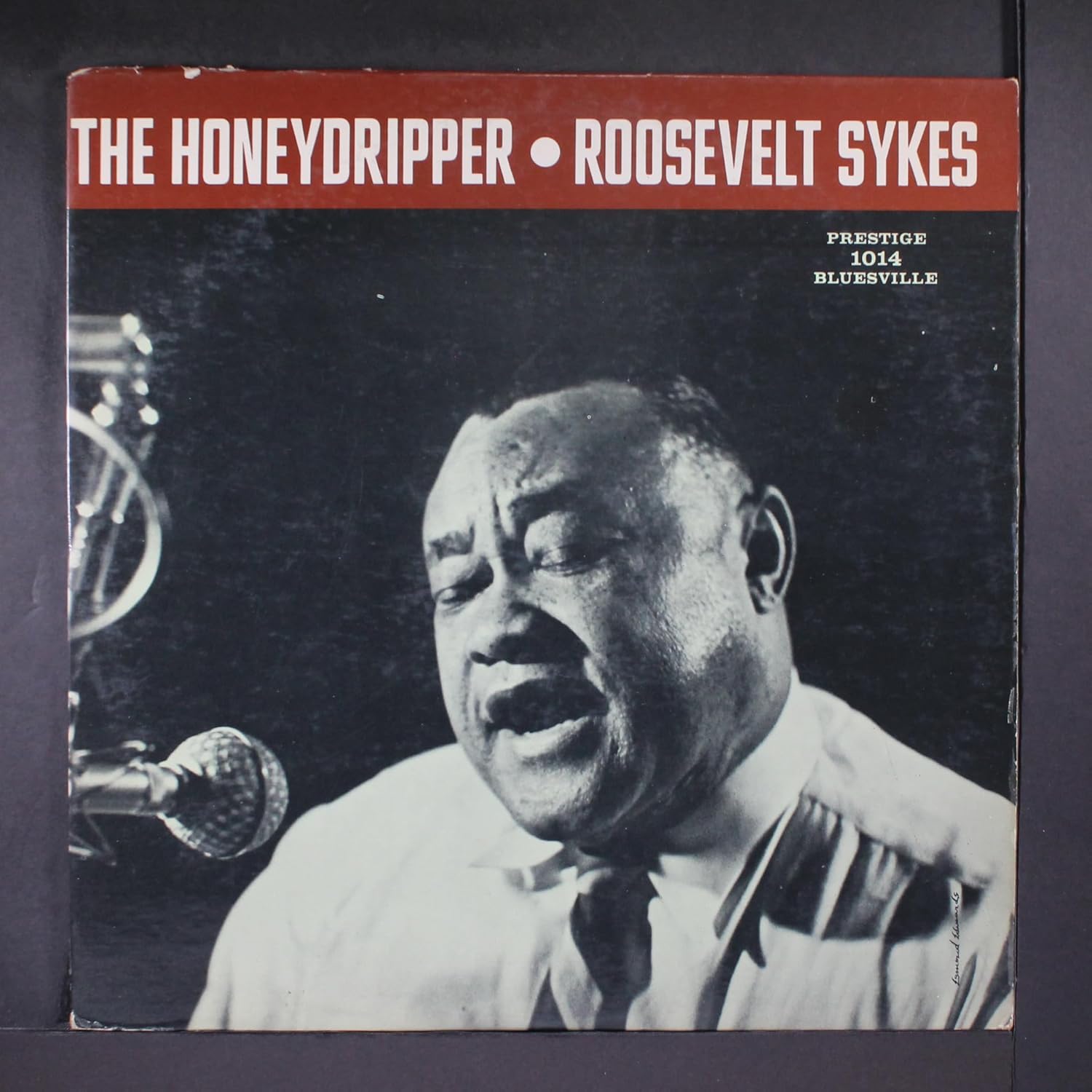 The Honeydripper (BVLP 1014, 1961) – Recorded September 14, 1960 in Englewood Cliffs, featuring Sykes on vocals and piano, with King Curtis on tenor sax, Robert Banks on organ, Leonard Gaskin on bass, and Belton Evans on drums. Tracks included "Miss Ida B." and "Satellite Baby." For more information see The Honeydripper by Roosevelt Sykes
Other Notable Artists
Bluesville's catalog was remarkably diverse, including:
-
Al Smith – Hear My Blues (BVLP 1001, 1959/1960), featuring Eddie "Lockjaw" Davis on sax, Shirley Scott on organ, Wendell Marshall on bass, and Arthur Edgehill on drums.
-
Shakey Jake – Good Times (BVLP 1008, 1960), with Jack McDuff on organ and Bill Jennings on guitar; and Mouth Harp Blues (BVLP 1027, 1961).
-
Little Brother Montgomery – Tasty Blues (BVLP 1012, 1961)
-
Robert Pete Williams – Free Again (BVLP 1026, 1961)
-
St. Louis Jimmy – Goin' Down Slow (BVLP 1028, 1961)
-
Big Joe Williams – Blues For 9 Strings (BVLP 1056, 1962) and Studio Blues (BVLP 1083, 1964)
-
Pink Anderson – Ballad and Folksinger, Volume 3 (BVLP 1071, 1963)
-
Lucille Hegamin, Alberta Hunter & Victoria Spivey – Songs We Taught Your Mother (BVLP 1052, 1962), a remarkable gathering of three pioneering female blues artists.
-
Victoria Spivey with Lonnie Johnson – Woman Blues! (BVLP 1054, 1963)
-
J.T. Adams and Shirley Griffith – Indiana Ave. Blues (BVLP 1077, 1964)
-
Sonny Terry – Sonny's Story (BVLP 1025, 1961) and Sonny Is King (BVLP 1059, 1963)
-
Arbee Stidham, Curtis Jones, K.C. Douglas, Wade Walton, Baby Tate, Alec Seward, Pete Franklin, and many others.
The Label's Evolution and Closure
The original Bluesville label used different label designs over its existence. Early releases featured a distinctive label design, while from 1964 to 1971, a "trident" label was in use. The label's numbering system jumped from BVLP 1031 to BVLP 1052, suggesting some planned releases that never materialized or were issued on other Prestige subsidiaries.
Some releases later appeared on the OBC (Original Blues Classics) label, a Prestige subsidiary that reissued blues material in the 1980s and 1990s. The complete Bluesville recordings of Lightnin' Hopkins were compiled into a 7-CD set, The Complete Prestige/Bluesville Recordings, and a 3-CD set was also issued.
The original Bluesville imprint eventually went dormant, though the exact date of its final release is unclear. The label's catalog became part of the larger Prestige/Fantasy catalog, which would eventually be acquired by Concord Music Group.
The Relaunched Bluesville Records (2024–Present)
Acquisition and Revival
Over the past decade, Concord Music Group (through its Craft Recordings imprint) acquired some of the most significant blues labels of the 20th century, including Bluesville, Fantasy, Hightone, Ric/Ron, Riverside, Rounder, Savoy, Specialty, Stax, Telarc, Testament, Trix, Vanguard, and Vee-Jay. This created a catalog of tens of thousands of tracks—a treasure chest of American blues.
In 2024, Concord/Craft Recordings relaunched Bluesville Records as a curated reissue label, bringing in Scott Billington to oversee the project. Billington was the former Vice President of A&R at Rounder Records, where he had produced Grammy Award-winning albums by Clarence "Gatemouth" Brown and Irma Thomas, earning eleven Grammy nominations and three awards. As a writer, his work has appeared in The Oxford American, Yankee magazine, and The Boston Globe, and he has written liner notes for hundreds of albums. His memoir, Making Tracks: A Record Producer's Southern Roots Music Journey, was published in 2022.
The Reissue Philosophy
The relaunched Bluesville focuses on "honoring the roots of American blues, spotlighting the trailblazing musicians who shaped the genre through carefully curated reissues drawn from the catalogs of such legendary labels as Stax, Prestige, Vee-Jay, Vanguard, Rounder and Riverside."
The reissues are meticulously produced:
-
All-analog mastering from original master tapes by Grammy-nominated engineer Matthew Lutthans at The Mastering Lab
-
180-gram vinyl pressed at Quality Record Pressings (QRP)
-
Faithfully reproduced tip-on jackets
-
Custom obi strips with new liner notes by Scott Billington
-
Available in both vinyl and hi-res digital formats
Key Reissues
The relaunched Bluesville has released or announced titles including:
-
John Lee Hooker – Burning Hell (1964, originally Riverside Records) – The inaugural release, an acoustic album originally issued only in the U.K.
-
Skip James – Today! (1966, originally Vanguard Records) – The album that placed the Mississippi guitarist at the center of the folk-blues revival.
-
John Lee Hooker – That's My Story (1960, originally Riverside Records) – Featuring bassist Sam Jones and drummer Louis Hayes.
-
Lightnin' Hopkins – Blues in My Bottle (1961, originally Bluesville) – Produced by Mack McCormick and Kenneth S. Goldstein.
-
Lightnin' Hopkins – Last Night Blues (with Sonny Terry, originally Bluesville)
-
Lonnie Johnson – Blues & Ballads (1960, originally Bluesville)
-
Mississippi John Hurt – Today! (1966, originally Vanguard)
-
Albert King – I'll Play The Blues For You
-
Eddie Kirkland – It's The Blues Man!
-
Blind Gary Davis – Titles announced for future release
The label also extends its mission through curated playlists, in-depth editorial content, and dedicated social media channels.
Legacy and Significance
Bluesville Records, in both its original and relaunched incarnations, represents a crucial thread in the story of American blues documentation. The original label played a pivotal role in the 1960s folk-blues revival, bringing together disparate threads of the blues tradition—Delta blues, Piedmont blues, Chicago blues, Texas blues, and gospel-influenced blues—and presenting them to a new, predominantly white audience that was discovering the music through the folk revival.
The label's access to Rudy Van Gelder's studio gave its recordings a sonic quality that has helped them endure. The fact that many Bluesville albums were recorded in the same space and during the same period as some of the most celebrated jazz recordings in history gives them a place in the broader story of American music documentation.
The relaunched Bluesville, by drawing from multiple legendary catalogs and applying modern audiophile standards to reissue production, ensures that this legacy continues. As Scott Billington noted, the goal is to present these foundational recordings to new listeners while honoring the artists' immeasurable impact on modern music.
For collectors and blues enthusiasts, Bluesville Records remains a touchstone—a label that treated blues as art, documented masters at work, and created a body of work that continues to reveal itself to new generations of listeners.