
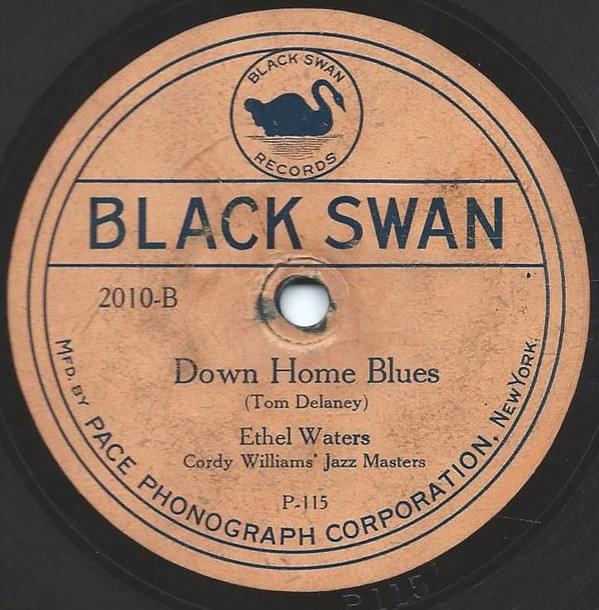
“Down Home Blues” is a 1921 classic blues recording by Ethel Waters, one of the earliest and most important sides by a Black female vocalist in the commercial blues boom that followed Mamie Smith’s “Crazy Blues.” It was released on Black Swan 2010, backed with “Oh Daddy,” and became the fledgling Black-owned label’s biggest early success.
Recording Sessions and Producer
The original version was recorded in May 1921 (some sources note March or early 1921) in New York for Black Swan Records, the first major African American-owned record label, founded by Harry Pace (formerly of Pace & Handy Music). Pace Phonograph Corporation manufactured the discs. The session is frequently described as Waters’ first (or second overall, following obscure Cardinal sides) for Black Swan and among the label’s earliest blues releases.
Exact producer credits for early acoustic-era sessions are rarely formalized in the modern sense, but Harry Pace oversaw the label’s operations and artistic direction. Fletcher Henderson, a young pianist and emerging musical director for Black Swan, provided key accompaniment and helped shape the house sound. Waters later recalled the record as an “instant sensation” in New York. Sales estimates range from over 100,000 to as high as 500,000 copies in six months—extraordinary figures that temporarily stabilized the cash-strapped label.
Waters re-recorded the song on July 28, 1925, in New York for Columbia (14093-D), issued as the B-side of “Go Back Where You Stayed Last Night” under the billing Ethel Waters and Her Ebony Four. This later version features a different, smaller group.
Songwriters
The song is credited to Tom Delaney (full name Thomas Henry Delaney, 1889–1963), an African American songwriter, pianist, and performer active in the early blues and vaudeville scenes. Delaney wrote or co-wrote a number of popular blues and novelty numbers in the 1910s–1920s, including material recorded by other early blues artists. “Down Home Blues” is one of his best-known compositions.
Detail on the songwriter: Tom Delaney worked in the same overlapping worlds of vaudeville, sheet-music publishing, and early race records that produced many of the first commercially successful blues songs. His writing style favored clear, narrative lyrics built around classic blues themes—romantic betrayal, loneliness, and the urge to return “down home” (the South)—while remaining accessible to a broad audience. Unlike the more folk-derived or heavily improvised country blues that would dominate later rural recordings, Delaney’s songs were crafted for stage and studio performance, with structured verses and a memorable refrain. “Down Home Blues” exemplifies this: the protagonist is abandoned by a lover, feels profound loneliness, and resolves to leave for Dixie rather than continue suffering. The language is direct and emotionally vivid without extreme dialect or obscenity, suiting Waters’ refined delivery. Delaney’s work helped bridge popular songwriting conventions and the emerging blues market, making material that both Black and white audiences could readily understand and that record companies could market effectively.
Musicians (1921 Black Swan Version)
The original recording is credited to Ethel Waters with Cordy Williams’ Jazz Masters. Personnel listings (drawn from discographies such as Brian Rust and reissue notes) typically include:
- Ethel Waters – vocals
- Fletcher Henderson – piano (confirmed in multiple sources; he was a central figure in Black Swan’s early sessions)
- Cordy Williams – violin
- Edgar Campbell – clarinet
- Additional brass and rhythm (accounts vary and are incomplete due to the era’s limited documentation): possible trombone (sometimes listed as Chink Johnson or George/Henry Brashear), trumpet(s), and bass/sousaphone or tuba (Ralph Escudero or similar players appear in related Black Swan sessions).
The 1925 Columbia remake features a smaller group: Horace Holmes (cornet, uncredited), Pearl Wright (piano, uncredited), and Bill Benford (tuba, uncredited), with Waters on vocals.
Musical Style and Analysis
“Down Home Blues” is a structured, urban blues ballad rather than a pure 12-bar country blues. It employs a verse-refrain form with clear narrative progression: the singer describes abandonment and heartbreak, expresses ongoing sorrow, then resolves to leave for the South (“Dixie-bound”) because she has “been mistreated” and “ain’t got no time to lose.” The refrain centers on the title phrase and the image of a departing train.
Waters’ vocal style is the defining feature. She sings with exceptional clarity of diction, controlled vibrato, and precise pitch—qualities rooted in her vaudeville and stage experience rather than the growling, shouted intensity of some contemporaneous blues shouters. The emotional content is genuine and affecting, yet delivered with restraint and elegance. This combination of refinement and feeling influenced later singers including Billie Holiday and Ella Fitzgerald.
The 1921 accompaniment by Cordy Williams’ Jazz Masters is typical of early race-record “jazz” groups: a small ensemble of violin, clarinet, piano, and brass/rhythm that provides melodic fills, light syncopation, and harmonic support without overwhelming the voice. Fletcher Henderson’s piano is tasteful and supportive. The overall texture is more arranged and “uptown” than the sparse guitar-and-voice or jug-band styles of rural blues. Tempo is moderate, allowing the lyrics and Waters’ phrasing to remain intelligible on the acoustic recording technology of the day.
In short, “Down Home Blues” stands as a foundational recording of the classic blues era: a commercially successful, artistically polished statement that helped launch both its singer and the Black Swan label while illustrating how blues material could be adapted for sophisticated urban performance and mass-market records.
Suggested Listening
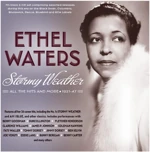 Buy from Amazon Stormy Weather: All The Hits And More 1921-47 - includes Down Home Blues and 7 other of her Black Swan releases
Other Versions
Waters herself revisited the song in 1925 for Columbia. Beyond her own recordings, the number has appeared on numerous historical compilations of early blues, race records, and Black Swan material. It is less frequently covered by later artists than some of Waters’ subsequent hits (such as “Dinah” or “Am I Blue?”), but it remains a staple of archival reissues and scholarly collections documenting the birth of recorded blues by women. Performances and transcriptions appear in blues histories and educational resources focused on the 1920s.
Legacy
“Down Home Blues” was crucial to Black Swan’s early survival and helped establish Ethel Waters as a major recording star. It demonstrated that a polished, clear-voiced Black female singer could succeed with blues material aimed at a sophisticated urban audience, distinct from the rawer “classic blues” style associated with Bessie Smith or the country blues of rural male performers. The record’s commercial impact encouraged other labels to pursue Black female vocalists and contributed to the broader “blues craze” of the early 1920s.
Waters went on to a distinguished career in popular song, Broadway (Cabin in the Sky), film, and later gospel-influenced work, becoming one of the most versatile and celebrated African American entertainers of the mid-20th century. The track is routinely cited in histories of early jazz, blues, and Black-owned enterprise in the recording industry. It also highlights Fletcher Henderson’s early role before he became a leading big-band arranger and leader.









