1. Overview
Cobra Records (1956–1959) was a short-lived but profoundly influential Chicago independent blues label. Founded by Eli Toscano, the label operated for fewer than four years yet produced some of the most important recordings in blues history. With Willie Dixon serving as its creative engine — songwriter, arranger, session organizer, and de facto A&R man — Cobra launched or significantly advanced the careers of Otis Rush, Magic Sam, and Buddy Guy. Its recordings defined the sound of West Side Chicago Blues and left an indelible mark on the British Blues Revival and global rock music.
2. Founding and Ownership
Eli Toscano
Cobra Records was founded in 1956 by Eli Toscano, an Italian-American entrepreneur based in Chicago. Toscano operated the label out of his music shop on the West Side of Chicago, which also served informally as a hub for local musicians. He had limited experience in the music industry prior to founding Cobra, and his business acumen proved to be the label's ultimate undoing.
Toscano financed the label independently and maintained full ownership throughout its existence. He had a genuine enthusiasm for the blues talent emerging from Chicago's West Side, but he was chronically disorganized with finances, often failing to pay artists their royalties or session fees on time — or at all. This mismanagement created deep resentment among his artists and contributed directly to the label's collapse.
Willie Dixon's Role
Though not an owner, Willie Dixon was the indispensable creative force behind Cobra Records. Dixon — already an established figure at Chess Records as a bassist, songwriter, and producer — moonlighted at Cobra, bringing with him an extraordinary ability to identify talent, craft songs, and organize recording sessions. His involvement gave Cobra recordings a level of professionalism and artistic depth that belied the label's small size and limited resources.
Dixon wrote or co-wrote many of Cobra's most important recordings, arranged the sessions, recruited the musicians, and coached the artists. His dual role at Chess and Cobra was an open secret in Chicago's blues community, and it was a relationship that Chess Records eventually tolerated, likely because Dixon's primary loyalties remained with Chess.
3. Recording Studios
Cobra's recordings were primarily made at Universal Recording Studios in Chicago, one of the city's premier independent studios of the era. Universal was equipped with quality recording technology for the time and was used by a wide range of Chicago artists. Some sessions were also conducted at other small Chicago facilities.
The recordings were typically captured in a straightforward, live-in-the-studio manner, with minimal overdubbing. The raw, immediate sound that resulted became a defining characteristic of the Cobra catalog.
4. The Cobra Sound: West Side Blues
Cobra Records is credited as the primary document of what became known as West Side Chicago Blues — a style distinct from the more established South Side sound of Chess/Checker Records. Where South Side blues (Muddy Waters, Howlin' Wolf, Little Walter) emphasized a rawer, more Delta-rooted approach, the West Side sound that emerged on Cobra was characterized by:
- Sophisticated, jazz-inflected guitar phrasing
- Dramatic, emotionally intense vocals
- Minor-key chord progressions giving songs a darker, more melancholic feel
- Slower tempos with greater emphasis on space and tension
- Cleaner, more sustained guitar tones compared to the grittier South Side style
This sound, pioneered on Cobra by Otis Rush and Magic Sam, would become enormously influential on a generation of rock guitarists in the 1960s and beyond.
5. Primary Artists
Otis Rush
Otis Rush (1934–2018) was Cobra's most important and celebrated artist. Born in Philadelphia, Mississippi, Rush moved to Chicago in 1948 and developed a highly distinctive left-handed guitar style — playing a right-handed guitar strung upside down — that produced a uniquely fluid, vocal quality in his playing.
Rush recorded for Cobra from 1956 to 1958, producing a body of work that stands among the finest in blues history. His Cobra recordings are marked by extraordinary emotional intensity, sophisticated minor-key arrangements, and a guitar style of remarkable expressiveness.
Key Cobra Recordings by Otis Rush:
| Catalog No. | A-Side | B-Side | Year |
|---|---|---|---|
| Cobra 5000 | I Can't Quit You Baby | Sit Down Baby | 1956 |
| Cobra 5005 | Violent Love | Loving You | 1957 |
| Cobra 5009 | Double Trouble | Keep On Loving Me Baby | 1957 |
| Cobra 5015 | Jump Sister Bessie | All Your Love (I Miss Loving) | 1958 |
| Cobra 5022 | My Love Will Never Die | Groaning the Blues | 1958 |
| Cobra 5030 | She's a Good 'Un | It Takes Time | 1958 |
"I Can't Quit You Baby" (Cobra 5000, 1956) was Rush's debut single and an immediate R&B hit, reaching #6 on the Billboard R&B chart. Written by Willie Dixon, the song showcased Rush's already fully-formed style — a slow, aching minor blues with a guitar solo of devastating emotional power. Led Zeppelin later covered the song on their debut album (1969), introducing Rush's work to a massive new audience.
"Double Trouble" (Cobra 5009, 1957) is widely considered one of the greatest blues recordings ever made. The song's slow, suspenseful arrangement, Rush's pleading vocal, and his extraordinary guitar work create an atmosphere of almost unbearable tension. Stevie Ray Vaughan named his band Double Trouble in honor of this recording and covered it throughout his career.
"All Your Love (I Miss Loving)" (Cobra 5015, 1958) became another landmark recording. Written by Rush himself (with some dispute over authorship), the song's hypnotic minor-key riff and Rush's soaring vocal were enormously influential. John Mayall's Bluesbreakers, featuring Eric Clapton, recorded a celebrated cover version in 1966 that helped spark the British Blues Revival.
Magic Sam
Magic Sam (Samuel Gene Maghett, 1937–1969) was another towering talent on Cobra Records. Born in Grenada, Mississippi, Sam moved to Chicago in 1950 and developed a style that blended West Side sophistication with a youthful energy and rhythmic drive all his own.
Sam recorded for Cobra from 1957 to 1958. His recordings display a joyful exuberance that contrasted with Rush's brooding intensity, yet were equally sophisticated harmonically and guitaristically.
Key Cobra Recordings by Magic Sam:
| Catalog No. | A-Side | B-Side | Year |
|---|---|---|---|
| Cobra 5013 | All Your Love | Love Me With a Feeling | 1957 |
| Cobra 5021 | Easy Baby | Things I Used to Do | 1957 |
| Cobra 5025 | All Night Long | 21 Days in Jail | 1957 |
| Cobra 5029 | Look Whatcha Done | I Need You So Bad | 1958 |
| Cobra 5031 | Everything Gonna Be Alright | Love Me This Way | 1958 |
"All Your Love" (Cobra 5013, 1957) — not to be confused with Rush's similarly titled recording — was Sam's debut single and an immediate statement of his talent. The song's rolling triplet guitar figure and Sam's warm, soulful vocal established his style immediately. Peter Green of Fleetwood Mac recorded an influential cover in 1968.
"Easy Baby" displayed Sam's rhythmic sophistication and his ability to blend blues with early soul and R&B influences, pointing toward the direction his music would take on his later Delmark recordings.
Buddy Guy
Buddy Guy (born 1936) recorded only a handful of sides for Cobra before the label collapsed, but his appearances in the Cobra story are significant. Guy had recently arrived in Chicago from Louisiana and was still developing the style that would make him one of the most celebrated blues guitarists of his generation.
His Cobra recordings are raw and energetic, showing a young artist of enormous natural talent still finding his voice. Guy would go on to record for Chess Records and later Vanguard, where he made his most celebrated early recordings.
Key Cobra Recordings by Buddy Guy:
| Catalog No. | A-Side | B-Side | Year |
|---|---|---|---|
| Cobra 5026 | Sit and Cry (The Blues) | Try to Quit You Baby | 1958 |
| Cobra 5034 | This Is the End | You Sure Can't Do | 1958 |
Harold Burrage
Harold Burrage (1931–1966) was a Chicago R&B singer and pianist who recorded for Cobra in a style that bridged blues and early soul. His recordings for the label are among Cobra's most commercially oriented, reflecting the label's attempts to reach a broader R&B audience alongside its core blues releases.
Key Cobra Recordings by Harold Burrage:
| Catalog No. | A-Side | B-Side | Year |
|---|---|---|---|
| Cobra 5002 | One More Dance | I Don't Know | 1956 |
| Cobra 5007 | She Knocks Me Out | Betty Jean | 1957 |
| Cobra 5017 | Got to Find My Baby | Messing with Me | 1957 |
Other Artists
Cobra also recorded a number of lesser-known artists, including:
- Ike Turner — recorded some sides for the label, though his primary affiliations lay elsewhere
- The Clouds — a vocal group reflecting Cobra's occasional forays into doo-wop and vocal R&B
- Betty Everett — the future soul star made early recordings for Cobra before achieving fame elsewhere
6. Session Musicians
The core group of session musicians who appeared on Cobra recordings were drawn primarily from Chicago's West Side blues community. Key personnel included:
| Musician | Instrument | Notes |
|---|---|---|
| Willie Dixon | Bass, Arrangements | Primary creative force; wrote and arranged most key sessions |
| Harold Ashby | Tenor Saxophone | Added jazz-inflected horn arrangements |
| Lafayette Leake | Piano | Chess/Cobra session regular; sophisticated jazz-blues piano style |
| Wayne Bennett | Guitar | Appeared on select sessions |
| Fred Below | Drums | Veteran Chicago blues drummer; Chess Records regular |
| Odie Payne | Drums | Appeared on numerous Cobra sessions |
| Robert Jr. Lockwood | Guitar | Occasional session appearances |
| Little Brother Montgomery | Piano | Veteran Chicago pianist on select dates |
| Jody Williams | Guitar | Appeared on key Cobra sessions, notably with Magic Sam |
| Matt Murphy | Guitar | Appeared on select sessions |
7. The Catalog: Cobra 5000 Series
Cobra's releases were issued in a single numerical series beginning at 5000. The label released approximately 35 singles during its operational period from 1956 to 1959. The catalog is notable for its consistency — even the lesser-known releases maintain a high level of musicianship and production quality relative to many independent blues labels of the era.
The full catalog ran from Cobra 5000 (Otis Rush's debut, 1956) through approximately Cobra 5035 before the label ceased operations. Some late catalog numbers may have been assigned but never released due to the label's collapse.
8. Commercial Performance
Cobra achieved meaningful chart success for an independent label of its size and resources:
- "I Can't Quit You Baby" by Otis Rush — #6 Billboard R&B (1956)
- "All Your Love" by Magic Sam — regional success and strong sales in Chicago
- "Double Trouble" by Otis Rush — charted and received significant airplay
Despite these successes, Toscano's financial mismanagement meant that neither the label nor its artists benefited fully from the commercial returns. Royalty payments were irregular or nonexistent, pressing and distribution deals were poorly negotiated, and the label operated in a state of perpetual financial crisis.
9. The Collapse (1958–1959)
By 1958, Cobra Records was in serious financial difficulty. Toscano's inability to manage the business had created a cascade of problems:
- Unpaid artists — Rush, Sam, and others were owed significant back royalties
- Unpaid pressing bills — manufacturers were refusing to press new records without payment
- Distribution failures — records were not reaching stores reliably
- Loss of key talent — artists began looking for opportunities elsewhere
Otis Rush left Cobra and signed with Chess Records subsidiary ** Chess/Checker** in 1958. Magic Sam was drafted into the U.S. Army in 1959. Buddy Guy, having recorded only a handful of sides, moved on before establishing himself elsewhere.
Eli Toscano died in 1959, and with his death, Cobra Records ceased to exist as an operating entity. The label had lasted fewer than four years.
10. Post-Collapse: Catalog Ownership and Reissues
The fate of the Cobra catalog after Toscano's death was complicated and passed through several hands over the decades.
Immediate Aftermath
Following Toscano's death, the Cobra masters entered a period of legal and commercial uncertainty. The original tapes and rights were eventually acquired by various parties over the following years.
Paula/Jewel Records
The Louisiana-based Paula/Jewel Records group acquired rights to portions of the Cobra catalog and issued recompilations in the 1960s and 1970s, making the recordings available to a new generation of listeners during the blues revival era.
Charly Records
The UK-based Charly Records became one of the most important custodians of the Cobra legacy, issuing a series of well-received compilation albums in the 1970s and 1980s that brought the recordings to European audiences, particularly in the UK where the blues revival had created enormous demand for authentic Chicago blues material.
Evidence Records / Other Reissues
Evidence Records and other American reissue labels issued further compilations through the 1980s and 1990s, often with improved sound quality and more detailed liner notes as scholarship on the label improved.
Current Rights
The current ownership of the Cobra masters has passed through multiple corporate transactions over the decades. Various tracks have appeared on compilations issued by labels including Fuel Records, Blues Encore, and others. The complete Cobra catalog has never been issued in a fully definitive, properly licensed single-label edition, which remains a frustration for scholars and collectors.
11. Legacy and Influence
Cobra Records' influence on popular music far exceeds what its brief existence and modest commercial success might suggest.
The British Blues Revival
The Cobra recordings — particularly those of Otis Rush and Magic Sam — were avidly collected by British musicians in the early 1960s who were hungry for authentic American blues. Key covers and direct influences include:
- Eric Clapton and John Mayall's Bluesbreakers covered "All Your Love (I Miss Loving)" (1966)
- Peter Green and Fleetwood Mac covered Magic Sam's "All Your Love" (1968)
- Led Zeppelin covered "I Can't Quit You Baby" on their debut album (1969)
- Cream and other British blues-rock acts drew heavily on the Cobra sound
Stevie Ray Vaughan
Stevie Ray Vaughan's deep admiration for Otis Rush's Cobra recordings was foundational to his own style. He named his band Double Trouble after Rush's Cobra recording, covered the song throughout his career, and cited Rush as one of his primary influences. The Cobra recordings' influence on Vaughan's tone, phrasing, and emotional approach is unmistakable.
Defining West Side Blues
Cobra Records essentially defined and documented the West Side Chicago Blues style as a distinct genre. The recordings established a template — minor keys, sophisticated guitar work, emotional intensity, jazz-inflected arrangements — that influenced generations of blues and rock musicians.
Critical Reassessment
Over the decades, music critics and historians have increasingly recognized Cobra's importance. The label's recordings appear regularly on "greatest blues recordings" lists, and both Otis Rush and Magic Sam are now recognized as major figures in blues history. The Blues Foundation and the Rock and Roll Hall of Fame have acknowledged the Cobra legacy through various honors to its artists.
12. Conclusion
Cobra Records stands as one of the most remarkable stories in American music history — a tiny, financially chaotic independent label that, through the talent of its artists and the creative genius of Willie Dixon, produced a body of work of extraordinary artistic importance. In fewer than four years and approximately 35 singles, Cobra documented the birth of West Side Chicago Blues, launched the careers of Otis Rush, Magic Sam, and Buddy Guy, and created recordings that would echo through decades of blues and rock music worldwide.
That the label collapsed due to its founder's mismanagement, leaving its artists unpaid and its catalog in legal limbo, is a tragedy that mirrors too many stories in blues history. Yet the music endures — raw, sophisticated, emotionally devastating, and as powerful today as when it was recorded in Chicago more than six decades ago.
Suggested Reading
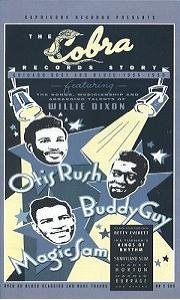
Cobra Records Story: Chicago Rock and Blues 1956-1958
Selected Discography
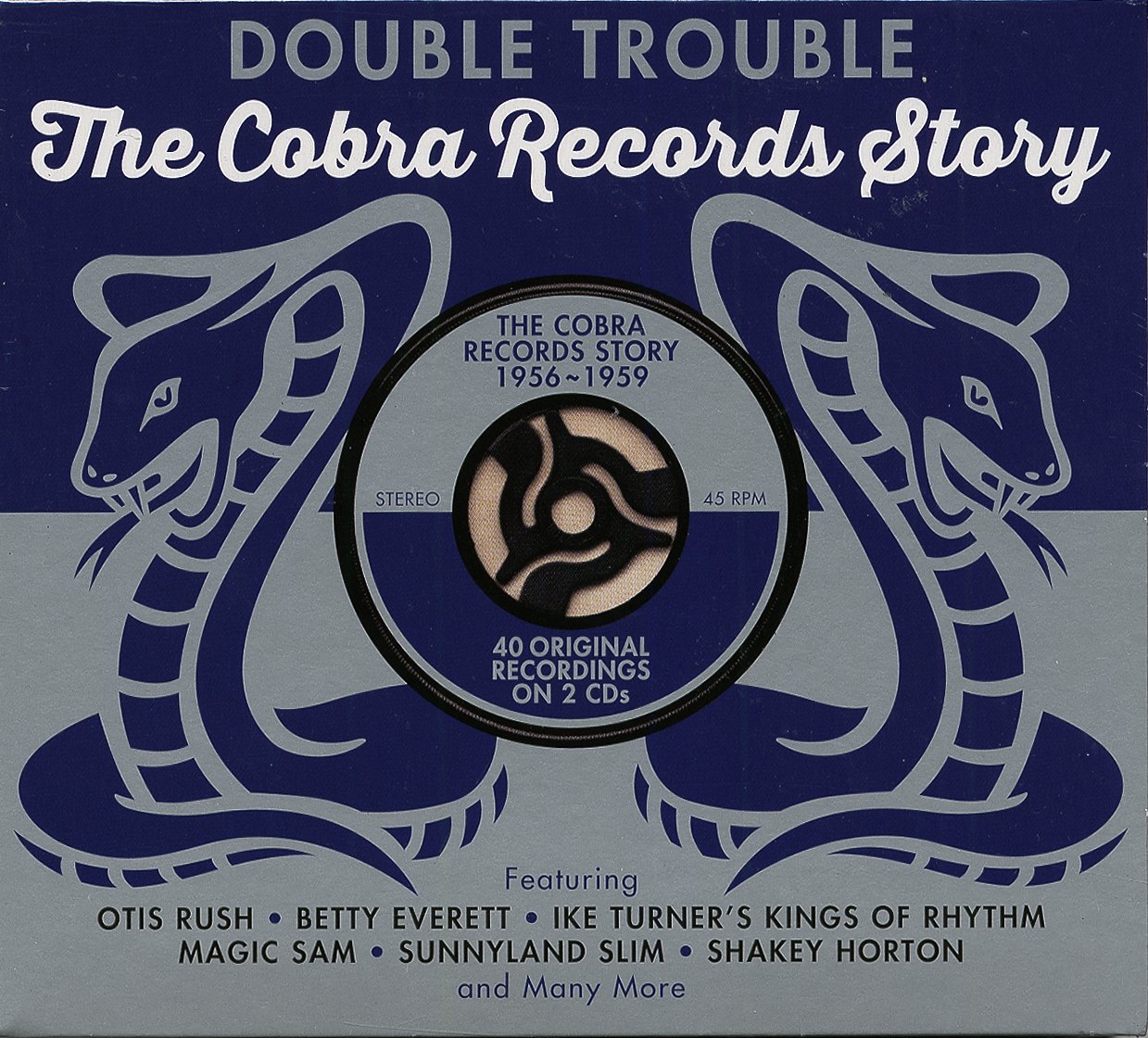
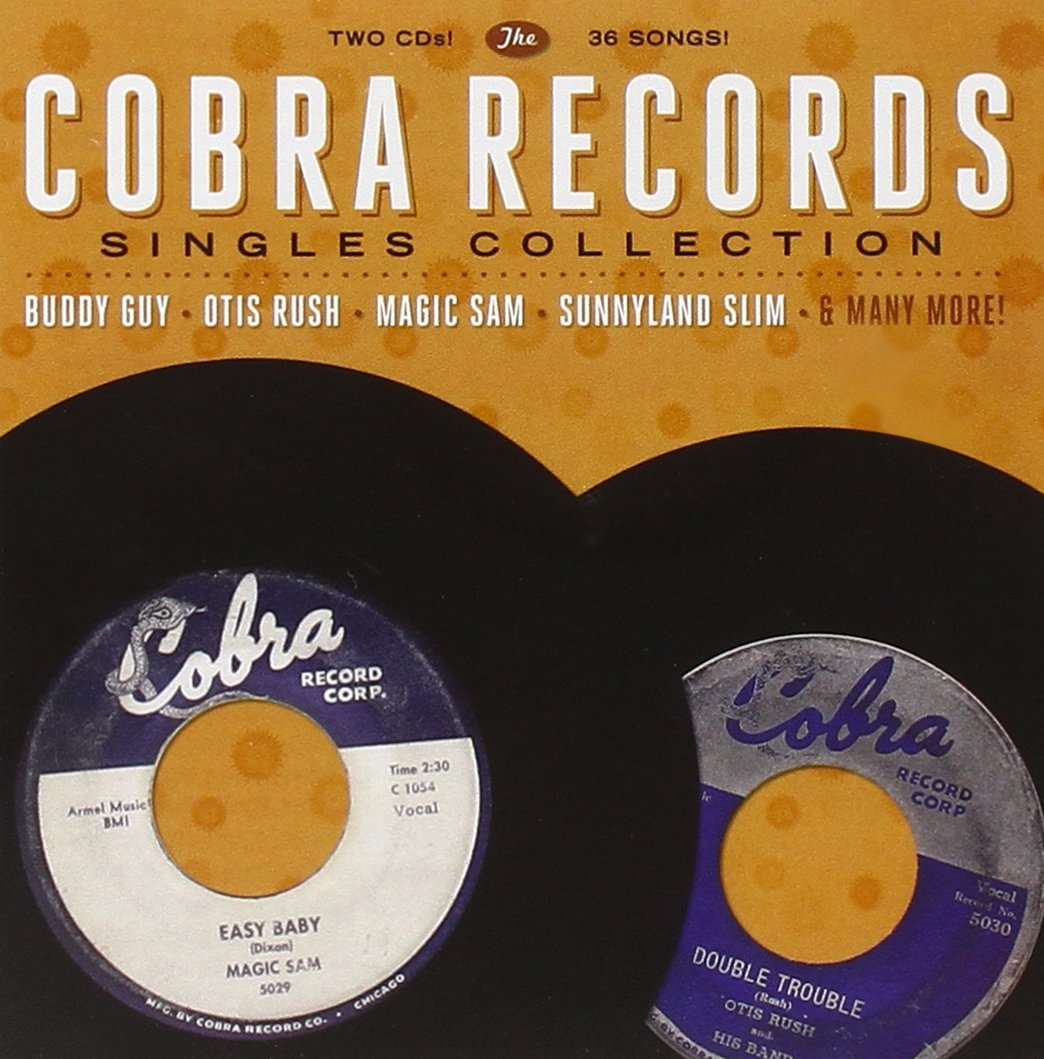
Cobra Records Singles Collection
Key reference sources include Robert Gordon's Chicago Blues, Dick Shurman's liner notes to various Cobra reissues, and the work of blues historians Mike Rowe and Jim O'Neal.