J.O.B. Records (also styled JOB or J.O.B.) was a small but historically important independent Chicago blues label founded in 1949. It specialized in postwar Southern-rooted and urban electric blues, along with some R&B and occasional gospel or other styles. Though it operated on a modest “mom-and-pop” scale with limited distribution and promotion, J.O.B. captured high-quality performances from key figures during a pivotal transitional period in Chicago blues—from down-home acoustic styles toward amplified electric ensembles. Its most active and significant years ran from late 1950 through mid-1954; activity became increasingly sporadic afterward until the label effectively ended in the mid-1970s.
Founding and Ownership
J.O.B. was established in July or August 1949 by businessman Joe Brown (1904–1976) and blues singer-songwriter James Burke “St. Louis Jimmy” Oden (1903–1977). The name is generally understood as a transposition or combination of Oden’s initials (J.B.O. → J.O.B.). Brown, born in Oklahoma of African-American and Cherokee heritage, had previously worked as a boxer and briefly run the short-lived Opera label (1947–1948). Oden, a well-known blues vocalist and composer (famous for “Goin’ Down Slow”), provided artistic credibility and early material.
Oden departed relatively early after some initial sessions (parts of which were sold to other labels such as Apollo and Regal). Joe Brown then ran the company largely alone for the rest of its life, handling production, A&R, and operations from addresses including 4008 South Ellis Avenue. He also maintained related publishing (Lawn Music, Frederick Music) and later short-lived subsidiary or parallel labels (Fury, Ruler, a revived Oriole). In 1953 there was a temporary collaboration with Chance Records. Sessions in the peak years were often held at Modern Recording Studio or Universal Recording in Chicago.
After 1954, J.O.B. functioned more as a hobby for Brown, with irregular releases drawn from stockpiled tapes or new low-budget recordings (sometimes in his basement). In 1972 Brown sold approximately 54 masters to Stan Lewis’s Jewel Records (which issued material on Paula and other imprints). The last known J.O.B. single appeared around 1973–1974. Brown died on February 7, 1976. Worldwide rights were later acquired by 43 North Broadway, LLC (2015). There was an unrelated short-lived Louisiana label of the same name in 1950.
Notable Artists and Recordings
J.O.B. is prized by collectors and historians for eliciting strong, well-recorded performances. Blues scholar Mike Rowe described many of its blues sides as “among the cream of the post-war Chicago blues.” Below are the most significant artists with specific named examples.
Eddie Boyd (piano, vocals) The label’s commercial high point came with pianist Eddie Boyd. After an initial 1951 session, Boyd returned in May 1952 and cut the classic “Five Long Years” / “Blue Coat Man” (J.O.B. 1007, released July 1952). “Five Long Years” reached No. 1 on the Billboard R&B chart and became a blues standard later covered by many artists. The track features Boyd’s piano and vocals with electric guitar (L.C. McKinley) and tenor sax. Other Boyd sides for the label include “It’s Miserable to Be Alone” and “I’m Pleading.” Boyd soon moved to Chess, where he scored further hits.
J.B. Lenoir (guitar, vocals) J.B. Lenoir recorded several important early sides for J.O.B. beginning in 1951 (sometimes billed as J.B. Lenore). Notable releases include “Let’s Roll” / “People Are Meddling (In Our Affairs)” (J.O.B. 112), “The Mountain” / “How Much More” (J.O.B. 1008), “The Mojo” (“The Mojo Boogie”) / “How Can I Leave” (J.O.B. 1012), and “I’ll Die Tryin’” / “I Want My Baby” (J.O.B. 1016). These energetic electric performances highlight his high-pitched vocals, rhythmic guitar, and socially aware lyrics. Some early material was also licensed to Chess. Lenoir later recorded for Parrot and Checker.
Snooky Pryor (harmonica, vocals) James “Snooky” Pryor was a pioneer of amplified harmonica. Early J.O.B. sides with guitarist Baby Face Leroy Foster and others include “Boogy Fool” / “Raisin’ Sand” (J.O.B. 101, circa 1949–1950), among the first commercially issued amplified harmonica blues records. Later sides include “I’m Getting Tired” / “Going Back on the Road” (J.O.B. 115) and “Cryin’ Shame.” These tracks document the shift toward louder, urban electric blues.
Sunnyland Slim (piano, vocals) Albert “Sunnyland Slim” Luandrew was a frequent presence both as leader and sideman. Key releases include “Down Home Child” / “Sunnyland Special” (J.O.B. 102), “Leaving Your Town” / “Mary Lee” (J.O.B. 1003), and “Woman Trouble.” He backed many other artists on the label and contributed to the solid, rolling piano foundation typical of early-1950s Chicago sessions.
Johnny Shines (guitar, vocals) Delta-influenced guitarist Johnny Shines recorded a strong April 1952 (or nearby) session yielding “Rambling” / “Cool Driver” (J.O.B. 116), “Fish Tail,” “Ain’t Doin’ No Good,” “Brutal Hearted Woman,” “Evening Sun,” and others. These showcase his powerful vocals and classic electric slide-guitar style in an urban setting. Robert Jr. Lockwood (Robert Johnson’s stepson) also recorded for the label around the same period (“Aw Aw Baby,” “Pearly B,” etc.).
Baby Face Leroy Foster (guitar, vocals, drums) Leroy Foster cut important early sides such as “My Head Can’t Rest Anymore” / “Take a Little Walk with Me” (J.O.B. 100) and later “Pet Rabbit” / “Louella” (J.O.B. 1002, with Sunnyland Slim). These preserve his raw, amplified down-home style shortly before his career declined.
Floyd Jones (guitar, vocals) Floyd Jones’s brooding “Dark Road” / “Big World” (J.O.B. 1001, 1951) became a regional favorite and exemplifies moody, introspective postwar Chicago blues, often with Sunnyland Slim on piano.
Other notable contributors
- Memphis Minnie recorded her final commercial session for J.O.B. in 1953.
- John Brim (“Trouble in the Morning” / “Humming Blues”), Grace Brim, Moody Jones, Alfred “Fat Man” Wallace, King Kolax, and Willie Cobbs (later material) also appeared.
- Late-period or subsidiary releases included more varied R&B, soul, and experimental tracks, but the core legacy remains the early-to-mid-1950s blues.
Suggested Listening
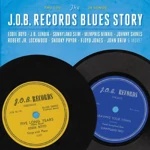 Buy from Amazon The J.O.B. Records Blues Story
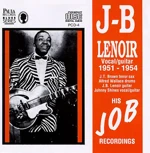 Buy from Amazon J.B. Lenoir 1951-1954 His J.o.b. Recordings
Legacy
Despite limited commercial success beyond “Five Long Years,” J.O.B. Records holds lasting value for documenting the evolution of Chicago blues at a critical moment. Many sides have been reissued on compilations such as Rough Treatment: The J.O.B. Records Story (Westside), Paula/Jewel collections, Classics chronological series, Flyright, Fuel, and others. The label stands as a vital, if under-resourced, counterpart to larger Chicago operations like Chess, preserving essential performances by artists who helped define the postwar sound.