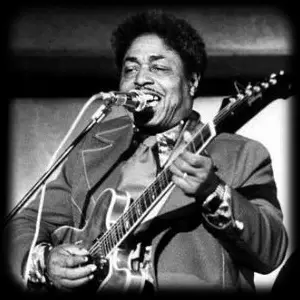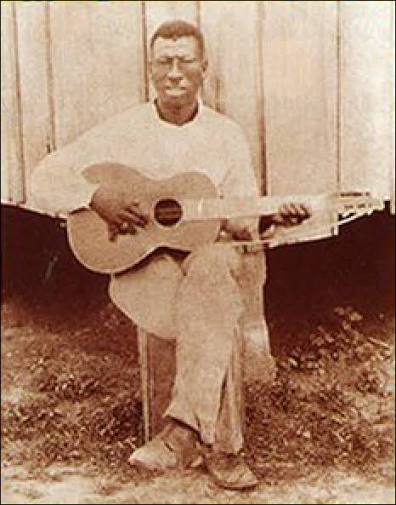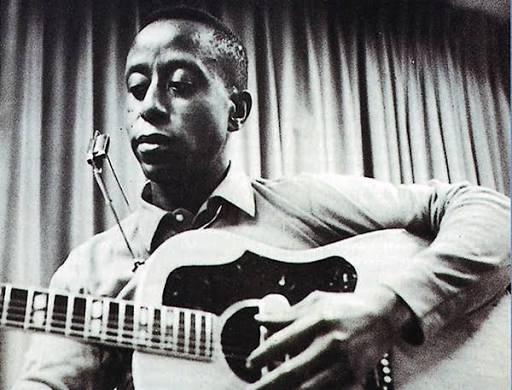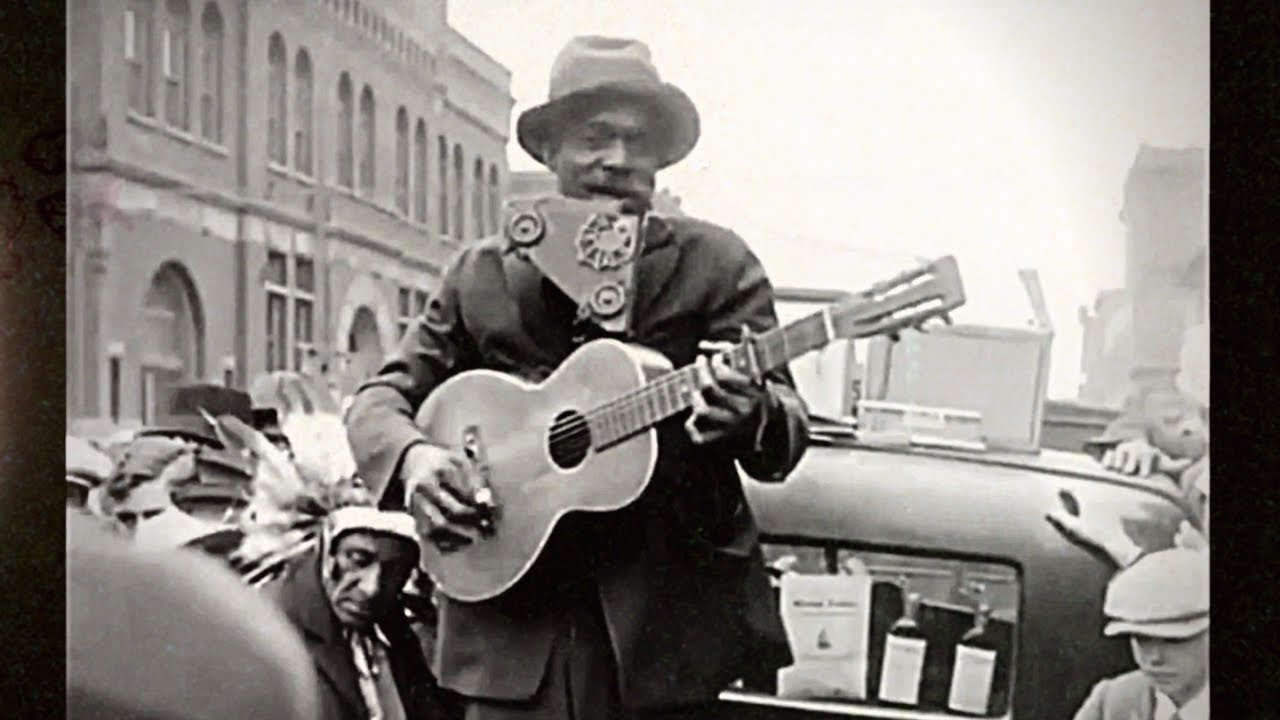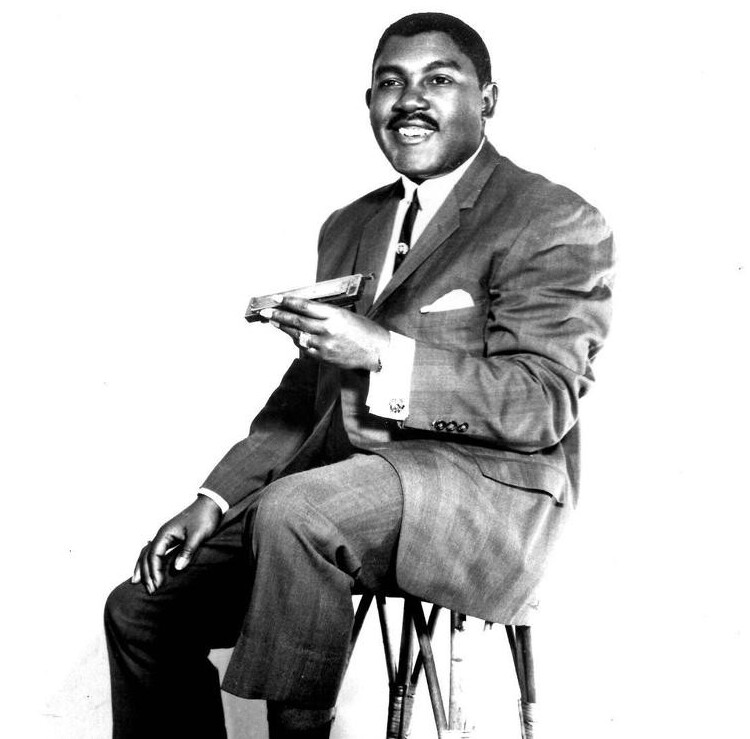
Little Junior Parker: The Velvet Voice of Memphis Blues and R&B
Early Life
Herman "Junior" Parker (also known as Little Junior Parker) was born Herman Parker Jr. on March 27, 1932, near Bobo in Coahoma County, Mississippi, on a plantation. He grew up in West Memphis, Arkansas, after moving there with his mother.
Exposed to the rich Delta blues tradition, he learned harmonica as a child and was heavily influenced by Sonny Boy Williamson II. As a teenager, he performed with Howlin' Wolf's band and later played alongside emerging talents like James Cotton and Junior Wells.
Parker formed his own group, Little Junior's Blue Flames, in 1951, featuring guitarist Pat Hare (later replaced by Floyd Murphy). His early style blended raw harmonica-driven blues with smoother vocal delivery.
Career
Parker's professional breakthrough came in 1952 when talent scout Ike Turner discovered him. Turner produced his first recordings for Modern Records, including "You're My Angel" / "Bad Women, Bad Whiskey." This led to a deal with Sam Phillips at Sun Records in Memphis.
At Sun (1953), Parker and the Blue Flames recorded key tracks that captured the transition from blues to rockabilly. He toured with Bobby "Blue" Bland and Johnny Ace, and later joined Duke Records in 1953, where he found his greatest commercial success.
On Duke, Parker developed a sophisticated "uptown" blues-soul sound—smooth, velvet vocals over tight bands with horns—contrasting his earlier downhome harmonica style. He co-headlined the successful "Blues Consolidated Revue" with Bobby Bland, dominating the chitlin' circuit throughout the 1950s and 1960s alongside peers like B.B. King and Little Milton.
He left Duke in 1966 and recorded for labels including Mercury, Minit, Blue Rock, and Capitol, adapting to soul and funk influences. His career slowed in the late 1960s but he continued performing until his death.
Musical Style
Little Junior Parker possessed one of the most distinctive and versatile voices in postwar blues and R&B. Often described as "honeyed" and "velvet-smooth", his singing blended emotional depth with sophisticated restraint. Unlike the raw, shouting Delta style of many contemporaries, Parker favored a warmer, more controlled delivery that conveyed intimacy and elegance.
Harmonica playing: Early in his career, he was a proficient harp player heavily influenced by Sonny Boy Williamson II (Rice Miller). His harmonica style was mellow and melodic rather than aggressive, complementing his vocal approach. As his career progressed, he increasingly de-emphasized harmonica in favor of vocal-focused performances.
Band and Arrangements: With Little Junior's Blue Flames (originally featuring guitarist Pat Hare, later Floyd Murphy and others), Parker developed a tight, professional small-group sound. Early Sun recordings were raw and energetic, leaning into rockabilly and upbeat blues. On Duke Records, he embraced an "uptown" blues-soul style: polished arrangements with horns, sophisticated rhythms, gospel inflections, and smooth backing vocals.
His overall approach obliterated genre boundaries, mixing:
- Delta blues roots
- Rockabilly energy
- R&B grooves
- Gospel emotion
- Country and pop accessibility
- Doo-wop harmonies
- Emerging soul elements
This hybrid sound made him a bridge between traditional blues, 1950s R&B, and the soul explosion of the 1960s. Music journalists noted that he "deserted downhome harmonica blues for uptown blues-soul music."
Key Recordings by Era
Early Recordings (Modern & Sun Records, 1952–1953)
“You’re My Angel” / “Bad Women, Bad Whiskey” (Modern Records, 1952) Produced by Ike Turner, who played piano. Matt “Guitar” Murphy provided guitar. This debut single introduced Parker’s emerging style: energetic jump blues with strong harmonica and a confident vocal. It was raw but showed promise, catching Sam Phillips’ attention and leading to the Sun deal.
“Feelin’ Good” (Sun Records, July 1953, Sun 187)
- Peak: #5 on Billboard R&B chart — Parker’s first major hit.
- A high-energy, rocking blues with infectious rhythm. Sam Phillips reportedly pushed Parker toward a simpler, more driving sound (inspired by John Lee Hooker’s boogie style).
- Features Pat Hare’s guitar work and Parker’s harmonica. The track bursts with youthful exuberance and is often cited as a direct precursor to rockabilly.
“Love My Baby” / “Mystery Train” (Sun Records, November 1953, Sun 192)
- “Love My Baby”: Fiery uptempo blues featuring Pat Hare’s driving guitar riff. This riff was famously borrowed by Scotty Moore for Elvis Presley’s version of “Mystery Train.” Parker’s vocal is urgent and passionate.
- “Mystery Train”: Parker’s most iconic recording. A haunting, mid-tempo blues with train sound effects at the start. Written/co-written by Parker, it has a mysterious, almost ominous atmosphere despite the upbeat rhythm. His smooth yet emotive delivery stands in contrast to rawer Delta styles. Elvis Presley covered it in 1955 (Sun 223), turning it into a rock & roll classic, but Parker’s original is more deeply rooted in blues. Both tracks became rockabilly standards.
These Sun sides captured Parker at his most energetic, blending Delta blues, R&B, and emerging rock elements with the Blue Flames’ tight ensemble playing.
Duke Records Peak (1953–1966)
This era showcased Parker’s shift to a smoother, “uptown” blues-soul sound with polished arrangements, horns, and sophisticated production under Don Robey.
“Mother-in-Law Blues” (Duke 157, 1956)
- A strong, storytelling blues with wry humor about domestic troubles. One of his early Duke successes, highlighting his expressive vocal phrasing and band interplay.
“Next Time You See Me” (Duke 164, 1957)
- Peak: #7 R&B (also crossed into low end of Billboard Hot 100).
- A smooth, accessible R&B track with gospel-tinged backing and elegant delivery. It marked Parker’s move toward broader commercial appeal while retaining blues credibility. Often cited as a perfect example of his velvet-smooth style.
“Stand By Me” (Duke 330, 1961)
- A soulful ballad showcasing Parker’s vocal control and emotional depth. Not to be confused with Ben E. King’s hit, this is an original with strong gospel influence and tight arrangement.
“Driving Wheel” (Duke 335, 1961)
- Peak: #5 R&B — Parker’s biggest hit.
- A powerful remake of Roosevelt Sykes’ classic. Features driving rhythm, horns, and Parker’s most commanding vocal performance. The song became a blues standard, exemplifying his mature style: confident, soul-infused, and danceable. It remains one of his most enduring tracks.
“Annie Get Your Yo-Yo” (Duke, 1962)
- Peak: #6 R&B.
- Playful, dance-oriented R&B with a catchy hook and lively saxophone solo. The B-side “Mary Jo” is also notable for its swinging groove. Demonstrates Parker’s versatility in lighter, party-oriented material.
“Sweet Home Chicago” (1960s Duke era)
- Energetic revival of the Robert Johnson standard. Parker’s version adds swing and horns, making it more accessible and uptown. It became a staple in his live sets and a blues standard.
“The Things That I Used to Do” (1963)
- Soulful reinterpretation of Guitar Slim’s hit. Parker’s smoother vocal approach gives it a more reflective, emotional quality.
Suggested Discography available on Amazon
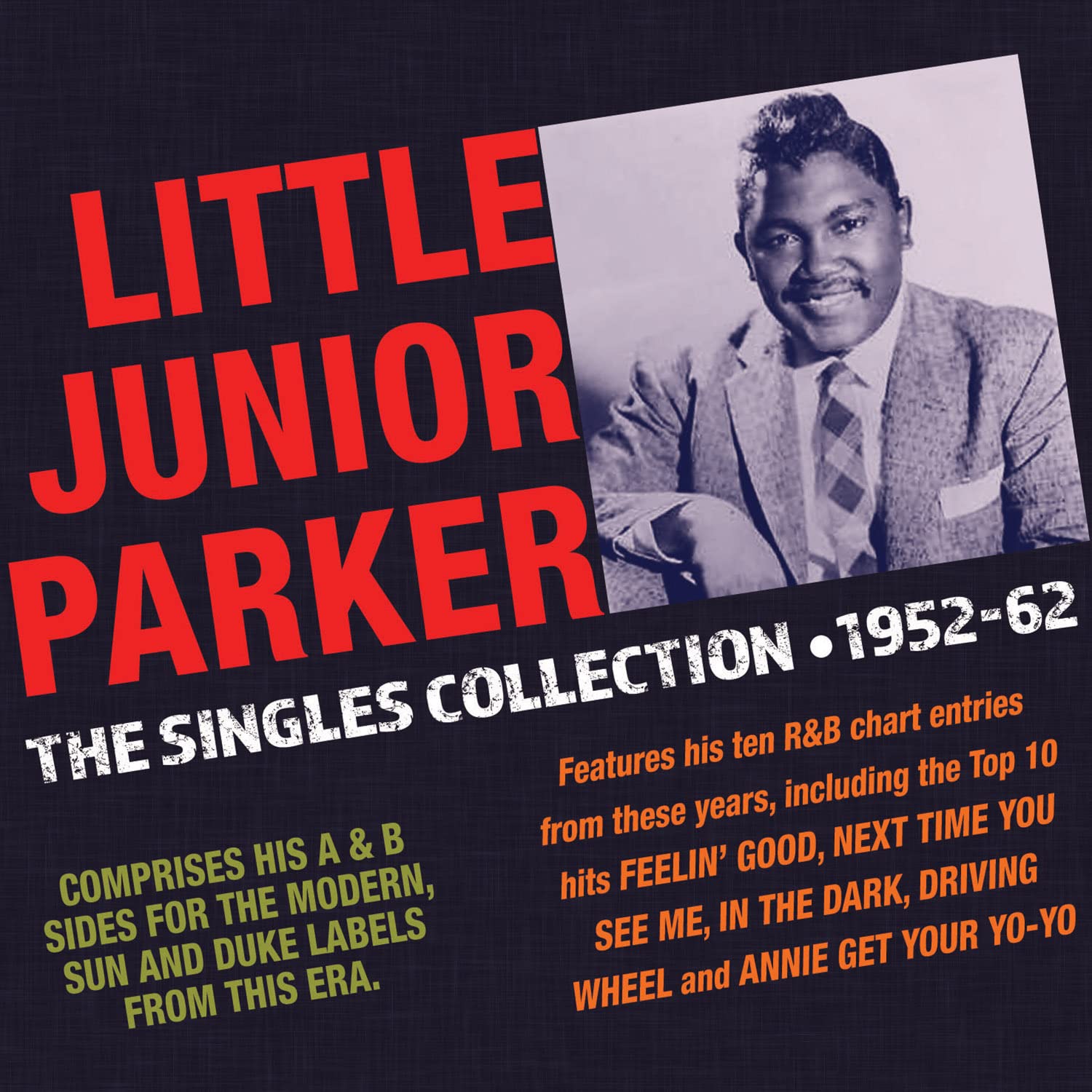 The Singles Collection 1952-62
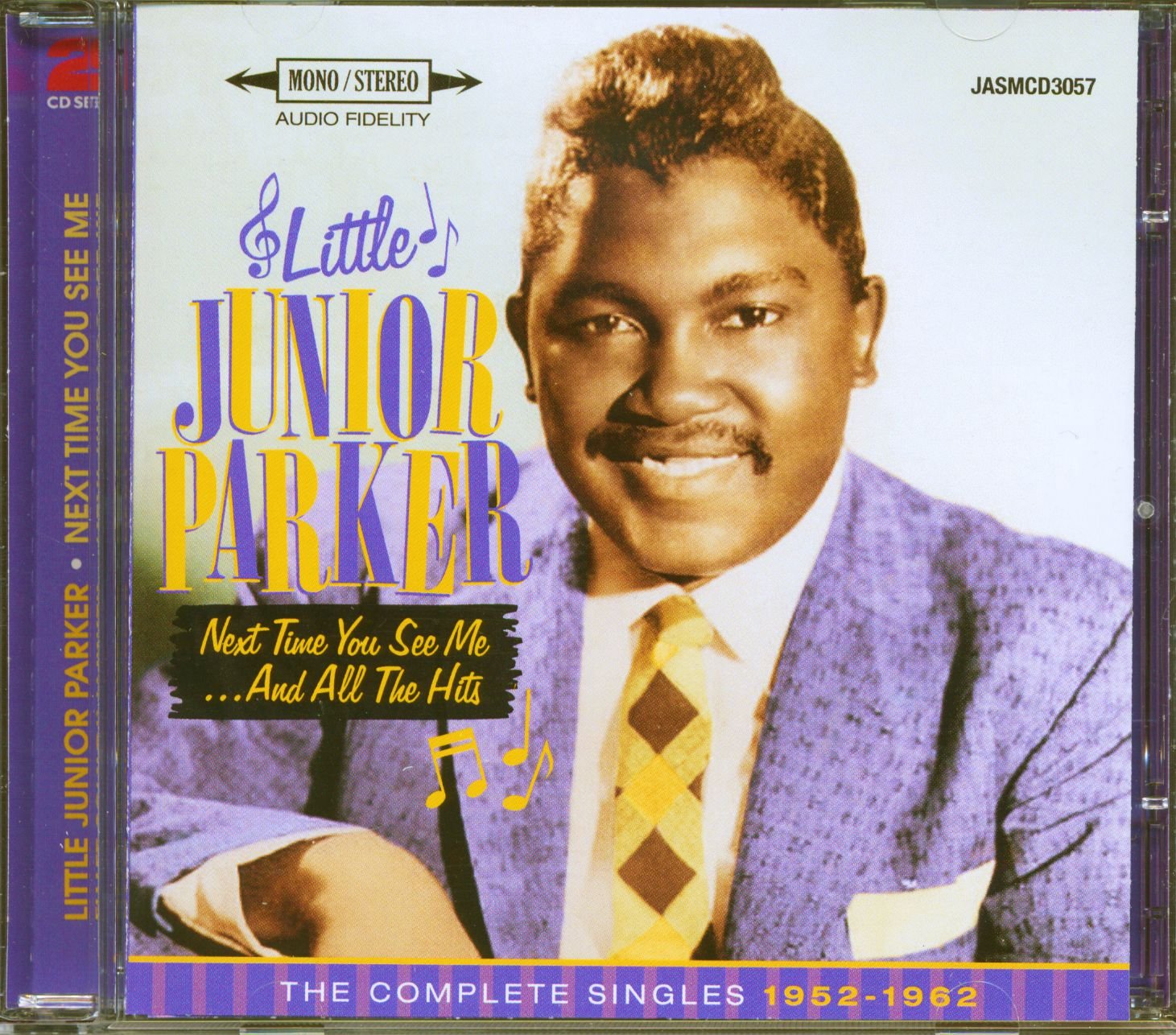 Next Time You See Me... And All The Hits - The Complete Singles 1952-1962
Later Recordings (1966–1971)
After leaving Duke, Parker experimented with funk and modern soul on Mercury, Minit, Blue Rock, and Capitol.
“Drowning on Dry Land” (Capitol, 1971)
- Peak: #48 R&B — his final chart entry.
- A soul-blues track showing his ability to adapt to 1970s trends while maintaining vocal elegance. Recorded shortly before his death, it reflects a mature, reflective phase.
Discography Highlights: Comprehensive collections include Ride with Me Baby: The Singles 1952-1961 (Fantastic Voyage) and Next Time You See Me... and All the Hits (Jasmine). Many Duke sides are compiled on Bear Family and other reissue labels.
Overall Impact of His Style and Recordings
Parker’s recordings exemplify the evolution of Southern Black music in the 1950s–60s: from raw Sun-era rockabilly precursors to polished Duke soul-blues. His smooth voice and genre-blending approach made blues more accessible to mainstream R&B audiences while maintaining authenticity. Tracks like "Mystery Train" and "Love My Baby" directly fed into the rock & roll explosion, while his Duke hits influenced the chitlin’ circuit sound and soul artists.
Later Life and Death
Parker maintained a solid career into the late 1960s but faced declining commercial success after leaving Duke. He recorded sporadically for United Artists and others. On November 18, 1971, at age 39, he died during brain tumor surgery at a hospital in Blue Island, Illinois (near Chicago).
Influence and Legacy
Junior Parker bridged Delta blues, Memphis R&B, and emerging soul. His smooth style influenced the chitlin' circuit sound and helped popularize blues for broader audiences. "Mystery Train" directly impacted Elvis Presley and rock & roll. His hits like "Driving Wheel" and "Sweet Home Chicago" became blues standards.
Inducted into the Blues Hall of Fame in 2001 and the Mississippi Musicians Hall of Fame, Parker is remembered as one of the top blues stars of the 1950s–60s. Artists like Al Green (who claimed him as a cousin) and modern blues musicians cite his vocal elegance and genre-blending approach. Though he died young and was somewhat overshadowed by flashier peers, his catalog remains essential for understanding the evolution from postwar blues to soul. His catalog remains a masterclass in vocal control, band leadership, and stylistic versatility — essential listening for understanding the transition from postwar blues to soul.