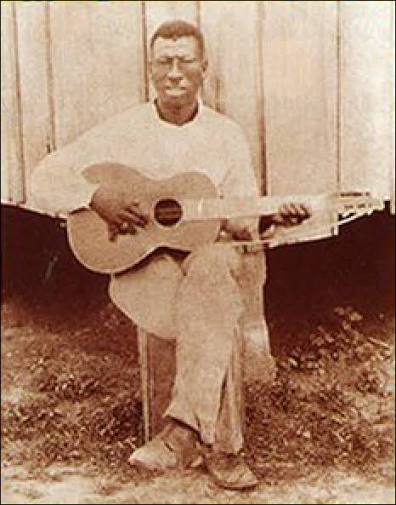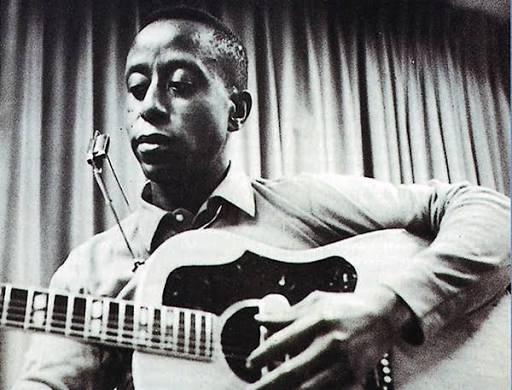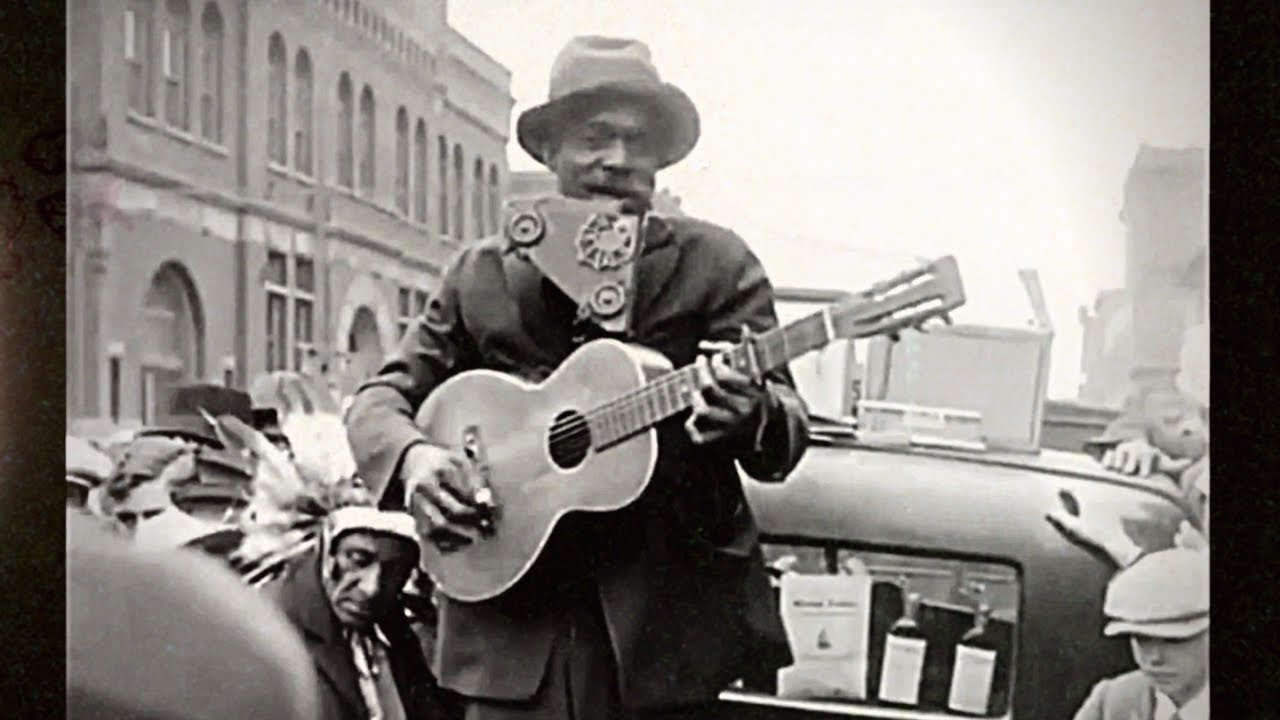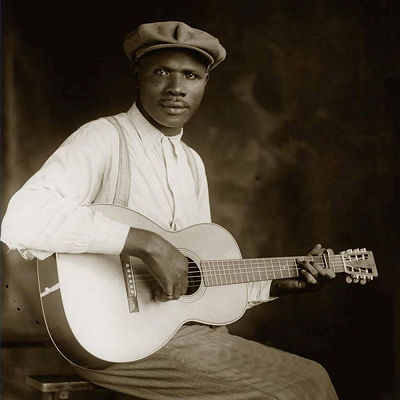
Frank Stokes, an influential figure in the world of blues music, emerged from the rich musical traditions of the Mississippi Delta in the early 20th century. Born in 1888 in Whiteville, Tennessee, Stokes became known not only for his extraordinary talent as a guitarist but also for his expressive, heartfelt singing style. His career, spanning several decades, left an indelible mark on the genre and paved the way for countless musicians that followed.
Early Life and Career
Stokes grew up in a musical environment, influenced by the folk traditions that surrounded him. By his teenage years, he had begun to develop his guitar skills, drawing inspiration from local blues artists. Stokes’ music was a reflection of his experiences, often telling stories of love, hardship, and the day-to-day struggles of African American life in the South.
In the 1920s, Stokes began to gain recognition in Memphis, Tennessee, where he performed in various venues and collaborated with other musicians. His prowess on the guitar, combined with his profound lyricism, quickly garnered him a following. Along with fellow musician, Dan Sane, he formed the duo known as the "Frank Stokes and Dan Sane" team, captivating audiences with their performances.
Recordings and Musical Style
Frank Stokes recorded his first session in 1927, a pivotal moment that marked the beginning of his recorded legacy and allowed him to share his talent with a wider audience. His self-titled record, “Frank Stokes,” was released by the Victor label and featured several tracks that would go on to become enduring classics. Among these, “Pine Top's Boogie Woogie” and “It Won't Be Long” showcased his remarkable ability to blend various styles, effectively merging blues rhythms with elements of boogie-woogie, a popular genre at the time.
Stokes' recordings from the late 1920s largely encompass themes that resonate with the everyday struggles of life, love, and the African American experience, often infused with a sense of humor or a poignant sense of loss. His songs often featured vivid storytelling, painting a picture of the world he inhabited and connecting deeply with his listeners. Tracks like “Guitar Blues” not only featured intricate guitar riffs but also showcased Stokes’ prowess in lyrical storytelling, offering listeners a narrative that conveyed a profound sense of emotion.
The production quality of Stokes’ early recordings might not match today’s standards, but they possess an authenticity that reflects the raw energy of the blues during that era. In his recordings, one can hear the distinctive twang of his guitar, which was often enhanced through his expert use of slide techniques and fingerpicking. The musical arrangements often featured simple but effective accompaniments that allowed his voice and guitar to take center stage.
In addition to his solo work, Stokes’ collaboration with Dan Sane marked a significant aspect of his recorded output. As the duo “Frank Stokes and Dan Sane,” they recorded tracks that highlighted their complementary styles. Their dynamic interplay was particularly evident in songs such as “The New Jug” and “It Won't Be Long,” which displayed their musical chemistry and ability to blend their unique voices and guitar techniques.
Stokes’ recordings also contributed to the broader trends in popular music at the time, reflecting the transitional nature of the blues genre as it began to incorporate elements from jazz, folk, and even early rock 'n' roll. This fusion is notably evident in Stokes’ playful rhythms and complex guitar work, elements that would influence countless musicians in the years to come.
Following his initial success, Stokes recorded several sessions throughout the late 1920s and into the early 1930s, yielding a collection of music that showcased his developing style. However, by the mid-1930s, the recording industry experienced significant shifts, and many blues musicians struggled to find opportunities to record. Stokes' recorded output slowed significantly, resulting in a relatively brief but impactful discography.
Despite this, the recordings he made during the height of his career have endured, with many receiving reissues and modern remastering to preserve his contributions to the genre. His innovative guitar techniques have been particularly influential, with many guitarists citing him as a significant influence on their own playing styles.
In the years following the folk and blues revival of the 1960s, Stokes’ recordings gained renewed attention. Collectors sought out his music, and various compilations were released, allowing new generations to discover his artistry. Documentaries and academic studies have also highlighted the importance of his contributions to the Memphis blues sound and the narrative power of his lyrics.
Selected Discography
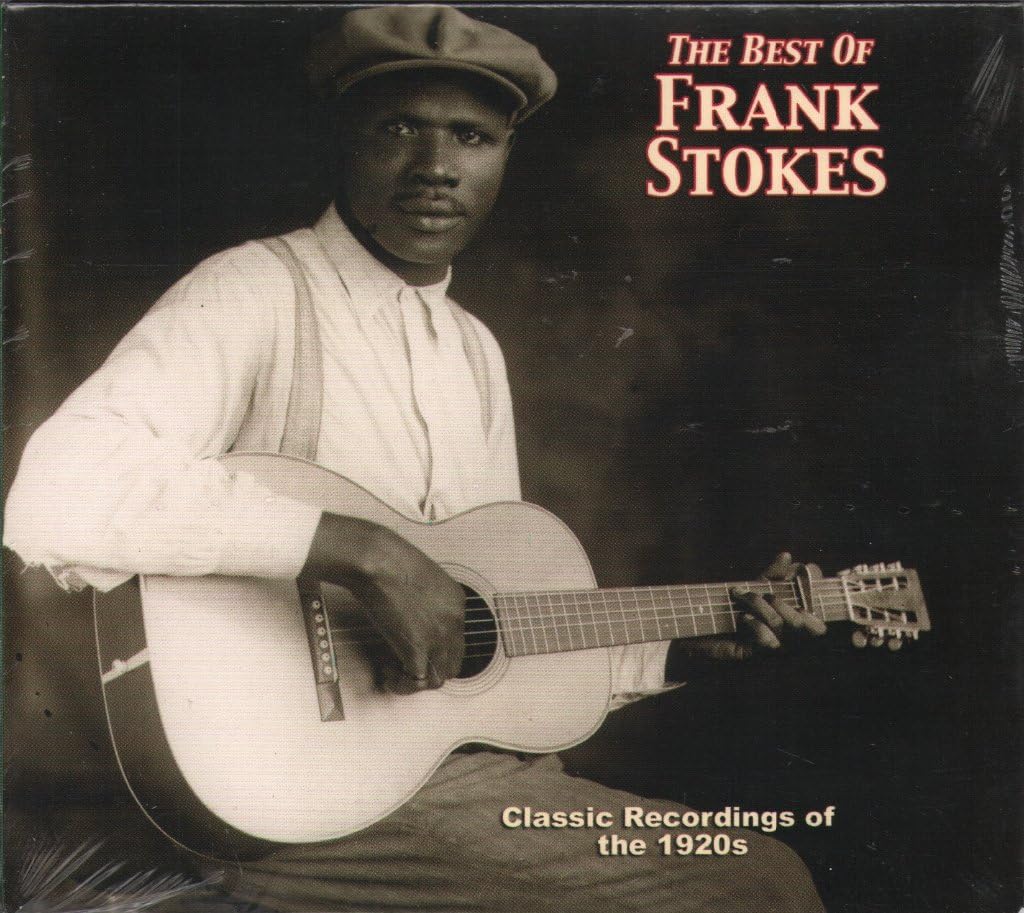
 The Complete Victor Titles with Alternate Takes (1928 - 29)
Influence and Legacy
Despite a relatively short recording career, Frank Stokes' influence on the blues genre is undeniable. He is often credited with helping to shape the musical landscape of Memphis blues. Many later musicians cite Stokes as an inspiration, including the likes of B.B. King and Memphis Minnie. His blend of storytelling and musical innovation laid the groundwork for what would become an enduring tradition within the wider blues community.
Frank's music gained rediscovery during the folk and blues revival of the 1960s, further cementing his legacy. Documentaries and reissues of his recordings introduced his work to new audiences, showcasing his important contributions to the genre.
Stokes passed away in 1955 in Memphis, but his music continues to resonate with blues enthusiasts and is a crucial part of the genre's history. The emotional depth of his songs and the skillful execution of his guitar work serve as a reminder of the rich tapestry of artistic expression that defines the blues.
As listeners spin his records today, they are transported back in time to the soulful sounds of the early blues movement, ensuring that Frank Stokes’ legacy continues to live on for generations to come.