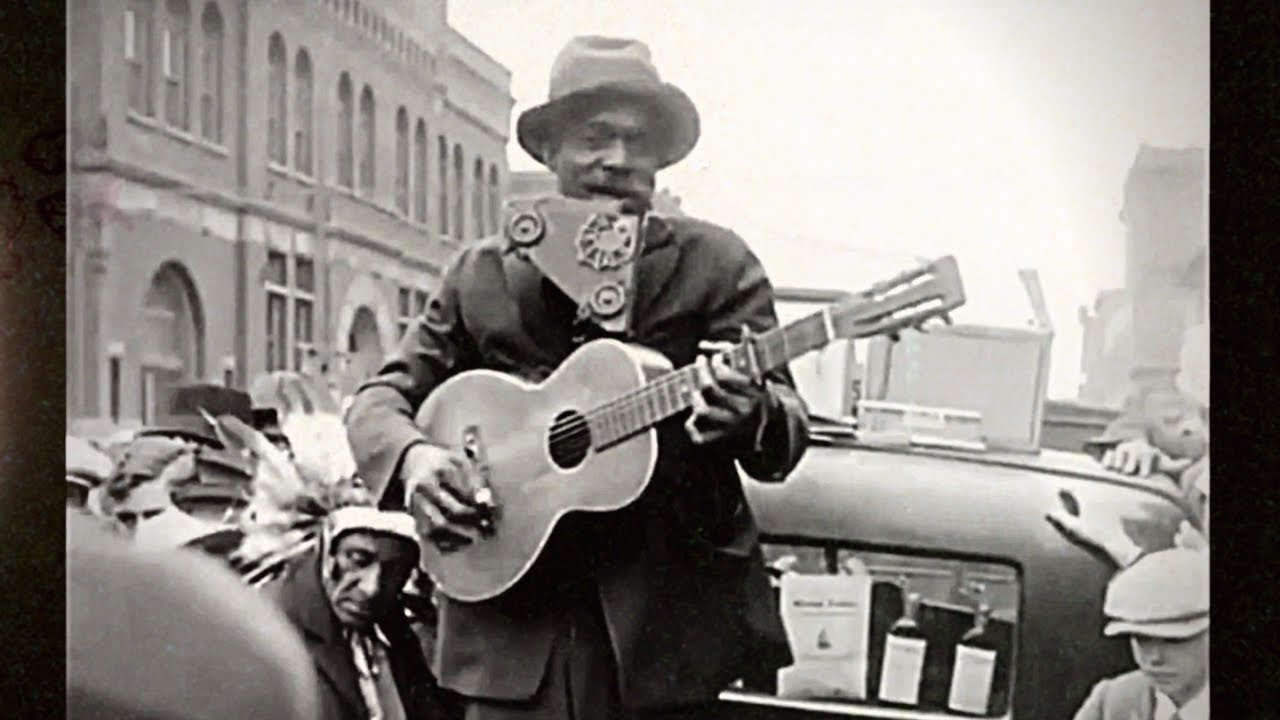
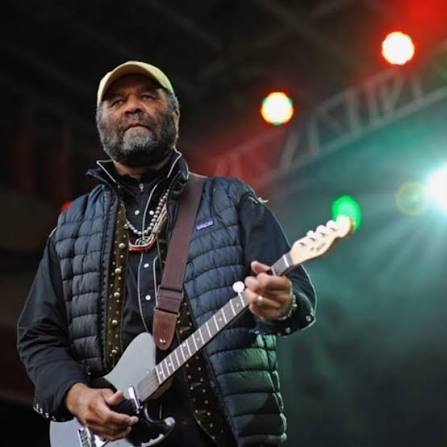
Blind Willie McTell: The Georgia 12-String Master
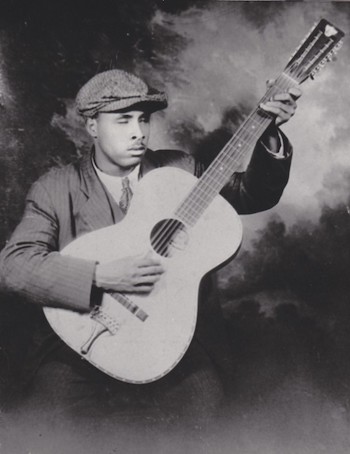
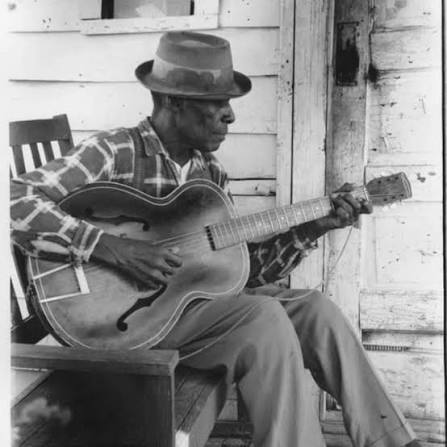
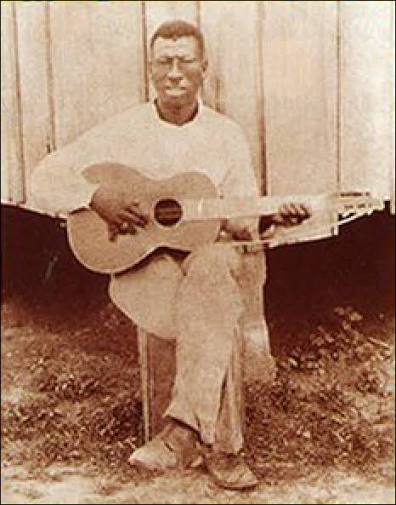
Blind Willie McTell stands as one of the most accomplished and enduring figures in the history of American blues music. Born in the rural South, blind either from birth or early childhood, he transcended his circumstances to become a virtuoso 12-string guitarist, a prolific recording artist, and a musical bridge between rural blues, ragtime, gospel, and popular music. Though he died in relative obscurity in 1959, just before the folk-blues revival would have likely brought him international fame, his influence has proven remarkably durable—reaching from the Allman Brothers Band and Bob Dylan to the White Stripes and contemporary artists like Adia Victoria.
Early Life and Musical Education
McTell was born on May 5, 1898, in Thomson, Georgia, about 25 miles west of Augusta. Even his name remains somewhat uncertain: his family name was either McTear or McTier, and his first name may have been Willie, Samuel, or Eddie—his tombstone reads "Eddie McTier." He spent much of his childhood in Statesboro, Georgia, where his family moved while he was young.
What set McTell apart from many of his blues contemporaries was his formal education. He attended schools for the blind in Georgia, New York, and Michigan, where he received structured musical training and learned to read and write music in Braille. This education made him exceptional in a field where most musicians were poorly educated and rarely traveled far from home. While in his early teens, he learned to play guitar from his mother, relatives, and neighbors in Statesboro. After his mother's death in his teenage years, he left home and began touring in carnivals and medicine shows, developing the performance skills that would sustain him throughout his life.
The Recording Years: 1927–1935
McTell's recording career began in October 1927 in Atlanta, when he cut his first sides for Victor Records. Over the next eight years, he would record more than 120 titles across fourteen sessions for multiple labels, displaying an extraordinary range and adaptability.
His 1927 debut produced several notable tracks, including "Stole Rider Blues," "Mr. McTell Got The Blues," "Writing Paper Blues," and "Mamma, Tain't Long Fo' Day." The following year, he recorded what would become his signature song, "Statesboro Blues," along with "Three Women Blues," "Dark Night Blues," and "Loving Talking Blues."
McTell was a master of reinvention, recording under numerous pseudonyms to circumvent contractual restrictions or to target different markets. He appeared as "Blind Sammie" for Columbia, "Georgia Bill" for OKeh, and "Barrelhouse Sammy" for Atlantic. He also recorded gospel material under his own name and collaborated with other Georgia bluesmen, most notably Curley Weaver and Ruth (Mary) Willis. This versatility extended to his musical choices—his repertoire encompassed southern blues, ragtime, gospel, hillbilly, and popular music, often delivered with a soft, expressive voice and intricate 12-string guitar work that combined the lighter, bouncier rhythms of the Piedmont style with the intense drive of Deep South blues.
Key recordings from this prolific period include:
-
"Broke Down Engine Blues" (1931)
-
"Southern Can Is Mine" (1931)
-
"Georgia Rag" (1931)
-
"Atlanta Strut" (recorded 1929, released 1932)
-
"Death Cell Blues" (1933)
-
"We Got to Meet Death One Day" (1935)
Life on the Road
McTell was remarkably mobile for a blind musician in the segregated South. He traveled a circuit between Atlanta, Augusta, Savannah, and Macon, but also journeyed frequently from Georgia to New York City, often traveling alone. He entertained wherever he could find an audience—passenger train cars, hotel lobbies, college fraternity parties, school assemblies, proms, vaudeville theaters, and churches. As he followed the tobacco market from Georgia into North Carolina, he played for farmers, buyers, and merchants at warehouses, auctions, livery stables, and hotels.
In 1933, he married Kate Williams, who worked as a nurse at an Atlanta hospital. Together they started a bootlegging venture—Willie sang while Kate sold the brew. A few years later, the couple moved to Chicago, but as musical styles changed and his career began waning in the 1940s, so did his marriage. When Kate moved to New York City, Willie found solace with a woman named Helen, with whom he lived until her death.
The Postwar Period and Final Sessions
As his fame faded and health declined, McTell found himself singing for his supper in the parking lot of an Atlanta music club. In the summer of 1956, record store owner Ed Rhodes heard him and convinced him to play another recording session. McTell agreed on one condition—that the music wouldn't be released while he was still alive. "Because if I got any money from it, I'd just drink myself to death," he told Rhodes.
This 1956 session, along with recordings made around 1949 for Atlantic (where he was produced by Ahmet Ertegun and Herb Abramson) and Regal, captured McTell in a more reflective, often gospel-tinged mode. Songs like "Kill It Kid," "Dying Crapshooter's Blues," "On the Cooling Board," and "Ain't It Grand to Live a Christian" showed an artist still vital and creative, even as the world had moved on from the blues of his youth.
McTell died on August 19, 1959, in Milledgeville, Georgia, at the age of 61. True to his agreement with Rhodes, the 1956 recordings were released posthumously in 1961 as
Blind Willie McTell: Last Sessions, produced by Rhodes and blues historian Samuel Charters.
Influence and Legacy
Blind Willie McTell's influence extends far beyond his lifetime, though his story reflects the systemic challenges faced by Black artists of his era. As musician Adia Victoria noted, "It's hard enough for someone today—a black artist today—to hear their music in the mainstream. But can you imagine this dude back then? He didn't stand a chance."
Yet his music has endured. Samuel Charters' 1959 book
The Country Blues called McTell "a brilliant, but elusive blues singer, with an almost indestructible quality about him." Charters reissued "Statesboro Blues" on an album accompanying his book, introducing McTell to a new generation.
The 1960s blues revival brought McTell's work to wider attention. Taj Mahal recorded "Statesboro Blues" for his 1968 debut album, and the Allman Brothers Band turned it into a blues-rock anthem with their legendary 1971 performance at the Fillmore East—though many in the audience didn't realize it was a McTell composition from decades earlier. Bob Dylan revived "Broke Down Engine" for his 1993 album
World Gone Wrong and wrote his own tribute, "Blind Willie McTell," in 1983 (released in 1991). The White Stripes, led by Jack White, recorded multiple McTell songs including "Three Women Blues," "Your Southern Can Is Mine," and "Lord, Send Me an Angel." Willie Nelson, Steve Goodman, David Bromberg, and Ry Cooder are among the many others who have covered his material.
McTell's direct musical influence also provided the foundation for the 12-string blues and folk revival. Along with Jesse Fuller and Lead Belly, McTell supplied the bulk of the music that forms the main basis for 12-string players from the 1960s to today.
Honors and Remembrance
Today, McTell is celebrated through numerous tributes across Georgia and beyond. He was inducted into the Georgia Music Hall of Fame in 1990. An annual music festival is held in his hometown of Thomson. In Statesboro, a one-mile walking trail bears his name, connecting downtown to the Georgia Southern University campus. In Atlanta, the blues club Blind Willie's on North Highland Avenue has operated for decades, featuring blues music from around the country. A statue of McTell stands in Statesboro, and his grave in Thomson has become a pilgrimage site where fans leave coins and gifts.
"Statesboro Blues" was included in the "500 songs that shaped rock and roll," assembled by the chief curator of the Rock and Roll Hall of Fame. His recordings have been comprehensively reissued on labels like Document, Yazoo, and Biograph, ensuring that his complete body of work remains accessible.
Suggested Reading
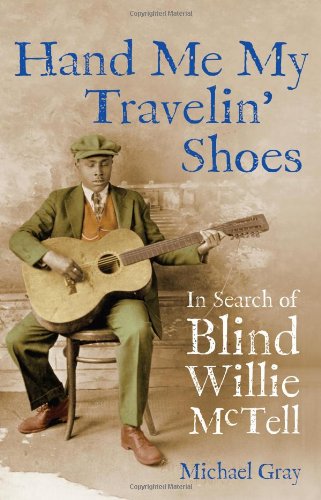 Hand Me My Travelin' Shoes: In Search of Blind Willie McTell
Selected Discography
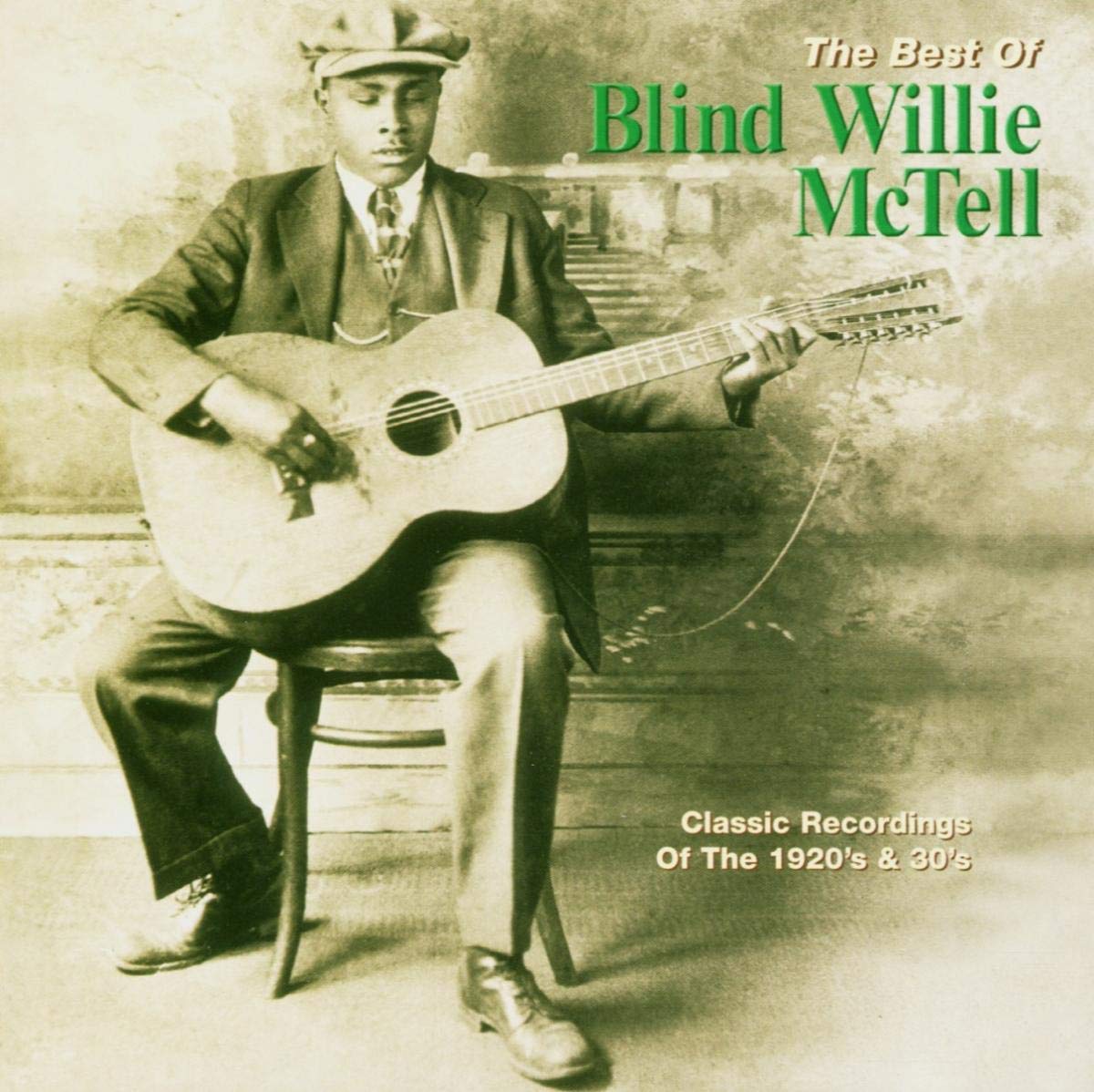 Best Of Blind Willie McTell
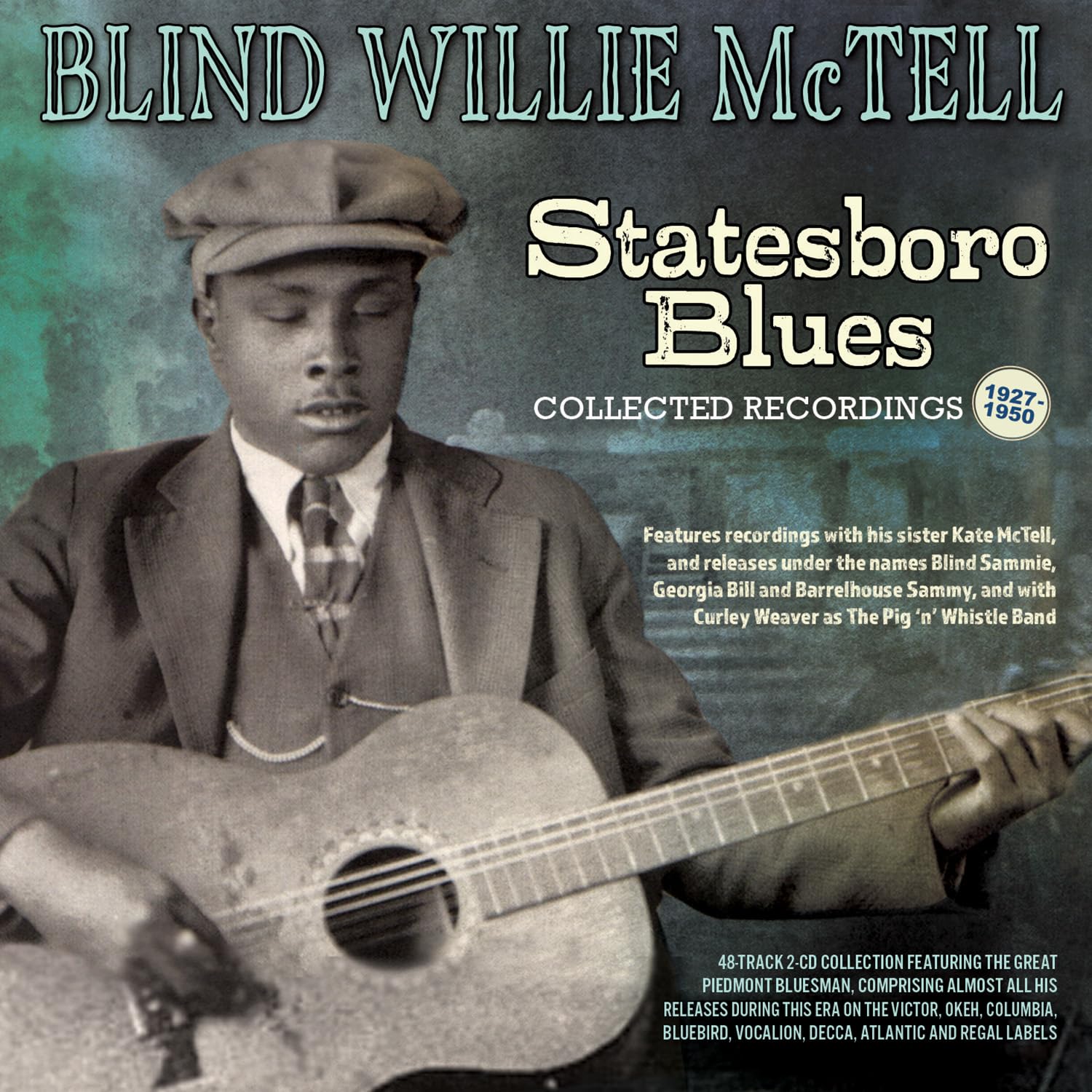 Statesboro Blues: Collected Recordings 1927-1950
Conclusion
Blind Willie McTell was a singular figure in American music—a blind, self-taught virtuoso who never had a booking agent or manager, yet built a career through sheer talent, determination, and personal effort. His ability to navigate diverse musical styles, from ragtime to gospel to blues, while maintaining a distinctively bright, rhythmic, and intricate 12-string sound, set him apart from his contemporaries. Though he died just before the folk revival that would have likely made him a star, his music has proven timeless, continuing to inspire and reveal itself to new generations of listeners and musicians. As Adia Victoria described her discovery of his work, it was like finding "a really cool group of ancestors" who "sang my soul to me."