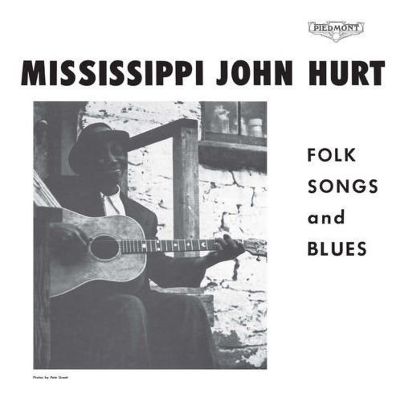
Folk Songs and Blues is the landmark 1963 comeback album by Mississippi John Hurt, marking his first commercial recordings in 35 years and serving as the opening chapter of one of the most celebrated rediscoveries in American roots music. Recorded in an intimate domestic setting just weeks after he was located in rural Mississippi, the album captures Hurt's gentle, syncopated fingerpicking and warm, conversational vocals in a relaxed, unadorned atmosphere that would define his late-career sound.
Background and Sessions
Following his rediscovery in March 1963 by record collector Tom Hoskins—who tracked Hurt down in Avalon, Mississippi, using the lyric "Avalon's my hometown, always on my mind" from Hurt's 1928 Okeh recording as his only map—Hurt was persuaded to move to Washington, D.C., and perform for a new generation of folk-revival audiences.
The album was recorded over four sessions on March 24, 26, 29, and April 2, 1963, not in a conventional studio but at the house of Sandy Fisher in Annapolis, near Washington, D.C.
This informal setting—Hurt seated comfortably with a microphone close by—was ideal for his quiet, intricate style, which was designed for front-porch listening rather than loud dance halls.
Production and Personnel
| Role | Personnel |
|---|---|
| Artist | Mississippi John Hurt – vocals, guitar, 12-string guitar, harmonica |
| Producer | Dick Spottswood |
| Recording Engineers | P.V. Kuykendall, Peter Silitch, Sandy Fisher |
| Photography | Pete Grant (photos of Hurt playing Tom Hoskins' Gibson J-45) |
| Cover Design | Tom Hoskins ("Fang") |
| Liner Notes | T.G. Rockwell & Dick Spottswood |
| Label | Piedmont Records (PLP 13157) |
| Release Date | August 1963 |
The record number PLP 13157 was deliberately chosen to continue the catalog sequence where Paramount Records had left off when they went out of business in 1931.
Notably, Hurt plays Tom Hoskins' Gibson J-45 guitar on the cover photos, as he did not even own a guitar at the time of his rediscovery.
Track-by-Track Breakdown
Side One
1. "Avalon Blues" (2:18)
-
Songwriter: Mississippi John Hurt
-
Musician: Mississippi John Hurt – vocals, guitar
-
Notes: Hurt's signature composition, originally recorded for Okeh in New York City in December 1928. The song was written in response to the culture shock of his first trip to New York, expressing homesickness for his hometown of Avalon, Mississippi.It was this very recording that provided the clue Tom Hoskins used to find Hurt 35 years later. The 1963 version is more measured and reflective than the 1928 original, with Hurt's voice deepened by age but his fingerpicking still remarkably intact.
2. "Richland Women Blues" (3:38)
-
Songwriter: Traditional, arranged by Mississippi John Hurt
-
Musician: Mississippi John Hurt – vocals, guitar
-
Notes: A raggy, upbeat number played in the key of C, featuring Hurt's characteristic syncopated thumb-and-finger independence. The song became a staple of the 1960s folk revival and was later covered by the Jim Kweskin Jug Band. The title refers to women from Richland, Mississippi.
3. "Spike Driver Blues" (2:26)
-
Songwriter: Traditional (based on "John Henry"), arranged by Mississippi John Hurt
-
Musician: Mississippi John Hurt – vocals, guitar
-
Notes: Hurt's reworking of the John Henry legend, originally recorded in his 1928 Okeh sessions and later included on Harry Smith's Anthology of American Folk Music.Despite being based on a single chord, Hurt's melodic guitar work creates a rich, propulsive texture that belies the harmonic simplicity.
4. "Salty Dog" (1:45)
-
Songwriter: Traditional, arranged by Mississippi John Hurt
-
Musician: Mississippi John Hurt – vocals, guitar
-
Notes: A ragtime-inflected number that was one of Hurt's most popular live pieces during the folk revival. The "salty dog" was a common figure in African American folk and blues tradition. Hurt's version is brisk and playful, showcasing his clean, syncopated picking.
5. "Cow Hooking Blues" (6:01)
-
Songwriter: Mississippi John Hurt
-
Musician: Mississippi John Hurt – vocals, guitar
-
Notes: One of the longer tracks on the album, this is an original Hurt composition with a narrative structure. The title refers to the practice of cattle rustling or "hooking" cows. The extended length allows Hurt to stretch out his storytelling and guitar work.
6. "Spanish Fandango" (duration varies)
-
Songwriter: Traditional, arranged by Mississippi John Hurt
-
Musician: Mississippi John Hurt – guitar
-
Notes: A traditional guitar instrumental piece that was a staple of parlor guitar instruction in the late 19th and early 20th centuries. Hurt's arrangement demonstrates his formal guitar skills and the influence of parlor music on his style. (Note: Some pressings and reissues omit this track or list it with variant spellings such as "Spanish Fangdang.")
Side Two
7. "Casey Jones"
-
Songwriter: Traditional, arranged by Mississippi John Hurt
-
Musician: Mississippi John Hurt – vocals, 12-string guitar
-
Notes: Hurt's version of the famous railroad ballad about engineer Casey Jones, who died in a 1900 train wreck. This is one of the few recordings on which Hurt plays 12-string guitar (noted as "$ 12 string g" in session documentation), giving the track a fuller, more resonant sound.
8. "Louis Collins"
-
Songwriter: Mississippi John Hurt
-
Musician: Mississippi John Hurt – vocals, guitar
-
Notes: A murder ballad Hurt originally recorded for Okeh in 1928. The song tells the story of the shooting of Louis Collins, with the memorable, haunting refrain: "Angels laid him away." The 1963 version preserves the same arrangement as the 1928 recording, a testament to Hurt's remarkable consistency over three and a half decades.
9. "Candy Man Blues" (2:55)
-
Songwriter: Mississippi John Hurt
-
Musician: Mississippi John Hurt – vocals, guitar
-
Notes: One of Hurt's most celebrated compositions, originally recorded in 1928. Despite its title, it is not structurally a blues but rather a ragtime-inflected song with double-entendre lyrics.The guitar accompaniment is among Hurt's most intricate, with sparkling ragtime embellishments throughout.
10. "My Creole Belle" (1:50)
-
Songwriter: Jens Bodewalt Lampe (1900), arranged by Mississippi John Hurt
-
Musician: Mississippi John Hurt – vocals, guitar
-
Notes: Though widely assumed to be a Hurt original, this song is actually an arrangement of a ragtime composition published in 1900 by Danish-born violinist Jens Bodewalt Lampe.Hurt's gentle, nostalgic delivery made it one of his most beloved numbers among folk-revival audiences. The lyrics evoke a romanticized "old South" imagery that Hurt renders with warmth and tenderness.
11. "Liza Jane (God's Unchanging Hand)"
-
Songwriter: Traditional, arranged by Mississippi John Hurt
-
Musician: Mississippi John Hurt – vocals, guitar, harmonica
-
Notes: A medley combining the traditional children's/folk song "Liza Jane" with the gospel standard "God's Unchanging Hand." This is one of the rare recordings on which Hurt plays harmonica (noted as "# hca" in session documentation).The combination of secular and sacred material reflects Hurt's broad repertoire as a "songster" rather than a strict bluesman.
12. "Joe Turner Blues"
-
Songwriter: Traditional, arranged by Mississippi John Hurt
-
Musician: Mississippi John Hurt – vocals, guitar
-
Notes: A song relating to the infamous Joe Turner, a figure associated with the convict-lease system in the American South. The song has deep roots in African American folk tradition and was famously adapted by poets and musicians throughout the 20th century. Hurt's version is a straightforward, rhythmic reading that closes the album.
 Buy from Amazon Folk Songs and Blues
Significance and Legacy
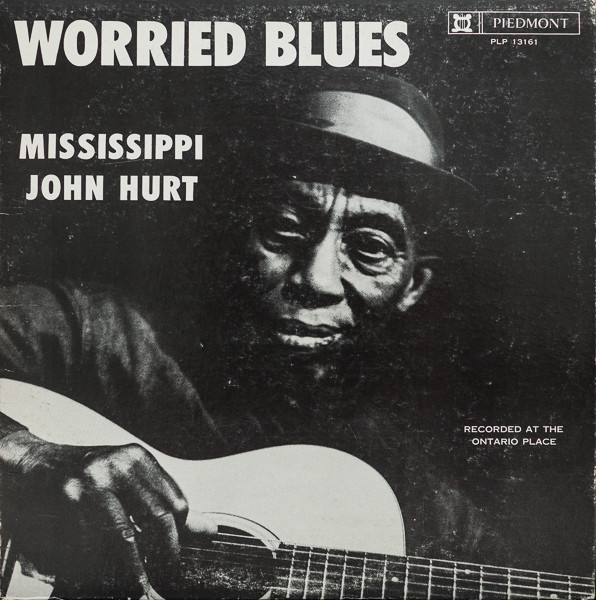
Folk Songs and Blues was the first of three albums Hurt would record in 1963, followed by Worried Blues (Piedmont PLP 13161) and his Library of Congress sessions. It arrived at the precise moment when the American folk music revival was reaching its peak, and Hurt's gentle, accessible style made him an instant favorite among young white college audiences who found the harsher Delta blues of Son House or Skip James more challenging.
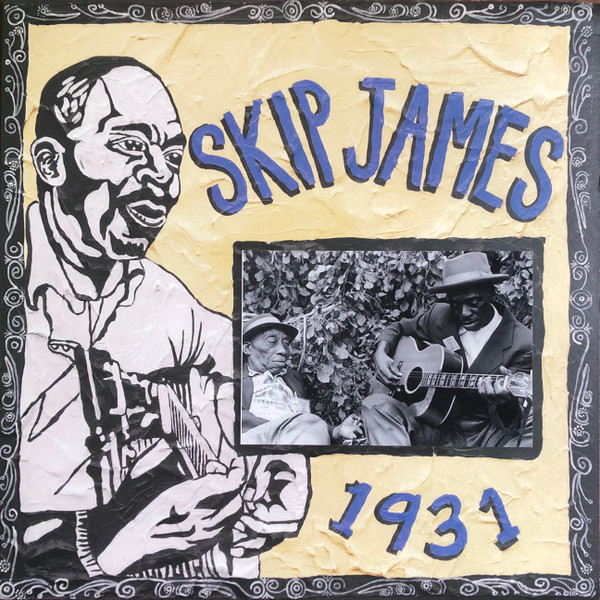
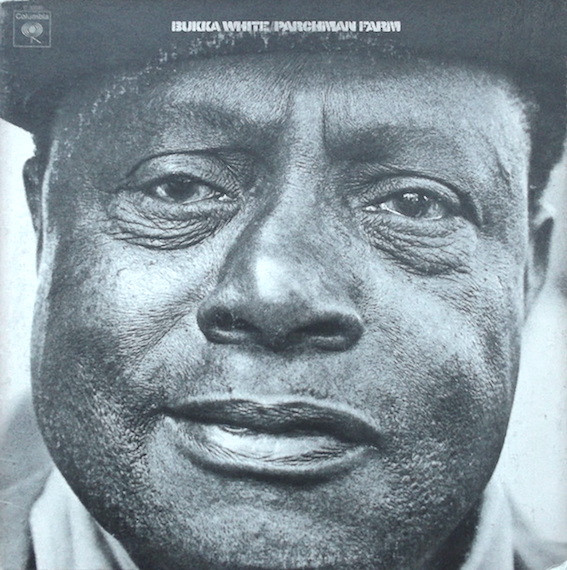
The album's success helped inspire the search for and rediscovery of numerous other bluesmen of Hurt's era, including Son House, Skip James, Bukka White, and Mance Lipscomb.
What makes Folk Songs and Blues particularly remarkable is how little Hurt's style had changed in 35 years. Unlike many rediscovered bluesmen whose skills had deteriorated, Hurt's fingerpicking remained fluid, precise, and syncopated, and his voice—though deeper—retained its warm, conversational quality. The album stands as a testament to the enduring power of Hurt's music and the unexpected second act of a man who had spent three decades as a sharecropper in rural Mississippi, only to become one of the most beloved figures of the 1960s folk revival.