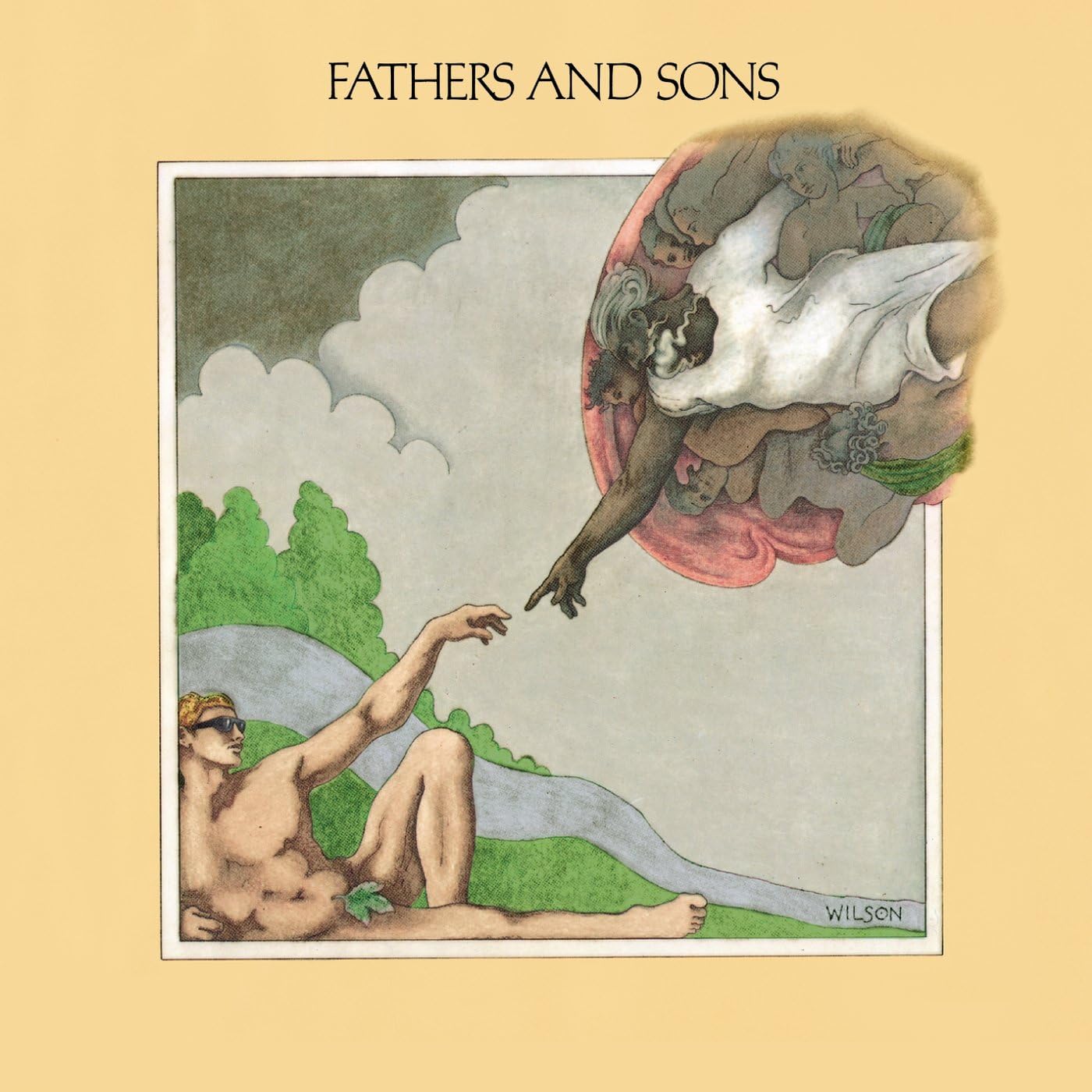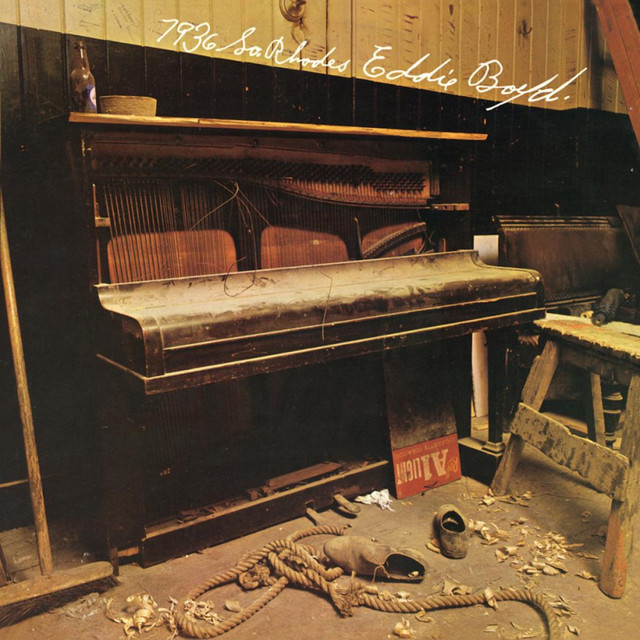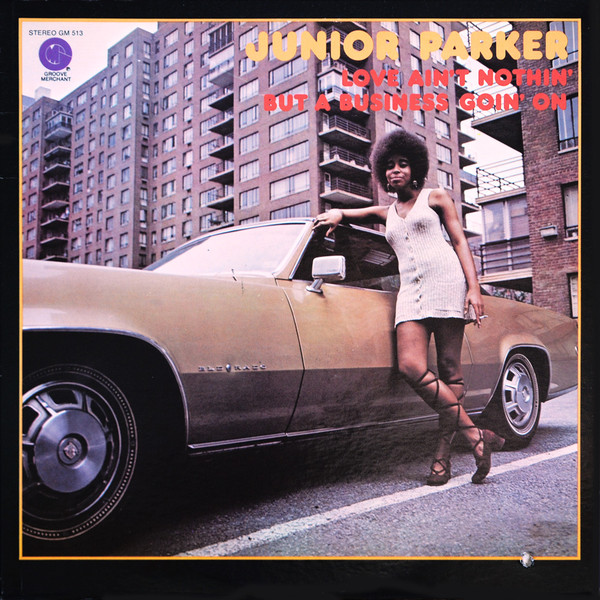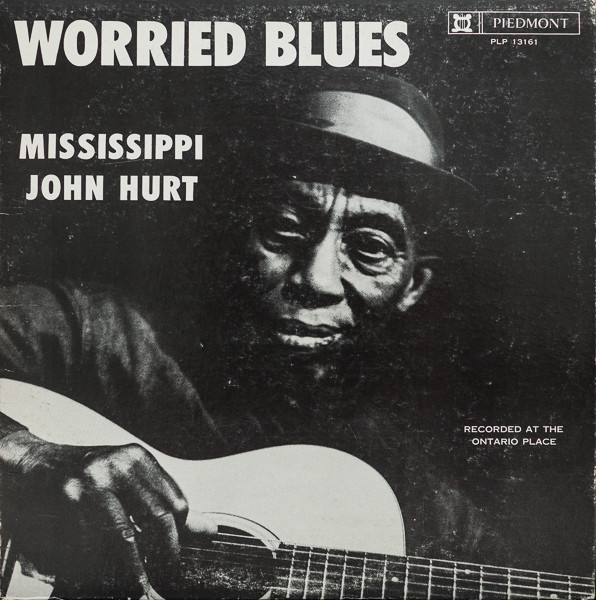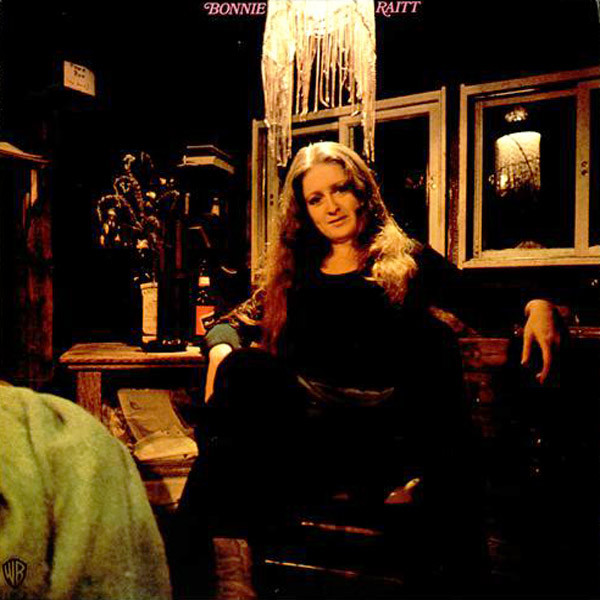
Bonnie Raitt is the eponymous debut studio album by American singer, guitarist, and songwriter Bonnie Raitt (born November 8, 1949), released on Warner Bros. Records (WS 1953) in November 1971. Recorded during the summer of 1971 at an improbable location—an empty summer camp on Enchanted Island in Lake Minnetonka, Minnesota—the album stands as one of the most remarkable and influential debut recordings in the history of American blues and roots music. At just twenty-one years old, Raitt arrived with a fully formed artistic vision that drew on her deep immersion in the acoustic blues tradition, her sophisticated musical education, and her instinctive ability to synthesize blues, folk, country, and R&B into a seamless personal style.
The album is a document of generational transition in American music. Raitt was part of a small but significant cohort of young musicians who, inspired by the folk-blues revival of the 1960s and their direct relationships with the surviving veterans of the pre-war blues tradition, were determined to carry that music forward into the 1970s with respect, authenticity, and genuine creative engagement. Unlike many of her contemporaries who approached the blues from the outside, Raitt had spent her late teens traveling with and learning directly from blues masters including Mississippi Fred McDowell, Sippie Wallace, Buddy Guy, Junior Wells, and Howlin' Wolf. The debut album distills these influences into a cohesive artistic statement that announced the arrival of one of the most important American roots musicians of her generation.
Background and Context
Bonnie Raitt's Early Life and Musical Development
Bonnie Lynn Raitt was born in Burbank, California, on November 8, 1949, into a family deeply embedded in American musical theater and the folk tradition. Her father, John Raitt (1917–2005), was a celebrated Broadway singer and actor whose roles in Oklahoma!, Carousel, and The Pajama Game had established him as one of the great tenors of mid-twentieth-century American musical theater. Her mother, Marjorie Haydock, was an accomplished pianist. The Raitt household was culturally sophisticated and politically progressive, with a strong Quaker influence from her mother's family that shaped Bonnie's enduring commitments to social justice and political activism.
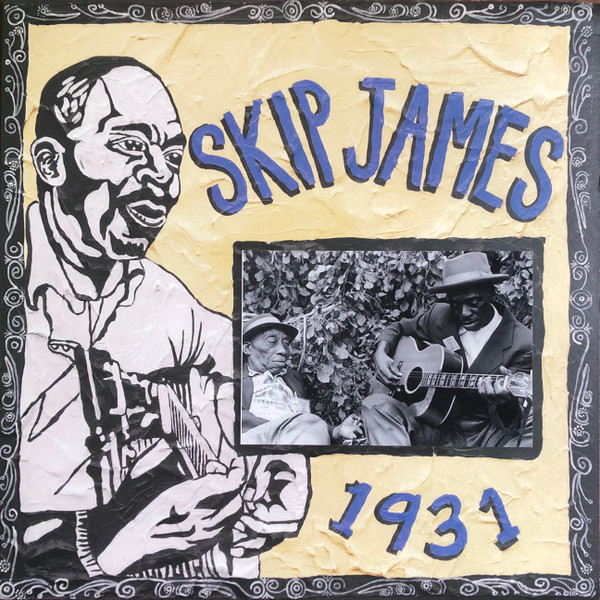
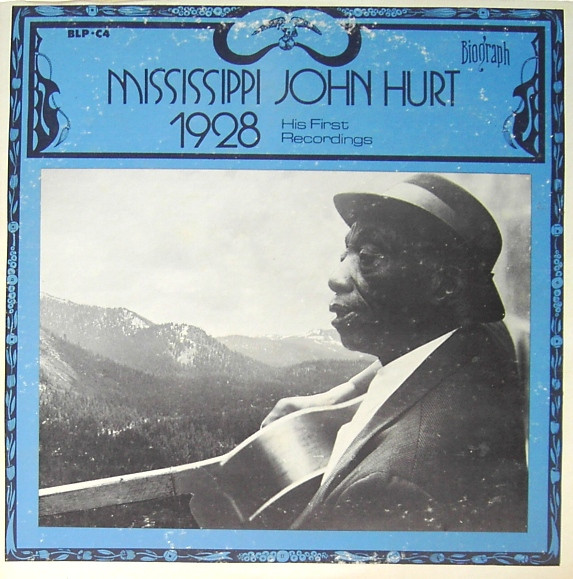
Raitt received her first guitar at the age of eight, a Stella acoustic that she treated with the serious devotion of a child who had already found her life's calling. Her early musical interests were shaped by the folk revival of the early 1960s, and she was particularly drawn to the acoustic blues recordings that formed a significant part of the revival's canon. By her early teens, she was deeply immersed in the music of Mississippi John Hurt, Reverend Gary Davis, Son House, Skip James, and particularly Mississippi Fred McDowell, whose North Mississippi hill country slide guitar style would become one of the formative influences on her own playing.
In 1967, Raitt enrolled at Radcliffe College in Cambridge, Massachusetts, intending to study social relations and African studies. The move to the Boston-Cambridge area proved transformative. The region was then one of the most important centers of the American folk and blues revival, with venues like the Club 47 in Harvard Square hosting both local performers and touring veteran blues artists. Raitt immediately immersed herself in the local scene, performing in coffeehouses and small clubs, and crucially, forming direct personal relationships with many of the blues veterans who passed through the area.
The Mississippi Fred McDowell Connection
The most important of these relationships was with Mississippi Fred McDowell (1904–1972), the North Mississippi slide guitarist whose hypnotic, droning style had been "discovered" by Alan Lomax in 1959 and who had become a beloved figure on the folk festival circuit during the 1960s. Raitt met McDowell when she was seventeen or eighteen, and the older musician took the young guitarist under his wing with remarkable generosity, teaching her the specifics of his slide technique and welcoming her into his family circle. The relationship was not merely instructional but genuinely intergenerational and cross-racial, and it shaped Raitt's artistic identity in ways that would resonate throughout her entire career.
McDowell's influence on Raitt's playing is audible on virtually every track she has recorded in the decades since, particularly in her distinctive bottleneck slide guitar style. She has often credited him as the single most important influence on her approach to the instrument, and her lifelong advocacy for McDowell's music and legacy (she wrote the foreword to the first comprehensive biography of McDowell, among many other acts of tribute) reflects the depth of the bond that developed between them.
The Decision to Record
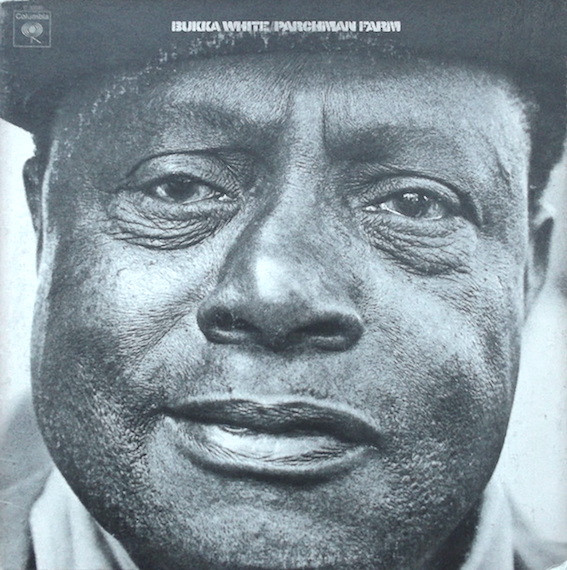
By 1970, Raitt had developed into a formidable performer whose live shows at Boston-area venues were drawing increasing attention from the music industry. She was discovered by Dick Waterman, the manager and advocate who had been responsible for the rediscovery of Son House, Skip James, Bukka White, and other pre-war blues artists during the 1960s, and who had been managing the touring careers of these musicians. Waterman recognized Raitt's exceptional talent and signed her to his management company, which gave her access to the broader world of blues performance and recording.
In early 1971, Raitt was signed to Warner Bros. Records by Mo Ostin, the label's legendary president, who had been building Warner Bros. into one of the most artist-friendly major labels in the music industry. The signing was unusual in several respects: Raitt was offered a contract that gave her significant creative control over her recordings, including the choice of producer, musicians, and material. This degree of artistic autonomy was rare for any new artist in 1971, let alone a twenty-one-year-old woman working in the overwhelmingly male-dominated world of the blues.
The Sessions
Recording Details
The recordings for Bonnie Raitt were made during the summer of 1971 at an unusual and improbable location: an empty children's summer camp on Enchanted Island in Lake Minnetonka, Minnesota, approximately twenty miles west of Minneapolis. The decision to record the album in this remote, informal setting rather than at a conventional recording studio was driven by several factors. Raitt and her collaborators wanted to create an environment free from the time pressures and commercial considerations that typically shaped major-label recording sessions, and the isolation of the camp offered the possibility of complete creative immersion over an extended period.
The camp was converted into a makeshift recording studio by the engineering team, with microphones and recording equipment set up in various buildings and outdoor locations. The acoustic environment was warm and natural, with the resonance of wooden buildings and the ambient sounds of the lake setting providing a distinctive sonic character that is audible throughout the recordings. The informal setting also encouraged a loose, collaborative working method, with musicians living together at the camp and recording whenever inspiration struck rather than adhering to a rigid schedule.
The recording equipment used was professional and high-quality, allowing for the capture of the full dynamic range and tonal complexity of the acoustic and electric instruments that dominate the album. The engineering was handled by veteran engineers who had been brought in to adapt the camp buildings for recording purposes, and the resulting sound quality is excellent by the standards of 1971—intimate and present without being overly polished.
Production
The album was produced by Willie Murphy and Dick Waterman, with Bonnie Raitt herself serving as a de facto co-producer, exercising significant creative control over every aspect of the sessions. Willie Murphy (1943–2019) was a Minneapolis-based musician, songwriter, and producer who had been active in the Minnesota music scene for several years, performing with the group Willie and the Bees and producing recordings for various local and regional artists. His selection as producer reflected Raitt's desire to work with a sympathetic collaborator who understood the roots music traditions she was drawing on and who would not attempt to impose a conventional pop-rock production approach on her acoustic blues-oriented material.
Murphy's production philosophy was characterized by its emphasis on live performance, natural acoustics, and minimal studio artifice. The album was recorded almost entirely live, with the musicians playing together in the same room and most tracks being completed in one or two takes. This approach preserved the spontaneous interplay and dynamic responsiveness that are among the album's greatest strengths, giving the recordings a quality of immediacy and emotional authenticity that is often lost in more heavily produced studio albums.
Waterman's role as co-producer reflected his position as Raitt's manager and his deep knowledge of the blues tradition. He helped shape the album's artistic direction and ensured that Raitt's vision was preserved throughout the recording and production process.
Musicians
The musicians who gathered at the Minnesota camp to record with Raitt reflected her deep connections to the folk, blues, and roots music communities of the Boston-Cambridge area and beyond:
Bonnie Raitt – lead vocals, acoustic guitar, electric guitar, bottleneck slide guitar on all tracks. At twenty-one, Raitt was already a fully developed musician with a distinctive personal style on both acoustic and electric slide guitar. Her playing on the album reveals the influence of Fred McDowell most prominently, but also incorporates elements of the Delta slide tradition, the Chicago electric blues, and the folk-blues fingerpicking styles she had absorbed during her years of intensive study.
Freebo (Daniel Friedberg) – bass, tuba, backing vocals on most tracks. Freebo (born 1946) was a Boston-area musician who had become Raitt's primary musical collaborator and would remain her bassist for much of the 1970s. His bass work on the album is warm, melodic, and rhythmically supportive, providing a solid foundation that allowed Raitt's guitar and vocal to occupy the center of the sonic landscape. His use of tuba on several tracks adds a distinctive, unexpected textural element that reflects the album's willingness to break with conventional instrumentation.
A.C. Reed – tenor saxophone on selected tracks. Reed (born Aaron Corthen, 1926–2004) was a veteran Chicago blues saxophonist who had worked extensively with Earl Hooker, Buddy Guy, and other major Chicago blues artists. His presence on the album brought direct connection to the Chicago electric blues tradition and lent credibility to Raitt's engagement with that music.
Junior Wells – harmonica on selected tracks. Wells (born Amos Blackmore, 1934–1998) was one of the greatest Chicago blues harmonica players of his generation, having worked extensively with Muddy Waters, Buddy Guy, and others. His contributions to the album, though limited in number, provide one of the clearest demonstrations of Raitt's direct connections to the Chicago blues world.
Peter Bell – guitar on selected tracks. Bell was a Minneapolis-area guitarist who had worked with Willie Murphy and other local musicians.
Marc Benno – guitar on selected tracks. Benno (born 1947) was a Texas-based guitarist and songwriter who had worked with Leon Russell, the Doors, and various other artists in the late 1960s and early 1970s.
Maret Cobb – piano and backing vocals on selected tracks.
John Beach – piano and keyboards on selected tracks.
Robert Beach – percussion on selected tracks.
Various additional musicians – including backing vocalists and additional percussion players, reflecting the informal, communal atmosphere of the recording sessions.
Songwriters
The songwriting credits on Bonnie Raitt reflect the album's eclectic, carefully curated approach to source material. Rather than filling the album with her own compositions (though several of her originals do appear), Raitt chose to interpret songs by a diverse range of blues, folk, country, and R&B songwriters, demonstrating her encyclopedic knowledge of American roots music and her ability to inhabit material from multiple traditions. The songwriters represented include blues veterans like Robert Johnson, Sippie Wallace, and Willie Dixon, contemporary singer-songwriters like Stephen Stills, country traditionalists, and lesser-known but respected figures from the folk and blues worlds. The album also includes several Raitt originals that reveal her emerging compositional voice.
Track-by-Track Breakdown
"Bluebird"
Songwriter: Stephen Stills
The album opens with a cover of Stephen Stills' 1967 Buffalo Springfield composition "Bluebird," a surprising choice that immediately signals the album's willingness to transcend conventional genre boundaries. The original Buffalo Springfield recording was a complex, multi-sectioned rock piece that had become one of the band's most ambitious compositions, blending folk-rock, country, and psychedelic elements into a sprawling nine-minute track.
Raitt's interpretation strips the song down to its essentials, transforming it into a tender, acoustic-based folk-blues performance that reveals the melodic beauty at the heart of Stills' composition. The arrangement features Raitt's acoustic guitar, Freebo's bass, and sparse additional instrumentation that creates a warm, intimate sonic environment. Raitt's vocal delivery is gentle and expressive, demonstrating the exceptional qualities that would make her one of the most distinctive vocalists in American roots music: a slightly husky, deeply musical voice capable of conveying both vulnerability and strength with equal conviction.
The decision to open the album with a cover of a contemporary rock song rather than a traditional blues number was a deliberate statement about Raitt's artistic identity. She was announcing herself as a musician whose roots were in the blues tradition but whose sensibility was contemporary and whose range extended far beyond any single genre. The track also demonstrates her gift for reinterpretation—her ability to find new emotional dimensions in familiar material through the force of her musical personality.
"Mighty Tight Woman"
Songwriter: Sippie Wallace
"Mighty Tight Woman" is a sly, confident blues originally written and recorded by Sippie Wallace (born Beulah Thomas, 1898–1986), the Texas-born classic blues singer and pianist who had been one of the great female blues artists of the 1920s. Wallace had experienced a career renaissance during the folk-blues revival of the 1960s, in no small part through Raitt's advocacy; the two women had met and developed a close friendship that would continue for the rest of Wallace's life. Raitt would later record and perform frequently with Wallace, and this early recording of one of Wallace's signature songs represents the beginning of that productive artistic relationship.
The song is a declaration of female sexual confidence and romantic prowess, with the narrator asserting her ability to satisfy her man in ways that keep him coming back for more. The subject matter was unusual for a mainstream album in 1971, particularly one by a young female artist, and Raitt's willingness to engage with the explicit sexuality of the classic blues tradition represents an important aspect of her artistic identity—her refusal to sanitize or soften the material she inherited from the blues veterans she admired.
Raitt's performance is confident and playful, with a vocal delivery that captures both the sly humor and the genuine sensuality of Wallace's lyrics. The arrangement features a loose, swinging ensemble performance with piano, bass, and understated percussion creating a warm, nightclub-like atmosphere. The track is a tribute to Wallace and an early statement of Raitt's lifelong commitment to the female blues tradition that preceded her.
"Thank You"
Songwriter: Bonnie Raitt
"Thank You" is one of several original compositions on the album, and it reveals Raitt's emerging voice as a songwriter. The song is a slow, deeply felt expression of gratitude to a lover for the emotional support and connection they provide, delivered with the kind of unguarded sincerity that would become a hallmark of Raitt's songwriting throughout her career.
The arrangement is spare and intimate, with Raitt's acoustic guitar providing the harmonic foundation and sparse additional instrumentation creating a sense of quiet space around the vocal. The song's structure is deceptively simple, built on a straightforward chord progression that allows the emotional content of the lyrics and the subtlety of Raitt's vocal delivery to carry the performance.
The track demonstrates that Raitt's artistic ambitions extended beyond mere interpretation to genuine creative expression, and it anticipates the compositional sophistication she would develop over the subsequent decades. The song's emotional directness and lack of ironic distance set it apart from much of the singer-songwriter material of the early 1970s and reflect the influence of the blues tradition's commitment to unmediated emotional expression.
"Finest Lovin' Man"
Songwriter: Bonnie Raitt
"Finest Lovin' Man" is another Raitt original, this one a more rhythmic and sensual blues-influenced number that showcases her slide guitar work and her ability to inhabit the role of the confident female blues narrator. The song continues the album's engagement with themes of female sexuality and romantic desire, drawing on the classic blues tradition while bringing a contemporary sensibility to the material.
The performance features Raitt's bottleneck slide guitar in a prominent role, with the characteristic singing tones and bent notes that reflect her study with Fred McDowell. The arrangement is loose and groove-oriented, with the ensemble locking into a hypnotic rhythmic pattern that provides a solid foundation for Raitt's vocal and guitar explorations. The vocal delivery is confident and slightly sardonic, capturing the knowing humor that characterizes the best classic blues performances.
The track is one of the album's clearest demonstrations of Raitt's technical command of the slide guitar, revealing a level of instrumental proficiency that was remarkable for a twenty-one-year-old musician and that placed her among the most accomplished slide guitarists of her generation.
"Any Day Woman"
Songwriter: Paul Siebel
"Any Day Woman" is a tender, melancholy folk song written by Paul Siebel (born 1937), a Greenwich Village-based singer-songwriter whose two albums for Elektra in the early 1970s established him as one of the most respected but commercially overlooked songwriters of the era. The song is a gentle, bittersweet meditation on the complexities of a long-term romantic relationship, delivered from the perspective of a man addressing his partner with a mixture of appreciation, frustration, and genuine love.
Raitt's interpretation is one of the album's most beautiful and emotionally nuanced performances. She inhabits Siebel's lyrics with complete conviction, finding the melancholy humor and tender vulnerability at the heart of the song. The arrangement is spare and acoustic-based, with Raitt's guitar providing the primary harmonic and rhythmic foundation and subtle backing instrumentation creating a warm, enveloping sonic atmosphere.
Her vocal delivery on this track is particularly impressive, revealing the subtle shadings of tone and phrasing that would make her one of the great interpretive singers in American popular music. The performance demonstrates her gift for finding the emotional core of a song and communicating it with directness and authenticity, qualities that would characterize her best work throughout her subsequent career.
"Big Road"
Songwriter: Tommy Johnson (traditional, as popularized by Tommy Johnson's 1928 recording)
"Big Road" is Raitt's version of the traditional Delta blues "Big Road Blues," most famously recorded by Tommy Johnson in 1928 for Victor Records. Johnson's original was one of the defining recordings of the pre-war Mississippi Delta blues, built on a hypnotic, cyclical guitar figure and featuring Johnson's distinctive falsetto vocal style. The song has been covered by countless artists in the decades since, including Canned Heat, whose 1967 version introduced it to the rock audience.
Raitt's interpretation is firmly rooted in the acoustic Delta tradition, with her slide guitar providing the song's characteristic driving rhythmic foundation. The arrangement is spare and traditional, featuring minimal instrumentation beyond Raitt's guitar and vocal, with subtle supporting elements from the ensemble. Her vocal delivery is deeply expressive, capturing both the lonesome quality of the lyrics and the hypnotic power of the melody.
The track is one of the album's most direct engagements with the pre-war acoustic blues tradition, demonstrating Raitt's deep knowledge of the music and her ability to inhabit it with the respect and authenticity that it demanded. The performance reveals the depth of her study with the surviving blues veterans and her commitment to carrying their traditions forward with integrity.
"Walking Blues"
Songwriter: Robert Johnson
"Walking Blues" is Raitt's interpretation of one of the most important songs in the entire blues canon, written and recorded by Robert Johnson in 1936. Johnson's original was itself a reworking of earlier material associated with Son House, and the song has since become one of the most frequently recorded blues standards, performed by artists ranging from Muddy Waters to Eric Clapton to The Allman Brothers Band.
Raitt's version demonstrates her ability to engage with the most iconic material in the blues tradition without being overwhelmed by its weight of historical significance. Her performance is confident and personal, with slide guitar work that honors Johnson's original while bringing her own distinctive touch to the material. The arrangement is appropriately spare and traditional, allowing the song's hypnotic power to carry the performance.
Her vocal delivery is particularly impressive on this track, revealing her ability to inhabit material that had traditionally been the province of male blues singers. She brings a different but equally powerful emotional sensibility to the song, demonstrating that the great blues standards are not the exclusive property of any particular gender or generation but rather belong to anyone who can bring to them the depth of feeling and musical understanding that they demand.
"Danger Heartbreak Dead Ahead"
Songwriter: Woody Payne (as the Jaynetts' 1963 single "Sally Go 'Round the Roses" was credited; alternate attribution to Zelda Sands and Lona Stevens on various reissues)
"Danger Heartbreak Dead Ahead" is a reworking of a 1960s R&B song that showcases Raitt's ability to engage with contemporary soul material while maintaining her distinctive artistic identity. The song is a cautionary tale about the dangers of romantic entanglement, delivered with the kind of knowing world-weariness that characterizes the best classic blues and soul performances.
The arrangement is more rhythmically driven than many of the album's other tracks, with a tight ensemble groove that reflects the Chicago electric blues and soul traditions. Raitt's vocal delivery is confident and slightly theatrical, projecting the persona of a woman who has learned the hard way about the pitfalls of romantic involvement and who is now attempting to warn others.
The track demonstrates the breadth of Raitt's musical range, revealing a dimension of her artistry that is distinct from the acoustic blues and folk-oriented material that dominates the album. It also anticipates the more rhythmically driven, R&B-influenced direction that her music would increasingly take in subsequent albums.
"Since I Fell for You"
Songwriter: Buddy Johnson
"Since I Fell for You" is a classic R&B ballad written by Buddy Johnson in 1945 and famously recorded by numerous artists over the subsequent decades, including Lenny Welch, whose 1963 recording became a major hit. The song is one of the great standards of African American popular music, exploring the pain and complexity of romantic devotion with a lyrical sophistication that transcends its superficially conventional structure.
Raitt's interpretation is one of the album's most emotionally powerful performances, revealing the full range of her vocal abilities. The arrangement is slow and atmospheric, with piano, bass, and subtle guitar providing a warm, sophisticated backdrop for her vocal. Her delivery is tender and vulnerable, capturing the ache of the lyrics with a directness that is deeply affecting.
The track is a demonstration of Raitt's capacity to work in the sophisticated balladic tradition of mid-twentieth-century American popular music, revealing that her artistic range extended well beyond the blues and folk traditions with which she was most closely associated. The performance anticipates the mature balladry that would eventually bring her mainstream commercial success in the late 1980s and 1990s.
"I Ain't Blue"
Songwriter: Jerry Ragovoy
"I Ain't Blue" is a soul ballad written by Jerry Ragovoy (1930–2011), the legendary songwriter and producer who had been responsible for numerous classic soul and R&B hits, most famously Janis Joplin's "Piece of My Heart" and Erma Franklin's "Try (Just a Little Bit Harder)." The song is a declaration of romantic defiance, with the narrator insisting that she is not depressed about the end of a relationship, even as the lyrics make clear that she is deeply wounded.
Raitt's interpretation captures the complex emotional landscape of the song with great skill, moving between confident assertion and vulnerable longing in a way that reveals the layers of meaning in Ragovoy's lyrics. The arrangement is soulful and intimate, with warm instrumentation that reflects the song's R&B roots while maintaining the acoustic sensibility that characterizes the album as a whole.
The track demonstrates Raitt's deep engagement with the soul and R&B traditions that would increasingly inform her music in subsequent albums, and it reveals her ability to work with sophisticated contemporary songwriters in addition to the traditional blues and folk material that dominates much of the debut album.
"Women Be Wise"
Songwriter: Sippie Wallace
The album closes with another Sippie Wallace composition, "Women Be Wise," a sly and witty blues that offers practical advice to women about the dangers of boasting about their men. The song's central message—that discretion is the better part of romantic strategy—is delivered with the kind of knowing humor that characterized Wallace's best work, and Raitt inhabits the material with complete conviction.
The performance features a loose, swinging ensemble arrangement that captures the atmosphere of a late-night blues club, with piano, bass, and subtle percussion creating a warm, intimate backdrop for Raitt's vocal and guitar. Her delivery is confident and slightly conspiratorial, as though she is sharing hard-won wisdom with the female members of her audience.
As a closing track, "Women Be Wise" provides a fitting conclusion to the album, bringing it full circle to the female blues tradition that Raitt had embraced through her relationship with Wallace. The song reinforces the album's central themes—the strength and complexity of female experience, the enduring wisdom of the blues tradition, and the possibility of carrying that tradition forward with integrity and respect—and ends the record on a note of warm, confident humor that leaves the listener wanting more.
Buy The Album
Significance and Legacy
A Remarkable Debut
The most immediate significance of Bonnie Raitt lies in its status as one of the most remarkable debut albums in the history of American popular music. At just twenty-one years old, Raitt arrived with a fully formed artistic vision, a sophisticated musical sensibility, and a technical command of her instruments that was virtually unprecedented for a performer so young. The album announced the arrival of a major artist whose range, depth, and authenticity set her apart from virtually every other new performer of the early 1970s.
The album was particularly significant for its complete artistic coherence. Despite being recorded by a twenty-one-year-old working in an unconventional setting with an eclectic mix of material, the album sounds like the work of a mature artist with a clear vision and the ability to realize that vision across the full range of material. Every song reflects Raitt's distinctive personality and musical sensibility, and the album as a whole has a unity and purpose that is remarkable for any debut, let alone one made under the circumstances in which this album was created.
The Preservation and Extension of the Blues Tradition
The album is also significant for its role in preserving and extending the blues tradition during a period when the music was increasingly marginalized by changing commercial fashions. By including songs by Sippie Wallace, Robert Johnson, Tommy Johnson, and other blues masters alongside her own compositions and contemporary material, Raitt made a statement about the continuing vitality and relevance of the blues tradition. Her willingness to engage directly with the deepest roots of the music, learning from the surviving veterans and treating their material with the respect it deserved, helped ensure that the blues would continue to be a living tradition rather than a historical curiosity.
Her lifelong advocacy for the blues veterans—particularly her efforts on behalf of Sippie Wallace, Mississippi Fred McDowell, and others—has been one of the most important aspects of her legacy. She has consistently used her commercial success to support and promote the artists who inspired her, ensuring that their contributions to American music have been recognized and celebrated.
The Model of the Female Instrumentalist
Bonnie Raitt is also significant for its contribution to the ongoing transformation of the role of women in popular music. In 1971, the world of the blues and electric guitar was overwhelmingly male-dominated, with few female performers achieving significant recognition as instrumentalists rather than merely as vocalists. Raitt's command of both acoustic and electric slide guitar, her technical virtuosity, and her obvious depth of knowledge of the blues tradition challenged the gendered assumptions that had limited female participation in the blues world.
Her example has been profoundly influential on subsequent generations of female blues and roots musicians, from Rory Block and Marcia Ball to Susan Tedeschi, Rhiannon Giddens, Larkin Poe, and countless others who have followed in her footsteps. The album demonstrated that women could be not just vocalists but complete musicians, capable of operating at the highest levels of technical and artistic achievement in traditions that had historically been considered male preserves.
The Beginning of a Remarkable Career
The album marked the beginning of what would become one of the most sustained and consistently excellent careers in American popular music. Over the subsequent five decades, Raitt would record more than twenty studio albums, win numerous Grammy Awards (including the Album of the Year award for her 1989 commercial breakthrough Nick of Time), and become one of the most respected and influential figures in American roots music. The debut album established the artistic foundation on which this remarkable career would be built, revealing the essential qualities—the deep roots in the blues tradition, the sophisticated musical sensibility, the commitment to emotional authenticity, the social and political consciousness—that would characterize her work throughout her life.
A Document of the Early 1970s Roots Music Scene
More broadly, Bonnie Raitt is an important document of the vital roots music scene that flourished in the United States during the early 1970s, particularly in college towns and liberal urban enclaves like Boston-Cambridge, where the folk-blues revival of the 1960s had evolved into a mature musical community that supported genuine engagement with American vernacular traditions. The album captures the spirit of this community—its seriousness of purpose, its willingness to break with commercial conventions, its commitment to authenticity and craft—and preserves it for subsequent generations.
Critical and Commercial Reception
The album was received with critical acclaim upon its release, though its commercial impact was relatively modest. Rolling Stone and other major music publications praised Raitt's debut as the arrival of a major talent, and the album established her reputation among critics and fellow musicians even as it failed to achieve mainstream commercial success. This pattern—critical acclaim paired with modest commercial performance—would characterize much of Raitt's career until the breakthrough success of Nick of Time in 1989, after which she would become one of the most commercially successful roots musicians of her generation.
Enduring Relevance
More than fifty years after its release, Bonnie Raitt remains a touchstone recording for anyone interested in the intersection of blues, folk, and roots music traditions, in the emergence of female voices in American popular music, or in the preservation and extension of pre-war African American musical traditions in the modern era. The album has been reissued multiple times on CD and digital formats, and it continues to be studied, celebrated, and loved by new generations of listeners who are discovering its particular combination of youthful promise and fully realized artistic achievement.
The recordings continue to influence contemporary roots musicians, who find in Raitt's debut a model of how to engage with traditional material while maintaining a distinctive personal voice, how to balance respect for the past with commitment to the present, and how to build a lasting artistic career on foundations of authenticity, craft, and genuine emotional engagement with the music. Bonnie Raitt stands as both a remarkable artistic achievement in its own right and the opening chapter of one of the most important careers in American popular music.
Album Details Summary:
- Artist: Bonnie Raitt
- Album: Bonnie Raitt
- Label: Warner Bros. Records (WS 1953)
- Recorded: Summer 1971, Enchanted Island, Lake Minnetonka, Minnesota
- Released: November 1971
- Producers: Willie Murphy and Dick Waterman
- Personnel: Bonnie Raitt (lead vocals, acoustic guitar, electric guitar, slide guitar), Freebo (bass, tuba, backing vocals), A.C. Reed (tenor saxophone), Junior Wells (harmonica), Peter Bell (guitar), Marc Benno (guitar), Maret Cobb (piano, backing vocals), John Beach (piano, keyboards), Robert Beach (percussion), additional musicians
- Genre: Blues, folk-blues, country-blues, Americana, roots music