Peacock Records: Houston’s Pioneering Black-Owned Blues and Gospel Empire was one of the most important independent record labels of the mid-20th century. Founded in 1949 by Don Robey in Houston, Texas, Peacock (and its sister labels) became a powerhouse for R&B, blues, and gospel, launching major careers and producing enduring classics. It operated until the early 1970s and played a crucial role in the development of Southern Black music before Motown’s rise.
Founding and History
Peacock Records was established in 1949 by Don Deadric Robey, a Houston entrepreneur, nightclub owner, and manager. Robey, who had been managing Clarence “Gatemouth” Brown, grew frustrated with Aladdin Records’ handling of Brown’s career. He named the label after his Bronze Peacock Dinner Club in Houston’s Fifth Ward. The first major signing was Brown himself, whose success helped launch the imprint.
Robey built a multifaceted operation that included a recording studio (converted from his nightclub), pressing plant, publishing, and booking agency. In 1952–1953, he acquired control of Duke Records from Memphis, creating the Duke-Peacock empire. This merger brought in artists like Bobby “Blue” Bland and Junior Parker. Peacock specialized in blues/R&B while a strong gospel division developed on the main label and later Song Bird. The company was headquartered in Houston and became one of the leading Black-owned record businesses in America during the 1950s and 1960s.
Robey sold the Duke-Peacock empire to ABC-Dunhill in 1973. The labels were eventually absorbed into larger catalogs, now controlled by Universal Music Group. Robey died in 1975.
Ownership and Business Practices
Don Robey (1903–1975) was the founder and dominant owner. A complex figure—businessman, producer, and credited songwriter (often under the pseudonym Deadric Malone)—Robey was known for hands-on management, including exclusive contracts and publishing control. While controversial (accusations of strong-arm tactics were common in the era), he provided opportunities for Black artists in a segregated industry and built a successful operation that included multiple imprints: Peacock (main/R&B), Duke (acquired), Back Beat, Song Bird (gospel), and Sure Shot.
Robey’s model emphasized local talent, quality recordings, and cross-promotion through his nightclub and booking agency. The label was praised for its role in Houston’s vibrant music scene and for releasing both secular and sacred music.
Notable Artists and Recordings
Peacock Records built a diverse and influential catalog that excelled in blues, R&B, and especially gospel. The label’s releases often featured raw energy, powerful vocals, and tight musicianship, reflecting Houston’s vibrant Black music scene. Many recordings were produced or overseen by Don Robey, with a focus on both commercial appeal and artistic authenticity.
Clarence “Gatemouth” Brown
The first major artist signed to Peacock and a foundational figure for the label. Brown’s versatile guitar work (blending blues, country, and swing) and charismatic style produced early hits such as “Mary Is Fine” backed with “My Time Is Expensive” (1949). His Peacock recordings, including instrumentals like “Okie Dokie Stomp” and “Boogie Rambler,” helped establish the label’s blues credentials and influenced generations of Texas guitarists. Brown remained associated with Robey’s operation for years, contributing to its reputation for high-quality regional blues.
Willie Mae “Big Mama” Thornton
One of Peacock’s biggest stars and a commanding blues vocalist. Signed in the early 1950s, Thornton recorded the original version of “Hound Dog” in 1953 (produced with Johnny Otis), which topped the R&B charts and became a rock ‘n’ roll standard after Elvis Presley’s 1956 cover. Other notable Peacock sides include “I Smell a Rat,” “They Call Me Big Mama,” and “No Jody for Me.” Thornton’s powerful, no-nonsense delivery and stage presence made her a trailblazer for women in blues and R&B. Her Peacock recordings are among the label’s most enduring and commercially successful.
Bobby “Blue” Bland and Junior Parker
While primarily released on the affiliated Duke label after Robey’s acquisition, Bland and Parker were central to the Duke-Peacock empire. Bland’s sophisticated, gospel-infused soul-blues yielded hits like “Farther Up the Road.” Parker’s smooth vocals and harp playing produced classics such as “Next Time You See Me” and “Driving Wheel.” Their recordings (often with shared bills and compilations like Blues Consolidated) defined the polished yet gritty sound of the combined labels.
Gospel Roster
Peacock developed one of the strongest gospel divisions in the industry, rivaling major labels in quality and influence. Key acts included:
- The Dixie Hummingbirds: Renowned for their precise harmonies and dynamic performances; major stars on the label.
- The Sensational Nightingales and Mighty Clouds of Joy: Delivered emotionally charged, commercially successful gospel recordings.
- The Five Blind Boys of Mississippi and Swan Silvertones: Iconic groups whose powerful, spirited tracks helped define mid-century Black gospel.
These artists brought spiritual depth and crossover appeal, with Peacock becoming a leading outlet for traditional and progressive gospel. The gospel catalog was a significant revenue driver and cultural force.
Other Notable Artists
- Floyd Dixon: Versatile R&B and jump blues pianist/singer with strong Peacock sides.
- Memphis Slim and Marie Adams: Contributed to the label’s blues and R&B depth.
- Little Richard: Early recordings on Peacock before his rise to stardom.
- Additional acts like Roy Head (on Back Beat) and various R&B talents rounded out the roster.
The label’s output frequently crossed genres, with blues and gospel sharing a raw emotional intensity that influenced soul music.
Suggested Listening
 Buy from Amazon 14 Golden Recordings from the Historic Vaults of Duke/Peacock Records
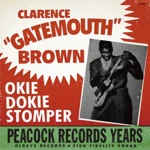 Buy from Amazon Okie Dokie Stomper - Peacock Records Years
Legacy and Impact
Peacock Records was a trailblazing Black-owned enterprise that thrived in the segregated music industry of the 1950s–1960s. It helped put Houston on the national map as a recording center and provided a platform for artists who shaped blues, R&B, and gospel. The catalog’s influence extends to rock (via covers like “Hound Dog”) and modern soul. Reissues on labels like MCA/Universal and specialist compilations keep the music accessible. Robey’s vision and the label’s success paved the way for later Black-owned imprints, cementing Peacock’s place as a cornerstone of American music history.