Revenant Records is an acclaimed American independent record label specializing in folk, blues, American primitive guitar, gospel, and other “raw musics” from the early 20th century through the present. Founded in 1996, Revenant is renowned for its meticulous archival reissues, lavish packaging, extensive liner notes, and commitment to neglected or underappreciated artists. The label has earned multiple Grammy Awards and widespread critical praise for elevating obscure recordings to cult status.
Founding and History
Revenant Records was co-founded in 1996 by legendary guitarist and composer John Fahey and Dean Blackwood. Fahey, a pioneering figure in American primitive guitar and a passionate archivist of old-time music, partnered with Blackwood (an attorney and music enthusiast) to create a label dedicated to music that mainstream culture had overlooked or forgotten. The name “Revenant” evokes the idea of music returning from the dead or margins.
The label emerged from Fahey and Blackwood’s shared frustration with the state of reissues and their desire to present “raw” music with the respect and context it deserved. Early on, Revenant operated with a focus on high-fidelity transfers from original 78 rpm records, thorough historical research, and beautiful, limited-edition packaging. Blackwood handled much of the day-to-day operations, while Fahey contributed artistic vision and liner notes. The label was initially based in the Nashville area before moving to Austin, Texas.
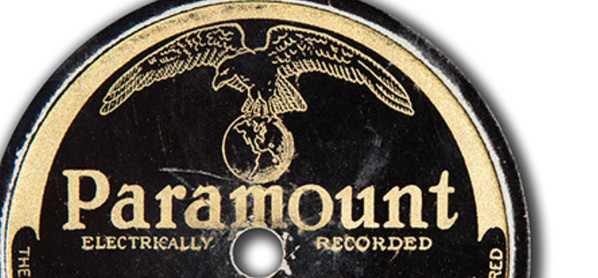
Revenant gained significant attention with ambitious projects like the Screamin’ and Hollerin’ the Blues: The Worlds of Charley Patton box set (2001), which won three Grammy Awards in 2003. The label also released the long-unavailable fourth volume of Harry Smith’s Anthology of American Folk Music (2000). After Fahey’s death in 2001, Blackwood continued the label, though activity slowed in later years before occasional revivals (such as Paramount Records-related projects in partnership with Jack White’s Third Man Records).
Ownership and Business Practices
John Fahey (1939–2001) and Dean Blackwood were the founders and primary owners. Fahey’s role was more visionary and curatorial, drawing on his deep knowledge of American vernacular music. Blackwood managed operations, production, and distribution. Revenant operated as a boutique independent label, emphasizing quality over quantity. Releases were often limited, meticulously researched, and aimed at serious collectors and enthusiasts rather than mass markets. The label’s philosophy centered on “raw musics”—uncompromising, authentic recordings from folk, blues, gospel, and experimental traditions. Packaging frequently included extensive booklets with rare photos, essays, and discographical details.
Notable Artists and Recordings
Revenant Records’ catalog is relatively compact but exceptionally curated, emphasizing high-fidelity reissues, lavish packaging, and extensive historical context. The label focused on “raw musics”—uncompromising folk, blues, gospel, American primitive guitar, and outsider sounds from the early 20th century onward. Releases often drew from 78 rpm sources, with meticulous transfers and scholarly liner notes that elevated obscure recordings to essential status.
Charley Patton
The cornerstone of Revenant’s legacy is the monumental 7-CD box set Screamin’ and Hollerin’ the Blues: The Worlds of Charley Patton (2001). This exhaustive collection presented the complete known recordings of the Delta blues legend, along with rare photos, detailed discographical information, and essays. It won three Grammy Awards in 2003 (Best Historical Album, Best Album Notes, and Best Boxed or Special Limited Edition Package) and is widely regarded as one of the finest archival projects in blues history. The set captured Patton’s raw power, intricate guitar work, and haunting vocals, introducing him to new generations.
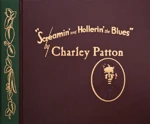 Buy from Amazon Screamin’ and Hollerin’ the Blues: The Worlds of Charley Patton
American Primitive Series
One of Revenant’s most influential and beloved initiatives, the American Primitive series celebrated raw, idiosyncratic American music, particularly guitar-based and vernacular traditions. These compilations highlighted overlooked or “primitive” recordings with exceptional sound quality and in-depth documentation.
- American Primitive Vol. 1: Raw Pre-War Gospel (1926–1936): This double-CD set (released around 1997–1998) gathered intense, fiery pre-war gospel performances. It featured raw, impassioned singing and guitar work from artists who blended sacred and secular styles. The packaging and notes emphasized the unpolished, emotional power of these recordings, many drawn from rare 78s. Fahey contributed to the vision, and the set helped popularize the “American Primitive” concept beyond his own guitar style.
 Buy from Amazon American Primitive Vol. 1
- American Primitive Vol. II: Pre-War Revenants (1897–1939): A landmark double-CD (or expanded) collection released to mark the label’s 10th anniversary. It included haunting tracks such as Geeshie Wiley’s legendary “Last Kind Words Blues” (1930), Mattie May Thomas’ “Workhouse Blues” (1939), and performances by the Two Poor Boys. Liner notes by Dean Blackwood, Scott Blackwood, and John Fahey provided rich context. The set showcased Revenant’s commitment to unearthing powerful, idiosyncratic voices from the 78 rpm era, blending blues, gospel, and folk with a focus on emotional intensity and technical rawness. These volumes helped define the label’s aesthetic and influenced the broader “old weird America” revival.
The series as a whole positioned Revenant as a curator of “primitive” music—unrefined, deeply expressive, and often commercially neglected—while connecting it to Fahey’s own American primitive guitar tradition.
Harry Smith’s Anthology of American Folk Music, Vol. 4
Revenant completed Harry Smith’s legendary folk anthology project with this 2000 release. It featured previously unavailable tracks from Smith’s collection, presented with the same meticulous care as the original volumes. The set included extensive notes and helped preserve Smith’s influential curatorial vision.
Other Notable Releases
- John Fahey: Posthumous and archival material, including Red Cross (2003), reflecting Fahey’s own contributions to American primitive guitar.
- Dock Boggs, Geeshie Wiley, and various pre-war artists featured across compilations.
- Experimental and outsider works, such as releases involving Sir Richard Bishop and other Revenant-associated artists.
Revenant also explored jazz (e.g., Albert Ayler box set) and other “raw” traditions, always prioritizing sonic fidelity and historical insight.
Revenant’s approach often involved partnering with archives and using high-quality mastering to preserve the original character of old recordings, while providing rich historical context that elevated the music beyond mere nostalgia.
Legacy and Impact
Though never a high-volume commercial label, Revenant Records has had a profound influence on the revival and appreciation of American vernacular music. Its Grammy-winning Patton box set and other archival projects set new standards for reissue quality and scholarship. The label helped introduce (or reintroduce) artists like Charley Patton, Geeshie Wiley, and Dock Boggs to wider audiences, influencing the “old weird America” aesthetic celebrated by figures like Greil Marcus and modern folk/americana artists.
After a period of relative dormancy, Revenant has seen occasional revivals, including collaborations with Third Man Records on Paramount-related material. Its catalog remains a benchmark for serious listeners and collectors interested in the raw, unfiltered roots of American music. Revenant exemplifies the power of passionate, independent curation in preserving cultural history.