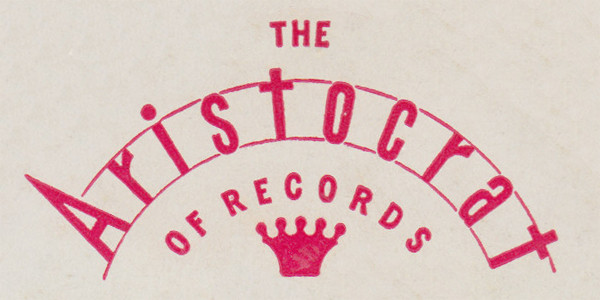
Aristocrat Records: The Precursor to Chess and the Birth of Chicago Electric Blues was a short-lived but pivotal Chicago independent label active from 1947 to around 1950. It served as the foundation for what became the legendary Chess Records empire, recording early electric blues that helped define the Chicago sound and launch the careers of artists like Muddy Waters. Aristocrat’s brief existence bridged the gap between postwar jump blues and the amplified, gritty style that influenced rock ‘n’ roll.
Founding and History
Aristocrat Records was founded in 1947 by Charles and Evelyn Aron, along with partners Fred and Mildred Brount and Art Spiegel. The Arons, who owned the Macomba Lounge on Chicago’s South Side, entered the recording business to capture the talent performing in their club and the growing Black music scene on the South Side. Leonard Chess (then operating liquor stores and clubs) bought a stake in the label in 1947 and gradually increased his involvement. By late 1949, Leonard and his brother Phil Chess had acquired full control. In June 1950, they renamed the company Chess Records, phasing out the Aristocrat name by early 1951.
The label operated during a transitional period when independent labels were crucial for recording Black artists ignored by majors. Aristocrat focused on blues, R&B, and jazz, with sessions often held in local studios. The Chess brothers’ business acumen and club connections helped the label secure talent and distribution. Aristocrat’s success with Muddy Waters’ early sides directly led to the Chess rebranding and expansion.
Ownership and Business Practices
Initial owners were the Aron family and partners. Leonard Chess (Lejzor Czyz) and Phil Chess (Fiszel Czyz), Polish-Jewish immigrants, became key figures. Leonard was the primary driver, handling A&R and operations, while Phil managed aspects of the business. Their hands-on approach—recording local talent from their clubs—proved highly effective. The label used local studios and focused on authentic, amplified blues that appealed to urban Black audiences. After the rename to Chess, the operation grew significantly, adding subsidiaries like Checker and Argo. The Aristocrat era laid the groundwork for Chess’s dominance in electric blues.
Aristocrat Records’ catalog is small but historically significant, primarily documenting the birth of Chicago electric blues. The label’s recordings were typically raw and energetic, reflecting live club performances with electric guitars, harmonica, and driving rhythms—elements that defined the genre.
Muddy Waters
The label’s most important artist. Waters’ Aristocrat sessions (1947–1950) represent one of the most pivotal moments in blues history. These recordings captured the transition from Delta acoustic blues to the amplified, urban Chicago sound.
Early sessions in 1947–1948 included collaborations with Sunnyland Slim (piano) and Big Crawford (bass). Tracks like “Gypsy Woman” and “Little Anna Mae” showed promise but were not immediate hits. These featured Waters on electric guitar, marking an early step toward the Chicago sound.
The pivotal 1948 singles were breakthroughs: “I Can’t Be Satisfied” / “I Feel Like Going Home” (Aristocrat 1305) became a significant hit (No. 11 on the R&B charts). “I Can’t Be Satisfied” showcased Waters’ powerful slide guitar and emotive vocals over a driving rhythm. “I Feel Like Going Home” was a stark, haunting Delta-style number.
“Rollin’ Stone” (recorded around this period) was another landmark, inspiring The Rolling Stones’ name. Its hypnotic riff and confident delivery highlighted Waters’ star power.
Later sessions in 1949–1950 refined the sound with fuller band arrangements (including Jimmy Rogers and, later, Little Walter). By mid-1950, as the label transitioned to Chess, tracks like “Louisiana Blues,” “Long Distance Call,” and “Honey Bee” further solidified Waters’ reputation. Many Aristocrat masters were reissued on Chess.
The Aristocrat sessions were typically recorded quickly in Chicago studios, with Waters’ electric guitar (often slide) at the forefront. Production prioritized live energy over polish—a hallmark that defined Chess blues. These recordings electrified traditional Delta blues, adding volume, distortion, and urban urgency. They helped launch the Chess empire and established Waters as “the father of modern Chicago blues.” Reissues preserve these foundational tracks.
Other Artists
While Muddy Waters dominated Aristocrat’s legacy, the label recorded a variety of jump blues, R&B, jazz, and vocal group acts that reflected the diverse South Side Chicago scene. Many of these artists later appeared on Chess or related imprints.
- Sunnyland Slim (Albert Luandrew): A key pianist and vocalist who appeared on several early Muddy Waters sessions. Slim recorded his own sides for Aristocrat, including material that highlighted his boogie-woogie piano style and gritty vocals. He served as a bridge between older blues traditions and the emerging electric sound, and his collaborations with Waters were instrumental in the latter’s breakthrough.
- Andrew Tibbs (Melvin Andrew Grayson): One of the label’s early R&B singers. Tibbs recorded smooth, urbane ballads and jump blues numbers that appealed to the club audiences of the era. His Aristocrat sides showcased polished vocal delivery with small-band backing, representing the more sophisticated side of the label’s output.
- Eddie Boyd: Pianist and singer who contributed strong blues and R&B tracks. Boyd’s Aristocrat recordings featured his distinctive piano work and heartfelt vocals, with some sides gaining regional attention. He later achieved greater success on Chess.
- Other Jump Blues and R&B Acts: Aristocrat released material by various lesser-known local talents, including small combos and vocal groups performing in the Macomba Lounge and similar venues. These recordings captured the lively, dance-oriented sound of postwar Chicago’s Black entertainment scene, with horns, piano, and rhythm sections complementing guitar and vocals. While not as commercially prominent as Waters’ sides, they documented the breadth of talent in the city and provided early exposure for artists who would contribute to the broader Chess catalog.
The label’s non-Waters output often leaned toward jump blues and early R&B, with a mix of original compositions and covers. Production quality varied but consistently prioritized energetic performances suitable for jukeboxes and clubs. Many of these sides have been compiled on reissues focused on Aristocrat/Chess pre-1950 material, offering a fuller picture of Chicago’s blues ecosystem during a transformative period.
Suggested Listening
 Buy from Amazon The Aristocrat Blues Story
 Buy from Amazon The Aristocrat of the Blues - The Best of Aristocrat Records, Vol 1
 Buy from Amazon The Aristocrat of the Blues - The Best of Aristocrat Records, Vol. 2
Legacy and Impact
Though Aristocrat existed for only a few years, its importance cannot be overstated. It provided the platform for Muddy Waters’ breakthrough and allowed the Chess brothers to build one of the most influential labels in American music history. The transition to Chess Records in 1950 marked the beginning of a golden era for Chicago blues, with Aristocrat masters forming part of the foundation. The label’s recordings helped electrify the blues, influencing rock ‘n’ roll pioneers and subsequent generations. Reissues and compilations (often under the Chess banner) keep Aristocrat’s contributions alive, underscoring its role as a crucial stepping stone in the story of modern blues and rock music.