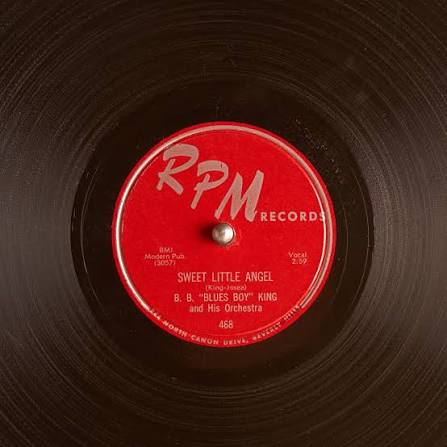
Sweet Black Angel (also issued as “Black Angel Blues” and often styled “Black Angel Blues (Sweet Black Angel)”) stands as one of the foundational postwar electric blues recordings. Recorded by Robert Nighthawk during his crucial late-1940s Chicago period, the song bridges Delta slide blues and urban electric blues, linking earlier country blues traditions to the sound that later shaped players such as B. B. King, Elmore James, and Earl Hooker. It also became the direct ancestor of B.B. King’s enormously influential “Sweet Little Angel,” one of the best-known slow blues performances ever recorded.
Origins and Songwriting
Although commonly credited to Robert Nighthawk, the song has a more complicated lineage. Nighthawk’s version grew from earlier blues material circulating in the 1930s. A prototype appeared in a 1930 recording by Lucille Bogan, while Tampa Red later recorded a related “Black Angel Blues,” helping establish the song’s melodic and lyrical framework. Nighthawk electrified and reshaped the piece into a darker, slower, emotionally charged performance suited to Chicago blues aesthetics. Later releases credited the composition to “R. Nighthawk,” reflecting his arrangement and adaptation rather than an entirely original composition.
Lyrically, the song belongs to the tradition of pleading, romantic blues ballads centered on longing, admiration, and emotional vulnerability. Rather than relying on narrative drama, Nighthawk’s interpretation gains power through vocal pacing, slide phrasing, and emotional restraint.
The Recording Session (July 12, 1949)
The definitive recording was made in Chicago for the Chicago-based label later known as Chess. At the time the company was still operating under the name Aristocrat Records, the precursor to Chess. The session took place on July 12, 1949, and yielded several important Nighthawk titles including “Annie Lee Blues,” “Sugar Papa,” and “Return Mail Blues.” Muddy Waters reportedly encouraged Aristocrat to record Nighthawk, helping his friend secure the session.
Personnel (July 12, 1949 session)
The recording was issued under the name The Nighthawks.
-
Robert Nighthawk — vocals, electric slide guitar
-
Ernest Lane — piano
-
Willie Dixon — bass
Some archival discographies identify pianist Sunnyland Slim in documentation, but specialist Nighthawk research and session reconstructions strongly support Ernest Lane as the pianist on the July 1949 Aristocrat recordings. The discrepancy reflects the fragmentary state of postwar blues documentation.
Producer and Label Context
No individual producer credit survives for the session, which was typical of many independent blues recordings of the period. Aristocrat Records’ operations were overseen by founders and executives including Leonard Chess and Phil Chess after the company evolved into Chess. During this era, sessions were often run collectively by label owners, engineers, and A&R personnel rather than a single named producer in the modern sense. Muddy Waters’ advocacy was instrumental in bringing Nighthawk into the studio.
One historically important detail: the record marks one of the earliest Aristocrat/Chess appearances by Willie Dixon, who would later become the label’s defining bassist, songwriter, arranger, producer, and talent developer.
Musical Analysis
Musically, “Sweet Black Angel” is remarkable because it captures a transition point between Delta blues intimacy and Chicago electric sophistication.
Key musical characteristics include:
-
Electric slide guitar as lead voice — Nighthawk’s bottleneck phrasing becomes almost vocal in expression, using long sustained notes and microtonal bends rather than flashy runs.
-
Sparse accompaniment — the rhythm section never crowds the arrangement; piano and bass act as support rather than equal partners.
-
Relaxed tempo and emotional gravity — unlike harder-driving postwar Chicago blues, the performance unfolds with patience and tension.
-
Conversational vocal delivery — Nighthawk sings in a deep, understated voice, emphasizing mood over dramatic projection.
Critics and historians often describe Nighthawk’s slide style as unusually fluid and liquid-sounding, an influence later audible in the phrasing of Elmore James and Earl Hooker. Specialist blues commentary describes his notes as seeming to drip from the amplifier rather than strike sharply, a hallmark of his highly vocal slide phrasing.
Release History and Recordings
1. Original Aristocrat Single (1949)
The canonical version was issued in 1949 on Aristocrat as a two-sided release:
-
“Annie Lee Blues” / “Black Angel Blues (Sweet Black Angel)”
-
credited to The Nighthawks
“Annie Lee Blues” became the commercial side, briefly reaching the R&B charts, while “Black Angel Blues” slowly acquired prestige among musicians and collectors.
2. Later Reissues and Anthologies
Because postwar blues sessions were frequently repackaged, the recording later appeared on many compilations, including:
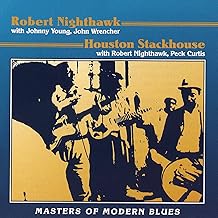 Masters Of Modern Blues
-
Prowling With the Nighthawk
-
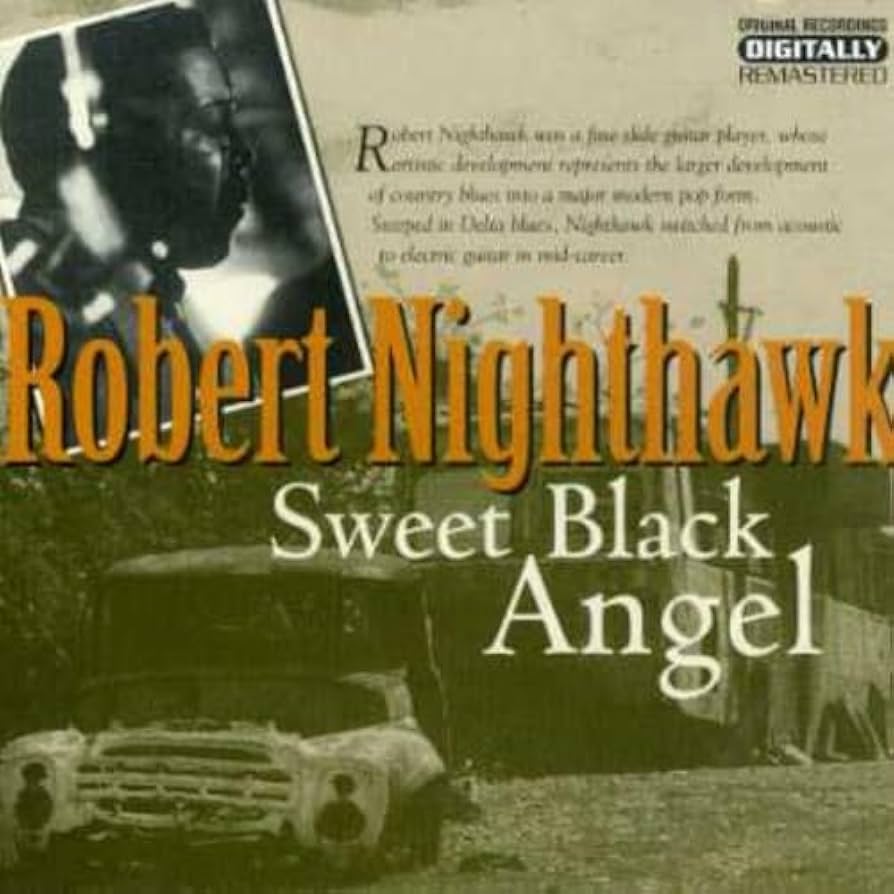
Sweet Black Angel
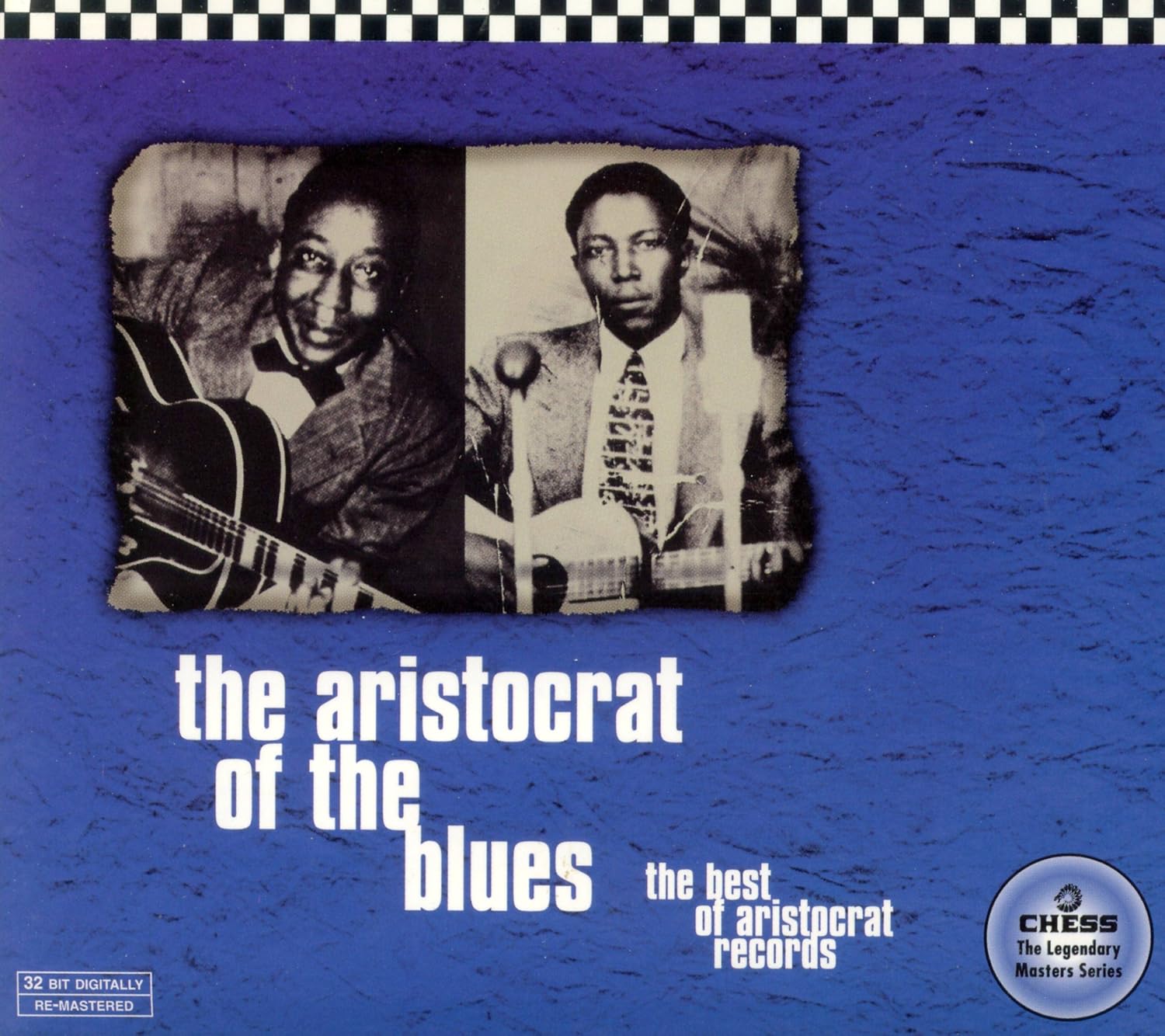
These collections consolidated Nighthawk’s Aristocrat, Chess, and related recordings, helping restore his reputation during the blues revival era.
3. Live and Later Interpretations
Unlike some blues standards, there is no evidence of a major late-career studio remake by Nighthawk himself. The 1949 take remains the definitive version and the one repeatedly anthologized. Later live repertory performances by blues musicians generally derive from this recording or from B.B. King’s adaptation.
Relationship to “Sweet Little Angel”
The song’s greatest historical consequence lies in its transformation by B.B. King.
In 1956, B.B. King adapted Nighthawk’s composition into:
Sweet Little Angel
King reportedly knew the song from his years as a radio DJ and performer. He streamlined the structure, altered lyrics, amplified the emotional dynamics, and transformed it into one of the defining electric blues slow-drag performances. “Sweet Little Angel” became a hit and later entered the canon of modern blues standards.
This connection means that nearly every guitarist who learned “Sweet Little Angel” indirectly absorbed Robert Nighthawk’s musical DNA.
Influence on Musicians
Nighthawk’s recording influenced several generations of blues players:
-
B. B. King — adapted it into a signature performance.
-
Elmore James — absorbed aspects of Nighthawk’s slide vocabulary.
-
Earl Hooker — later recorded “Sweet Black Angel” and extended Nighthawk’s expressive slide tradition.
-
Buddy Guy and later Chicago blues players continued performing versions rooted in Nighthawk’s arrangement.
Community discussion among blues listeners frequently treats the song as a “musician’s record”: less commercially famous than B.B. King’s version but revered as a touchstone of electric slide blues authenticity.
Legacy
The long-term legacy of “Sweet Black Angel” is disproportionately large relative to its original commercial success.
Its achievements include:
-
Establishing Robert Nighthawk as a central architect of electric slide blues.
-
Providing the blueprint for B.B. King’s “Sweet Little Angel.”
-
Helping define the Aristocrat-to-Chess sound during a formative moment in Chicago blues history.
-
Serving as an early showcase for Willie Dixon before his legendary Chess career.
-
Recognition by the Blues establishment: Nighthawk’s “Black Angel Blues” was inducted into the Blues Foundation Hall of Fame in the Classics of Blues Recordings category in 2007.
More than seventy-five years later, “Sweet Black Angel” remains one of the clearest examples of how postwar blues transformed Delta tradition into electrified urban music without losing emotional intimacy. Its influence echoes every time a guitarist bends notes slowly through a twelve-bar slow blues and lets silence matter as much as sound.