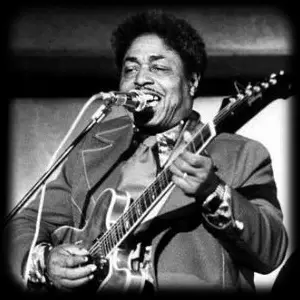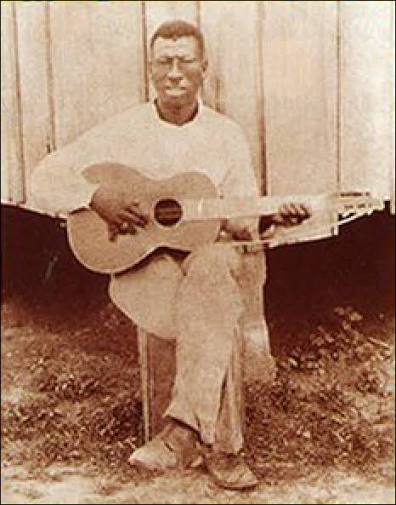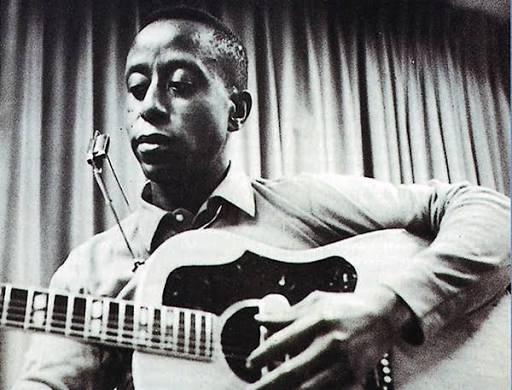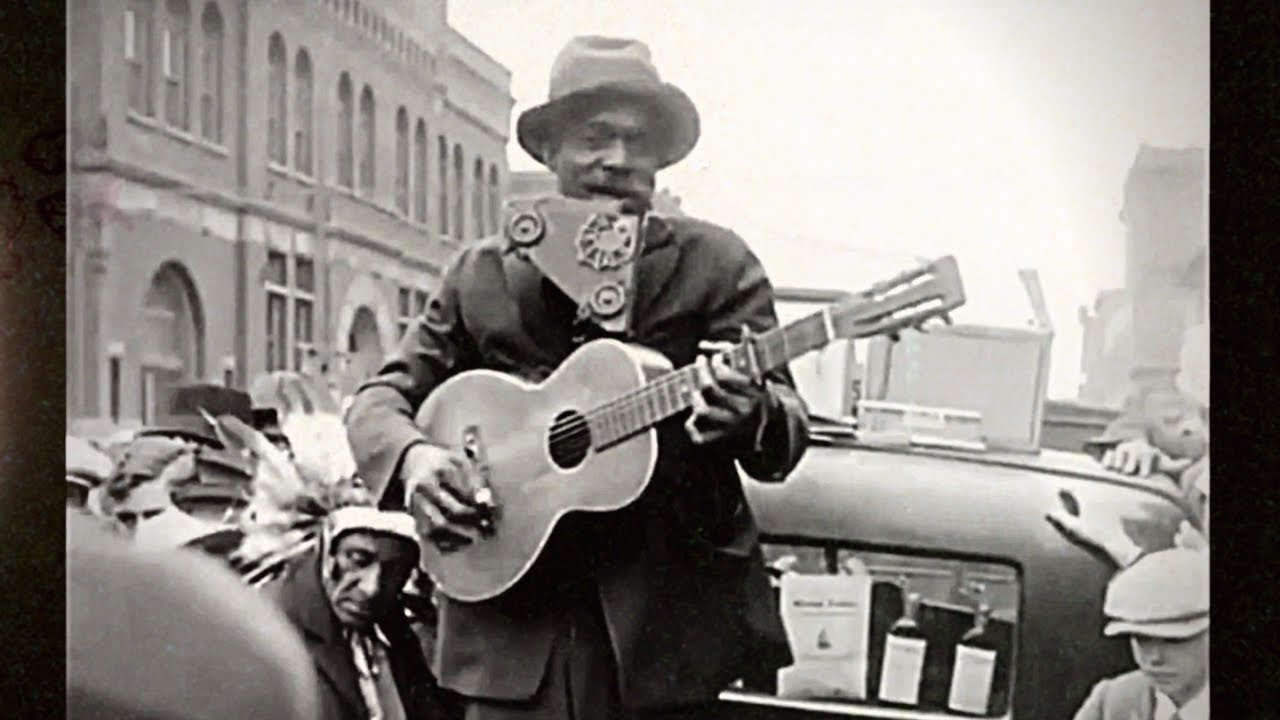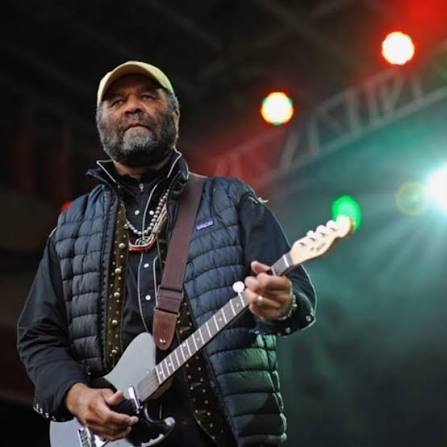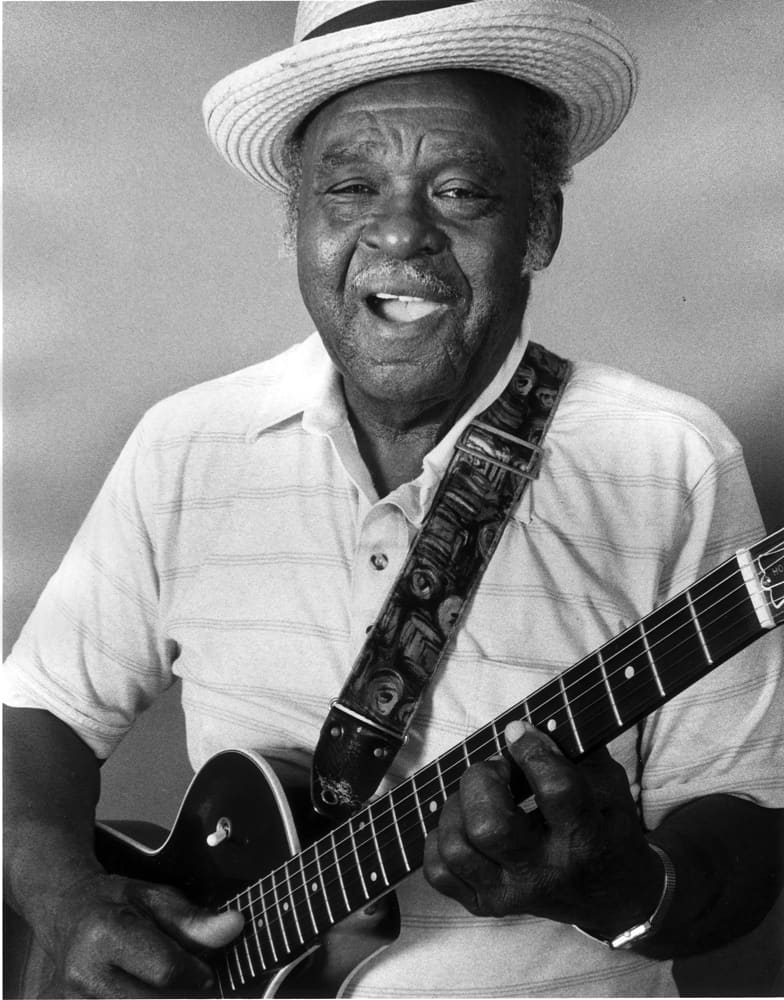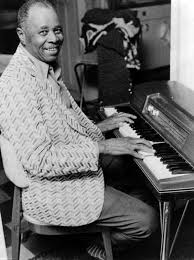
Albert "Sunnyland Slim" Luandrew (September 5, 1907 – March 17, 1995) was one of the most consequential yet under-recognized figures in the history of American blues. A towering pianist, singer, and bandleader whose career spanned eight decades, he served as the central axis around which the postwar Chicago blues scene revolved. He played with Ma Rainey and Blind Blake, mentored Muddy Waters and Little Walter, recorded over 250 songs, and maintained a weekly club residency into his late eighties. Though he never achieved the mass popularity of his protégés, his role as a connector, enabler, and musical patriarch made him indispensable to the development of Chicago blues.
Early Life and Musical Education
Sunnyland Slim was born Albert Luandrew on a farm near Vance, Mississippi, a small Delta town near Clarksdale in the cotton-growing region of northwestern Mississippi. As a boy, he plowed with a mule and performed other farm labor, but developed an early interest in music. He taught himself to play piano and organ and began playing in a local church at age fourteen. By 1924, he was playing piano in a small movie theater in nearby Lambert, Mississippi. The tall, slender youth soon acquired the nickname that would become his lifelong stage name.
His early musical education was informal but thorough. He absorbed the sounds of the Mississippi Delta, listening to local blues musicians and developing a barrelhouse piano style that would later define his Chicago sound. He also developed an interest in jazz, and throughout his career would throw in musical quotations from Count Basie and Duke Ellington—an unusual sophistication for a blues pianist of his generation.
Memphis and the Southern Circuit
In the mid-1920s, Luandrew moved to Memphis to try his hand in the barrelhouses and honky-tonks that lined Beale Street. Memphis remained his home base for approximately fifteen years, though he played all over the South. He appeared briefly in Ma Rainey's Arkansas Swift Foot Revue and worked with many important blues artists of the period, including Blind Blake, Blind Boy Fuller, Roosevelt Sykes, Memphis Slim, and Little Brother Montgomery.
He adopted his colorful stage name from the title of one of his best-known songs, the mournful "Sunnyland Train," which immortalized the speed and deadly power of a St. Louis-to-Memphis locomotive that mowed down numerous people unfortunate enough to cross its tracks at the wrong instant. The song's downbeat narrative reflected the hard realities of Southern life, and the name stuck.
Memphis in the 1920s and 1930s was a rough town. As Slim told Deep Blues author Robert Palmer, "Memphis used to be a barrelhouse town... It was the greatest town in the world for pimps and hustlers. That's where a whole lot of people got killed, you know." A 1916 insurance company report documented a murder rate of 90 per 100,000 inhabitants—higher than that of Washington, D.C. in the 1990s. Despite the dangers, the city offered opportunities for piano players that rural Mississippi could not match.
The Move to Chicago and the Birth of a Scene
In 1942, according to Slim's own account, "Memphis got a little rough, and they closed the joints, and they was the places where they had pianos, and you can be damn sure a piano player is going to be closed with them." After working in Missouri for a short time, he got an offer to record in Chicago. He moved there, supporting himself by factory work, truck driving, and occasional club appearances. The original record deal fell through, and it was five years before he made his first recording. During that time, however, he established himself as one of the artists who made Chicago virtually synonymous with the blues.
Slim's arrival in Chicago coincided with the beginning of the Great Migration's second wave, as thousands of Southern Black Americans moved to Northern industrial cities seeking work and escape from Jim Crow. Chicago's South Side became the epicenter of a new, electrified blues sound, and Slim positioned himself at the center of this emerging scene.
From 1947 through 1954, the basement of Slim's house served as an informal headquarters for Chicago blues musicians. Lester Davenport, Johnny Jones, Floyd Jones, Otis Spann, Little Walter, Big Bill Broonzy, Eddie Boyd, Junior Wells, Earl Hooker, Jimmy Rogers, Willie Mabon, and countless others went there to drink, shoot pool or craps, sleep, eat, and play music. As Lester Davenport recalled, "All the musicians, they just taken up with Sunnyland... Because he wasn't prejudiced no kind of way. He wasn't jealous hearted of nobody, regardless of what you play or how you play. It was just open house for all the musicians."
The Chess Connection and Muddy Waters
Perhaps the single most consequential act of Sunnyland Slim's career was his role in launching Muddy Waters's recording career. In 1946, Slim finagled a deal that got Waters into the Chess studios (then operating as Aristocrat Records) to record "Can't Be Satisfied" in 1947. As Slim recalled, "I lied and got Muddy in there... No union! But he could play that guitar sound the way he played it, and Chess needed that. I got him in there, and he and (Willie) Dixon played those tunes."
This introduction came at Slim's own birthday party, where the Chess brothers made Waters' acquaintance. The recording led to the Muddy Waters Band, which led to what became known as the Chicago sound. Without Sunnyland Slim's intervention, the history of postwar blues—and by extension, rock and roll—might have unfolded very differently.
The Recording Career: 1946–1985
Slim's recording career began in 1946 and continued for nearly forty years, producing over 250 songs across dozens of labels. His discography reflects the fragmented nature of the independent blues record business in the 1940s and 1950s.
The Early Years (1946–1956)
His first recording was as a singer with Jump Jackson's band on the Specialty label in September 1946. His first recordings as a bandleader came in 1947 for RCA Victor, where he was billed as "Doctor Clayton's Buddy"—a pseudonym meant to capitalize on his association with the late Peter "Doctor" Clayton, who had attained some success before drinking himself to death following the loss of his wife and two children in a train accident. The eight Victor sides included "Nappy Head Woman," "Broke and Hungry," and "Illinois Central." He also recorded a few songs as "Delta Joe" on the Opera label.
Between 1947 and 1956, Slim recorded for a dizzying array of labels: Aristocrat (later Chess), Hytone, Mercury, Apollo, J.O.B., Regal, Opera, Chance, Constellation, Blue Label, Vee-Jay, Club 51, and Cobra. This constant label-hopping was typical of the era, as independent labels rose and fell, and artists sought any outlet that would record and release their music. Key recordings from this period include:
-
"Johnson Machine Gun" (Aristocrat, c. 1947–48) – A harrowing, topical blues recorded with Muddy Waters
-
"Fly Right, Little Girl" (Aristocrat)
-
"She Ain't Nowhere" (Aristocrat)
-
"My Baby, My Baby" (Aristocrat)
-
"Jivin' Boogie" (Hytone, 1949)
-
"The Devil Is a Busy Man" (Hytone, 1949)
-
"Mud Kicking Woman" (Hytone, 1949)
-
"Bassology" (Constellation, 1953)
-
"When I Was Young" (Constellation, 1953)
-
"Living in the White House" (Constellation, 1953)
-
"It's You Baby" and "Highway 51" (Cobra, 1956, with Lefty Bates and Willie Dixon)
Slim's work as a sideman was equally important. He played piano on sessions for Muddy Waters, Howlin' Wolf, Little Walter, Sonny Boy Williamson, Robert Lockwood Jr., Floyd Jones, J.B. Lenoir, and many others. His powerful piano work set the standard for underpinning the hard, electric sound associated with Chicago blues in the 1950s.
The J.O.B. Years and House Band Leadership
From the late 1940s through the mid-1950s, Slim served as the house pianist at J.O.B. Records, a label he co-owned. This position gave him enormous influence over the sound of Chicago blues recordings, as he accompanied nearly every artist who recorded for the label. His J.O.B. sessions have been compiled on various releases, including the Flyright album Sunnyland Slim (from sessions as J.O.B. Records house pianist).
The Album Era: 1960–1995
The 1960s blues revival brought new opportunities for recording full-length albums. Slim's LP discography includes:
-
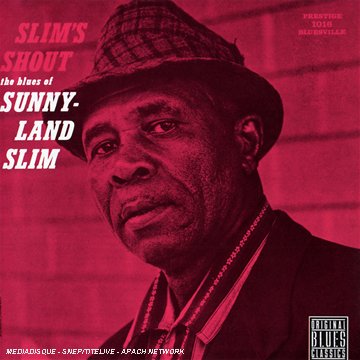 Slim's Shout (Bluesville/Prestige, 1960) – His debut album, recorded in Englewood Cliffs, New Jersey, with King Curtis supplying diamond-hard tenor sax breaks on many cuts. The album includes definitive renditions of "The Devil Is a Busy Man," "Shake It," "Brownskin Woman," and "It's You Baby."
-
Portraits In Blues Vol. 8 (Storyville, 1964)
-
Chicago Blues Session (77 Records, 1964) – With Little Brother Montgomery
-
American Folk Blues (Amiga, 1965) – With Hubert Sumlin, Clifton James, and Willie Dixon; later reissued as Blues Anytime!
-
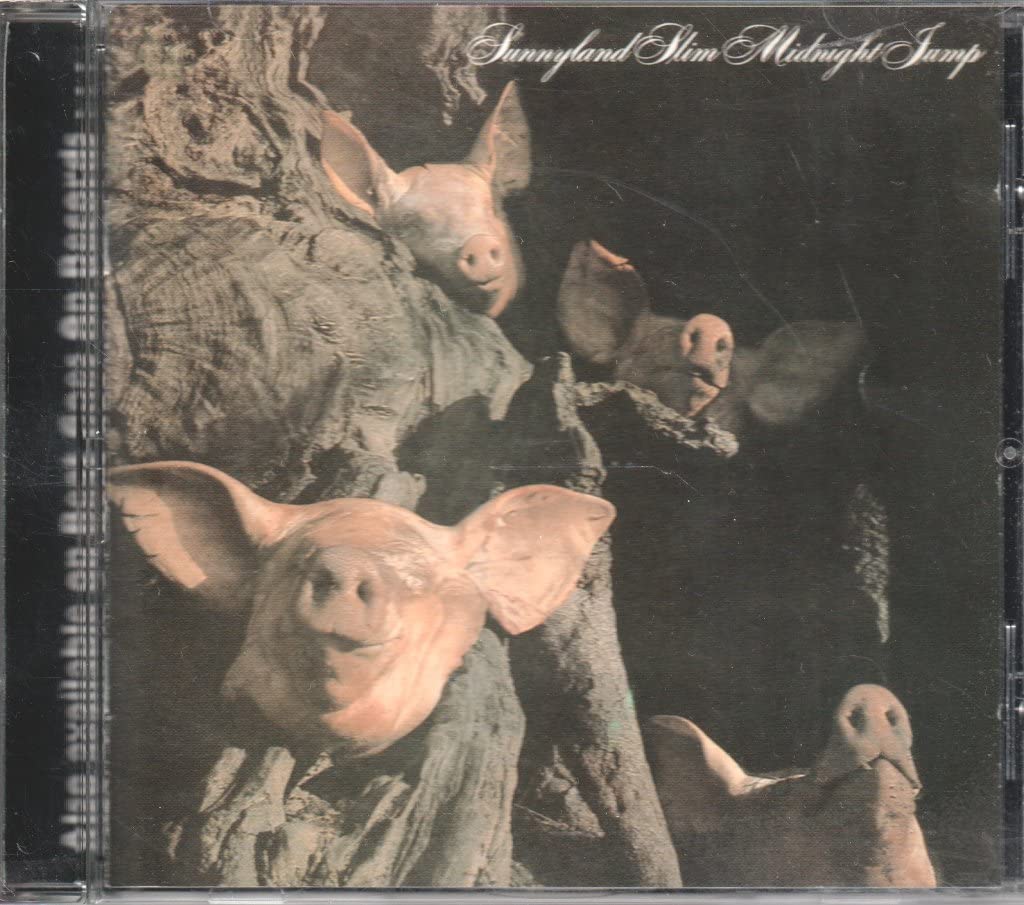 Midnight Jump (Blue Horizon, 1969)
-
Slim's Got His Thing Goin' On (World Pacific, 1969)
-
Pearl Harbour Blues (RCA International, 1970) – As "Doctor Clayton & His Buddy"
-
Depression Blues (Festival, 1971)
-
Sad and Lonesome (Jewel, 1972)
-
Plays Ragtime Blues (BluesWay, 1973)
-
Worried About My Baby (Black & Blue, 1974)
-
The Legacy Of The Blues Vol. 11 (Sonet, 1974)
-
She Got That Jive (Airway, 1974)
-
Sunnyland Slim's Blues Jam With Delta Blues Band (Storyville, 1976)
-
Patience Like Job (Airway, 1979)
-
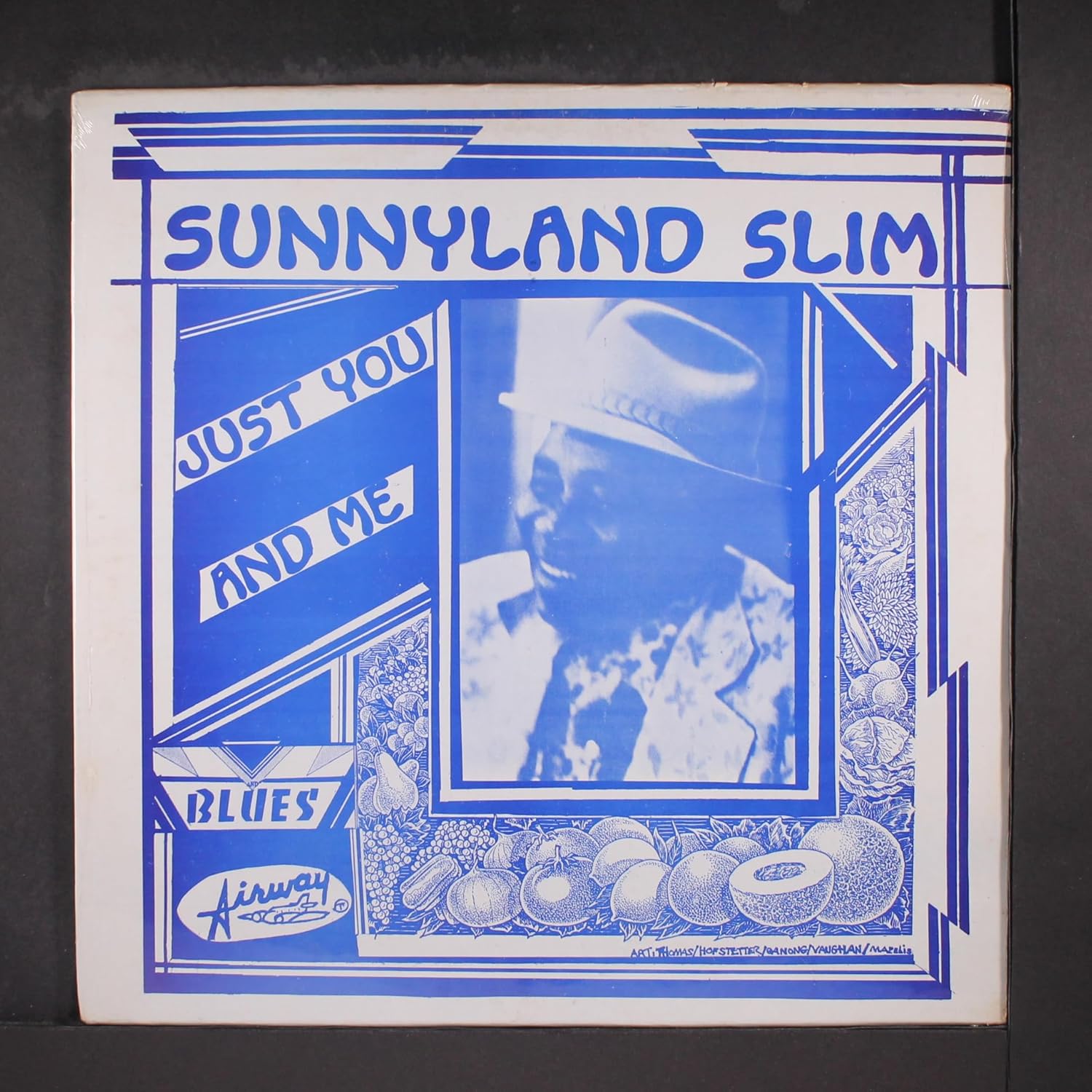 Just You And Me (Airway, 1981)
-
Old Friends (Earwig, 1981) – With David "Honeyboy" Edwards, Kansas City Red, Big Walter Horton, and Floyd Jones
-
Sunnyland Train (Red Beans, 1983; reissued Evidence, 1995)
-
Travelin' (Black & Blue, 1984)
-
Chicago Jump (Red Beans, 1985; reissued Evidence, 1995) – With the Sunnyland Slim Blues Band
-
Sunnyland Slim Blues Band (Red Beans, 1986)
-
Be Careful How You Vote (Airway, 1981; reissued Earwig, 1989)
-
Decoration Day (Evidence, 1994) – Recorded in 1980
-
Live at the D.C. Blues Society (Mapleshade, 1994/1995) – Recorded in 1987
-
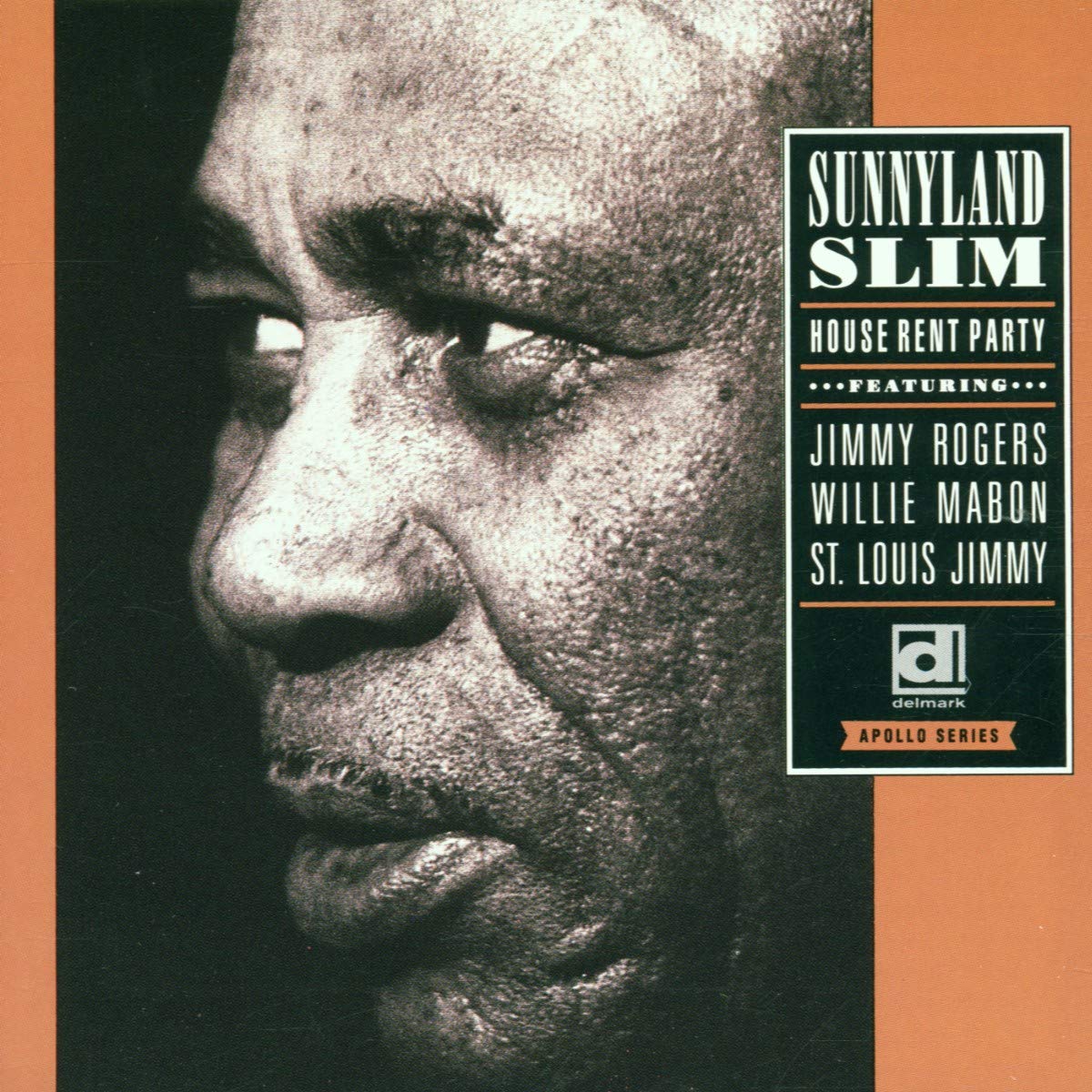 House Rent Party (Delmark, 1992) – Previously unissued recordings from 1949
-
Smile on My Face (Delmark, 1999) – Recorded 1977
-
She Got a Thing Goin' On (Earwig/Blind Pig, 1998) – Recorded 1971–1983
-
Blues Legends Live (Mapleshade, 2006) – With John Dee Holeman
The Airway Label and European Tours
In 1974, Slim founded his own Airway Records label, an outgrowth of years of peddling records out of the trunk of his car when conventional distribution proved inadequate. The label featured a host of local talent, as well as Slim's own recordings. The first release was Sunnyland Slim Live in Europe, 1975.
In 1964, Slim traveled with the American Folk Blues Festival in Europe, becoming among the first blues musicians to play in Eastern Europe. He undertook a solo tour of Europe at age 69 in 1975, and recordings from that tour were released on Wolf Records in 2025 as Rockin' The House. The quality of these recordings is first rate, as are Slim's performances—his piano playing always had a sense of mischief, so that even the saddest songs sounded like there was light at the end of the tunnel.
Musical Style and Characteristics
Sunnyland Slim's piano style was distinctive and influential. He played in a barrelhouse tradition that augmented the light-textured growl of his singing, sometimes punctuated by a rising falsetto and enhanced by the running monologue he kept up with the audience. About his distinctive approach, he said, "I lay it down hard on the piano. The way I do it, I get a person to tap his foot just like a Baptist preacher."
His style was rooted in the Mississippi Delta but incorporated elements of jazz, boogie-woogie, and gospel. He was known for throwing in musical quotations from Count Basie and Duke Ellington, demonstrating a musical sophistication that set him apart from many of his contemporaries. His left-hand patterns were derived from boogie-woogie, but his right-hand work was more melodic and varied than many boogie specialists.
His voice was a light-textured growl, sometimes punctuated by a rising falsetto. He maintained a running monologue with his audience, creating an intimate, conversational atmosphere in his performances. His trademark Woody Woodpecker chortle became a recognizable feature of his live shows.
The B.L.U.E.S. Residency and Final Years
Beginning in the early 1980s and continuing for over ten years, until his health failed him, Slim was a regular Sunday night feature at Chicago's B.L.U.E.S. club on the North Side. He was backed by the same crack combo that recorded with him, including guitarist Steve Freund, bassist Robert Stroger, drummer Robert Covington, and saxophonist Samuel Burkhart.
The effects of a stroke and a broken hip, among other infirmities, took their toll in his last years. He had plates in his legs in four places and used crutches. Yet his performances remained strong to the end. "He flies over the furiously swinging ensemble with singing so powerful as to give the lie to his eight and a half decades of life," John Brisbin wrote in Living Blues. "Twisting a long sweet note into a lemony falsetto howl, he sheds years and ailments like a faith-healed believer."
Saxophonist Samuel Burkhart noted that Slim "defies medical science as we know it. He broke his hip three years ago, which is usually a death sentence for someone in their 80s. But he is still very active, still plays gigs from 9 p.m. until 2 a.m."
Death and Legacy
Sunnyland Slim died on March 17, 1995, in Chicago, of complications stemming from kidney failure. He was 87 years old. A calamitous fall on the ice coming home from a gig had led to numerous complications that ultimately proved fatal.
His death prompted an immediate reappraisal of his career and a series of reissued albums. The 1995 Chicago Blues Festival, mounted two months after his death, showcased the first annual Sunnyland Slim Memorial Piano Set, and the city's mayor declared the final day of the festival "Sunnyland Slim Day in Chicago." A four-hour musical tribute was undertaken by his fellow musicians and attended by many of his earnest fans.
Slim received numerous honors in his later years, including:
-
City of Chicago Medal of Merit (1987)
-
National Heritage Foundation Award, National Endowment for the Arts (1988)
-
Induction into the Blues Foundation Hall of Fame (posthumously, in 2016)
Influence and Significance
Sunnyland Slim's influence on Chicago blues cannot be overstated. He was:
-
The man who introduced Muddy Waters to Chess Records
-
The house pianist at J.O.B. Records who shaped the sound of countless sessions
-
The host whose basement served as a gathering place for the generation of musicians who defined Chicago blues
-
A mentor to Little Walter, Otis Spann, Floyd Jones, and countless others
-
A recording artist whose 250+ sides documented the evolution of Chicago blues from the 1940s to the 1980s
As the Blues Foundation noted, "Sunnyland never had a hit on the Billboard charts despite a prolific recording career that spanned almost 50 years... He never sought a more lucrative overseas residency the way his piano-playing friends Memphis Slim, Eddie Boyd, and Willie Mabon did in Europe. The fact was that he never quit playing the small local blues clubs of Chicago as long as his health would allow, even when he was well into his eighties."
Slim seemed so at home in the Chicago clubs—black or white, South Side or North Side, sometimes West Side—and so much a constant presence on the local blues scene that it's hard to imagine him having spent his musical career doing anything else. If he wasn't a rich man, neither was he one who pleaded poverty. He made plenty of money over the years operating on the local circuit, and only a portion of it from playing music. He had learned to hustle, to deal, to connect with the right people, whether he found himself a job driving for the sheriff or running a gambling and good-time house. He'd picked cotton in Mississippi and fruit in Michigan, cooked meals for road gangs, and run his own storefront business in Chicago. He used to sell customers homebrewed whiskey, cut their hair, and take the rest of their money with crooked dice.
But in later years he toned down his wild side. He remained a musical hustler, hauling a battered portable electric piano around to bars and hawking self-produced 45s and LPs on his own Airway label. As saxophonist Samuel Burkhart observed, "If there's a noble definition of hustler, it would be Sunnyland Slim... He never made it as big as some of the others, such as Muddy Waters, but always was his own man."
Conclusion
Sunnyland Slim embodied the paradox of the blues: a man who reveled in the hardscrabble, often profane blues life, yet could see—and taught others to see—the handiwork of God in people from church sisters to streetwalkers. A man whose faith enabled him to travel the hard, dangerous road of a bluesman and yet never fall prey to bitterness, self-destruction, or despair. His conviction that "you can't have it all. You gotta spread some of it around" guided his mentorship of younger musicians and his role as the grandfatherly center of the Chicago blues community.
From the Mississippi Delta to Memphis barrelhouses to Chicago's South Side, from the 1920s to the 1990s, Sunnyland Slim played the blues with an authenticity and power that made him one of the most important figures in the genre's history. He may not have been the most famous name on the marquee, but without him, the Chicago blues scene as we know it might never have existed. His legacy lives on in the music of Muddy Waters, Little Walter, and the countless other artists whose careers he helped launch, and in the annual Memorial Piano Set that bears his name at the Chicago Blues Festival.