Early Life and Background
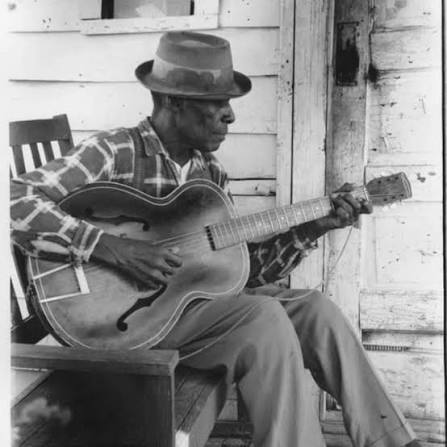
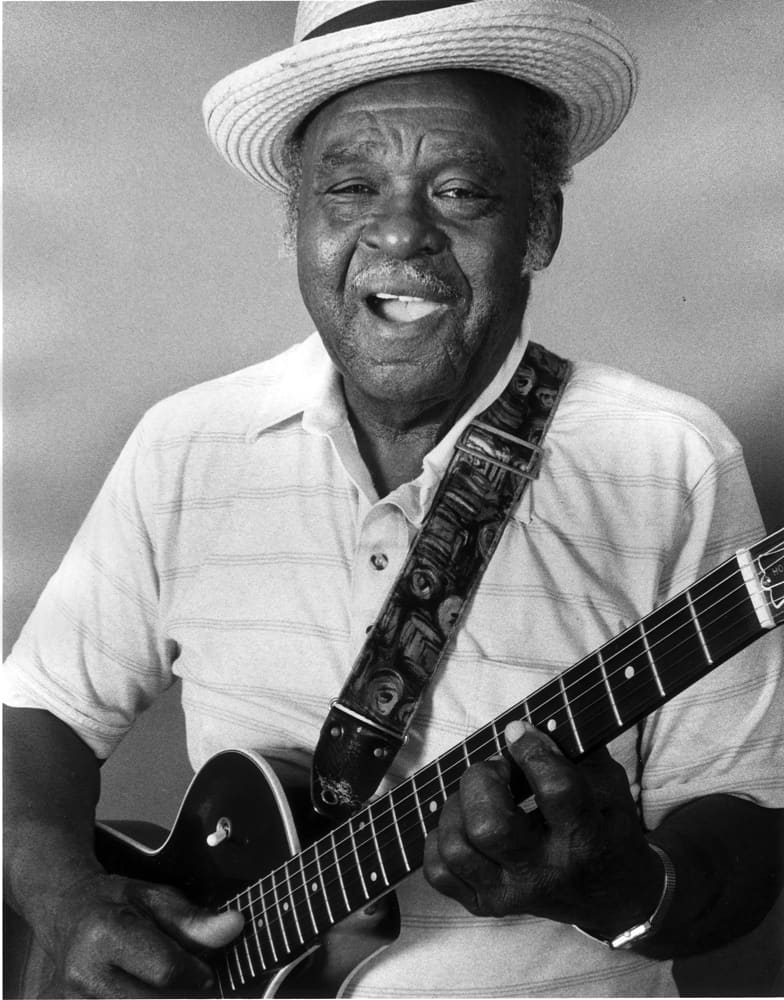
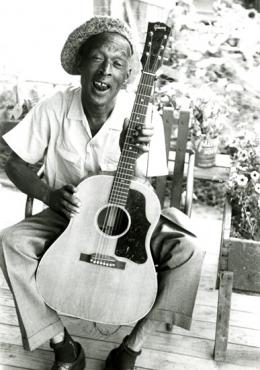
Pinkney "Pink" Anderson was born on February 12, 1900, in Laurens, South Carolina. He grew up in a region rich with Piedmont blues traditions — a lighter, more ragtime- and fingerpicking-influenced style than the deeper Delta blues of Mississippi. Anderson was largely self-taught on guitar and developed a versatile repertoire that blended blues, folk, ragtime, traditional ballads, spirituals, and minstrel show tunes.
At age 14, he ran away from home to join traveling medicine shows, a common circuit for Black entertainers in the early 20th century. He performed as a "draw man" — using music, dancing, and comedy to attract crowds for pitchmen selling tonics and remedies. For roughly 30 years (1915–1945), Anderson toured the Southeast with various medicine shows, honing his skills as a multi-talented performer: singer, guitarist, dancer, and comedian.
He partnered with blind guitarist Simmie Dooley, learning advanced fingerpicking techniques from him. The duo performed together for many years, becoming a fixture on the medicine show and street performance circuit.
Recording Career
Pink Anderson’s recording career was modest in volume but significant in its documentation of Piedmont blues and medicine show traditions. Like many Southern Black musicians of his generation, commercial opportunities were limited, and much of his best work was captured during the folk-blues revival of the late 1950s and early 1960s.
1928 Columbia Sessions (with Simmie Dooley)
Anderson’s first and earliest commercial recordings occurred on April 14, 1928, in Atlanta, Georgia, for Columbia Records. He performed as a duo with his longtime partner, blind guitarist Simmie Dooley. The session produced four sides, released on two 78 rpm singles:
- Columbia 14336-D (released late 1928):
- “Papa’s About to Get Mad”
- “Gonna Tip Out Tonight” (featuring Dooley on kazoo)
- Columbia 14400-D (released December 1928):
- “Every Day in the Week Blues”
- “C.C. and O. Blues”
These recordings showcase the duo’s lively, entertaining medicine show/hokum style — a blend of blues, ragtime, and vaudeville humor. The performances are energetic, with tight guitar interplay, call-and-response vocals, and a rhythmic drive rooted in the Piedmont tradition. They represent some of the finest examples of early Southeast string-band blues and remain highly collectible today.
After this session, Anderson made no commercial recordings for over two decades, a common fate for many traveling musicians during the Great Depression and World War II era.
1950 Field Recordings
In 1950, folklorist Paul Clayton recorded Anderson at the Virginia State Fair. These informal sessions captured traditional folk material and early blues, including tracks like “Greasy Greens,” “I Got Mine,” and spirituals. Some of this material was later issued on the Riverside album American Street Songs (shared with Rev. Gary Davis) in 1956. These recordings helped introduce Anderson’s music to the emerging folk revival audience.
The Prestige/Bluesville Sessions (1961–1963)
The most important and extensive documentation of Pink Anderson’s music came during the early 1960s folk-blues revival. Blues historian and producer Samuel Charters located Anderson in Spartanburg, South Carolina, and recorded him extensively for the Prestige Bluesville label.
Between 1961 and 1963, Anderson recorded three solo albums (unaccompanied voice and guitar), which stand as the definitive representations of his mature style:
- Carolina Blues Man, Vol. 1 (Bluesville BVLP 1038, 1961) Focuses primarily on blues standards and originals. Highlights include “Baby Please Don’t Go,” “Every Day in the Week,” “Big House Blues,” and “Meet Me in the Bottom.” This album showcases Anderson’s strong Piedmont fingerpicking and expressive vocals.
- Medicine Show Man (Bluesville, 1962) Emphasizes his medicine show and hokum repertoire — upbeat, entertaining numbers blending blues, rags, minstrel tunes, and comic songs. It captures the performative, crowd-pleasing side of Anderson’s long career on the road.
- Ballad & Folksinger, Vol. 3 (Bluesville BVLP 1071, 1963) Features traditional ballads, folk songs, and story-songs such as “John Henry,” “The Titanic,” “Betty and Dupree,” and “The Wreck of the Old 97.” This volume highlights Anderson’s role as a keeper of older Southern folk traditions.
Additional material from these sessions appeared on compilations such as Carolina Medicine Show Hokum & Blues (Folkways, later reissues). The recordings were made in informal settings in Spartanburg, preserving Anderson’s natural, relaxed delivery without studio polish.
These 1960s albums are widely regarded as essential listening for anyone interested in Piedmont blues and pre-war Southern Black entertainment traditions. They document a vast repertoire that might otherwise have been lost.
Overall Recording Legacy
Pink Anderson released only a handful of 78s in the 1920s and a small but vital body of LP work in the 1960s. His total commercial output is relatively small, yet it provides a rich, authentic portrait of a working Piedmont musician whose career bridged the medicine show era and the folk revival. The 1961–1963 Bluesville recordings, in particular, stand as a major achievement in blues documentation and remain his most enduring musical contribution.
Later Life and Death
Pink Anderson lived most of his adult life in Spartanburg, South Carolina. He continued performing locally and part-time into his later years but never achieved widespread commercial fame during his lifetime. He died of a heart attack on October 12, 1974, at age 74, in Spartanburg. He is buried at Lincoln Memorial Gardens.
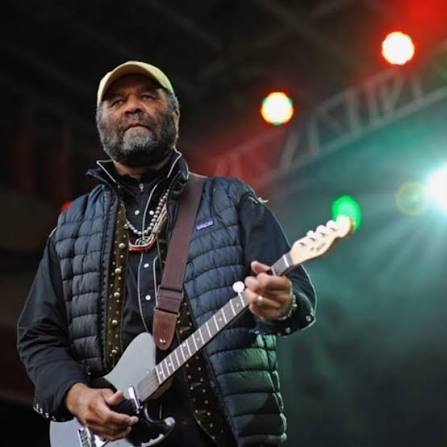
His son, Alvin "Little Pink" Anderson, has carried on the musical tradition, preserving and performing his father’s repertoire.
Musical Style and Influence
Anderson exemplified the Piedmont blues tradition — characterized by intricate fingerpicking, alternating bass patterns, and a lighter rhythmic feel compared to Delta styles. His music served as entertainment first, blending blues with ragtime, folk, and vaudeville elements. He was a gifted storyteller whose songs often featured witty, observational lyrics about local life ("Greasy Greens," references to Spartanburg streets and jail).
Major Influence on Popular Music:
- Pink Floyd: Syd Barrett, a fan of American blues, combined the first names of Pink Anderson and North Carolina bluesman Floyd Council (seen in Blind Boy Fuller album liner notes) to name the band in 1965. This remains Anderson’s most famous cultural footnote.
- Johnny Cash: Cash credited Anderson as one of two blues musicians who directly influenced his guitar playing after hearing the 1950 recordings on jukeboxes.
- Folk and Blues Revival: The 1960s recordings helped preserve Piedmont traditions and reached enthusiasts during the American folk revival.
- Broader Legacy: Anderson’s music influenced later blues revivalists, fingerstyle guitarists, and indirectly contributed to the British blues boom through the folk circuit. His recordings remain essential listening for understanding pre-war and Piedmont blues traditions.
Though never a major star, Pink Anderson was a living link to an older, multifaceted entertainment tradition. His recordings capture a joyful, resilient spirit that bridged medicine shows, street performances, and the folk-blues revival. Today, he is remembered as a cornerstone of South Carolina’s musical heritage and an unlikely inspiration for one of rock’s most iconic band names.
Recommended Listening:
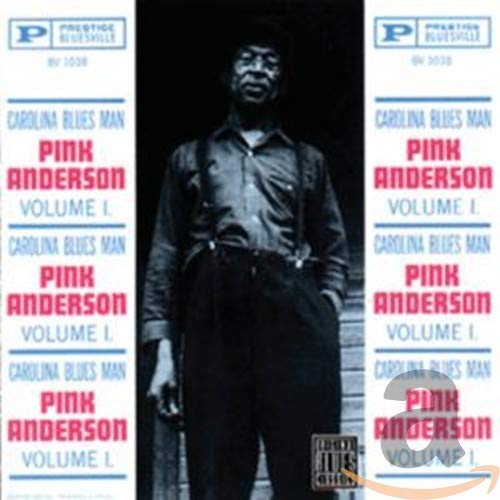 Carolina Blues Man, Vol. 1 (1961)
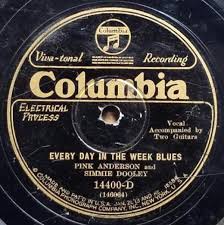 The 1928 Columbia sides with Simmie Dooley
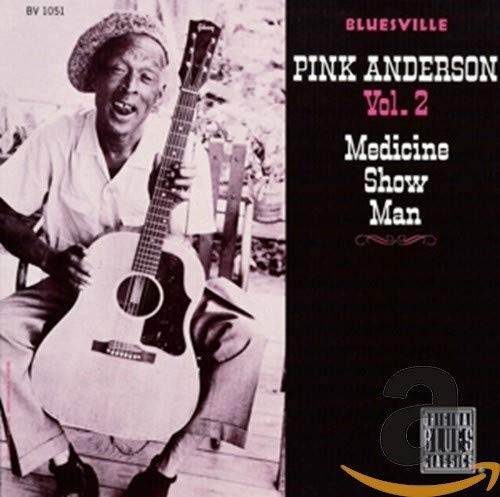 Medicine Show Man (1962)
Pink Anderson’s story reminds us that profound influence often comes from quiet, dedicated lives lived far from the spotlight.