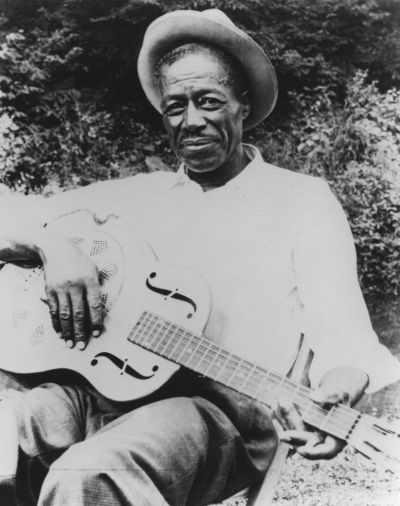
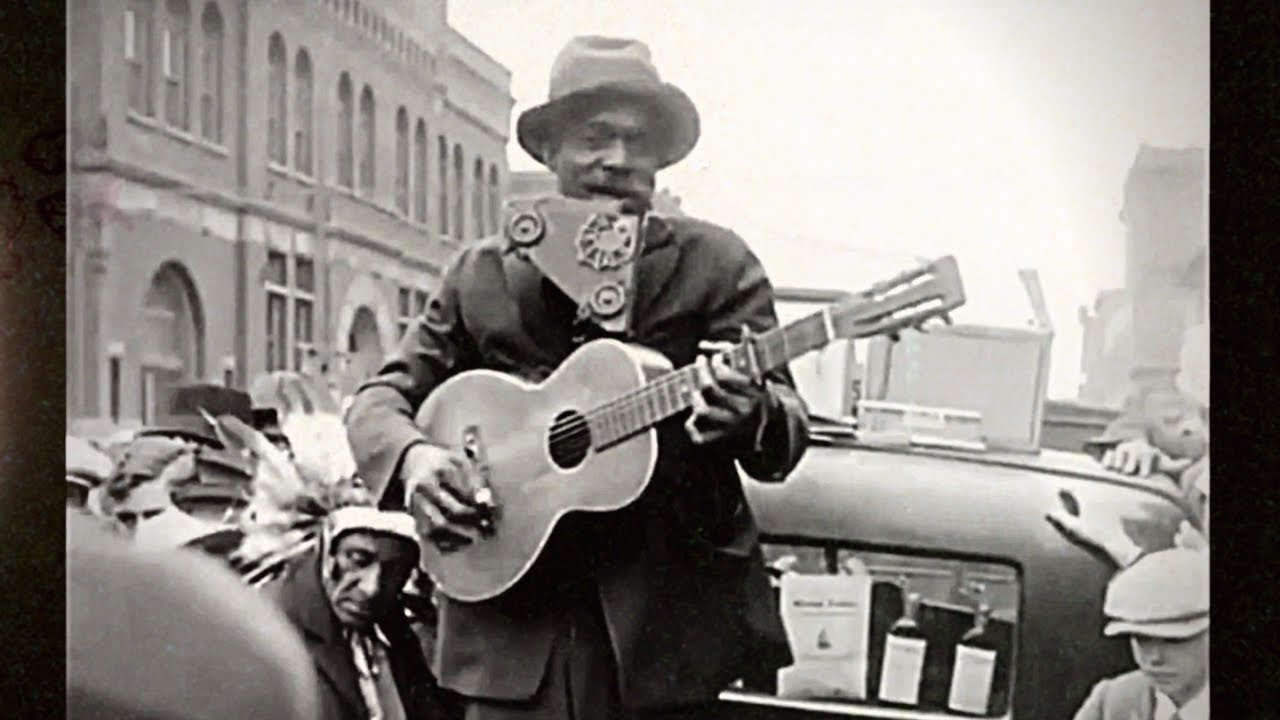
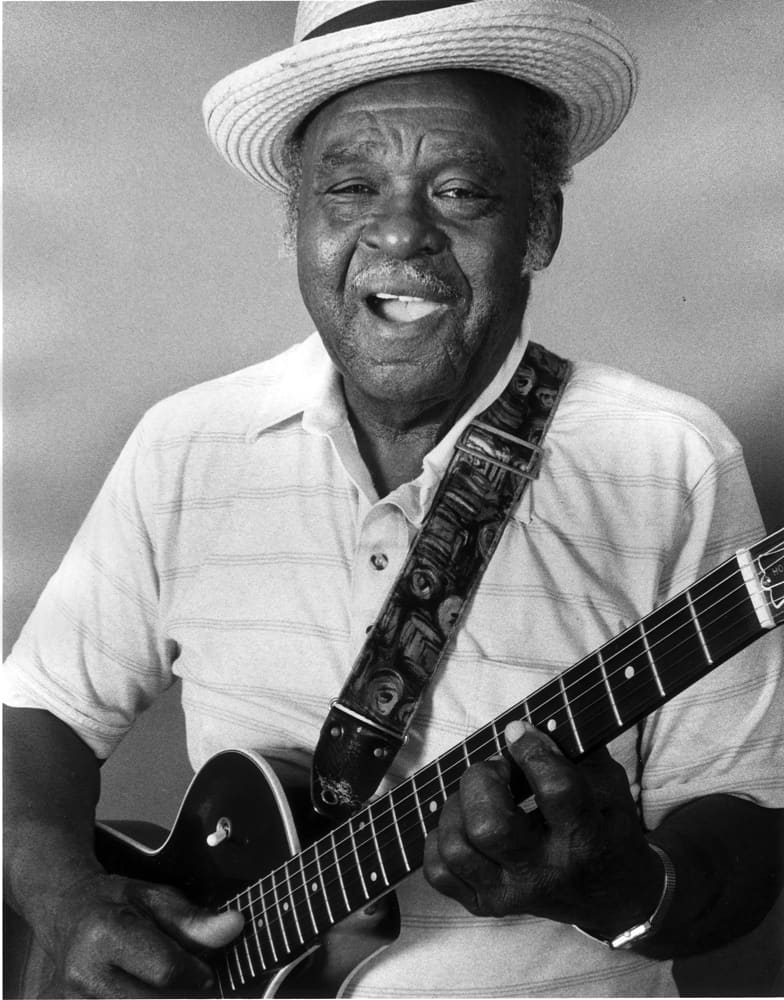
Eddie James "Son" House Jr. (March 21, 1902 – October 19, 1988) stands as one of the most powerful and emotionally raw figures in the history of American blues music. A man fiercely torn between the sacred calling of the church and the secular lure of the blues, House developed a style of slide guitar and singing that plumbed depths of human feeling perhaps unmatched by any of his Delta contemporaries. Though he recorded sparingly in his prime and spent two decades in obscurity, his influence on Robert Johnson, Muddy Waters, and generations of rock musicians secured his place as a foundational architect of American music.
Early Life and Musical Awakening
House was born in the rural hamlet of Lyons, Mississippi, near Clarksdale in Coahoma County. When his parents separated, his mother moved the family across the Mississippi River to Tallulah, Louisiana, and eventually to New Orleans, settling in the Algiers neighborhood. At nineteen, House married a woman from New Orleans and moved to her family's farm near Centerville, Louisiana, where he worked as a laborer. During these years, he played only religious material; like many musicians of his era and background, he shunned secular music as "the devil's music."
House's musical education was unconventional. He taught himself to play guitar around 1923, and his early performances were confined to church settings. By the time he was fifteen, he was already preaching in church, developing the declamatory, powerful vocal style that would later define his blues singing. His father had played in a family brass band, suggesting some musical heritage, but House's path to the blues was circuitous and marked by profound internal conflict.
The Blues and Parchman Farm
House's turn to secular music came around age 25, when he moved back to the Mississippi Delta. The transition was not easy—he felt deeply conflicted about abandoning his religious commitments for what he and his church community considered sinful music. This tension between the sacred and the secular would haunt him throughout his life and become palpable in his music, nowhere more explicitly than in his masterpiece "Preachin' the Blues."
In 1928, House's life took a dark turn when he served time in the infamous Parchman Farm penitentiary, the Mississippi State Penitentiary, after a shooting incident at a juke joint. According to biographer Daniel Beaumont, this incident involved a rumored murder in Mississippi and would bring "tragic light upon House's lifelong struggles and self-imposed disappearance." The time at Parchman was a defining trauma, but upon his release, he threw himself fully into the blues life.
The Charley Patton Era and Paramount Recordings
After Parchman, House began playing with Charley Patton, the foremost blues artist of the Mississippi Delta and an iconic progenitor of the Delta blues style. Patton was already a recording star, having made influential sides for Paramount Records in 1929. In 1930, Patton brought House to a Paramount recording session in Grafton, Wisconsin—a journey of over 600 miles from the Delta for musicians who had rarely traveled beyond their immediate region.
The May 28, 1930 session was historic. House recorded nine songs under his own name, accompanied by Willie Brown, the legendary guitarist who would later be immortalized in Robert Johnson's "And I sat down on Willie Brown's knee." The recordings included:
-
"My Black Mama – Part I" and "Part II"
-
"Preachin' the Blues – Part I" and "Part II"
-
"Dry Spell Blues – Part I" and "Part II"
-
"Clarksdale Moan" (unissued, lost until 2006)
-
"Mississippi County Farm Blues" (unissued, lost until 2006)
-
"Walking Blues" (unissued test, lost until 1985)
House also played on some of Patton's recordings from the same session. The records were issued on Paramount's 13000 series, but sales were minimal—the Great Depression was devastating the record industry, and rural blues was a niche market even in better times. Despite the commercial failure, these recordings captured House at the peak of his early powers: his voice raw and declamatory, his slide guitar work aggressive and rhythmically driving, his emotional intensity barely contained.
The Robinsonville Years and Influence on Robert Johnson
Following the Paramount session, House and Patton returned to the Delta, working various jobs and playing at dances, juke joints, and picnics throughout the 1930s. House settled in the Robinsonville-Lake Cormorant area, where he became the leading musician of Coahoma County alongside Willie Brown. It was here that House's influence would shape the future of blues music in ways that would not be fully understood for decades.
Robert Johnson, the legendary bluesman who would become the most mythologized figure in American music, was a young man in the Robinsonville area during the early 1930s. Johnson observed House perform at several plantation balls and was deeply influenced by his style. House's aggressive slide guitar technique, his powerful vocal delivery, and his ability to channel raw emotion into music all left their mark on Johnson. Though Johnson would develop his own distinctive style, the House influence is audible in Johnson's slide work and in the intensity of his singing.
Muddy Waters, then known as McKinley Morganfield, was another young musician who came under House's direct influence. Waters later stated unequivocally, "it was Son House who influenced me to play," and regarding bottleneck guitar, "I picked that up from Son House." Waters's migration to Chicago and his electrification of the Delta blues sound would create the template for Chicago blues, which in turn would inspire rock and roll. Thus, House's influence flowed through Johnson to the rock generation and through Waters to the electric blues tradition.
The Library of Congress Sessions: 1941–1942
House's next recordings came through the efforts of Alan Lomax, the renowned folklorist, and John W. Work III of Fisk University. In 1941, Lomax and Work were conducting a joint study of African American music in the Mississippi Delta for the Library of Congress. On September 3, 1941, they recorded House at Klack's Store in Lake Cormorant, Mississippi—a commissary and train station that had electricity necessary for the recording equipment. A chugging locomotive can be heard on some of the recordings, adding an atmospheric layer to the historic session.
Lomax later recalled, "Of all my times with the blues, this was the best one." The session was not without difficulties—there were problems with local authorities—but the recordings captured House in a more mature, reflective state, accompanied by his regular musical associates. The musicians included:
-
Son House – vocals and guitar
-
Willie Brown – guitar and vocals on some tracks
-
Fiddlin' Joe Martin – mandolin and vocals
-
Leroy Williams – harmonica
The 1941 recordings included:
-
"Levee Camp Blues"
-
"Government Fleet Blues"
-
"Walking Blues"
-
"Shetland Pony Blues"
-
"Fo' Clock Blues"
-
"Camp Hollers"
-
"Delta Blues"
A second Library of Congress session took place on July 17, 1942, in Robinsonville, Mississippi. This session, without the railway sounds but with the same intensity, produced:
-
"Special Rider Blues" (including a test pressing)
-
"Low Down Dirty Dog Blues"
-
"Depot Blues"
-
"American Defense"
-
"Am I Right or Wrong"
-
"Walking Blues"
-
"County Farm Blues"
-
"The Pony Blues"
-
"The Jinx Blues (No. 1)" and "The Jinx Blues (No. 2)"
These recordings, made for the Library of Congress and Fisk University, were not intended for commercial release but have since become essential documents of the Delta blues, providing a fuller picture of House's repertoire and style than the sparse Paramount sides.
Buy the album on Amazon
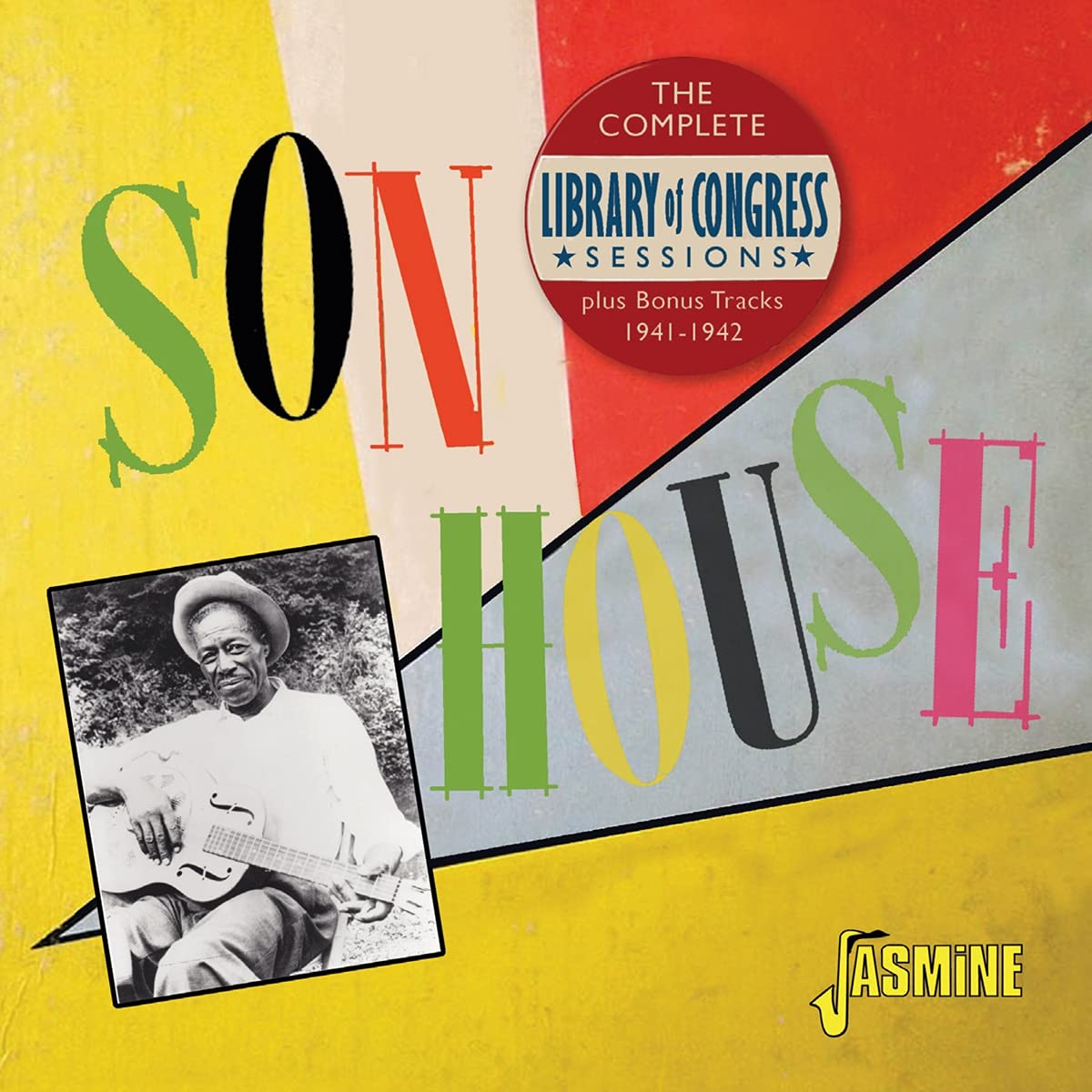 Complete Library Of Congress Sessions Plus Bonus Tracks 1941-1942
The Rochester Years: 1943–1964
In 1943, House left the Mississippi Delta for Rochester, New York, joining the Great Migration of southern Black Americans to northern industrial cities. He settled into a life far removed from music, working as a railroad porter and essentially retiring from performing. For two decades, he was invisible to the music world, living with his wife Evie (whom he had married in Robinsonville in 1934) in relative obscurity. These years remain largely obscure, not least because House's own accounts of them were inconsistent.
The Rediscovery: 1964
The blues revival of the 1960s, driven by young white enthusiasts who had discovered the music through reissues of 78s and field recordings, set in motion House's unlikely second act. In 1964, a group of blues aficionados—
Dick Waterman, a writer and part-time promoter;
Nick Perls, a record collector who would later found Yazoo Records; and
Phil Spiro—set out from New York City in a Volkswagen Beetle, heading for the Mississippi Delta in search of the legendary musicians whose records they treasured.
They learned from Bukka White, who had played the Newport Folk Festival in 1963, that House was alive and living in Rochester. On the evening of June 23, 1964, the red Volkswagen arrived at 61 Greig Street in Rochester. House was sitting on the steps of an apartment building. "This is him," House said, acknowledging his own legend.
The rediscovery was reported in
Newsweek magazine, thrusting the 62-year-old musician into the public eye. Dick Waterman became House's manager and handler, guiding his comeback career. Within months, House was performing for young, mostly white audiences at coffeehouses, folk festivals, and college campuses across the country. He was billed as a "folk blues" singer, a category that both honored and somewhat sanitized his raw Delta origins.
The 1960s Revival Recordings
House's comeback produced a remarkable body of recordings that introduced him to a new generation and cemented his legacy.
The Legendary Son House: Father of Folk Blues (1965, Columbia)
The most notable of House's comeback albums was recorded for Columbia Records in 1965. Produced by
John Hammond Sr., the legendary talent scout who had discovered Billie Holiday, Count Basie, and Bob Dylan, the album was titled
Father of Folk Blues—a billing that acknowledged House's foundational status.
The sessions took place in Boston on April 12 and 14, 1965. House was accompanied by
Al Wilson, the 22-year-old guitarist and blues scholar who would later achieve fame with Canned Heat. Wilson's role was crucial—producer John Hammond had asked Wilson to "teach Son House how to play like Son House," because Wilson had such a deep knowledge of blues styles that he could help House relearn his own repertoire after two decades away from the guitar.
The album included:
-
"Death Letter"
-
"Pearline"
-
"Louise McGhee"
-
"John the Revelator"
-
"Empire State Express"
-
"Preachin' Blues"
-
"Grinnin' In Your Face"
-
"Sundown"
-
"Levee Camp Moan"
-
"President Kennedy"
-
"A Down The Staff"
-
"Motherless Children"
-
"Yonder Comes My Mother"
-
"Shake It And Break It"
-
"Pony Blues"
-
"Downhearted Blues"
The complete sessions were later released as
Father of the Delta Blues: The Complete 1965 Sessions (Columbia/Legacy, 1992), a two-CD set that revealed the full scope of the recordings.
Buy the album on Amazon
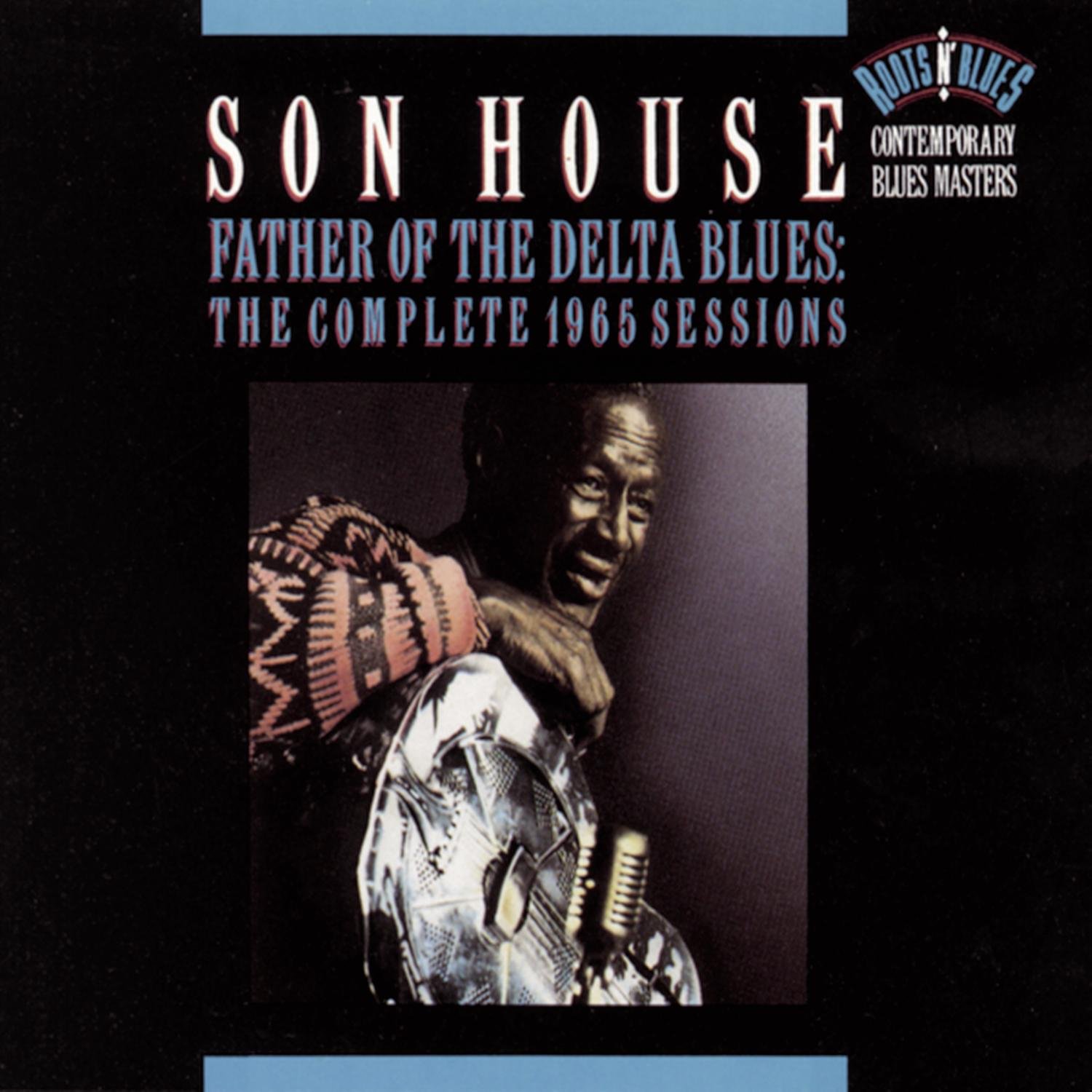 Father Of The Delta Blues: The Complete 1965 Sessions
Other 1960s Recordings
House's rediscovery period was prolific. He recorded for various labels and appeared on numerous live recordings:
-
1964: Blues from the Mississippi Delta (with J.D. Short), Folkways Records
-
1965: Live at the Newport Folk Festival (recorded by Vanguard)
-
1965: In Concert (Oberlin College), Stack-O-Hits
-
1967: Son House and J.D. Short: Blues from the Mississippi Delta
-
1969: Son House at Home: The Legendary 1969 Rochester Sessions (Document Records)
-
1970: John the Revelator: The 1970 London Sessions (with Alan Wilson), Liberty Records
The 1970 London sessions, recorded during a European tour that included an appearance at the Montreux Jazz Festival, captured House with Alan Wilson in a powerful live setting. These recordings demonstrate that even in his late 60s, House could summon the intensity that had made him legendary.
Performance Style and Musical Characteristics
Son House's music is defined by several distinctive characteristics that set him apart even among the legendary Delta bluesmen:
Slide Guitar: House did not invent bottleneck guitar playing, but he excelled at it, creating a sound that was percussive, aggressive, and deeply emotive. He used a heavy brass tube on his finger, producing a sound that was raw and powerful rather than melodic and lyrical. His slide work was characterized by strong repetitive rhythms and a droning bass string that created a sound both primal and sophisticated.
Vocal Style: House's singing was developed from his declamatory preaching style. His voice was rough, powerful, and emotionally exposed—he did not sing the blues so much as testify to them. This quality made his performances feel less like entertainment and more like confession or exorcism.
The Sacred-Secular Tension: Perhaps no blues artist embodied the conflict between religious faith and the blues life more explicitly than House. This tension is palpable in "Preachin' the Blues," where he adopts the persona of a preacher delivering a sermon about the blues, and in his occasional performances of gospel songs during his 1960s concerts, when he would rise from his chair to sing a cappella spirituals.
Repetitive Rhythms: House's guitar playing incorporated strong repetitive rhythms that created a trance-like effect, anticipating the hypnotic quality that would later define John Lee Hooker's style and, through him, influence garage rock and punk.
Influence and Legacy
Son House's influence extends through multiple generations and genres of American music:
Direct Influence: Robert Johnson and Muddy Waters both learned from House directly. Johnson's slide guitar work and the intensity of his singing owe debts to House. Waters's entire approach to electric blues, including his bottleneck technique, was shaped by House's example.
1960s Revival: John Hammond, Alan Wilson of Canned Heat, and Bonnie Raitt were among the younger musicians who explicitly acknowledged House's influence. Hammond's career as a blues revivalist was shaped by House's example. Wilson's work with Canned Heat, particularly his bottleneck playing, directly channeled House's style.
Rock and Alternative: The White Stripes dedicated their first album to Son House and credited him as a major inspiration. Jack White's raw, minimalist approach to blues guitar and his use of slide techniques both reflect House's influence. The band Larkin Poe (Rebecca and Megan Lovell) has also cited House as an influence on their slide guitar work.
Recognition: In 1980, Son House was inducted into the Blues Foundation's Hall of Fame. In 2017, his single "Preachin' the Blues" was inducted into the Blues Hall of Fame as a classic of blues recording.
Final Years and Death
Ill health plagued House in his later years. In 1974, he retired from performing once again. He later moved to Detroit, Michigan, where he lived with his wife Evie from 1976 until his death. He had been married five times over the course of his life.
Son House died on October 19, 1988, in Detroit, from cancer of the larynx—a cruel fate for a man whose voice had been his instrument of transcendence. He was buried at Mt. Hazel Cemetery in Detroit. Members of the Detroit Blues Society raised money through benefit concerts to place a monument on his grave.
Posthumous Recordings and Reissues
House's recorded legacy has continued to expand after his death. The most significant posthumous releases include:
-
1990: The Complete Library of Congress Sessions 1941-1942 (Travelin' Man/CBS), bringing together the Lomax recordings with comprehensive notes
-
1992: Father of the Delta Blues: The Complete 1965 Sessions (Columbia/Legacy), revealing the full scope of the Columbia comeback recordings
-
2003: Martin Scorsese Presents the Blues: Son House (Columbia/Legacy), a career-spanning compilation
-
2006: Clarksdale Moan (1930-1942), including the previously lost Paramount recordings
-
2022: Forever on My Mind (Easy Eye Sound), previously unreleased 1960s recordings from Dick Waterman's personal cache of tapes, restored by Dan Auerbach of the Black Keys
The 2022 release was particularly significant. Waterman had maintained a collection of quarter-inch tapes from his years managing House, which had gone unreleased for decades. Dan Auerbach, who had grown up listening to his father's copy of
Father of Folk Blues, restored the tapes to remarkable clarity. As Auerbach noted, "Some of the first blues music I heard was Son House. I was raised on his Columbia LP."
Conclusion
Son House's life embodied the contradictions and tensions at the heart of the blues: the pull between the sacred and the secular, the struggle between personal demons and artistic expression, the gap between commercial obscurity and profound influence. He recorded only a handful of sides in his prime, spent twenty years in silence, and then returned to become an icon of the folk-blues revival. His slide guitar style, his raw vocal power, and his ability to channel deep emotion into music made him a touchstone for Robert Johnson, Muddy Waters, and countless musicians who followed.
House did not live to see the full extent of his influence on rock music, but his legacy is secure. From the Delta juke joints of the 1930s to the concert halls of Europe in the 1970s, from the Library of Congress field recordings to the White Stripes' dedication, Son House's music has proven timeless. He was, as his Columbia album proclaimed, the Father of Folk Blues—a title that, in his case, reflects not just historical priority but the paternal intensity of his art, the way he gave birth to a sound that would nurture generations of musicians to come.
Suggested Reading
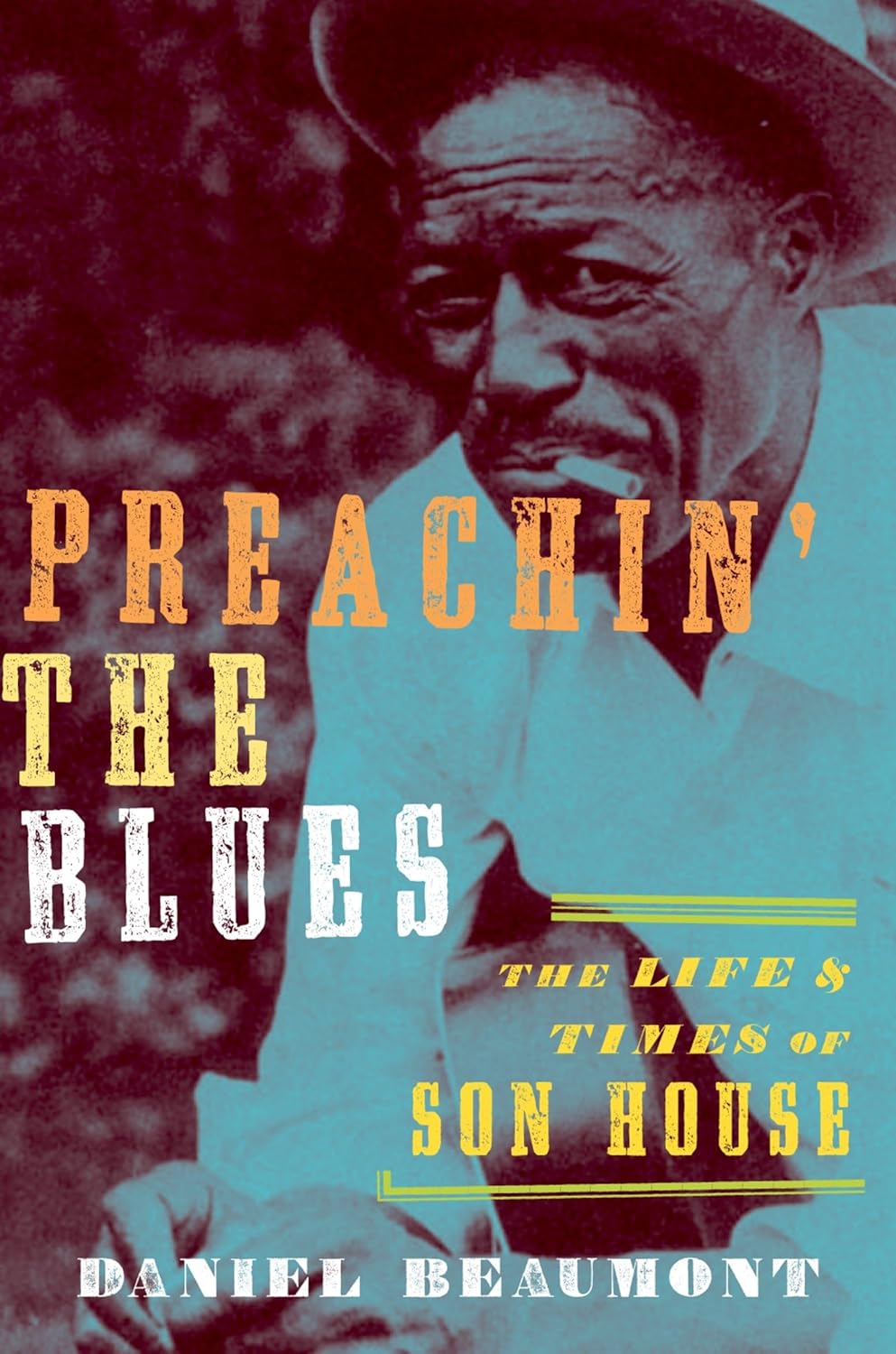 Preachin' the Blues: The Life and Times of Son House
Selected Discography
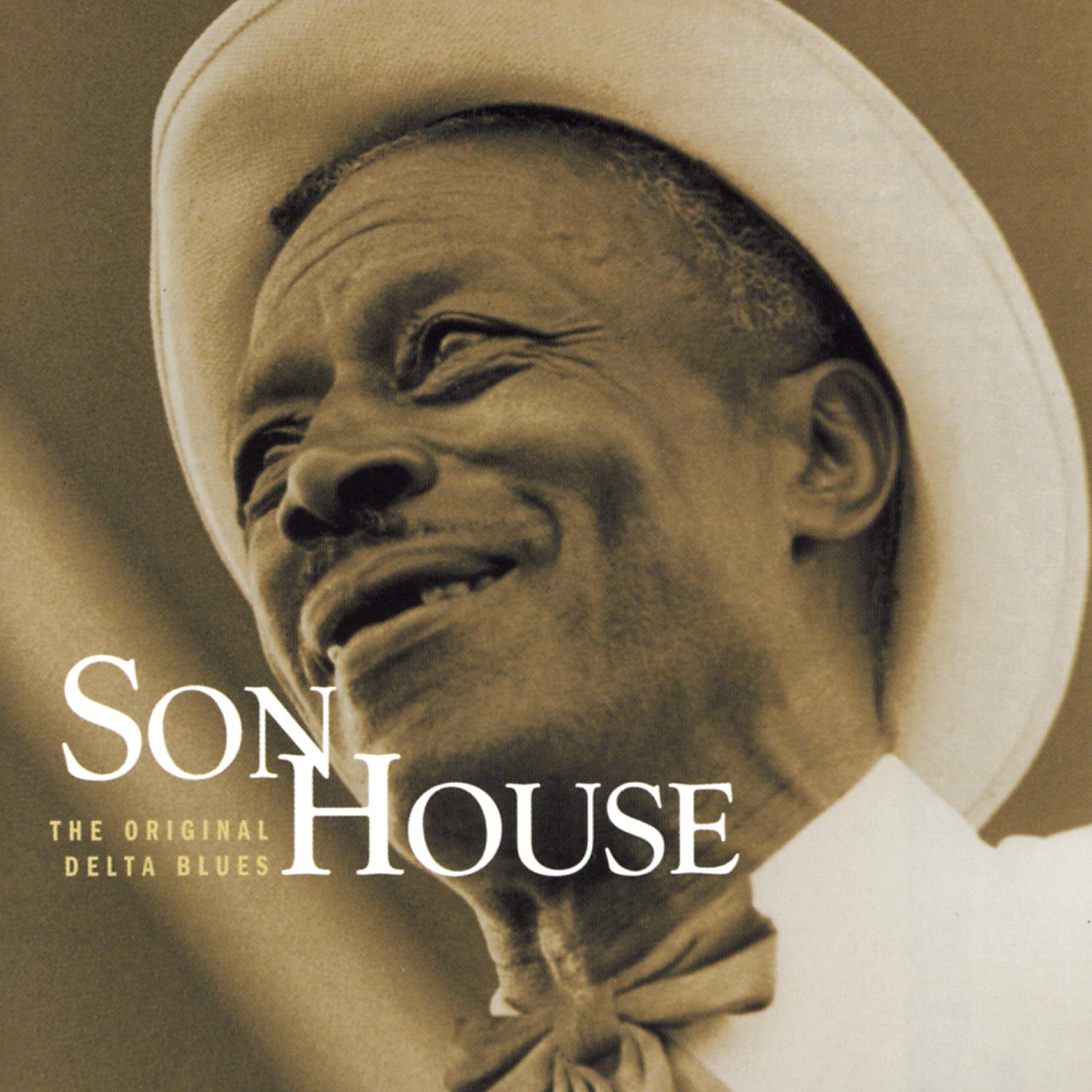 The Original Delta Blues - Son House