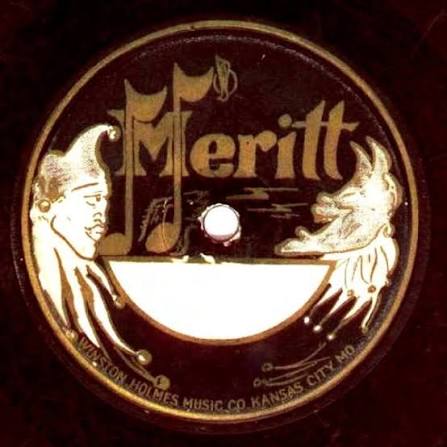
Meritt Records: Kansas City’s Pioneering Black-Owned Label of the 1920s was one of the earliest African American-owned record labels in the United States. Operating primarily from 1925 to 1929 in Kansas City, Missouri, Meritt (sometimes spelled Merritt) focused on local jazz, blues, and gospel talent during the height of the Kansas City jazz scene. Though short-lived and limited in distribution, it documented an important chapter in Midwestern Black music and provided early recordings for artists who would later gain wider fame.
Founding and History
Meritt Records was founded in 1925 by Winston Holmes, a Kansas City entrepreneur, musician, and owner of the Winston Holmes Music Company (a music store that sold records, instruments, and sheet music). Holmes established the label to record and sell local talent directly through his store, bypassing larger national companies. Records were pressed in small quantities and sold exclusively in his shop, making them rare even at the time. The label captured the vibrant Kansas City jazz and blues scene of the 1920s, a period when the city was a major hub for Black music due to its thriving nightlife and relative opportunities compared to other parts of the country.
The label’s output was modest, with recordings made in Holmes’ own studio or local facilities. It ceased operations around 1929 amid the economic challenges of the Great Depression. Holmes continued operating his music store and remained active in the community, but Meritt did not survive as an active imprint. Its recordings are now highly prized by collectors for their historical value and rarity.
Ownership and Business Practices
Winston Holmes was the sole owner and primary force behind Meritt Records. As a Black businessman in a segregated era, Holmes used his music store as a community hub and the label as a vehicle to promote local African American artists. The operation was small-scale and vertically integrated: recording, pressing (through custom deals), and retail all occurred through his business. This model was typical of very early independent “race records” labels, which often had limited distribution but strong local impact. Holmes prioritized authentic performances reflecting Kansas City’s jazz and blues traditions, with a focus on jazz bands, vocalists, and gospel groups.
Notable Artists and Recordings
Meritt Records’ catalog was modest, with releases primarily on 78 rpm discs sold exclusively through Winston Holmes’ music store. The label focused on local Kansas City jazz, blues, and gospel, capturing the vibrant Black musical community of the 1920s. Known catalog numbers are limited, and surviving copies are rare collector’s items.
Lena and Sylvester Kimbrough (with Paul Banks’ Orchestra)
One of the label’s earliest and most notable blues acts. Lena and Sylvester Kimbrough delivered raw, expressive country blues with strong vocal performances and simple accompaniment.
- Meritt 2201 (1925): “City of the Dead” / “Cabbage Head Blues” — The label’s debut release. “Cabbage Head Blues” is a classic example of early recorded blues, featuring humorous yet heartfelt lyrics and a straightforward, down-home style typical of the era’s country blues. These sides highlighted the Kimbroughs’ authentic vocal delivery and helped establish Meritt’s reputation for capturing genuine Black vernacular music. Sylvester’s guitar work and the duo’s interplay gave the recordings a personal, intimate feel that resonated with local audiences.
The Kimbroughs represented the rural blues roots that fed into the urban Kansas City scene, providing a contrast to the more polished jazz orchestras on the label. Their Meritt sides are among the earliest documented examples of Kansas City-area blues on record.
George E. Lee and His Novelty Singing Orchestra (including Julia Lee)
The label’s most prominent jazz-oriented act. George E. Lee’s group was a rival to Bennie Moten’s orchestra and helped define the Kansas City sound with its energetic arrangements and strong vocals.
- Meritt 2206 (1927): “Down Home Syncopated Blues” and other sides — These recordings captured the lively, riff-based jazz that characterized Kansas City bands. Julia Lee, George’s sister and a pioneering blues vocalist/pianist, contributed vocals and piano. Her performances on these tracks showcased her flamboyant style and risqué delivery, foreshadowing her later success. The sides are significant as some of the earliest recordings of the George E. Lee orchestra and Kansas City jazz.
Other Blues and Related Releases
Meritt’s blues output extended beyond the Kimbroughs, though documentation is sparse. The label recorded additional local blues talent and vocal groups that reflected the South Side and 18th & Vine districts’ vibrant scene.
- Other reported blues and R&B-influenced sides included performances by small combos and singers active in Kansas City clubs. These releases often featured guitar, piano, and vocal interplay typical of the period’s “race records,” blending country blues with emerging urban elements.
- Gospel and vocal group recordings rounded out the catalog, with some releases showcasing community choirs or quartets. While fewer in number, these sacred sides demonstrated Holmes’ commitment to a broad range of Black musical expressions.
The overall discography emphasizes authenticity over commercial polish. Many sides were one-off or limited pressings, with catalog numbers in the low 2200 series. Exact details on additional releases are incomplete due to the label’s small scale and the passage of time, but surviving examples (often found in specialized jazz and blues archives) provide invaluable insight into pre-Depression Kansas City music. Reissues on compilations like those focused on early Midwest blues and jazz have made some of this material available to modern listeners.
Legacy and Impact
Though Meritt Records operated for only a few years and produced a limited number of releases, it holds a special place as one of the first Black-owned labels in the Midwest. It documented the Kansas City jazz scene during its formative period, providing early exposure for artists like the Lee siblings who would influence the broader development of swing and blues. The label’s rarity makes original copies highly valuable to collectors, and reissues (on compilations focused on early Kansas City jazz) have brought these sides to modern audiences. Winston Holmes’ entrepreneurial efforts exemplified the role of community-based businesses in preserving and promoting Black music in the 1920s. Meritt Records remains a fascinating footnote in the history of American recorded music, highlighting the grassroots origins of what became a major cultural force.