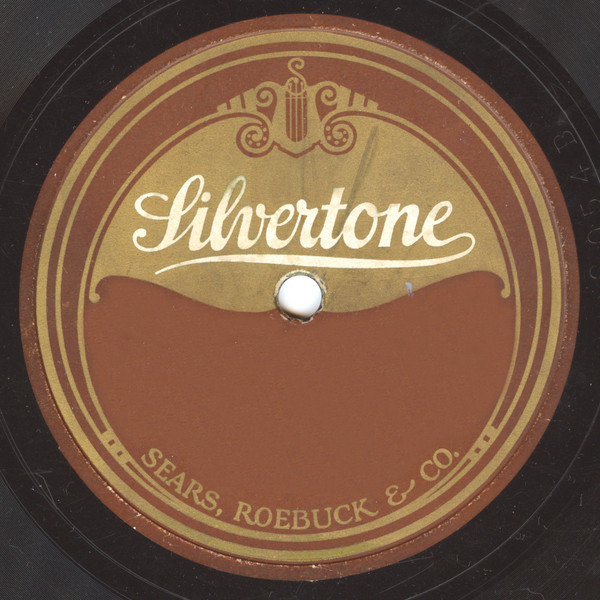
Silvertone Records, Sears’ Budget Label, was a prominent American budget record label active primarily from the 1910s through the 1950s. Owned by the Sears, Roebuck and Company retail giant, Silvertone specialized in affordable records sold through Sears catalogs and stores. While best known for a wide range of popular, classical, and country music, Silvertone played a notable, if underappreciated, role in documenting and disseminating early blues, particularly in the 1920s and 1930s “race records” era. Its blues output, often licensed or recorded under pseudonyms, introduced many listeners to the genre and preserved performances by both known and obscure artists.
Founding and History
Silvertone Records was launched around 1916 by Sears as a house label to offer low-cost phonograph records to its massive catalog customer base. The name “Silvertone” evoked quality and affordability, aligning with Sears’ reputation for value. Early recordings were often pressed by various manufacturers (including Columbia, Victor, and later independent plants) and featured a mix of popular songs, hymns, and instrumental pieces.
During the 1920s, as blues and jazz gained popularity among Black and white audiences, Silvertone expanded into “race records” — recordings targeted at African American buyers. Many blues sides were licensed from larger companies or recorded specifically for Sears. The label peaked in the pre-Depression era but continued issuing material into the 1950s, eventually transitioning to LP reissues and budget compilations. Silvertone was not an independent creative force like Chess or Paramount but served as an important distribution channel that made blues accessible to rural and working-class buyers across America.
Ownership and Business Practices
Silvertone was wholly owned and operated by Sears, Roebuck and Company. Production was handled through contracts with established pressing plants, allowing Sears to keep costs low. The label often used pseudonyms for artists to avoid conflicts with exclusive contracts held by major labels. Marketing emphasized affordability (records typically sold for significantly less than premium brands), and distribution through Sears’ vast catalog and retail network gave it tremendous reach. For blues material, Silvertone frequently licensed masters from Paramount, Gennett, or other “race” labels, or commissioned new sessions. This budget model democratized access to blues music but sometimes resulted in lower production quality or edited versions.
Notable Blues Artists and Recordings
Silvertone’s blues output, concentrated in the 1920s and 1930s, was drawn from licensed masters and occasional custom sessions. While not as artist-centric as dedicated “race” labels, the catalog introduced blues to a broad, primarily rural and working-class audience through Sears’ catalogs. Releases were typically 78 rpm singles, often in the 2000–5000 series, with blues material mixed among popular, hillbilly, and sacred records. Many sides used pseudonyms or generic artist credits to navigate exclusive contracts. Sound quality was functional for budget pressings, but the accessibility was unmatched.
Blind Lemon Jefferson
One of the most significant blues artists associated with Silvertone. Sears issued numerous sides originally recorded for Paramount, bringing Jefferson’s groundbreaking country blues to a national audience.
- Key Silvertone releases included versions of classics like “Black Snake Moan,” “Match Box Blues,” and “See That My Grave Is Kept Clean.” Jefferson’s virtuosic fingerpicking, expressive vocals, and poetic lyrics made these some of the label’s most impactful blues sides. His Silvertone pressings helped establish him as a major star beyond the core race records market, influencing later generations of blues and rock musicians.
Ma Rainey
The “Mother of the Blues” had several sides licensed or reissued on Silvertone. Her powerful vaudeville-blues style, backed by strong ensembles, appeared on budget pressings that reached Sears customers. Tracks often featured her commanding voice on standards like “See See Rider” and other classics from her Paramount catalog. Rainey’s Silvertone releases helped popularize the classic female blues style of the 1920s.
Lonnie Johnson
The sophisticated guitarist and singer had important material on Silvertone drawn from his OKeh and other sessions. Johnson’s elegant single-note guitar lines and smooth, urbane vocals stood out. Silvertone issues included duets and solo performances that highlighted his versatility across blues, jazz, and pop. His recordings on the label contributed to the spread of urban blues guitar techniques.
Tampa Red
The “Guitar Wizard” had sides on Silvertone, often featuring his trademark slide guitar and hokum (humorous, double-entendre) songs. Releases included collaborations with Georgia Tom (Thomas A. Dorsey) and solo performances that blended blues with ragtime and pop elements. Tampa Red’s accessible style made him a good fit for Silvertone’s broad audience.
Big Bill Broonzy
Broonzy recorded under various names or with groups on Silvertone. His strong vocals and guitar work appeared on country and urban blues sides. These releases captured his early style and helped build his reputation before he became a major figure in the folk-blues revival.
Memphis Minnie
The pioneering female guitarist and singer had material licensed to Silvertone. Her tough, assertive vocals and skilled guitar playing shone on sides that mixed country blues with emerging urban sounds. Minnie’s Silvertone pressings brought her music to wider audiences.
Additional Blues Releases and Artists
Silvertone also issued sides by a range of lesser-known or regional blues artists, including:
- Various “race” series recordings featuring piano boogie, jug bands, and string bands.
- Hokum and novelty blues numbers that were popular in the 1920s–1930s.
- Gospel-blues crossovers and sanctified numbers that appealed to religious buyers.
Many blues releases were re-couplings or edited versions of masters from Paramount, Gennett, or Brunswick. Catalog examples often shared blocks with popular music, but dedicated “race” series helped buyers find blues material. The label’s strategy of affordable pricing and wide distribution meant that rural Southern and Midwestern listeners could discover artists like Jefferson and Rainey through their Sears catalog, significantly broadening the blues audience during the pre-Depression and Depression eras.
Overall Significance of the Blues Catalog
Silvertone’s blues recordings, though secondary to its popular music focus, played a key role in the commercialization and dissemination of the genre. By making high-quality (if budget-pressed) blues available at low prices, the label helped transition the music from regional and urban Black audiences to a broader national listenership. These sides preserved performances by major figures and provided early exposure for styles that would influence rock ‘n’ roll. Today, original Silvertone blues 78s are collectible rarities, and compilations have made the material available for study and enjoyment, cementing the label’s contribution to blues history.
Legacy and Impact
Silvertone Records played a democratizing role in American music by making blues — and other genres — affordable and widely available through Sears’ retail empire. While not a creative powerhouse, its blues releases preserved and circulated performances by major artists like Blind Lemon Jefferson and helped build the audience for the genre during its formative years. Today, original Silvertone 78s are sought after by collectors, and the label’s contributions are recognized in histories of the recording industry and blues music. Reissues on CDs and streaming platforms continue to make this material accessible, highlighting Silvertone’s place as a key, if often overlooked, player in the dissemination of early American blues.