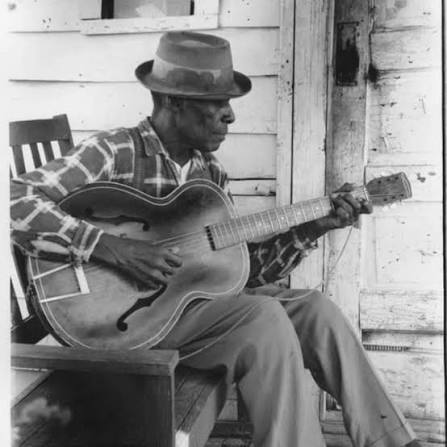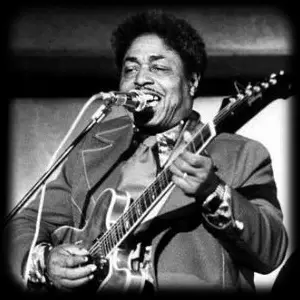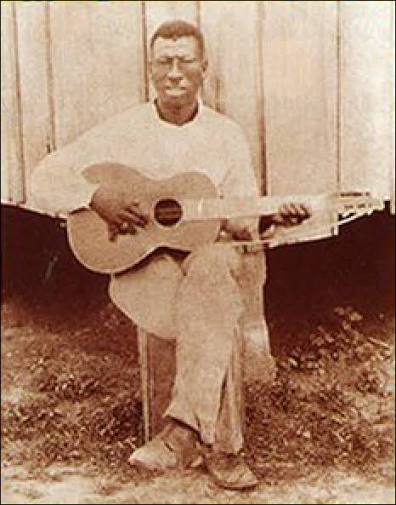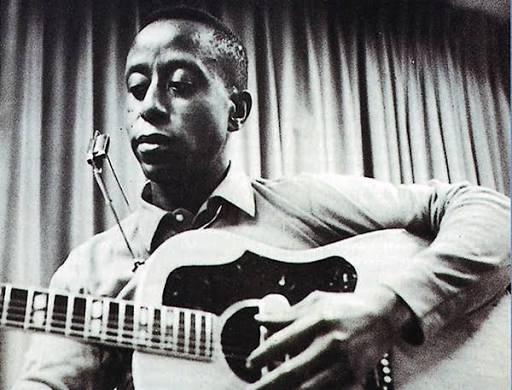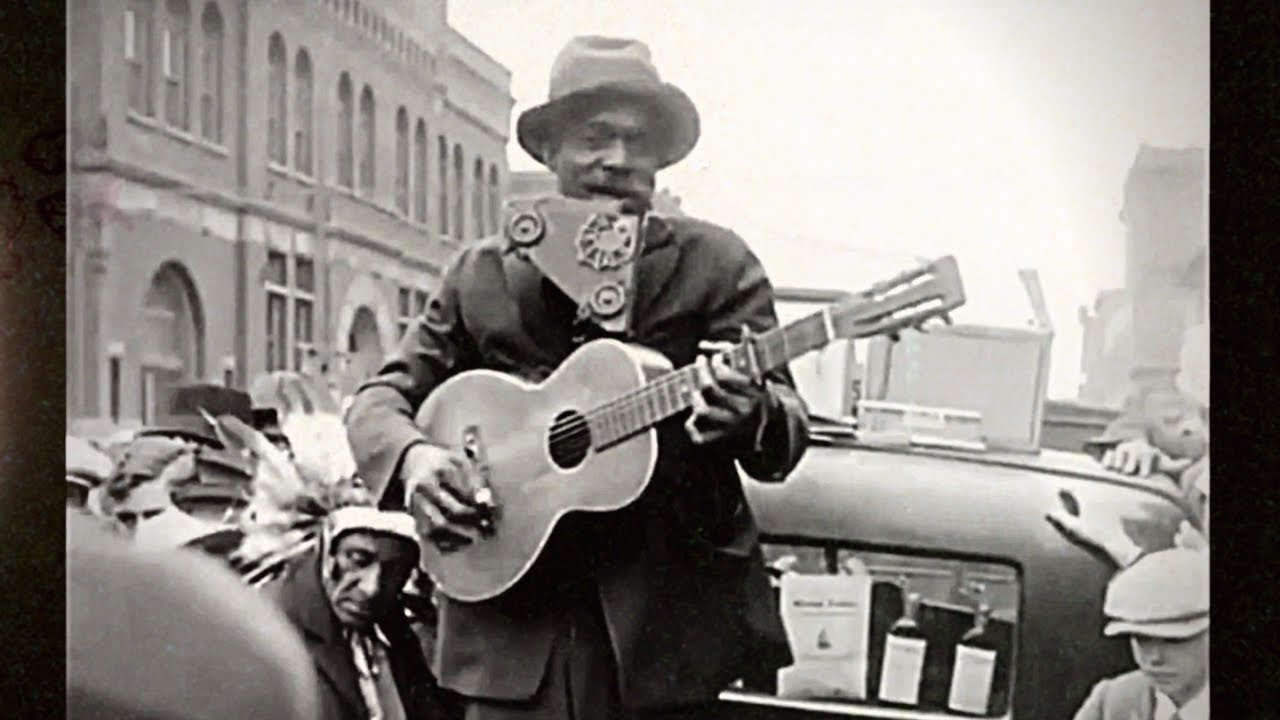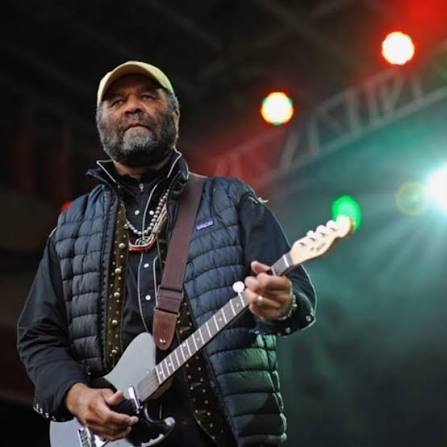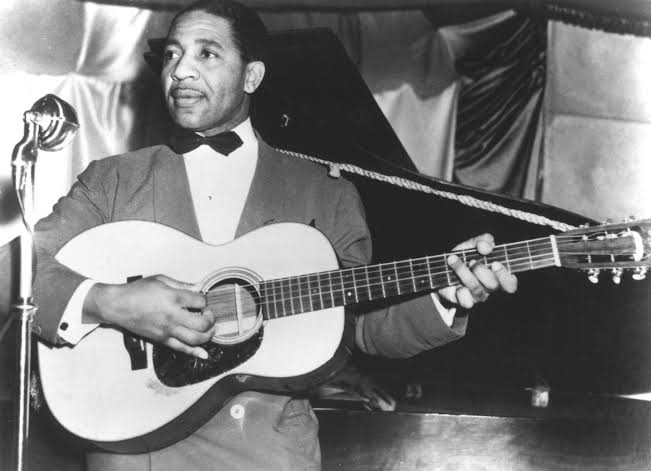
Lonnie Johnson (February 8, 1899 – June 16, 1970) was one of the most versatile, technically brilliant, and influential musicians in 20th-century American music. A master of guitar, violin, piano, and vocals, he bridged blues, jazz, pop, and early R&B with sophisticated playing that earned him the title "King of the Blues Guitarists" in his era. His single-note soloing, chordal innovations, and expressive phrasing profoundly shaped jazz guitar, electric blues, and rock.
Early Life
Alonzo "Lonnie" Johnson was born in New Orleans, Louisiana, into a musical family. He learned violin and guitar as a child and absorbed the rich musical stew of his hometown—jazz, blues, ragtime, and classical. Tragedy struck when a 1918 influenza epidemic killed much of his family. He left New Orleans, working on riverboats and in vaudeville before settling in St. Louis. There, he honed his skills in the competitive music scene and began recording in the 1920s.
Career and Recordings
Johnson's recording career began in earnest in 1925 with OKeh Records in St. Louis. His debut sessions produced a mix of blues and vaudeville numbers, establishing his reputation for technical skill and expressive singing. Between 1925 and 1932, he cut an estimated 130 sides for OKeh, many under his own name.
Key early highlights include:
- 1925–1926 OKeh sessions: Early blues and gospel-tinged material.
- 1927–1929: Landmark recordings, including haunting blues like "Blue Ghost Blues" (1927) and "Lonesome Jail Blues." He also recorded pioneering jazz efforts with Louis Armstrong's Hot Five and Duke Ellington's orchestra.
- November 17, 1928: Iconic guitar duets with Eddie Lang (billed as "Blind Willie Dunn" for racial market reasons), such as "Have To Change Keys (To Play These Blues)" and "Two Tone Stomp." These showcased groundbreaking single-string soloing and interplay.
- May 7, 1929: Further duets like "Guitar Blues," which highlighted his fluid, melodic lines and chordal sophistication.
The Great Depression slowed commercial recording, but Johnson continued performing. He returned strongly in the late 1930s:
- 1937 Decca sessions in Chicago with clarinetist Johnny Dodds and drummer Baby Dodds—strong traditional jazz-blues sides.
- 1939–1940s Bluebird/Victor sessions under Lester Melrose in Chicago, including popular tracks like "He's a Jelly Roll Baker."
Post-WWII, Johnson embraced urban styles:
- 1947 onward with King Records (Cincinnati): Scored his biggest commercial hit with the smooth ballad "Tomorrow Night" (1948), which topped the R&B charts for seven weeks and crossed over to pop audiences. Follow-up successes included "Pleasing You (As Long as I Live)," "So Tired," and "Confused."
In the 1950s–1960s, during the folk-blues revival:
- Prestige/Bluesville albums (1960): Blues by Lonnie Johnson (solo acoustic focus) and collaborations like Blues and Ballads with Elmer Snowden, and Idle Hours with Victoria Spivey.
- European tours and festival appearances, including work on labels like Folkways.
Johnson's discography is vast and varied. Comprehensive chronological compilations on Document Records (e.g., Complete Recorded Works 1925–1932) and JSP collect his output across OKeh, Victor/Bluebird, Decca, King, Prestige, and others. His adaptability—from acoustic country blues in the 1920s to electric jump blues in the 1940s—made him a survivor across eras.
Style and Innovations
Johnson was a pioneer of single-note guitar soloing—fluid, melodic lines with expressive bends, vibrato, and phrasing that influenced T-Bone Walker, B.B. King, and countless others. He excelled at chord-melody playing and sophisticated voicings. His violin work added another dimension, and his vocals ranged from deep blues to smooth crooning. He was equally at home in small combos or big-band settings, making him a true all-rounder.
Influence and Legacy
Lonnie Johnson's impact is immense:
- Jazz Guitar: His work with Eddie Lang helped establish the guitar as a serious solo instrument in jazz.
- Blues and R&B: He inspired the electric blues revolution; players like B.B. King cited him as a primary influence.
- Rock: His techniques filtered into rock via blues revivalists. Artists from Chuck Berry to Eric Clapton owe debts to his innovations.
- Broader Recognition: He performed at Carnegie Hall, toured Europe, and left a catalog that continues to be reissued and studied.
Though he never achieved massive mainstream fame like some contemporaries, Johnson's versatility and technical excellence made him a musician's musician. He bridged eras and genres, proving the guitar's expressive potential. Today, he is celebrated as a foundational figure whose recordings remain essential listening for understanding the evolution of American string music. His life—from New Orleans poverty to international acclaim—embodies the resilience and creativity at the heart of blues and jazz.
Suggested Reading
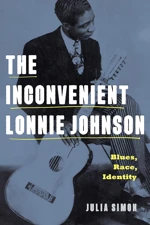 Buy from Amazon The Inconvenient Lonnie Johnson: Blues, Race, Identity
Suggested Listening
 Buy from Amazon The Lonnie Johnson Collection: 1925-52
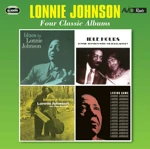 Buy from Amazon Blues / Idle Hours / Blues & Ballads / Losing Game - Four Classic Albums