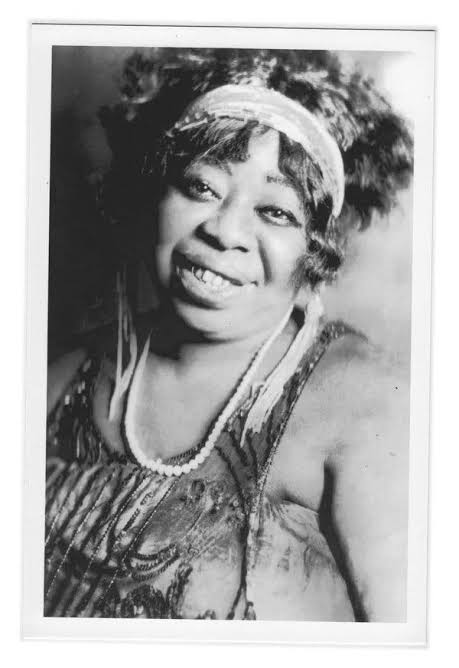
Gertrude "Ma" Rainey (née Pridgett; April 26, 1886 – December 22, 1939) was a pioneering American blues singer, songwriter, and performer known as the "Mother of the Blues." She was one of the first major stars of recorded blues and played a crucial role in popularizing the genre in the 1920s, bridging vaudeville, minstrel traditions, and authentic Southern blues. Her powerful voice, charismatic stage presence, and innovative approach influenced generations of performers, including Bessie Smith.
Early Life
Ma Rainey was born Gertrude Malissa Nix Pridgett in Columbus, Georgia, to parents who were likely involved in minstrel or vaudeville shows. She began performing as a teenager around 1900, singing and dancing in local talent shows and traveling tent shows (minstrel and medicine shows). In 1904, she married William "Pa" Rainey, and the couple performed together as "Rainey and Rainey, Assassinators of the Blues." They toured extensively across the South with troupes like the Rabbit Foot Minstrels, performing in tents and theaters. Rainey claimed she first heard the blues in Missouri around 1902 and began incorporating it into her act, helping to popularize the emerging genre. Her early career was rooted in the Black vaudeville circuit, where she developed her commanding stage presence and "moaning" vocal style.
Career Highlights and Recordings
Ma Rainey's professional career began in earnest around 1900 as a teenager in Columbus, Georgia. She quickly joined traveling tent shows and minstrel troupes, performing as a singer and dancer. In 1904, she married William "Pa" Rainey, and the couple formed "Rainey and Rainey, Assassinators of the Blues," touring the South with the Rabbit Foot Minstrels and other companies. By the early 1910s, Ma Rainey was a headliner known for her dynamic stage presence, bold costumes, and incorporation of the emerging blues style into vaudeville and minstrel acts. She claimed to have first encountered the blues in 1902 in Missouri, and she began featuring it prominently, helping to popularize the genre beyond its rural origins. Her performances combined comedy, drama, and raw emotion, making her a major draw on the Black entertainment circuit.
Rainey's recording career launched in December 1923 when she signed with Paramount Records in Chicago. Over the next five years (1923–1928), she recorded more than 100 sides (94 issued masters), becoming one of the most prolific and popular "race record" artists of the era. Paramount marketed her aggressively with colorful ads and titles like "Mother of the Blues." Her first sessions produced immediate classics: "Bad Luck Blues," "Bo-Weevil Blues," and "Moonshine Blues." She recorded with top talent, including Louis Armstrong (on tracks like "See See Rider Blues," 1925), Fletcher Henderson, Coleman Hawkins, Tampa Red, Blind Blake, and her own Georgia Jazz Band. Other notable recordings include "Ma Rainey's Black Bottom" (1927), "Soon This Morning" (1927), "Prove It on Me Blues" (1928, with its bold lyrical themes), and "Barrel House Blues." Her Paramount output showcased a wide range—raw country blues, vaudeville-flavored numbers, and sophisticated jazz-infused sides—highlighting her versatility as a vocalist, songwriter, and bandleader. Many of her songs were original compositions or co-writes, addressing themes of love, hardship, sexuality, and Black life with humor and depth. Sales were strong, and her records helped establish the commercial viability of blues for Black audiences. Rainey continued extensive touring into the early 1930s, but the decline of vaudeville and the rise of sound films led her to retire from performing around 1935. She returned to Columbus, Georgia, purchased and operated two theaters (the Lyric and the Airdrome), and remained active in her community until her death. She died of heart disease in 1939 at age 53.
Paramount Recording Sessions Collaborations
Rainey's 1923–1928 Paramount recordings are her most significant legacy, featuring rotating ensembles of elite musicians:
- Louis Armstrong: Armstrong appeared on several key sides, most notably "See See Rider Blues" (1925), where his cornet work adds a jazz edge to Rainey's powerful delivery. Their collaboration highlighted the intersection of blues and emerging jazz. Armstrong's presence on her records helped boost their commercial appeal and influenced the evolving sound of blues recordings.
- Fletcher Henderson and His Orchestra: Henderson (piano and arrangements) and members of his orchestra, including Coleman Hawkins (saxophone), appeared on multiple sessions. This brought a polished, big-band sophistication to tracks like "Moonshine Blues." Henderson's arranging skills helped Rainey transition from raw country blues to more urban, ensemble-driven performances.
- Tampa Red and Georgia Tom Dorsey: Guitarist Tampa Red and pianist Georgia Tom (Thomas A. Dorsey, later the "father of gospel music") collaborated on several sides, adding urban blues flavor and innovative guitar/piano interplay. Their work on tracks like "Black Bottom" showcased Rainey's ability to blend blues with popular dance rhythms.
- Lovie Austin and Her Blues Serenaders: Pianist Lovie Austin led sessions with cornetist Tommy Ladnier and clarinetist Jimmy O'Bryant. These recordings emphasized a tight, swinging small-group sound.
- Blind Blake: The legendary fingerstyle guitarist added ragtime-influenced guitar on several tracks, providing rhythmic drive and melodic complexity.
- Other Notable Contributors: Banjoist Papa Charlie Jackson, trombonist Albert Wynn, and various studio musicians from the Chicago scene rounded out her ensembles. Rainey often directed these sessions, demonstrating her bandleading skills.
Influence and Legacy
Ma Rainey was a trailblazer for Black women in entertainment and a foundational figure in blues history. She helped legitimize blues as a commercial and artistic form, influencing Bessie Smith (who she mentored), Ida Cox, and later artists. Her bold persona, powerful "moaning" style, and incorporation of social themes (love, hardship, sexuality) expanded the genre's scope. Rainey was inducted into the Rock & Roll Hall of Fame and Blues Hall of Fame. Her life inspired the 2020 film Ma Rainey's Black Bottom, and she received a posthumous Grammy Lifetime Achievement Award in 2023. Her recordings remain essential listening, preserved in comprehensive box sets like Mother of the Blues. Rainey's legacy endures as the "Mother of the Blues," a pioneering voice who brought authenticity and power to American music.
Suggested Reading
 Buy from Amazon Ma Rainey's Traveling Blues
 Buy from Amazon Thunder In Her Voice: The Life and Legacy of Ma Rainey
Suggested Listening
 Buy from Amazon Ma Rainey: The Definitive Collection 1924-28