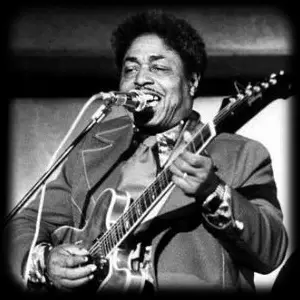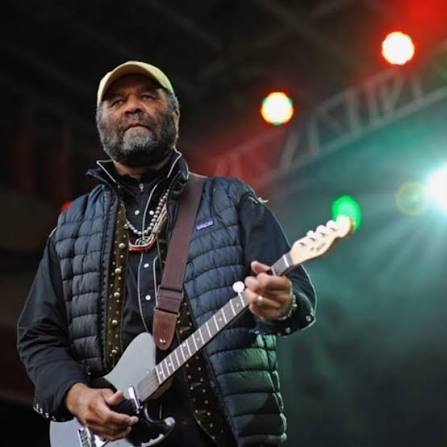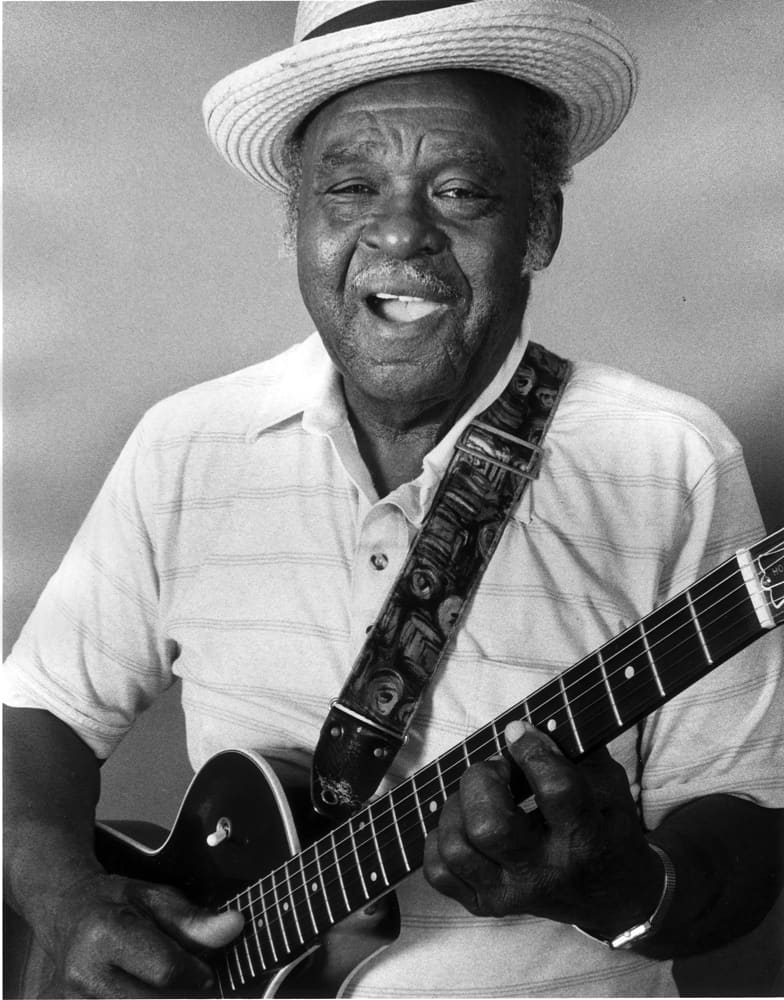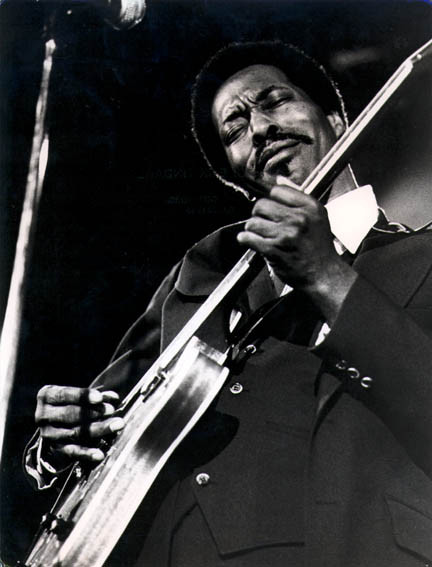
Buddy Guy (born George Guy on July 30, 1936) is one of the greatest living exponents of Chicago blues and one of the most influential electric guitarists in music history. Known for his fiery, expressive playing, powerful vocals, and showmanship, Guy has bridged traditional blues with rock and modern styles while mentoring and inspiring generations of musicians. His career spans over seven decades, from sideman work at Chess Records to global stardom and multiple Grammy wins.
Early Life
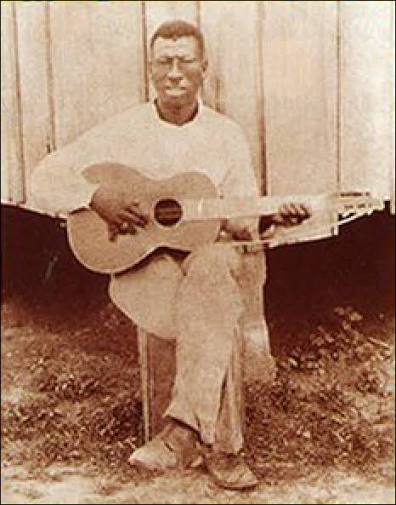
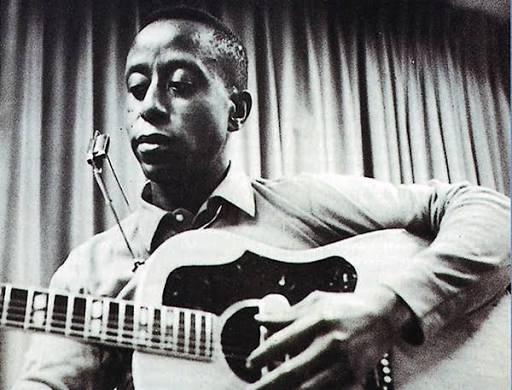
Buddy Guy was born in Lettsworth, Louisiana, to sharecropper parents Sam and Isabel Guy. He was the oldest of five children and grew up in rural poverty, picking cotton from a young age. Music was a refuge; he was inspired by local blues players and the sounds of artists like Muddy Waters and Lightnin' Hopkins heard on the radio. Guy built his first guitar from a screen door and taught himself to play, developing a raw, emotional style. He moved to Baton Rouge as a teenager, performing in clubs, before heading north to Chicago in 1957 in search of better opportunities. The move was difficult—he nearly starved before landing gigs—but Chicago's vibrant blues scene changed everything.
Career Highlights and Recordings
Buddy Guy arrived in Chicago in 1957 and quickly immersed himself in the West Side blues scene. He landed a residency at the 708 Club and was discovered by established artists. His first recordings came in 1958 for Artistic Records (a Cobra subsidiary), with Willie Dixon producing tracks like "Sit and Cry (The Blues)" and "This Is the End." These early sides showed his raw talent but had limited distribution.
Guy joined Chess Records in 1960, initially as a session guitarist for legends like Muddy Waters, Howlin' Wolf, Little Walter, Sonny Boy Williamson, and Koko Taylor. His own Chess singles, starting with "First Time I Met the Blues" (1960), became signature songs, showcasing his emotive bends, dynamic volume swells, and passionate vocals. Other notable Chess-era tracks include "Stone Crazy," "When My Left Eye Jumps," and "Let Me Love You Baby." However, label head Leonard Chess often pushed for a more restrained sound, leading to some frustration. Guy's 1960s Chess output mixed strong singles with session work, and he felt under-promoted as a solo artist.
A pivotal collaboration began in the mid-1960s with harmonica virtuoso Junior Wells. Their 1965 Delmark album Hoodoo Man Blues (initially credited to Wells with Guy as "Friendly Chap" due to his Chess contract) is widely regarded as one of the greatest Chicago blues albums ever, capturing their fiery live chemistry. Guy continued recording for Chess into the late 1960s, releasing albums like A Man and the Blues (1968) and This Is Buddy Guy (1968), which highlighted his growing confidence and versatility. He left Chess and recorded for Vanguard (Buddy Guy & Junior Wells Play the Blues, 1972 with Eric Clapton and others) and other labels, gaining a stronger following in Europe where blues purists appreciated his authentic style. Albums like Stone Crazy (1981) and European releases kept his profile alive during leaner commercial years in the U.S.
The early 1990s marked a major resurgence. Signing with Silvertone Records, Guy released Damn Right, I've Got the Blues (1991), featuring guests Eric Clapton, Jeff Beck, and Mark Knopfler. The album was a critical and commercial success, winning a Grammy for Best Contemporary Blues Album and introducing Guy to a new generation. Follow-ups Feels Like Rain (1993) and Slippin' In (1994) continued the momentum, both earning Grammys. These records blended fiery blues with soulful ballads and guest appearances, showcasing his range. Guy opened Buddy Guy's Legends nightclub in Chicago in 1989, which became a premier blues venue where he performed regularly.
In the 2000s and beyond, Guy maintained a prolific pace. Standout albums include Sweet Tea (2001, produced by Dennis Herring with a raw, Mississippi-inspired sound), Blues Singer (2003, Grammy winner), Living Proof (2010), Rhythm & Blues (2013), Born to Play Guitar (2015), The Blues Is Alive and Well (2018, Grammy winner), and The Blues Don't Lie (2022). He has collaborated with artists across genres and continues high-energy live performances featuring his trademark showmanship (e.g., playing guitar with his teeth or behind his back). As of 2025–2026, Guy remains active with tours and new music, including projects tied to his legacy.
Later Years
Buddy Guy remains active, performing residencies at Legends and touring. He has received the National Medal of Arts, Kennedy Center Honors, and multiple Lifetime Achievement awards. His influence is immense: Eric Clapton, Jimi Hendrix, Jimmy Page, Keith Richards, Stevie Ray Vaughan, Gary Clark Jr., John Mayer, and countless others cite him as a primary inspiration. Clapton called him "the best guitar player alive." Guy's expressive, dynamic style—alternating between tender and explosive—helped define modern electric blues and rock guitar. He has won six Grammys and remains a living link to Chicago's golden blues era.
Musical Technique
Buddy Guy is widely regarded as one of the greatest and most influential electric blues guitarists of all time. His technique combines raw power, emotional depth, technical flair, and showmanship, evolving from 1950s Chicago blues roots into a dynamic, modern style that has inspired rock legends like Jimi Hendrix, Eric Clapton, Stevie Ray Vaughan, and many others. Guy's playing is expressive, unpredictable, and deeply rooted in feeling.
Right-Hand Technique and Attack
Guy primarily uses a pick but incorporates hybrid picking (pick and fingers) for dynamic variety. His attack is aggressive yet controlled:
- Dynamic range: He excels at sudden shifts from soft, nuanced touches to explosive, high-volume bursts. This contrast creates tension and release central to his style.
- String bending with the right hand: He often adds percussive rakes or muted strums while bending, enhancing rhythmic drive.
- Volume swells and feedback control: Guy masterfully uses his guitar's volume knob and amp dynamics for expressive swells, a technique that influenced Hendrix and others. He is known for coaxing controlled feedback as a musical tool rather than noise.
Left-Hand Technique: Bends, Vibrato, and Phrasing
Guy's left hand is where his signature expressiveness shines:
- String bends: He delivers wide, vocal-like bends (often whole steps or more) with precise intonation and emotional weight. His bends have a vocal quality—singing and crying—rather than purely technical. He frequently combines bends with slides for fluid, storytelling lines.
- Vibrato: Guy uses a fast, wide, and intense vibrato, often applied after a bend for dramatic effect. This "shake" adds sustain and emotion, making notes "talk." His vibrato is more aggressive and varied than many blues players, ranging from subtle to frantic.
- Phrasing and space: He is a master of call-and-response phrasing, leaving space between licks to build tension. His solos often start sparse and build to climactic, high-energy runs. He incorporates chromatic passing tones, double stops, and unexpected twists, avoiding predictable patterns.
- Position playing and neck navigation: Guy moves freely across the fretboard, favoring higher positions for bright, piercing tones. He frequently uses the "Buddy Guy box" patterns but expands them creatively.
Tone and Equipment
Guy's tone is bright, cutting, and dynamic—often described as "liquid" or "singing." He has favored Fender Stratocasters (especially in later years) and Gibson ES-335 or Les Paul models earlier. Amps like Fender Twins or high-gain setups allow for natural breakup and sustain. He uses light-to-medium gauge strings for easier bending and a light touch that allows for nuance. Effects are minimal (occasional overdrive, reverb, or wah), as he relies on hands, guitar, and amp for most expression.
Influences and Innovations
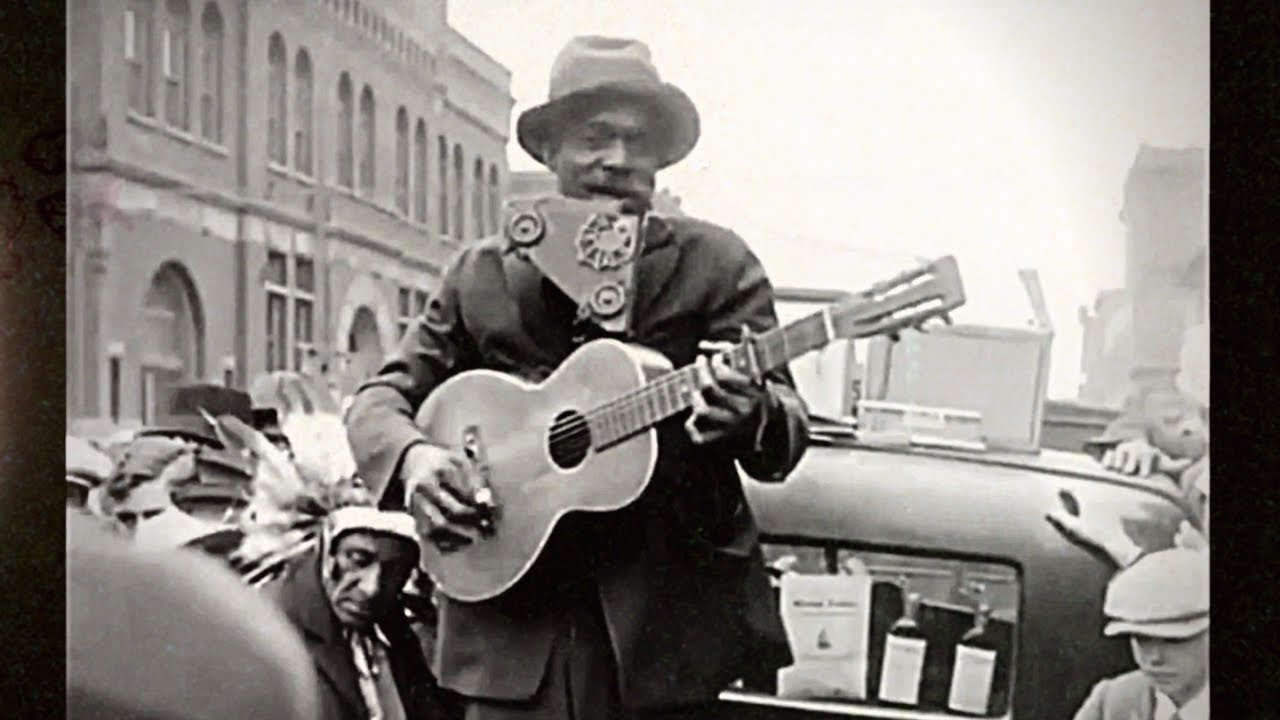
Guy drew heavily from Muddy Waters, B.B. King, T-Bone Walker, Guitar Slim (for wild showmanship and distortion), and Otis Rush. He innovated by amplifying emotional intensity and incorporating rock energy into blues while preserving its core. His willingness to experiment—playing with teeth, behind the back, or with extreme volume—added theatricality without sacrificing substance.
Buddy Guy's technique is not just about speed or flash but about feeling and communication. He makes the guitar sing, cry, and shout, turning technical skill into pure emotion. His influence is evident in virtually every modern blues and blues-rock guitarist, cementing his status as a living legend. To study Guy is to study expressive electric guitar at its finest.
Influence
Buddy Guy's career embodies resilience, creativity, and the power of the blues to connect generations. His recordings and live performances continue to inspire, ensuring the blues remains vibrant and relevant.