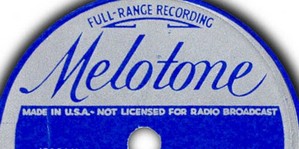
Melotone Records: An American Record Label was a budget-priced American record label active primarily in the 1930s. It was one of several low-cost imprints (including Perfect, Oriole, and Banner) operated under the American Record Corporation (ARC) umbrella. Melotone specialized in affordable 78 rpm records sold through chain stores and mail-order catalogs, making popular music, country, blues, and jazz accessible to working-class audiences during the Great Depression. While not a creative powerhouse, it played a role in distributing blues and early country recordings to a broad public.
Founding and History
Melotone was launched in the early 1930s by the American Record Corporation (ARC), a major manufacturer that consolidated several smaller labels to produce budget records. ARC aimed to compete in the low-price market by offering records for as little as 25–35 cents, significantly cheaper than premium brands like Victor or Columbia. The label was active from roughly 1930 to the late 1930s, with releases continuing under ARC’s various imprints until the company was sold to CBS in 1938.
Melotone’s output reflected the era’s popular tastes, with a mix of dance bands, hillbilly (country), blues, and pop vocalists. Many recordings were made by ARC’s studios in New York and licensed or reissued across its budget labels. The Depression-era economics made budget labels like Melotone important for keeping recorded music available to the masses.
Ownership and Business Practices
Melotone was owned and operated by the American Record Corporation (ARC). ARC was a consolidation of several companies and was eventually acquired by the Columbia Broadcasting System (CBS). The label used a cost-effective model: recordings were often made with house bands or lesser-known artists, and masters were shared across ARC’s budget imprints (Melotone, Perfect, Oriole, Romeo, etc.). This allowed for wide distribution through Sears, Montgomery Ward, and other retailers. Pseudonyms were commonly used for artists to navigate exclusive contracts with major labels. Production focused on quantity and affordability rather than high-fidelity innovation.
Notable Artists and Recordings
Melotone’s catalog was broad, covering popular music, hillbilly (country), jazz, and blues. The label’s strength lay in its affordability and wide distribution, making it an important vehicle for disseminating blues to a mass audience during the 1930s. Blues recordings were often licensed from other companies or drawn from ARC’s own sessions, frequently using pseudonyms or generic credits to avoid contract conflicts.
Blues Recordings
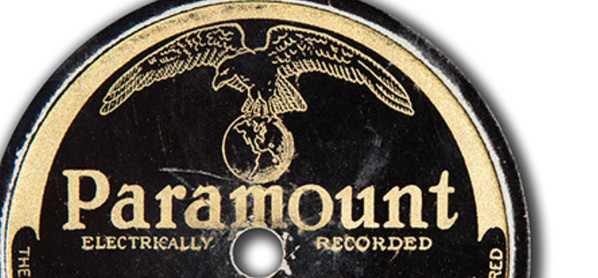
Melotone played a significant role in making pre-war blues accessible to working-class and rural buyers. The label reissued or licensed masters from Paramount, Vocalion, and other sources, often coupling blues sides with more commercial material.
- Blind Lemon Jefferson: One of the most important country blues artists featured on Melotone. Sears and ARC reissued several of his Paramount recordings, including classics like “Black Snake Moan,” “Match Box Blues,” and “See That My Grave Is Kept Clean.” Jefferson’s virtuosic guitar playing and expressive, high-pitched vocals made these some of the label’s most influential blues sides. His Melotone pressings helped establish him as a star beyond core “race records” buyers and influenced later generations of blues and rock musicians.
- Ma Rainey: The “Mother of the Blues” had several sides on Melotone drawn from her Paramount catalog. Her powerful vaudeville-blues style, backed by strong ensembles (including sometimes young Louis Armstrong), appeared on budget pressings. Tracks like “See See Rider” and other classics reached new audiences through Melotone, helping popularize the classic female blues sound of the 1920s.
- Lonnie Johnson: The sophisticated guitarist and singer had material on Melotone from his OKeh and other sessions. Johnson’s elegant single-note guitar lines, smooth vocals, and versatility across blues, jazz, and pop were highlights. His sides on the label contributed to the spread of urban blues guitar techniques and demonstrated the label’s range beyond raw country styles.
- Tampa Red: Known as the “Guitar Wizard,” Tampa Red had hokum and blues sides on Melotone. His trademark slide guitar and humorous, double-entendre songs (often with Georgia Tom) were well-represented. These releases captured the playful, dance-oriented side of 1930s blues and appealed to a broad audience.
- Big Bill Broonzy: Broonzy recorded under various names or with groups on Melotone. His strong vocals and guitar work appeared on country and early urban blues sides. These releases captured his early style and helped build his reputation before the folk-blues revival.
- Memphis Minnie: The pioneering female guitarist and singer had material licensed to Melotone. Her tough, assertive vocals and skilled guitar playing shone on sides that mixed country blues with emerging urban sounds. Minnie’s Melotone pressings brought her music to wider audiences and highlighted women’s contributions to the genre.
- Additional Blues Artists and Styles: Melotone issued sides by a range of lesser-known or regional performers, including piano boogie-woogie artists, jug bands, string bands, and hokum specialists. The label’s blues output often featured the raw energy of country blues alongside more polished urban styles. Many sides were re-couplings or edited versions of existing masters, sometimes with different artist credits. Catalog examples frequently shared numbering blocks with popular and hillbilly material, but dedicated series helped buyers locate blues records.
Other Notable Artists
Beyond blues, Melotone featured popular vocalists, dance bands, hillbilly artists, and jazz groups. The label’s strength was its eclectic mix, reflecting the tastes of Depression-era America.
Overall Significance of the Catalog
Melotone’s recordings, particularly its blues issues, helped bridge the gap between specialist “race records” and mainstream audiences. By making high-quality (if budget-pressed) blues available at low prices, the label contributed to the national popularization of the genre during a time of economic hardship. Original Melotone 78s are collectible today, and reissues have preserved much of the catalog for modern listeners. The label exemplifies how corporate budget imprints played a quiet but important role in the history of American recorded music, especially blues.
Its legacy lies in accessibility—bringing the voices of Blind Lemon Jefferson, Ma Rainey, and many others into homes across the country and helping lay the groundwork for the post-war blues boom.
Melotone’s Licensing Deals: How a Budget Label Disseminated Music in the 1930s
Melotone Records operated as part of the American Record Corporation (ARC), a major manufacturer that consolidated several smaller labels to produce budget-priced records. ARC’s business model relied heavily on licensing and sharing masters across its various imprints (Melotone, Perfect, Oriole, Banner, Romeo, etc.). This strategy allowed Melotone to offer a wide variety of music at low prices without the expense of constant new recordings.
How Licensing Worked
ARC maintained a central pool of masters recorded in its own studios or acquired from other sources. These masters were then licensed or assigned to different budget labels under varying artist credits and couplings to avoid conflicts with exclusive contracts held by major labels like Victor and Columbia.
- Internal ARC Licensing: Most Melotone blues and popular sides came from ARC’s own sessions or shared masters. Artists might appear under their real names on one imprint and pseudonyms on another. This maximized the value of each recording session.
- External Licensing: ARC also licensed material from independent “race records” labels like Paramount and Vocalion. This was crucial for blues content. Paramount masters featuring Blind Lemon Jefferson, Ma Rainey, and others were frequently reissued on Melotone, bringing high-quality country blues to Sears customers and other budget buyers.
- Pseudonyms and Re-Couplings: To navigate contracts and appeal to different markets, ARC frequently used pseudonyms (e.g., “The Mississippi Sheiks” or generic “blues singer” credits) and paired blues sides with more commercial material. This practice helped Melotone avoid legal issues while still offering desirable content.
Impact on Blues Dissemination
These licensing deals were instrumental in popularizing blues during the Depression. By reissuing Paramount and other masters on affordable Melotone pressings, ARC made recordings by Blind Lemon Jefferson, Ma Rainey, Lonnie Johnson, Tampa Red, Memphis Minnie, and Big Bill Broonzy available to a much broader audience than the original “race records” market. Rural and working-class buyers across the country could discover these artists through their local Sears catalog or store.
The strategy also allowed ARC to test market demand and recycle successful material across imprints. While this sometimes resulted in lower sound quality due to multiple generations of pressings, it significantly extended the reach and longevity of early blues recordings.
Legacy of the Licensing Model
Melotone’s reliance on licensing exemplified the efficient, cost-conscious approach of 1930s budget labels. This model influenced later reissue and budget imprints and demonstrated how corporate consolidation could democratize access to music. Today, the practice means that many original Melotone blues sides are traceable back to Paramount or other sources, aiding discographical research. The licensing deals ultimately helped preserve and circulate some of the most important early blues performances, contributing to the genre’s enduring legacy.
Legacy and Impact
Melotone Records helped keep recorded music affordable during the economic hardship of the 1930s. By distributing blues and country sides through mass retail channels, it contributed to the wider dissemination of American vernacular music. While overshadowed by more prestigious labels, its budget model influenced later discount imprints and demonstrated the commercial potential of reissuing and repackaging existing masters. Today, original Melotone 78s are collectible for their historical value and as artifacts of Depression-era America. Reissues and compilations have preserved much of its catalog, ensuring its role in music history is remembered.
Melotone exemplifies how major corporations used subsidiary labels to reach mass markets, playing a quiet but important part in the story of recorded blues and popular music in the United States.