Bobbin Records: A St. Louis Blues Powerhouse of the Late 1950s and Early 1960s was a significant independent record label based in St. Louis, Missouri. Active primarily from 1958 to the mid-1960s, Bobbin specialized in electric blues, R&B, and soul, serving as a vital outlet for local talent during a transitional period in American music. The label helped launch and sustain the careers of major blues artists and contributed to the rich musical legacy of the St. Louis scene.
Founding and History
Bobbin Records was founded in 1958 in St. Louis, Missouri, by blues musician Little Milton (Milton Campbell Jr.) and KATZ-AM disc jockey Bob Lyons. The label emerged at a time when independent record companies were crucial for Black artists in the Midwest, particularly in cities like St. Louis that had vibrant but under-recorded blues scenes. Little Milton, already an established performer with experience on Sun Records, sought greater creative control and better opportunities for local talent. Bob Lyons, with his influential radio platform on KATZ-AM (a key station for the Black community), provided promotion and industry connections.
The name “Bobbin” was reportedly a combination of Bob Lyons’ first name and a playful reference to the winding of recording tape or a bobbin of thread, symbolizing the hands-on nature of the operation. The label started modestly, with recordings made at local St. Louis studios. Early sessions focused on capturing the raw, energetic sound of the city’s blues and R&B clubs.
Bobbin enjoyed a productive period in the late 1950s and early 1960s, releasing a string of singles that gained regional popularity. The label benefited from the Great Migration’s influence on St. Louis music, blending Delta blues roots with urban R&B and emerging soul elements. Distribution was primarily regional, though some releases received national attention through larger distributors. By the mid-1960s, changing industry dynamics, competition from larger labels like Chess and Stax, and distribution challenges contributed to the label’s decline. Bobbin ceased active operations around the mid-to-late 1960s, though its catalog continued to influence blues and soul music.
The label’s history reflects the challenges and opportunities faced by independent Black-owned or Black-focused labels in the post-war era. Little Milton’s dual role as artist and label head was particularly significant, representing a model of artist entrepreneurship that became more common in later decades. Bobbin’s legacy is preserved through reissues and compilations that highlight its role in documenting the St. Louis blues scene during a key transitional period.
Ownership and Business Practices
Little Milton and Bob Lyons were the primary owners and operators. Little Milton served as the artistic director and A&R man, bringing in talent and often performing himself. Lyons handled promotion through his radio work, giving the label valuable airplay on KATZ-AM, a key Black-oriented station in St. Louis.
Bobbin’s business model focused on local and regional talent, with a hands-on approach to recording and promotion. The label maintained strong ties to the St. Louis club scene, where many artists performed. Distribution was primarily regional, though some releases gained national traction through larger distributors. The label’s strength lay in its authentic, gritty sound that captured the electric blues and emerging soul styles of the era.
Notable Artists and Recordings
Bobbin Records built a strong catalog centered on electric blues, R&B, and emerging soul sounds from the St. Louis scene. The label’s recordings were characterized by powerful vocals, tight rhythm sections, stinging guitar work, and a raw, danceable energy that reflected the city’s vibrant club culture. Releases were primarily 45 rpm singles, often with strong local airplay on KATZ-AM thanks to co-founder Bob Lyons.
Little Milton (Milton Campbell)
As co-founder and flagship artist, Little Milton was the heart of Bobbin Records. His early singles for the label showcased his smooth yet gritty vocals, expressive guitar playing, and ability to blend blues with soul and R&B.
- “Somebody Told Me”: An early single that demonstrated Milton’s sophisticated style and emotional delivery. It was a variation on B.B. King influences but with his own St. Louis flavor.
- Other notable Bobbin sides included heartfelt ballads and uptempo blues numbers that highlighted his versatility. These recordings helped establish Milton as a major regional star and laid the groundwork for his later success on Checker/Chess Records. His Bobbin output is prized for capturing him at a formative stage, with raw energy and strong band support.
Albert King
One of Bobbin’s most important artists and a cornerstone of its legacy. King recorded a series of powerful sides in the late 1950s and early 1960s that showcased his unique left-handed guitar style, stinging bends, and commanding vocals.
- Key recordings included “I’m a Lonely Man” and other tracks that highlighted his emotional depth and dynamic playing. These sides captured King at a pivotal point, bridging traditional blues with a more modern, soul-tinged approach.
- The Bobbin sessions (later compiled on releases like The Complete King & Bobbin Recordings) are considered essential for understanding King’s development before his breakthrough on Stax. His work on the label helped define the St. Louis blues sound and influenced countless guitarists.
Fontella Bass
The talented singer recorded early material on Bobbin before achieving major success. Her powerful, gospel-trained voice was evident on these sides, blending soul, blues, and R&B.
- Bass’s Bobbin recordings foreshadowed her hit “Rescue Me” and demonstrated her range as a vocalist. The label provided her with an important early platform in the St. Louis scene.
Other Notable Artists
Bobbin’s roster included a range of local St. Louis blues and R&B talents, often featuring tight horn sections, driving rhythms, and emotive singing.
- Various local bands and vocalists contributed singles that captured the city’s musical melting pot. The label’s output often featured artists who performed in the vibrant club scene along Delmar Boulevard and other hotspots.
- Additional releases included material by lesser-known but talented performers who added depth to Bobbin’s catalog of gritty, danceable blues and soul.
Overall Significance of the Catalog
Bobbin’s recordings were notable for their authenticity and connection to the St. Louis sound — a blend of Delta roots, urban energy, and soulful expression. The label’s focus on local talent helped sustain the city’s blues scene during a transitional period. Its singles were primarily aimed at regional audiences but gained some national traction through distribution deals.
Today, Bobbin releases are valued by collectors for their historical importance and raw quality. Compilations have preserved much of the catalog, ensuring that the contributions of Little Milton, Albert King, Fontella Bass, and others continue to be heard. Bobbin Records stands as a vital chapter in the story of independent blues labels and St. Louis music history.
Suggested Listening
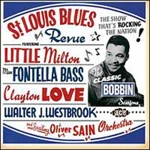 Buy from Amazon St. Louis Blues Revue: The Classic Bobbin Sessions
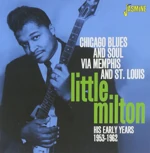 Buy from Amazon Chicago Blues And Soul Via Memphis And St Louis - His Early Years 1953-1962 - Little Milton
Legacy and Impact
Bobbin Records played a crucial role in the St. Louis blues scene, providing a platform for artists like Little Milton and Albert King during a time when opportunities were limited. The label’s recordings captured the transition from traditional electric blues to soul-influenced sounds, influencing the broader development of rhythm and blues. Although it was relatively short-lived, Bobbin’s catalog has been reissued on compilations, preserving its contributions. The label exemplifies the importance of regional independents in supporting local talent and enriching American music history.
Today, Bobbin releases are valued by collectors and blues enthusiasts for their authentic St. Louis sound and historical significance. The partnership between Little Milton and Bob Lyons remains a notable example of artist-entrepreneur collaboration in the independent era.