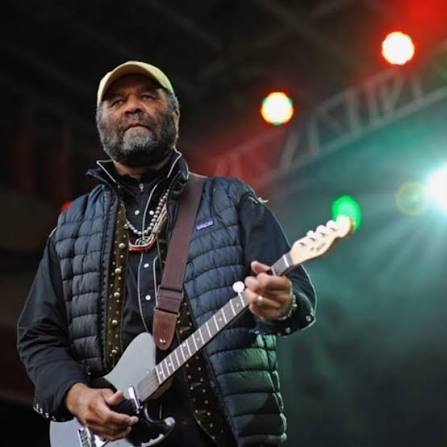
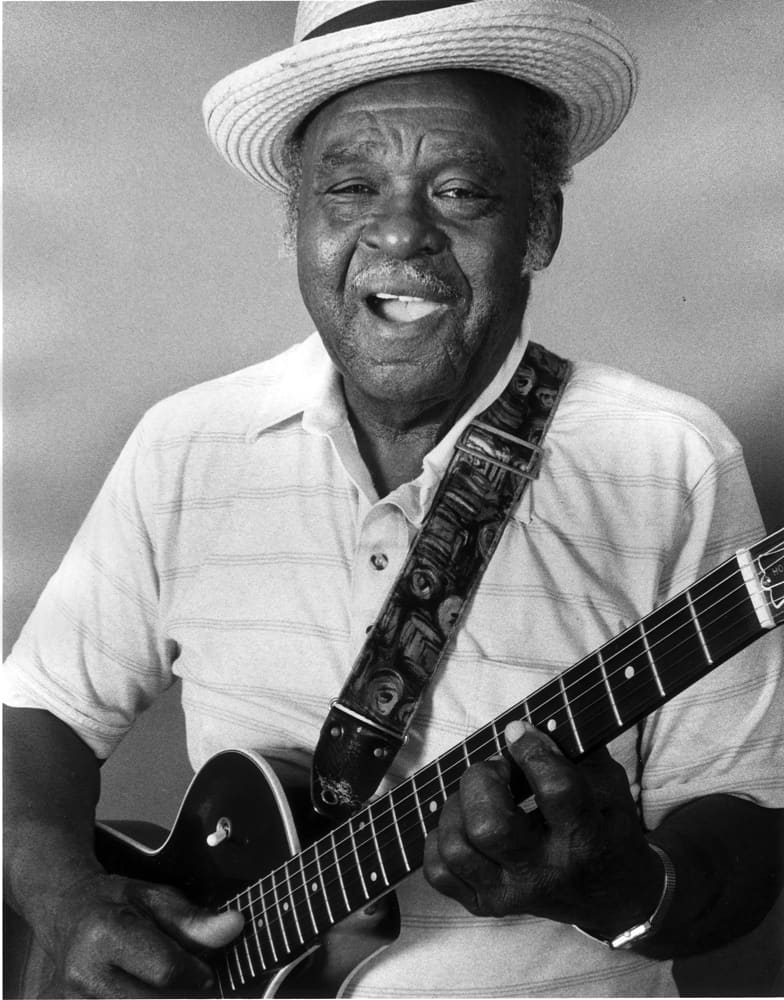
Otis Spann (March 21, 1924 or 1930 – April 24, 1970) is widely regarded as the premier postwar Chicago blues pianist. His powerful, rolling boogie-woogie and stride-influenced style, combined with soulful vocals and empathetic ensemble playing, defined the sound of the Chess Records era and elevated the piano’s role in electric blues. As Muddy Waters’ longtime bandmate, Spann provided the driving rhythmic and emotional foundation for countless classics while forging a respected solo career in his final decade.
Early Life
Sources differ on Spann’s birth details. Census records and researchers Bob Eagle and Eric LeBlanc support March 21, 1924, in Belzoni, Mississippi, while many earlier accounts cite 1930 in Jackson. He grew up in a musical family: his mother, Josephine Erby (or Ervin), played guitar and performed with artists like Memphis Minnie and Bessie Smith; his stepfather was a preacher and musician. Spann began playing piano around age seven or eight, influenced by local pianist Friday Ford and the recordings of Big Maceo Merriweather.
By his early teens, he was performing in Jackson clubs and talent contests (notably at the Alamo Theater). He moved to Chicago in the mid-1940s (around 1946–1947), working days as a bricklayer or in construction while pursuing music at night. Big Maceo mentored him, helping secure gigs at venues like the Tic Toc Lounge. Spann also absorbed influences from stride and boogie-woogie masters like Fats Waller and Roosevelt Sykes.
Career with Muddy Waters and Chess Records
Spann joined Muddy Waters’ band in late 1952, replacing or supplementing earlier pianists. His first session with Muddy occurred on September 24, 1953. From then until 1968–1969, he was a core member of one of the greatest blues bands ever assembled, appearing on most of Muddy’s iconic Chess recordings. His rippling, powerful piano drove hits and standards such as:
- “Hoochie Coochie Man”
- “I’m Ready”
- “Got My Mojo Working”
- “Mannish Boy”
- “Blow Wind Blow”
- “Just Make Love to Me”
Spann’s style—barnstorming boogie with expressive fills, dynamic dynamics, and a churchy depth—perfectly complemented Muddy’s slide guitar and authoritative vocals. He also contributed session work for Chess artists including Howlin’ Wolf, Sonny Boy Williamson II, Bo Diddley, and possibly Chuck Berry.
In 1954, Spann recorded his first solo single for Checker (a Chess subsidiary): “It Must Have Been the Devil” b/w “Five Spot,” featuring B.B. King on guitar. It became a modest hit and showcased his vocal abilities, which Chess largely underutilized in favor of his sideman role.
While Otis Spann remained a cornerstone of Muddy Waters’ band through much of the 1960s, the folk-blues revival and growing international interest in authentic Chicago blues finally gave him opportunities to record and perform more prominently as a leader. His solo career, though relatively short, produced a strong body of work that showcased his vocal talents and piano mastery in varied settings.
Early Solo Efforts
Spann’s first solo single appeared in 1954 on Checker Records (“It Must Have Been the Devil” b/w the instrumental “Five Spot”), featuring a young B.B. King on guitar. A 1956 Chess session remained unreleased for decades. His true breakthrough as a leader came in 1960 with the landmark album Otis Spann Is the Blues (Candid Records), a intimate duet session with guitarist Robert Lockwood Jr. Often cited as one of his finest and most personal recordings, it highlighted semi-autobiographical material and deep, Maceo Merriweather-influenced piano work.
1960s Solo Highlights
Throughout the decade, Spann recorded prolifically for various labels targeting the revival audience:
 Buy from Amazon The Blues of Otis Spann (Decca, 1964) — Featured Muddy Waters under the pseudonym “Brother.”
 Buy from Amazon The Blues Never Die! (Prestige, 1965) — With James Cotton.
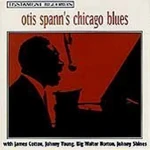 Buy from Amazon Otis Spann’s Chicago Blues (Testament, 1966, also released as Nobody Knows My Troubles) — A strong Chicago-style set.
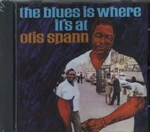 Buy from Amazon The Blues Is Where It’s At (ABC-BluesWay, 1966) — A lively “live in the studio” album with Muddy Waters, Sammy Lawhorn, and George “Harmonica” Smith.
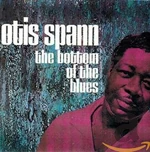 Buy from Amazon The Bottom of the Blues (BluesWay, 1968) — Featuring his wife Lucille Spann on vocals.
He also contributed to Vanguard’s Chicago/The Blues/Today! Vol. 1 (1966) and recorded contemplative solo sides in Copenhagen during the 1963 American Folk Blues Festival tour (Good Morning Mr. Blues, Storyville).
In 1969, Spann entered one of his most active periods, releasing multiple albums:
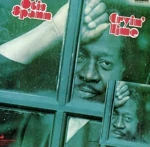 Buy from Amazon Cryin’ Time (Vanguard, 1969)
 Buy from Amazon The Biggest Thing Since Colossus (Blue Horizon, 1969) — Recorded with Peter Green’s Fleetwood Mac as his backing band, blending Chicago blues with British blues-rock energy.
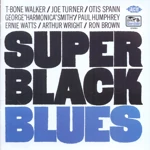 Buy from Amazon Super Black Blues (BluesTime/Flying Dutchman, 1969) — A powerful all-star session with T-Bone Walker and Big Joe Turner.
- Additional releases on Spivey (The Everlasting Blues vs. Otis Spann, Up in the Queen’s Pad) and Prestige (Sweet Giant of the Blues), plus archival material.
Spann left Muddy Waters’ band around 1968–1969, handing the piano chair to Pinetop Perkins, to focus on his solo career and touring. He performed at festivals, toured Europe, and collaborated with artists like Buddy Guy and Big Mama Thornton. His wife, Mahalia “Lucille” Spann, frequently joined him on stage and recordings.
Musical Style
Otis Spann’s piano playing represented the pinnacle of postwar Chicago blues piano, blending the raw power of classic boogie-woogie with sophisticated touches of stride, gospel, and jazz. He created a full, orchestral sound that anchored the band while providing dynamic interplay with other instruments. His style was heavily rooted in the influence of Big Maceo Merriweather, whose thunderous approach Spann refined into a more modern, versatile voice.
Left-Hand Foundation
Spann’s left hand was the engine of his playing. He delivered thunderous, rolling boogie-woogie bass patterns and strong stride-influenced walking bass lines that provided an unshakable rhythmic drive. These patterns often featured heavy, stomping chords and octave-based voicings with inner notes (sometimes called “octave chords”), giving his accompaniment a massive, propulsive feel ideal for Muddy Waters’ electric ensemble. He maintained a steady, swinging pulse even during slow blues, making the piano feel like a complete rhythm section.
Right-Hand Expression
His right hand was highly melodic and expressive, featuring:
- Rapid tremolos and trills (“crushed notes” and fluttering effects).
- Soulful runs, fills, and blue-note flurries.
- Call-and-response phrases that dialogued with the singer or harmonica.
- Dynamic shifts from delicate, sensitive touches to powerful, barrelhouse stomps.
Spann frequently used a modified major blues scale (root–♭3–3–5–6–♭7) for his improvisations, allowing a rich, vocal-like quality. His touch combined power with remarkable sensitivity, enabling him to “make the piano weep” while sustaining momentum.
Ensemble vs. Solo Playing
In Muddy Waters’ band, Spann excelled as a supportive player—providing perfect rhythmic cushioning and empathetic fills that enhanced Muddy’s slide guitar and vocals without overpowering them. In solo or small-group settings (such as the Otis Spann Is the Blues duet with Robert Lockwood Jr.), he expanded into more elaborate, inventive passages, showcasing two-handed independence and flights of improvisation that propelled the music forward. Solo piano showcases like “Great Northern Stomp” or “Spann’s Boogie” highlight his ability to generate a full-band sound alone.
Vocal Style
Spann’s singing was warm, gritty, and emotionally direct. His voice had a deep, resonant quality capable of conveying profound melancholy, resignation, or exuberant joy. Like his piano playing, it balanced raw blues feeling with subtle sophistication. He often delivered lyrics with a conversational intimacy, making even familiar material feel personal and heartfelt.
Overall, Spann’s style was robust yet nuanced—powerful enough to cut through amplified guitars and harmonicas, yet sensitive enough to support and elevate the ensemble. His command of dynamics, rhythmic drive, and expressive phrasing made him the ideal bridge between the older barrelhouse tradition and the electrified Chicago sound that dominated the 1950s and 1960s. This combination of strength, soul, and musical intelligence is why many consider him the greatest modern blues pianist.
Legacy and Influence
Otis Spann died of liver cancer on April 24, 1970, in Chicago (age 40 or 46). He was inducted into the Blues Hall of Fame in 1980 as its first pianist. His grave in Chicago remained unmarked for nearly 30 years until blues fans funded a headstone in 1999. The Ann Arbor Blues & Jazz Festival renamed a venue Otis Spann Memorial Field in his honor.
Spann set the standard for Chicago blues piano, influencing later players like Pinetop Perkins (who succeeded him in Muddy’s band), Johnnie Johnson, and countless others. His work with Muddy Waters helped define the electric Chicago sound that shaped rock and roll. Compilations and reissues of his solo albums and sideman contributions keep his music vital. Spann exemplified the power of the supportive genius—elevating the ensemble while carving out his own soulful voice. He remains a cornerstone of postwar blues.