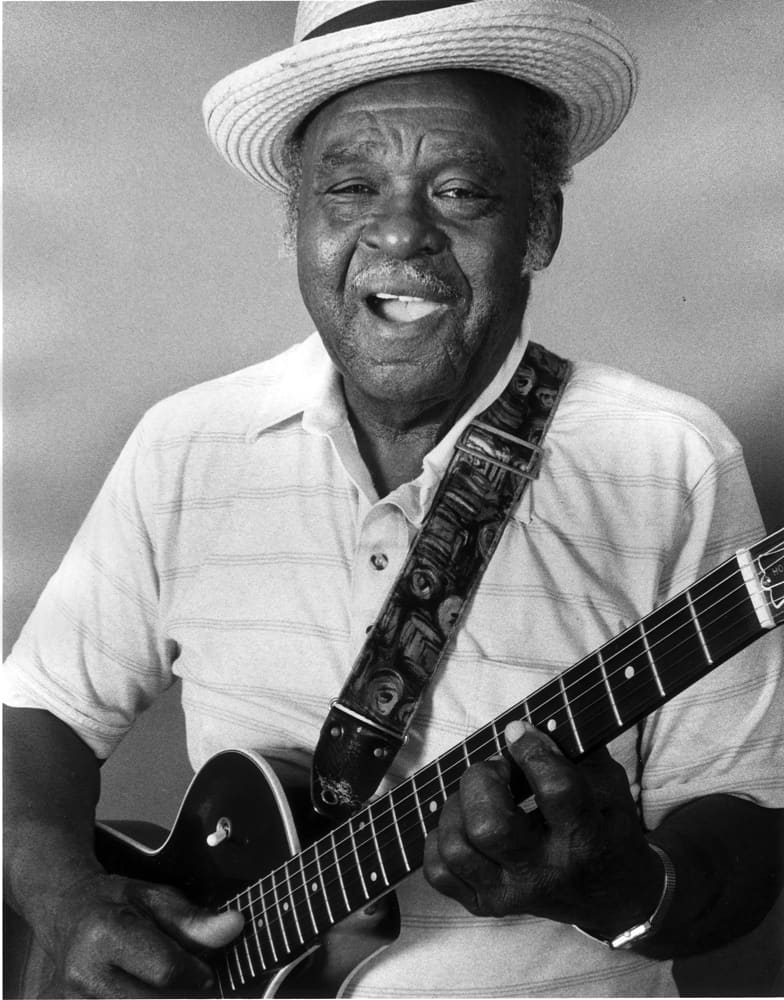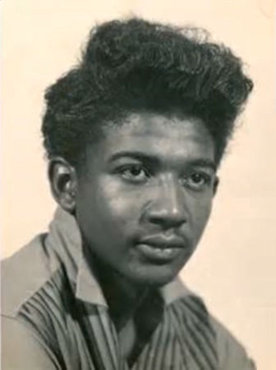
Leslie Johnson (June 20, 1933 – August 22, 2018), known professionally as Lazy Lester, was a pioneering American blues musician, singer, harmonica player, and guitarist. He was a key figure in the development of swamp blues, the atmospheric, laid-back Louisiana variant of the genre that blended rural Delta roots with rhythmic R&B and regional flavors. His high-pitched harmonica, laconic vocals, and infectious originals left an indelible mark on blues and rock, with songs covered by artists ranging from The Kinks to the Fabulous Thunderbirds.
Early Life
Born Leslie Johnson in Torras, Louisiana, near Baton Rouge, Lester grew up in a musical environment but entered the professional scene almost by accident. He started playing guitar around age 11 and performed in his teens with local acts, including co-founding the Rhythm Rockers with Raful Neal. Influences included Jimmy Reed and Little Walter, whose harmonica styles shaped his own crisp, articulate approach.
In the mid-1950s, while riding a bus, Lester met guitarist Lightnin' Slim, who needed a harmonica player for a session. Lester volunteered, launching a long collaboration. Producer J.D. Miller at Crowley, Louisiana's studios recognized his talent and began recording him as a solo artist while using him as a versatile sideman on harmonica, guitar, bass, and inventive percussion (including rolled-up newspapers on cardboard boxes). Miller gave him the nickname "Lazy Lester" for his relaxed, easygoing demeanor.
Career Breakthrough and Excello Years
Lester’s career took off in the mid-1950s through a fortunate encounter on a bus with Lightnin’ Slim (Otis Hicks), who was heading to a recording session but missing his harmonica player. Lester boldly offered to fill in, and his performance impressed producer J.D. “Jay” Miller at the Crowley, Louisiana studio. This led to Lester becoming a regular session musician and, soon after, a solo artist on Excello Records.
From 1956 onward, Lester recorded a string of memorable singles for Excello, often backed by local musicians like Guitar Gable or in the loose, atmospheric style typical of Miller’s productions. His debut sides included “I’m Gonna Leave You Baby” and “Lester’s Stomp.” He quickly developed a signature sound: a high, piercing harmonica tone, relaxed yet rhythmic vocals (often described as “mushmouthed” or laconic), and grooves that perfectly embodied the humid, bayou-infused swamp blues.
Key hits and signature tracks from this era include:
- “I’m a Lover Not a Fighter” (1958, backed with “Sugar Coated Love”) — one of his biggest regional successes, later covered by The Kinks on their debut album.
- “I Hear You Knockin’” — a driving, insistent number that highlighted his harp work.
- “Sugar Coated Love” — covered by the Fabulous Thunderbirds and others.
- Other notables: “Go Ahead,” “Tell Me Pretty Baby,” “Through the Goodness of My Heart,” “Whoa Now,” “Lonesome Highway Blues,” and “You’re Gonna Ruin Me Baby.”
These records received airplay on Southern R&B stations and became staples in Louisiana juke joints. Many were co-credited to Miller, though Lester maintained he wrote or co-wrote much of the material, leading to royalty disputes that later soured him on the industry.
Beyond his solo work, Lester was an invaluable sideman. He played harmonica, guitar, bass, and creative percussion (including newspaper-on-cardboard-box techniques for unique rhythmic textures) on sessions for Lightnin’ Slim (his frequent partner, who would call out “Play your harmonica, son!” during solos), Slim Harpo, Katie Webster, Lonesome Sundown, and others. This made him a central figure in the Excello “swamp blues” stable, helping define the sound alongside peers like Slim Harpo. His Excello period stretched into the mid-1960s, with a compilation True Blues appearing in 1967, but by then the regional market had shifted, and Lester’s style felt somewhat dated to younger audiences.
Comeback and Later Career
After stepping away from music in the late 1960s for manual labor and fishing, Lester lived in relative obscurity, first in Louisiana and later in Pontiac, Michigan (near friend Lightnin’ Slim). A brief 1971 reunion with Slim at the University of Chicago Folk Festival hinted at a return, but the full comeback gained momentum in the 1980s thanks to European blues enthusiasts and U.S. revivalists.
In 1987, Lester toured England, where the Flyright label launched an extensive reissue program of his Excello material. He recorded Lazy Lester Rides Again for Blue Horizon (later issued in the U.S. on Kingsnake), marking his return to the studio.
 Buy from Amazon Lazy Lester Rides Again
The following year, he cut Harp & Soul for Alligator Records (produced by Bob Greenlee), featuring guests like Kenny Neal and Lucky Peterson. This album brought him to his widest audience yet, showcasing his still-potent harp playing and swamp-blues charm.
The 1990s and 2000s saw consistent activity. He recorded All Over You (1998, Antone’s, with Sue Foley, Derek O’Brien, and others) and Blues Stop Knockin’ (2001, also Antone’s, featuring Jimmie Vaughan). Additional releases included collaborations like Superharps II (2001, Telarc, with Carey Bell, Raful Neal, and Snooky Pryor) and later efforts such as One More Once (2010) and You Better Listen (2011, recorded in Norway). European labels like Flyright released previously unissued Excello-era tracks.
Lester performed at major festivals, appeared in Martin Scorsese’s Lightning in a Bottle (2003) tribute concert, and received a Lifetime Achievement Award from the Boston Blues Society in 2002. He was inducted into the Blues Hall of Fame in 2012. Into his 80s, he continued gigging nationally and in Louisiana with peers like Kenny Neal and Lil’ Buck Sinegal, and even appeared in a 2018 national Geico commercial. He lived in Paradise, California, and featured in the 2015 documentary I Am the Blues.
These later years reaffirmed his status as a living link to the golden age of Louisiana swamp blues, delighting new generations while staying true to his roots.
Recordings and Style
Lester’s discography centers on his Excello singles and later revival albums. Compilations like I Hear You Knockin': Best of the Excello Singles or the more complete I'm A Lover Not A Fighter - The Complete Excello Singles 1956-1962 preserve his prime work. His style was deceptively simple: high, piercing harmonica riffs, relaxed "mushmouthed" vocals, and a rhythmic groove that felt both urgent and effortless. He played guitar and provided inventive percussion, adding texture to countless sessions.
 Buy from Amazon I'm A Lover Not A Fighter - The Complete Excello Singles 1956-1962
Swamp blues under Lester emphasized atmosphere—echoey production, mid-tempo shuffles, and a distinctly Louisiana flavor—distinguishing it from Chicago's harder edge or Delta's rawness. His originals were catchy, often humorous or romantic, and highly coverable.
Legacy
Lazy Lester’s songs have been recorded by The Kinks ("I'm a Lover Not a Fighter"), the Fabulous Thunderbirds ("Sugar Coated Love"), Dwight Yoakam, Dave Edmunds, and many more, bridging blues with rock, country, and Tex-Mex. He influenced harmonica players and helped preserve Louisiana’s rich blues heritage. As one of the last links to the Excello era, he remained active and beloved until the end.
Lester died of cancer on August 22, 2018, at age 85 in Paradise, California. Tributes highlighted his role as a "national treasure" and architect of swamp blues. His lighthearted spirit, innovative harp playing, and timeless recordings ensure his place in blues history. Lazy Lester never rushed, but his influence endures.