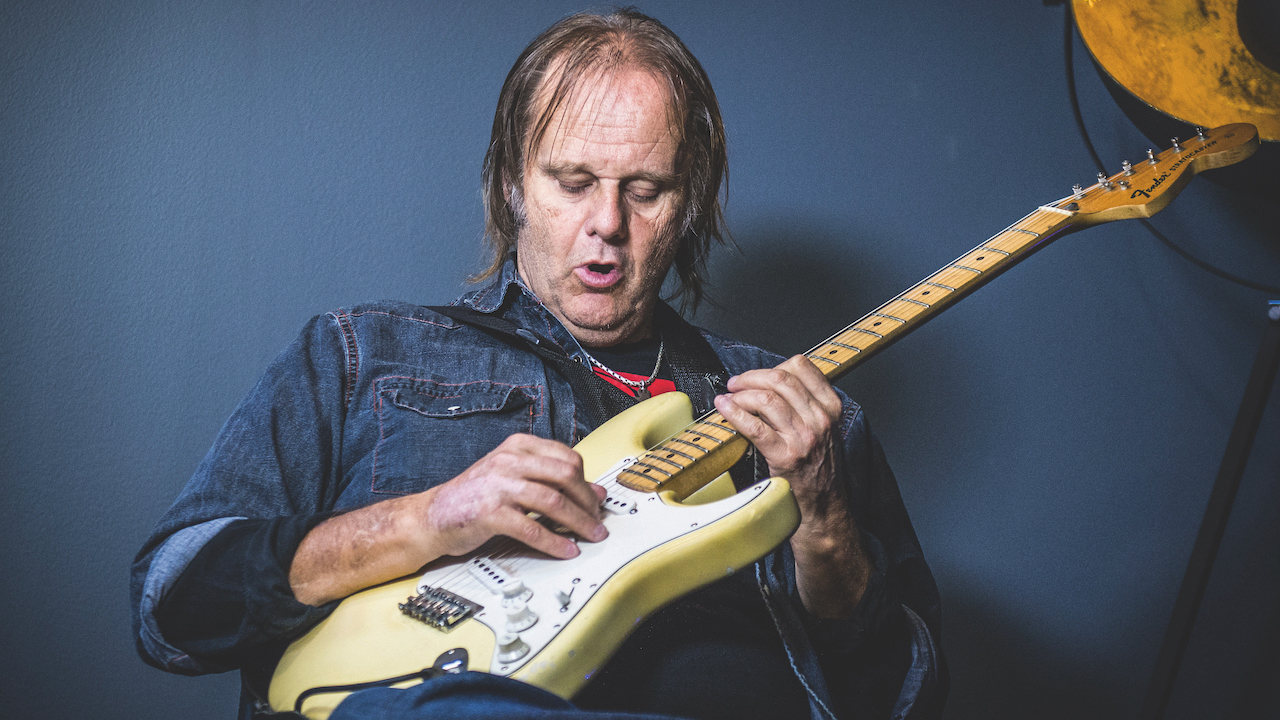
John Dawson Winter III (February 23, 1944 – July 16, 2014) was an American singer, guitarist, songwriter, and producer whose explosive slide guitar, raw energy, and deep commitment to the blues made him one of the most influential figures in blues-rock. Born with albinism in Beaumont, Texas, Winter overcame physical challenges and industry hurdles to build a career spanning over five decades. He bridged traditional Delta and Chicago blues with high-octane rock, produced Grammy-winning albums for Muddy Waters, and earned his own accolades, including induction into the Blues Hall of Fame.
Early Life and Influences
Winter was born in Beaumont, Texas, while his father served in the army; the family had roots in Leland, Mississippi. He and his younger brother Edgar (born 1946), both albinos, grew up in a musical household. Their father played saxophone, guitar, and sang. Johnny started with clarinet at age five, moved to ukulele at eight, and took up guitar at 11. The brothers performed early, appearing on a local children’s show.
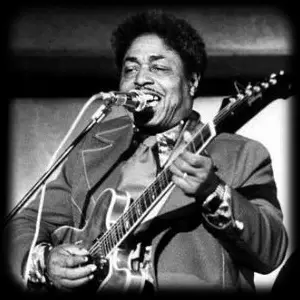
Winter discovered blues through radio and local Black musicians, absorbing artists like Muddy Waters, Howlin’ Wolf, B.B. King, and Bobby Bland. As a teenager, he saw these legends live, an experience that shaped his lifelong reverence for the form. He formed Johnny and the Jammers with Edgar, recording their first single “School Day Blues” in 1959 at age 15. Throughout the 1960s, he cut dozens of singles for small Texas labels under various names, played gigs across Texas and Louisiana, and occasionally sat in with bands like Roy Head and the Traits (contributing to a minor hit with “Harlem Shuffle”).
In 1968, Winter shifted fully to blues-rock, forming a trio with bassist Tommy Shannon and drummer Uncle John Turner. They recorded The Progressive Blues Experiment for the local Sonobeat label in Austin.
Breakthrough and Columbia Era
Winter’s big break came via a December 1968 Rolling Stone article praising the “hottest item” in Texas: a “130-pound cross-eyed albino with long fleecy hair” delivering “gutsiest fluid blues guitar.” New York club owner Steve Paul became his manager, sparking a label bidding war. Columbia Records signed him with a reported $600,000 advance—the largest for a new solo artist at the time.
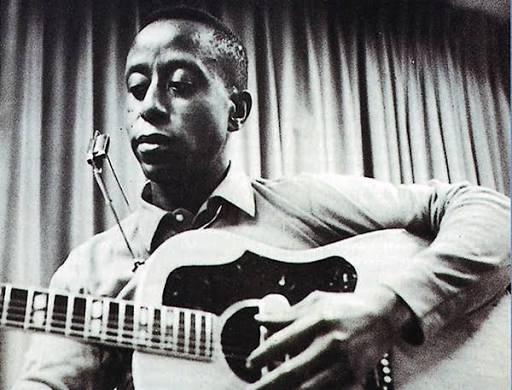
His self-titled Columbia debut (1969) featured Shannon and Turner, with guests like Edgar Winter, Willie Dixon, and Big Walter Horton. It reached No. 23 on the Billboard 200 and included signatures like “Dallas” (acoustic slide), “Good Morning Little Schoolgirl,” and “Be Careful with a Fool.” Imperial reissued The Progressive Blues Experiment, which charted at No. 40. Winter played Woodstock in 1969 and recorded Second Winter (a three-sided double LP) that year, adding covers of Chuck Berry’s “Johnny B. Goode” and Bob Dylan’s “Highway 61 Revisited.”
In 1970, he formed Johnny Winter And with ex-McCoys members, including guitarist Rick Derringer. Their album included Derringer’s “Rock and Roll, Hoochie Koo.” The live Live Johnny Winter And (1971) became his only RIAA gold-certified album and captured his ferocious stage presence.
Struggles, Comeback, and Muddy Waters Collaboration
Success brought heroin addiction and depression. Winter paused his career, sought treatment, and returned triumphantly with Still Alive and Well (1973), featuring Mick Jagger and Keith Richards’ “Silver Train.” Albums like Saints & Sinners (1974) and John Dawson Winter III (1974) followed, blending blues and rock.
A dream came true in the mid-1970s when Winter produced Muddy Waters’ comeback on Blue Sky Records: Hard Again (1977), I’m Ready (1978), and the live Muddy “Mississippi” Waters – Live (1979), all Grammy winners for Waters. Winter’s own Nothin’ but the Blues (1977) also earned recognition. These projects revitalized Waters’ career and highlighted Winter’s production and guitar skills.
Later Career and Blues Focus
In the 1980s, Winter signed with Alligator Records for pure blues albums: Guitar Slinger (1984), Serious Business (1985), and Third Degree (1986), earning Grammy nominations. He continued with labels like Pointblank/Virgin (Let Me In, I’m a Bluesman) and Megaforce. His 2011 Roots and final studio album Step Back (2014) featured guests like Eric Clapton, Billy Gibbons, and Joe Perry. Step Back won a posthumous Grammy for Best Blues Album.
Winter toured relentlessly into his later years, releasing authorized Live Bootleg Series albums and performing at major festivals. He battled health issues, including arthritis and the effects of past substance use, but maintained his passion. Management changes in the mid-2000s helped him regain stability.
Recordings and Style
Johnny Winter’s discography spans more than five decades and encompasses nearly 20 studio albums, dozens of live releases, compilations, and collaborative projects. His recordings trace a clear arc: from raw, regional Texas blues in the 1960s, through explosive blues-rock stardom in the late 1960s and early 1970s, a return to roots in the mid-1970s, and a steadfast commitment to authentic blues in his later career. Winter’s output is characterized by high-energy performances, masterful slide guitar, and a gritty, soulful voice that conveyed both raw power and emotional depth.
Early and Breakthrough Recordings (1960s)
Winter began recording as a teenager in the late 1950s, cutting singles for small Texas labels under various pseudonyms. His first notable full-length effort was The Progressive Blues Experiment (1968, Sonobeat; reissued 1969 by Imperial), recorded with bassist Tommy Shannon and drummer Uncle John Turner. This raw, trio-based album captured the intensity of his live Texas and Louisiana club gigs, blending Chicago-style electric blues with Delta influences. Tracks like “Mean Town Blues” showcased his emerging slide work and high-volume attack.
His major-label debut, Johnny Winter (1969, Columbia), marked his commercial breakthrough, peaking at No. 23 on the Billboard 200. It featured guest appearances from his brother Edgar, Willie Dixon, and Big Walter Horton. Signature tracks included the acoustic slide masterpiece “Dallas,” the electrified “I’m Yours and I’m Hers,” a fiery take on Sonny Boy Williamson’s “Good Morning Little Schoolgirl,” and B.B. King’s “Be Careful with a Fool.” The album established Winter as a bridge between traditional blues and the emerging blues-rock scene.
Second Winter (1969) was a unique three-sided double LP (the fourth side left blank). It expanded his sound with high-octane rock covers, notably Chuck Berry’s “Johnny B. Goode” and Bob Dylan’s “Highway 61 Revisited,” delivered with ferocious energy. These became concert staples and highlighted his ability to infuse classics with personal fire.
Peak Rock Era and Live Power (Early 1970s)
In 1970, Winter formed the band Johnny Winter And with guitarist Rick Derringer and former McCoys members. Their self-titled album (1970) introduced Derringer’s “Rock and Roll, Hoochie Koo,” which became one of Winter’s biggest hits and a defining anthem of 1970s blues-rock. The follow-up live album Live Johnny Winter And (1971) captured the group’s explosive stage chemistry and became his only RIAA gold-certified release, reaching No. 40 on the charts. It remains a benchmark for his raw, high-volume performances.
After battling heroin addiction and taking time off, Winter returned with Still Alive and Well (1973), which peaked at No. 22. It featured the Jagger/Richards-penned “Silver Train” and balanced rock energy with blues authenticity. Subsequent albums like Saints & Sinners (1974) and John Dawson Winter III (1975) continued this mix, incorporating more rock-oriented material while maintaining his blues core.
Blues Revival and Later Work (Mid-1970s Onward)
A pivotal chapter began when Winter produced Muddy Waters’ late-career masterpieces Hard Again (1977), I’m Ready (1978), and the live Muddy “Mississippi” Waters – Live (1979), all of which won Grammys. His own Nothin’ but the Blues (1977) leaned heavily into traditional forms.
Signing with Alligator Records in the 1980s, Winter delivered some of his purest blues albums: Guitar Slinger (1984), Serious Business (1985), and Third Degree (1986), each earning Grammy nominations. These showcased a wider range of blues styles—Chicago shuffles, slow-burning ballads, and Delta-inspired pieces. Later releases like Let Me In (1991), I’m a Bluesman (2004), Roots (2011), and the guest-laden Step Back (2014, featuring Eric Clapton, Billy Gibbons, and Joe Perry) reaffirmed his dedication to the genre. Step Back won a posthumous Grammy for Best Blues Album.
Throughout his career, Winter also released numerous live albums and the extensive Live Bootleg Series, preserving his legendary concert intensity.
Musical Style and Technique
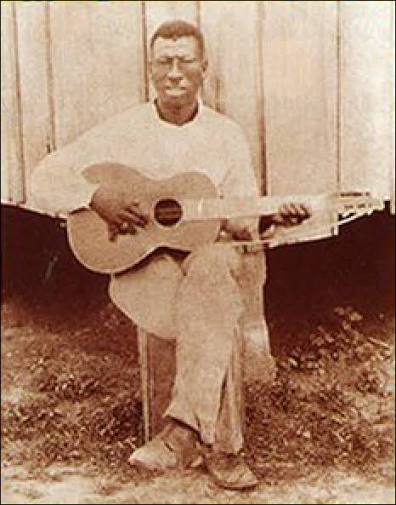
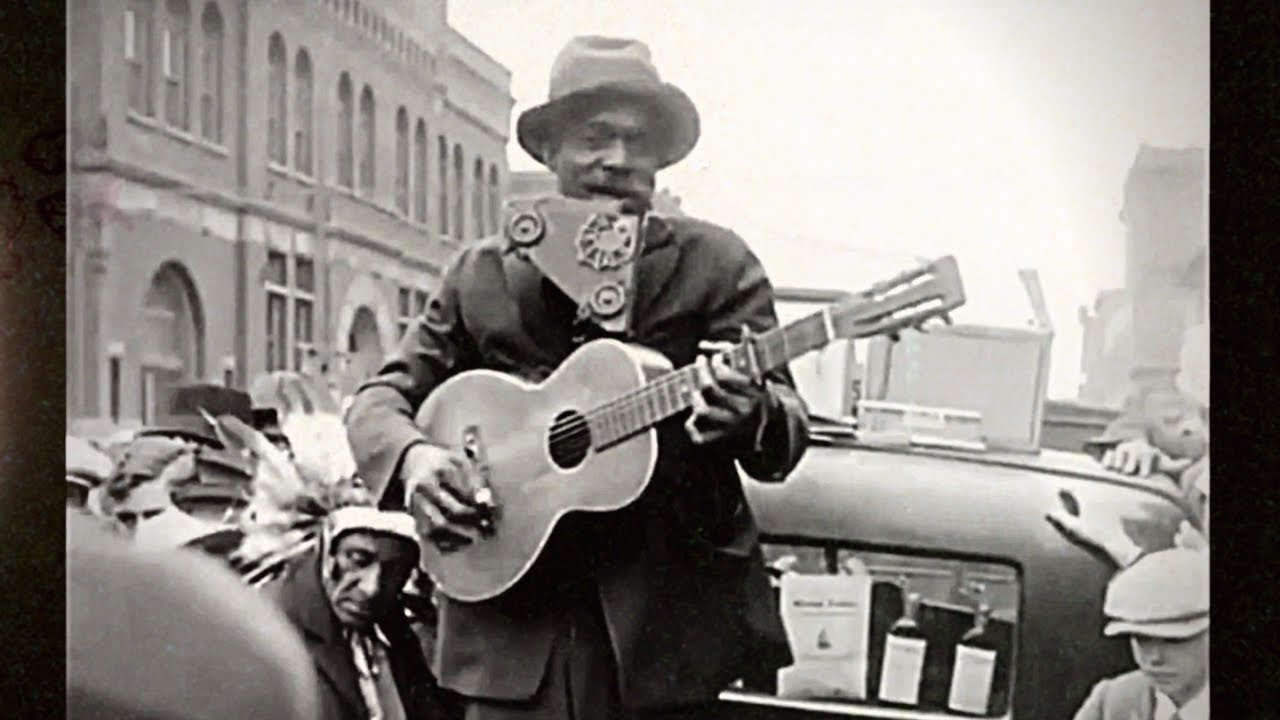
Winter’s guitar style was a potent fusion of technical virtuosity, emotional intensity, and deep blues tradition. He was renowned for lightning-fast pentatonic runs, searing bends, and especially his explosive slide guitar work. Influenced early by Muddy Waters’ slide playing, Robert Johnson’s Delta stylings, Elmore James, and Son House, Winter developed a highly personal approach. He often used open tunings (learned from Robert Johnson records) and played slide with a glass or metal tube on his pinky finger, favoring smooth, vocal-like phrasing with heavy vibrato for precise intonation.
His picking combined hybrid techniques—flatpicking, fingerstyle, and aggressive strumming—delivering both speed and feel. Winter favored lighter string gauges for easier bending and glide, and he was known for bright, cutting tones from guitars like the Gibson Firebird (with its mini-humbuckers), Fender Mustangs, and various Nationals or resonators for acoustic slide. His amplified sound was powerful and raw, often pushing tube amps into natural overdrive for a snarling, sustained edge.
Vocally, Winter had a gritty, high-tenor rasp that conveyed pain, joy, and swagger in equal measure. He excelled at both high-energy rockers (“Rock and Roll, Hoochie Koo,” “Johnny B. Goode”) and intimate acoustic Delta blues (“Dallas,” covers of Robert Johnson material). His phrasing was conversational yet explosive—building tension with sparse, expressive notes before unleashing flurries of notes.
Winter described his approach as playing “all kinds of blues—Delta, Chicago, Texas”—with a rock ’n’ roll attitude that was distinctly his own. This versatility allowed him to appeal to rock audiences while earning respect from blues purists. His live performances were particularly legendary for their unrelenting energy, long improvisational solos, and ability to make familiar material sound fresh and dangerous.
In summary, Johnny Winter’s recordings and style represent a high-water mark of blues-rock fusion. From the raw power of his early Columbia albums to the refined authenticity of his later blues work, his music continues to serve as both a benchmark for guitarists and a gateway for new fans into the blues tradition.
Personal Life and Death
Winter married Susan Warford in 1993 (she passed in 2019). He faced challenges from albinism (poor vision) and addiction but found strength in music. He died at age 70 in a hotel near Zürich, Switzerland, two days after performing at the Cahors Blues Festival in France. The cause was emphysema combined with pneumonia.
Legacy
Johnny Winter was inducted into the Blues Hall of Fame in 1988 (one of the first non-African American artists) and ranked No. 63 on Rolling Stone’s 100 Greatest Guitarists. He received multiple Grammy nominations and wins, influenced guitarists like Joe Perry, Billy Corgan, and many in the blues-rock scene, and kept classic blues alive for new audiences.
His life embodied the blues—triumph over adversity, raw emotion, and relentless touring. As one tribute noted, Winter “made an iconic life for himself by playing the blues.” His recordings remain essential listening, and his slide guitar still echoes as a benchmark of intensity and feeling.
Winter’s story reminds us that true artistry transcends appearance or trends, rooted in passion and tradition. He left the world a richer blues legacy, ensuring the music he loved continues to burn brightly.