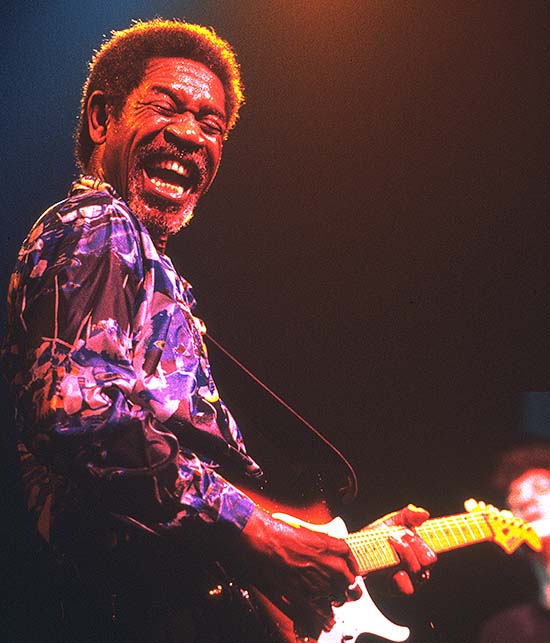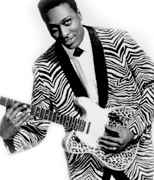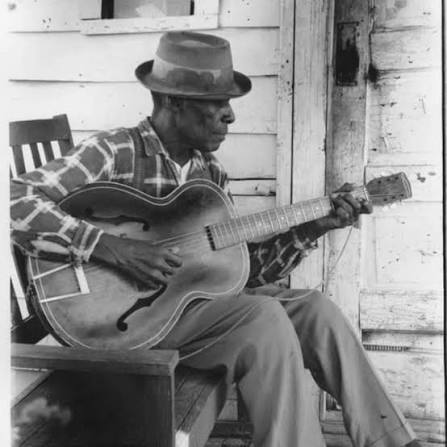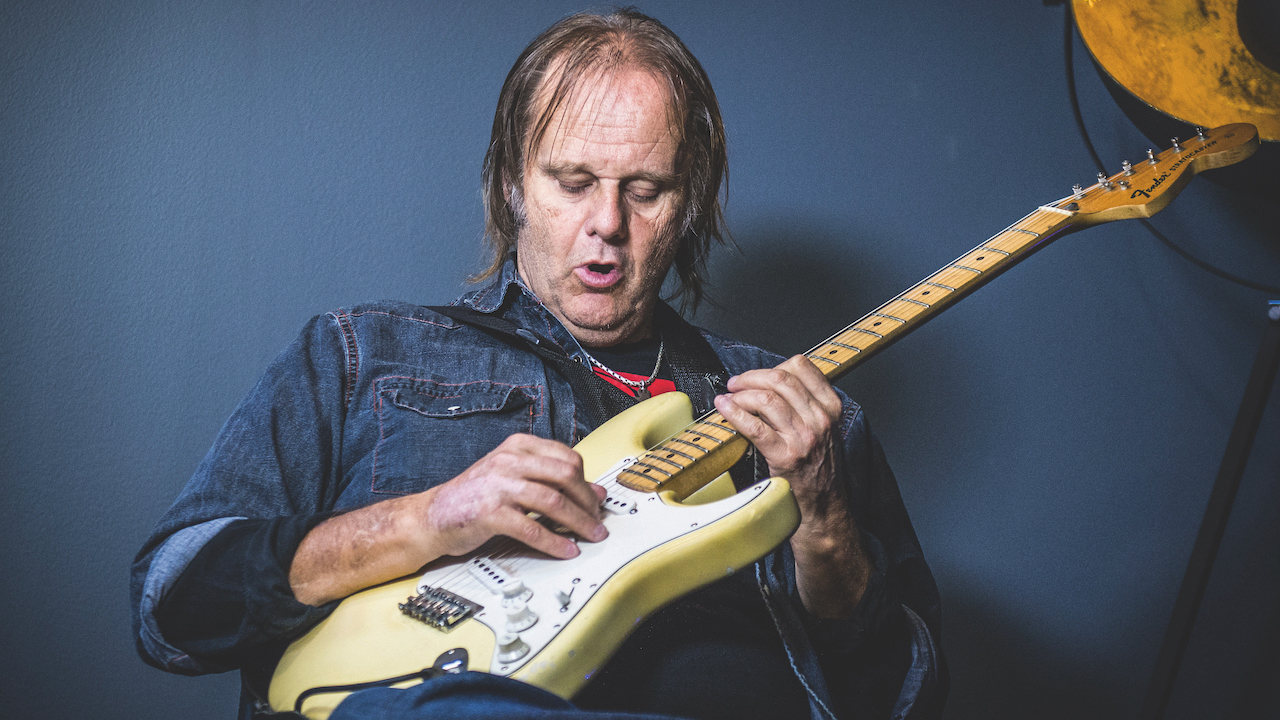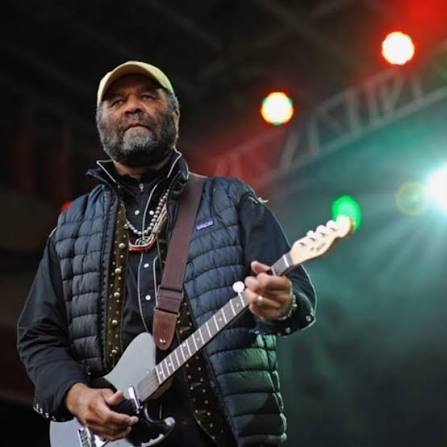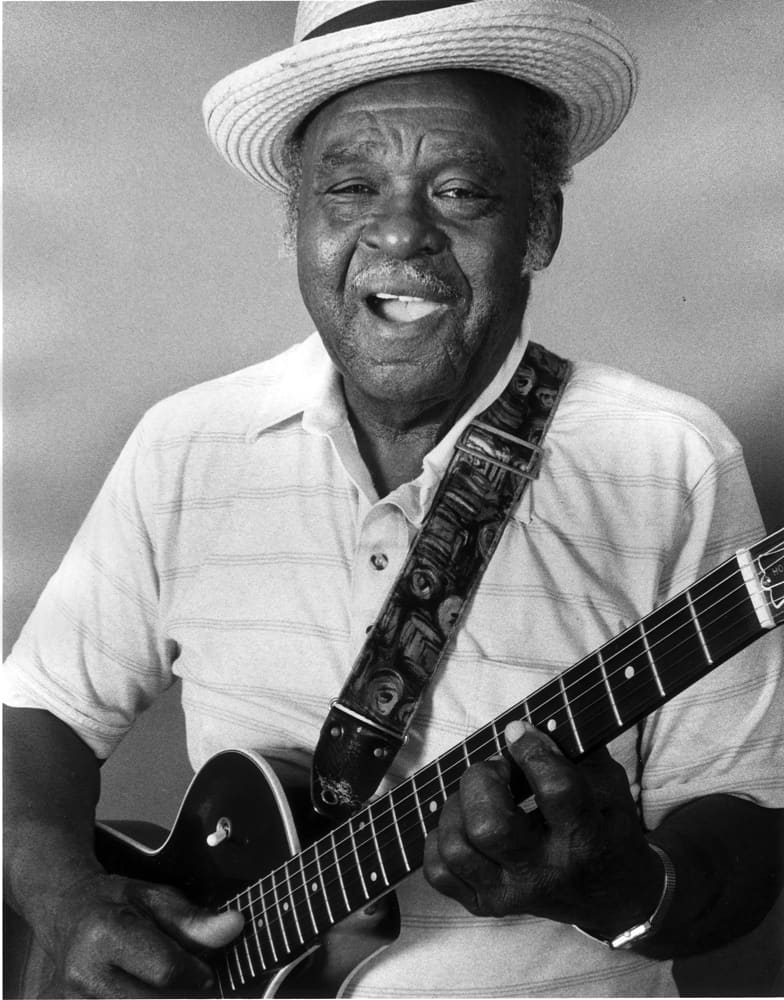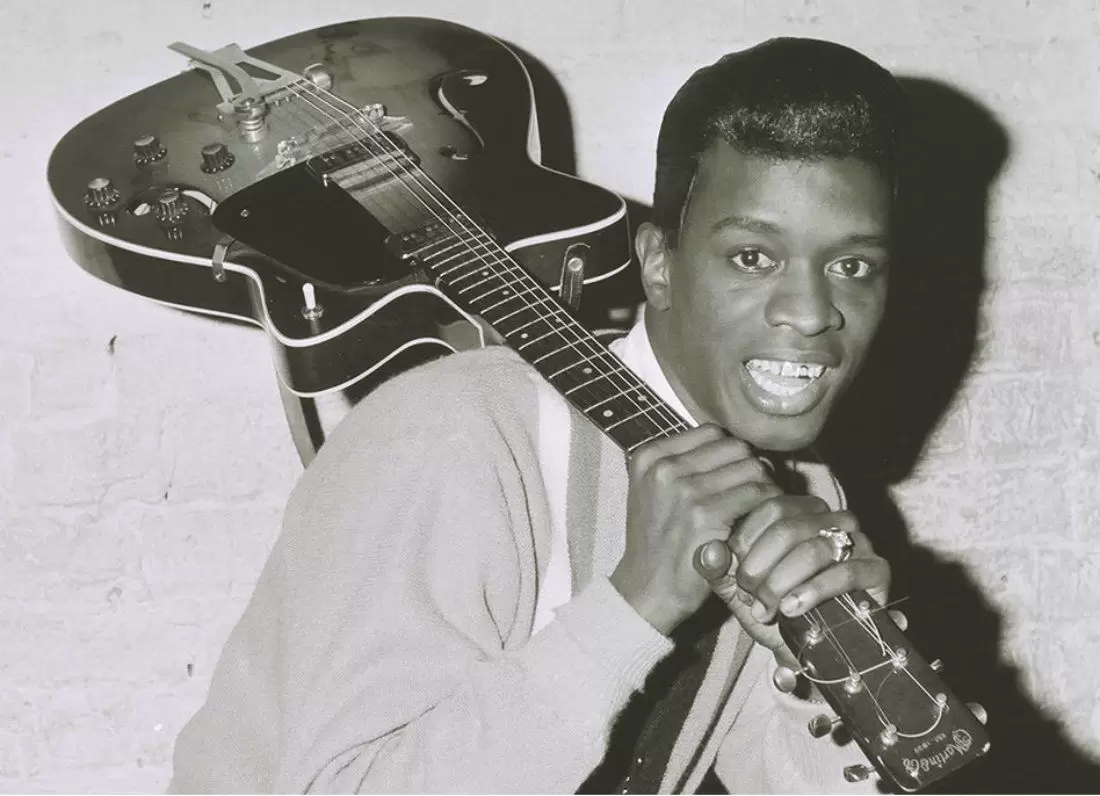
1. Early Life & Origins (1935–1950)
John "Johnny" Watson was born on February 3, 1935, in Houston, Texas, into a musical household rooted in the church and the blues. His grandfather, a guitar-playing preacher, provided Watson's earliest exposure to the instrument, though the family's musical atmosphere was primarily sacred rather than secular. Watson began playing piano as a child before gravitating toward the guitar in his early teenage years, absorbing the sounds of Houston's vibrant Third Ward and Fifth Ward blues communities.
Houston in the late 1940s was a city crackling with musical energy. The city's blues scene was distinct from those of Chicago or the Mississippi Delta — it was louder, more electric, more flamboyant, and deeply influenced by the swing and jump blues traditions emanating from Kansas City and the West Coast. Watson grew up listening to T-Bone Walker, whose smooth, single-note electric guitar lines and showmanship became a formative template. He also absorbed the work of Clarence "Gatemouth" Brown, another Houston giant who blended blues, country, and jazz into a percussive, stinging style.
By the time Watson was 15, he was already performing in Houston's clubs and dance halls. His talent was unmistakable — not merely as a guitarist but as a total performer. He possessed a natural gift for showmanship, an instinct for rhythm, and a voice that could shift from a seductive croon to a raw, testifying shout. These qualities would define his entire career.
In 1950, at age 15, Watson made the pivotal decision to relocate to Los Angeles, California. The move was partly driven by family connections and partly by the gravitational pull of the West Coast's booming rhythm and blues industry. Los Angeles in the early 1950s was home to a thriving network of independent record labels — Specialty, Modern, RPM, Aladdin, Imperial — all hungry for new talent. It was a city where a young, gifted musician from Texas could realistically build a career.
2. The Houston Blues Scene & First Recordings (1950–1954)
Watson's arrival in Los Angeles placed him at the epicenter of West Coast R&B. He quickly embedded himself in the local music community, sitting in at clubs on Central Avenue — the spine of Black Los Angeles's cultural life — and absorbing the sophisticated jump blues and jazz-inflected R&B that dominated the scene. He was exposed to players like Pee Wee Crayton and Lowell Fulson, both of whom reinforced the T-Bone Walker lineage he had absorbed in Houston.
Watson's first professional recordings came under the name "Young John Watson", a moniker that acknowledged both his youth and the need to distinguish him from other artists in the crowded R&B marketplace. His earliest sessions were for Federal Records (a subsidiary of King Records based in Cincinnati) around 1952–1953, where he recorded a handful of sides that showed a raw but already distinctive talent.
These early recordings revealed several traits that would characterize Watson's work throughout his career:
- A percussive, attacking guitar tone that cut through the mix with unusual authority
- A flair for showmanship even on record — his phrasing had a theatrical quality
- Rhythmic sophistication rooted in the Texas blues tradition but already reaching toward something more complex
- A strong, versatile voice that could handle both up-tempo jump numbers and slow blues with equal conviction
The recordings attracted enough attention to secure Watson further sessions and ultimately a more substantial recording deal, setting the stage for the work that would make his early reputation.
3. The Federal & RPM Years (1952–1957)
Federal Records (1952–1954)
Watson's Federal sessions produced his first significant recordings. Recording in Cincinnati and Los Angeles with small combos typical of the era — typically featuring piano, bass, drums, and one or two horns — Watson cut sides that placed him squarely in the West Coast jump blues tradition.
The most consequential recording from this period was "Space Guitar" (Federal, 1954), one of the most astonishing and historically significant recordings in the entire blues canon. Recorded when Watson was just 19 years old, "Space Guitar" deployed tape echo (achieved by running the guitar signal through a tape delay unit) and amplifier feedback in ways that were utterly unprecedented in recorded music. The result was an eerie, reverberant soundscape that seemed to come from another dimension entirely — a guitar tone that floated, shimmered, and howled in ways that no one had heard before.
"Space Guitar" is not merely a historical curiosity. It is a genuinely radical document. The techniques Watson employed on this single recording — tape echo as a compositional element, deliberate feedback as a tonal color, the use of the amplifier as an instrument in its own right — would not become widespread in rock and pop music until the mid-1960s, when artists like Jimi Hendrix, Jeff Beck, and the Beatles began exploring similar sonic territory. Watson preceded them by a full decade.
Musicologists and historians have consistently pointed to "Space Guitar" as evidence that Watson was one of the most forward-thinking guitarists of the 20th century — a man whose innovations were so far ahead of their time that the broader musical world took years to catch up.
RPM Records (1955–1957)
Watson moved to RPM Records (a subsidiary of the Modern Records empire run by the Bihari brothers) around 1955, where he recorded some of the most important sides of his early career. The RPM sessions gave Watson more creative latitude and produced recordings that were both commercially successful and artistically adventurous.
Key recordings from the RPM period include:
"Those Lonely, Lonely Nights" (RPM, 1955) — Watson's first significant chart success, this slow blues showcased his vocal maturity and his ability to construct a guitar solo of genuine emotional depth. The recording reached the R&B charts and established Watson as a name artist rather than simply a promising newcomer.
"Gangster of Love" (RPM, 1957) — Perhaps the single most important recording of Watson's early career, "Gangster of Love" introduced one of the most durable archetypes in American popular music: the smooth, dangerous, irresistible lover-as-outlaw. Watson's vocal performance was a masterclass in cool menace — seductive and threatening in equal measure. The guitar work was characteristically sharp and inventive. The song would be covered and referenced dozens of times over the following decades, most famously by Steve Miller, who incorporated its hook and persona into his 1973 No. 1 hit "The Joker."
"Three Hours Past Midnight" (RPM, 1956) — A slow, grinding blues that demonstrated Watson's command of the late-night, after-hours atmosphere. The guitar playing on this track was particularly influential, combining T-Bone Walker's smoothness with a rawer, more aggressive attack that pointed toward the harder blues-rock that would emerge in the 1960s.
"Hot Little Mama" — An up-tempo jump number that showed Watson's ability to work the more exuberant end of the R&B spectrum with equal facility.
The RPM years established Watson as one of the premier guitarists and vocalists in West Coast R&B. His live performances during this period were legendary — he was known for playing guitar behind his head, with his teeth, while lying on his back, and even while walking through the audience. These theatrical techniques predated and almost certainly influenced Jimi Hendrix's own stage antics by a decade.
4. The "Gangster of Love" Era & King/Keen Years (1957–1962)
King Records (1957–1959)
Watson signed with King Records (the parent label of Federal) around 1957, recording a series of sessions that continued to develop his style. The King period produced solid R&B sides that maintained his commercial presence, though none achieved the landmark status of "Space Guitar" or "Gangster of Love."
During this period, Watson was also developing his skills as a pianist, an instrument he played with the same rhythmic authority as the guitar. This dual instrumental identity would become increasingly important to his later career, particularly during his funk period when keyboard textures became central to his sound.
Keen Records (1958–1960)
A brief stint at Keen Records (the Los Angeles independent label best known for signing Sam Cooke) produced further recordings that showed Watson maturing as an artist. The Keen sides had a slightly more polished, pop-oriented production aesthetic than his earlier work, reflecting the label's mainstream R&B ambitions.
Live Performances & Growing Reputation
Throughout the late 1950s and early 1960s, Watson's reputation as a live performer grew substantially. He toured the chitlin' circuit — the network of Black-owned venues across the South and urban North that sustained African American entertainment during the segregation era — and built a devoted following. His shows were events: part blues concert, part vaudeville, part athletic exhibition. He was one of the most exciting performers of his generation, and musicians who saw him during this period consistently cite the experience as revelatory.
Frank Zappa would later identify Watson as one of his primary influences, specifically citing the combination of musical sophistication, theatrical audacity, and refusal to be confined by genre conventions. Jimi Hendrix almost certainly saw Watson perform during this period; the parallels between Watson's stage techniques and Hendrix's later innovations are too specific and too numerous to be coincidental.
5. The Chess/Cadet Period (1963–1967)
Signing with Chess Records
In the early 1960s, Watson signed with Chess Records in Chicago — the most important blues and R&B label in America, home to Muddy Waters, Howlin' Wolf, Chuck Berry, Bo Diddley, and Little Walter. The Chess signing was a significant career development, placing Watson in the company of the giants of the form and giving him access to Chess's formidable production and distribution infrastructure.
Watson recorded for Cadet Records (Chess's subsidiary, formerly known as Argo), producing a body of work that is somewhat underrated in the Watson discography but contains some genuinely impressive recordings.
The Blues Soul Period
The Chess/Cadet recordings reflected the mid-1960s synthesis of blues, soul, and R&B that was reshaping Black popular music. Watson's recordings from this period show him navigating the transition from the jump blues and rock and roll of the 1950s toward the deeper soul music of the 1960s. His guitar playing remained authoritative and inventive, but the productions were fuller, with more prominent horn arrangements and a smoother overall texture.
Key Cadet Albums:
Johnny Guitar Watson and the Family Clone and related Cadet sessions produced recordings that, while not his most commercially successful work, demonstrated Watson's adaptability and his refusal to remain static as an artist.
The Chess/Cadet period also saw Watson working as a session musician and producer, developing skills behind the boards that would serve him well in his later career. He worked with a range of artists during this period, deepening his understanding of the recording process and the mechanics of hit-making.
The "I Don't Want to Be Alone, Stranger" Period
Watson's Cadet recordings included sophisticated soul numbers that showed the influence of Ray Charles and James Brown on his vocal approach. His voice had deepened and matured, acquiring a gruffer, more authoritative quality that suited the soul idiom well.
6. The Wilderness Years & Fantasy Rebirth (1967–1976)
The Lean Years (1967–1972)
The late 1960s were difficult for Watson, as they were for many artists of his generation. The British Invasion had transformed the American music market, and the blues-rooted R&B that Watson represented was temporarily displaced by rock and roll, psychedelia, and the various currents of the counterculture. Watson found himself without a major label deal and reduced to recording for smaller independent labels.
Ironically, this was precisely the period when Watson's influence was most palpably felt in the broader culture. Jimi Hendrix had become a global superstar, and while Hendrix rarely gave specific credit to Watson, the debt was audible to anyone familiar with both artists' work. Eric Clapton, Jeff Beck, and Carlos Santana were all absorbing the blues tradition that Watson had helped shape. Watson was, in a very real sense, the uncredited godfather of guitar-based rock.
Frank Zappa was more explicit in his acknowledgments. Zappa cited Watson as a key influence on his approach to guitar playing and his understanding of how blues and avant-garde sensibilities could be combined. The two artists would eventually collaborate, with Watson appearing on Zappa projects in the 1970s.
Fantasy Records & The Comeback (1972–1976)
Watson's fortunes began to turn when he signed with Fantasy Records in Berkeley, California — the label best known as the home of Creedence Clearwater Revival and a significant jazz catalog. The Fantasy period produced a series of albums that re-established Watson's commercial viability and began pointing toward the funk reinvention that would define his greatest commercial success.
Key Fantasy Albums:
Listen (Fantasy, 1973) — Watson's Fantasy debut showed him updating his sound for the early 1970s market, incorporating elements of funk and soul while maintaining his blues foundation. The album demonstrated that Watson's guitar playing had lost none of its authority and that his voice had, if anything, gained in depth and expressiveness.
I Don't Lead I Follow (Fantasy, 1974) — Continued the funk-inflected direction, with Watson's rhythm guitar work becoming increasingly sophisticated in its use of syncopation and groove.
Ain't That a Bitch (Fantasy, 1976) — The album that truly announced Watson's reinvention. Ain't That a Bitch was a fully realized funk album that retained Watson's blues sensibility while embracing the production aesthetics of mid-1970s Black popular music. The album was a commercial and critical success that attracted the attention of A&M Records and set the stage for the most commercially successful period of Watson's career.
The Fantasy years were also significant for Watson's development as a producer and arranger. He took increasing control of his recordings, developing a production style that was simultaneously funky and sophisticated, drawing on his deep knowledge of blues, soul, and jazz to create something genuinely distinctive.
7. The Funk Reinvention: A&M Records (1976–1984)
Signing with A&M
Watson's signing with A&M Records — the prestigious independent label founded by Herb Alpert and Jerry Moss — was the most significant career development of his later years. A&M gave Watson the resources, creative freedom, and distribution infrastructure to reach the largest audience of his career. The resulting albums represent the commercial and artistic peak of his later period and constitute some of the most important funk recordings of the era.
Ain't That a Bitch (A&M, 1976)
Though originally released on Fantasy, the A&M version of Ain't That a Bitch (or its A&M follow-up period beginning with this momentum) launched Watson's funk era properly. The album's title track became a significant R&B hit and introduced Watson to a new generation of listeners.
Watson's production approach on these recordings was sophisticated and deliberate. He layered rhythm guitars, synthesizers, electric piano, and horn sections over tight, syncopated drum patterns to create a sound that was simultaneously rooted in the blues tradition and entirely contemporary. His guitar playing remained central but was now deployed as one element within a larger funk architecture rather than as the dominant voice.
A Real Mother for Ya (A&M, 1977)
This album is widely considered Watson's masterpiece of the funk period and one of the essential funk albums of the 1970s. The title track became a substantial R&B hit and demonstrated Watson's ability to construct a groove of almost hypnotic intensity.
Production details: Watson produced the album himself, recording at Larrabee Sound Studios in Los Angeles with a core band of Los Angeles session musicians. The rhythm section was particularly tight, with drums and bass locked into a deep, rolling groove that provided the foundation for Watson's guitar and vocal performances.
Musical characteristics:
- Sophisticated use of call-and-response between guitar and vocals
- Wah-wah pedal deployed with unusual restraint and musicality
- Synthesizer textures that complemented rather than overwhelmed the organic rhythm section
- Lyrical themes that combined street-level social observation with Watson's trademark cool persona
Funk Beyond the Call of Duty (A&M, 1977)
Released in the same year as A Real Mother for Ya, this album demonstrated Watson's extraordinary productivity and creative consistency during this period. The album continued to develop the funk aesthetic while incorporating more explicit jazz and blues references, reminding listeners of Watson's deep roots even as he embraced contemporary production techniques.
Giant (A&M, 1978)
Giant represented a further evolution of Watson's A&M sound, with more elaborate arrangements and a somewhat more polished production aesthetic. The album was another commercial success and contained several tracks that would later become significant in the hip-hop sampling canon.
What the Hell Is This? (A&M, 1979) and Love Jones (A&M, 1980)
These albums maintained Watson's commercial momentum while showing him experimenting with disco and pop elements alongside his core funk sound. The results were mixed — some tracks were among his most accessible and commercially successful, while others felt somewhat at odds with his natural strengths.
The Hip-Hop Legacy of the A&M Albums
Perhaps the most remarkable aspect of Watson's A&M period, in retrospect, is the extraordinary degree to which these recordings became source material for hip-hop. Beginning in the late 1980s and accelerating through the 1990s, West Coast hip-hop producers — particularly those associated with Death Row Records, Ruthless Records, and the G-funk aesthetic pioneered by Dr. Dre — discovered Watson's A&M albums and began sampling them extensively.
Watson's recordings provided:
- Drum breaks of unusual tightness and character
- Bass lines of hypnotic repetitive power
- Guitar riffs that translated perfectly into sample-based compositions
- Vocal phrases and spoken word passages that fit naturally into rap contexts
Artists who sampled Watson's work include Dr. Dre, Snoop Dogg, 2Pac, Ice Cube, Coolio, Nate Dogg, and dozens of others. His recordings are among the most sampled in the entire hip-hop canon, and his influence on the G-funk sound — the dominant aesthetic of West Coast hip-hop in the early 1990s — is immeasurable.
Watson himself was characteristically philosophical about this development, expressing both pride at the continued relevance of his work and some frustration at the complexities of sample clearance and compensation.
8. Later Career & Final Years (1984–1996)
Post-A&M Period (1984–1993)
After his A&M contract ended in the early 1980s, Watson continued to record and perform, though without the commercial infrastructure of a major label deal. He recorded for various smaller labels and maintained an active touring schedule, performing for audiences that now included not only his original R&B following but also blues festival audiences and younger fans who had discovered him through hip-hop samples.
Watson's live performances during this period were remarkable. Now in his late 40s and early 50s, he retained the showmanship and guitar virtuosity that had defined his career from the beginning, and his performances gained an additional layer of authority from his decades of experience. He was recognized as a living legend, and he wore the designation with characteristic wit and style.
Bow Wow (Wilbe Records, 1994)
Watson's final studio album, Bow Wow, was released in 1994 and demonstrated that his creative powers remained fully intact. The album incorporated rap elements alongside Watson's traditional funk and blues approach, showing his awareness of and engagement with contemporary Black music while maintaining his distinctive voice. Several tracks featured rap verses that Watson performed himself with surprising facility, demonstrating his adaptability and his instinct for remaining current.
The album received strong reviews and reminded critics and fans of Watson's extraordinary range and longevity.
Death in Yokohama (May 17, 1996)
On May 17, 1996, Johnny Guitar Watson died of a heart attack while performing on stage at the Blues Alley Japan club in Yokohama, Japan. He was 61 years old. The manner of his death — on stage, in the middle of a performance — was in some ways fitting for an artist who had devoted his entire life to live performance and who had always seemed most fully alive when playing for an audience.
Watson had reportedly collapsed during the performance and was pronounced dead shortly afterward. The news of his death shocked the music community and prompted an outpouring of tributes from artists across multiple generations who acknowledged his influence on their work.
9. Guitar Style & Technique
The Texas Foundation
Watson's guitar style was rooted in the Texas blues tradition, specifically in the lineage running from T-Bone Walker through Clarence "Gatemouth" Brown. This tradition emphasized:
- Single-note lines played on the upper strings with a clean, cutting tone
- Rhythmic sophistication influenced by jazz and swing
- A smooth, legato phrasing that contrasted with the rougher, more percussive styles of Delta blues
- Showmanship as an integral part of the performance
Technical Innovations
Watson built upon this foundation with a series of technical innovations that were genuinely unprecedented:
Tape Echo and Delay: Watson's use of tape echo on "Space Guitar" (1954) was the first documented use of this technique as a compositional element in blues or R&B. He used the echo not merely as a reverberant effect but as a way of creating rhythmic patterns and melodic counterpoint — the delayed signal becoming a second voice in dialogue with the dry guitar.
Amplifier Feedback: Also deployed on "Space Guitar," Watson's use of controlled feedback was a decade ahead of its time. He understood that the amplifier was not merely a volume-increasing device but a tonal instrument in its own right, capable of producing sounds unavailable through any other means.
Wah-Wah Pedal: In his later career, Watson became one of the most expressive users of the wah-wah pedal in R&B and funk. Unlike many players who used the pedal as a rhythmic effect, Watson deployed it with melodic sensitivity, using it to shape phrases and create vocal-like inflections.
Rhythmic Guitar in Funk Context: Watson's rhythm guitar playing in his funk period was exceptionally sophisticated. He developed a style of chordal playing that was simultaneously rhythmically precise and harmonically rich, creating interlocking patterns with the bass and drums that were the foundation of his groove-based productions.
Influences on Other Guitarists
The list of guitarists who have cited Watson as an influence is a roll call of the most important players of the past 60 years:
- Jimi Hendrix — The parallels between Watson's innovations and Hendrix's later work are unmistakable. Watson's use of feedback, echo, and theatrical performance technique all appear in Hendrix's work, amplified and extended.
- Frank Zappa — Explicitly acknowledged Watson's influence on his guitar playing and his approach to combining blues and avant-garde sensibilities.
- Eric Clapton — Absorbed the Texas blues tradition that Watson helped define.
- Stevie Ray Vaughan — Deeply influenced by the Texas blues lineage, including Watson's contributions.
- Carlos Santana — Cited Watson's tone and phrasing as formative influences.
- Robert Cray — Watson's sophisticated, jazz-inflected approach to blues guitar is clearly audible in Cray's work.
10. Complete Studio Discography
| Year | Album | Label | Notes |
|---|---|---|---|
| 1963 | Johnny Guitar Watson | King | Compilation of early Federal/RPM sides |
| 1963 | The "Original" Johnny Guitar Watson | Crown | Budget compilation |
| 1964 | Blues Soul | Chess/Cadet | First major label album |
| 1966 | Bad Little Boy | Chess/Cadet | Cadet period |
| 1967 | In the Fats Bag | Chess/Cadet | Late Cadet period |
| 1973 | Listen | Fantasy | Funk-era debut |
| 1974 | I Don't Lead I Follow | Fantasy | Fantasy period |
| 1975 | Somebody's Gonna Get Hurt | Fantasy | Fantasy period |
| 1976 | Ain't That a Bitch | DJM/Fantasy | Breakthrough funk album |
| 1977 | A Real Mother for Ya | A&M | A&M debut; considered peak work |
| 1977 | Funk Beyond the Call of Duty | A&M | Same year as A Real Mother |
| 1978 | Giant | A&M | A&M period |
| 1979 | What the Hell Is This? | A&M | A&M period |
| 1980 | Love Jones | A&M | A&M period |
| 1981 | That's What Time It Is | A&M | Final A&M album |
| 1994 | Bow Wow | Wilbe | Final studio album; incorporates rap |
11. Landmark Recordings: Detailed Analysis
"Space Guitar" (Federal, 1954)
Personnel: Johnny Guitar Watson (guitar, vocals); session musicians (piano, bass, drums — specific personnel unconfirmed in surviving documentation)
Recording location: Likely Cincinnati or Los Angeles, circa 1954
Analysis: The most historically significant recording of Watson's career and one of the most important recordings in the history of the electric guitar. Watson deploys tape echo — the signal from his guitar fed through a tape delay unit and mixed back into the recording — to create a shimmering, reverberant guitar tone that seems to exist in a space between notes. The feedback passages are controlled but deliberately unsettling, suggesting sounds from beyond the conventional tonal palette of the electric guitar.
The track is remarkable not only for its technical innovations but for its musical coherence. Watson is not simply demonstrating a trick — he is constructing a musical statement that uses these novel sounds in service of genuine emotional expression. The result is a recording that sounds simultaneously like 1954 and like something from a decade or more in the future.
Historical significance: First documented use of tape echo as a compositional element and deliberate feedback as a tonal color in blues/R&B recording. Predates similar innovations by Hendrix, Beck, and others by approximately 10 years.
"Gangster of Love" (RPM, 1957)
Personnel: Johnny Guitar Watson (guitar, vocals); RPM session musicians
Analysis: Watson's most influential early recording and one of the defining documents of the "cool lover" archetype in American popular music. The performance is a masterclass in understated menace — Watson's vocal delivery is smooth, almost conversational, but carries an unmistakable undercurrent of danger. The guitar playing is characteristically sharp and inventive, with a tone that cuts cleanly through the mix.
The song's central conceit — the narrator as a romantic outlaw, dangerous and irresistible — proved extraordinarily durable. Steve Miller borrowed the title, the persona, and elements of the melody for his 1973 hit "The Joker" (which also referenced another Watson song, "Enter the Space Guitar"). The archetype Watson created here echoes through decades of R&B, soul, funk, and hip-hop.
"Three Hours Past Midnight" (RPM, 1956)
Personnel: Johnny Guitar Watson (guitar, vocals); RPM session musicians
Analysis: A slow, grinding blues that represents Watson's mastery of the late-night, atmospheric end of the blues spectrum. The guitar playing is particularly notable — Watson constructs his solo with a patience and deliberateness that creates almost unbearable tension before releasing it. The tone is rawer and more aggressive than T-Bone Walker's, pointing toward the harder electric blues that would emerge in the 1960s.
This recording was covered by Stevie Ray Vaughan and has been cited by numerous guitarists as a study in how to build a blues solo from first principles.
"Those Lonely, Lonely Nights" (RPM, 1955)
Personnel: Johnny Guitar Watson (guitar, vocals); RPM session musicians
Analysis: Watson's first significant chart success, this slow blues showcased his vocal maturity at age 20. The performance has a world-weariness that belies his youth, and the guitar work is elegant and restrained — Watson understanding that the song's emotional impact required space and understatement rather than technical display.
A Real Mother for Ya (A&M, 1977) — Title Track
Personnel: Johnny Watson (guitar, bass, keyboards, vocals); session musicians including members of the Los Angeles funk community
Recording: Larrabee Sound Studios, Los Angeles, 1977. Watson produced.
Analysis: The title track of Watson's A&M debut is a funk masterpiece. The groove is established immediately and maintained with hypnotic consistency throughout the track — a rolling, syncopated rhythm pattern that locks together bass, drums, and rhythm guitar into a single organic unit. Watson's lead guitar appears sparingly but with devastating effect, each phrase precisely placed within the rhythmic architecture.
The vocal performance is a tour de force of Watson's mature style — cool, authoritative, slightly threatening, and entirely in command. The lyrical content combines street-level social commentary with Watson's trademark persona as the ultimate smooth operator.
Legacy: The track has been sampled extensively in hip-hop, with the drum pattern and bass line appearing in dozens of recordings by West Coast artists.
"A Real Mother for Ya" (A&M, 1977) — Full Album
Personnel: Johnny Watson (guitar, bass, keyboards, vocals, producer); studio musicians
Production: Watson produced the album himself at Larrabee Sound Studios, demonstrating the production mastery he had developed over the previous decade.
Track listing and analysis:
The album represents the full flowering of Watson's funk aesthetic — tight, groove-based productions that retain the blues feeling of his earlier work while embracing the sonic vocabulary of mid-1970s Black popular music. The sequencing is masterful, moving between up-tempo funk workouts and slower, more atmospheric numbers in a way that sustains the listener's engagement throughout.
Bow Wow (Wilbe, 1994)
Personnel: Johnny Watson (guitar, bass, keyboards, vocals, producer, rapper); various collaborators
Analysis: Watson's final studio album is a remarkable document of an artist refusing to become a museum piece. The incorporation of rap elements — including Watson's own rap verses — reflects his genuine engagement with contemporary Black music rather than a cynical commercial calculation. The blues and funk foundation remains intact, and Watson's guitar playing is as authoritative as ever. The album received strong reviews and demonstrated that Watson's creative powers remained fully intact in his late 50s.
12. Influence & Legacy
On Guitar Playing
Watson's influence on the electric guitar is profound and far-reaching, though it has been imperfectly acknowledged in mainstream music history. His innovations in the use of tape echo, feedback, and amplifier-as-instrument predated the more celebrated innovations of the 1960s British blues-rock guitarists by a decade. A more accurate history of the electric guitar would place Watson among its central figures.
Direct technical influences:
- Tape echo and delay as compositional elements (pioneered on "Space Guitar," 1954)
- Controlled feedback as tonal color (same recording)
- Wah-wah pedal as melodic/expressive device (funk period)
- Rhythm guitar in funk context — the development of interlocking chordal patterns
On Blues
Watson was a crucial figure in the evolution of Texas blues from its acoustic and early electric forms toward the harder, more aggressive electric style that would influence the British blues revival and, through it, rock and roll. His recordings for RPM in the mid-1950s represent a bridge between the T-Bone Walker tradition and the louder, more feedback-prone blues guitar of the 1960s.
On Funk
Watson's A&M albums are primary documents of the funk era. His production approach — sophisticated, groove-centered, combining blues feeling with contemporary sonic textures — was influential on subsequent funk and R&B producers. His work anticipated elements of the Minneapolis sound (Prince, Morris Day) and the G-funk aesthetic of West Coast hip-hop.
On Hip-Hop
The sampling of Watson's recordings by hip-hop producers represents one of the most significant instances of intergenerational musical transmission in American popular music history. Watson's A&M albums became foundational documents for West Coast hip-hop, with his drum patterns, bass lines, guitar riffs, and vocal phrases appearing in dozens of landmark recordings. The G-funk sound that dominated West Coast hip-hop in the early 1990s — characterized by slow, rolling grooves, melodic synthesizer lines, and a general atmosphere of cool menace — owes a profound debt to Watson's aesthetic.
On Showmanship
Watson's performance techniques — playing guitar behind his head, with his teeth, while prone on the stage, while walking through the audience — were absorbed and extended by Jimi Hendrix, who encountered Watson performing in Los Angeles in the early 1960s. The theatrical dimension of Watson's performances influenced not only Hendrix but the entire tradition of rock guitar showmanship.
Honors and Recognition
- Inducted into the Blues Hall of Fame
- Recognized by the Rock and Roll Hall of Fame as a figure of historical significance
- His recordings are preserved in the Library of Congress as culturally significant documents
- Ranked among the greatest guitarists of all time by multiple music publications
13. Key Personnel & Collaborators
| Name | Role | Period of Association |
|---|---|---|
| T-Bone Walker | Primary early influence | N/A (influence) |
| Clarence "Gatemouth" Brown | Secondary early influence | N/A (influence) |
| The Bihari Brothers | Label owners, RPM/Modern Records | 1955–1957 |
| Leonard Chess | Label owner, Chess/Cadet | 1963–1967 |
| Frank Zappa | Collaborator, admirer | 1970s |
| Herb Alpert / Jerry Moss | Label owners, A&M Records | 1977–1984 |
| Steve Miller | Acknowledged Watson influence | 1973 (The Joker) |
| Jimi Hendrix | Influenced by Watson's technique | Late 1950s–1960s |
| Dr. Dre | Sampled Watson extensively | 1990s |
| Snoop Dogg | Sampled Watson extensively | 1990s |
14. Recommended Listening
A chronological guide to the essential Watson recordings, organized by period:
Early Period (1952–1962)
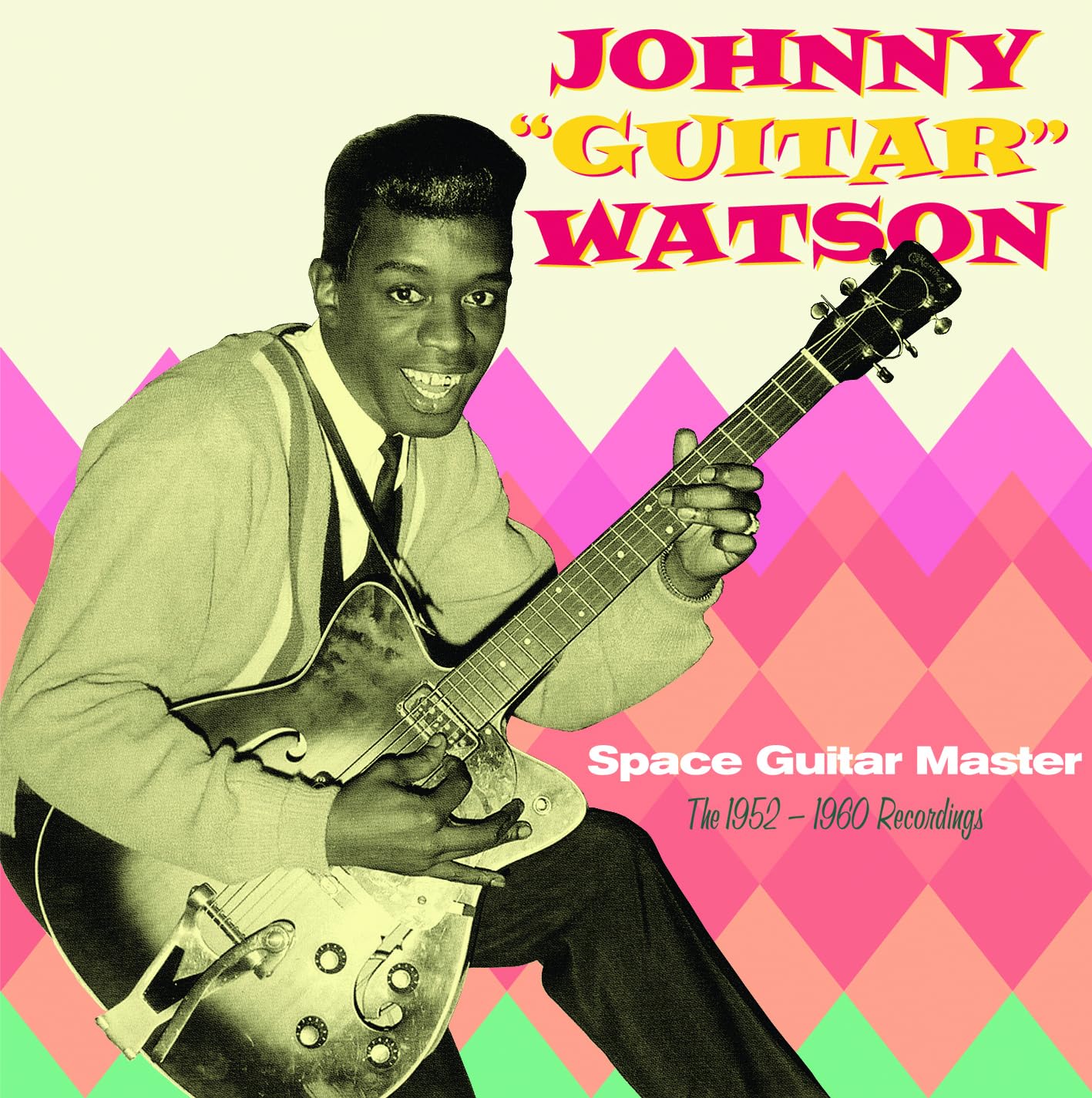 "Space Guitar" (Federal, 1954) — Start here. The most historically important recording.
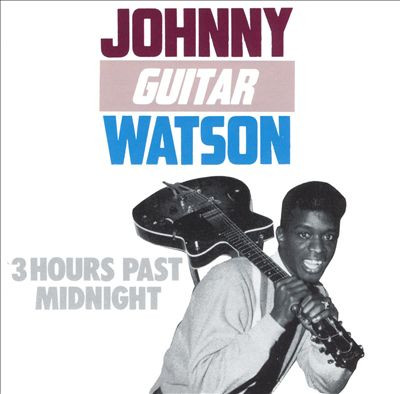 "Three Hours Past Midnight" (RPM, 1956) — Essential slow blues.
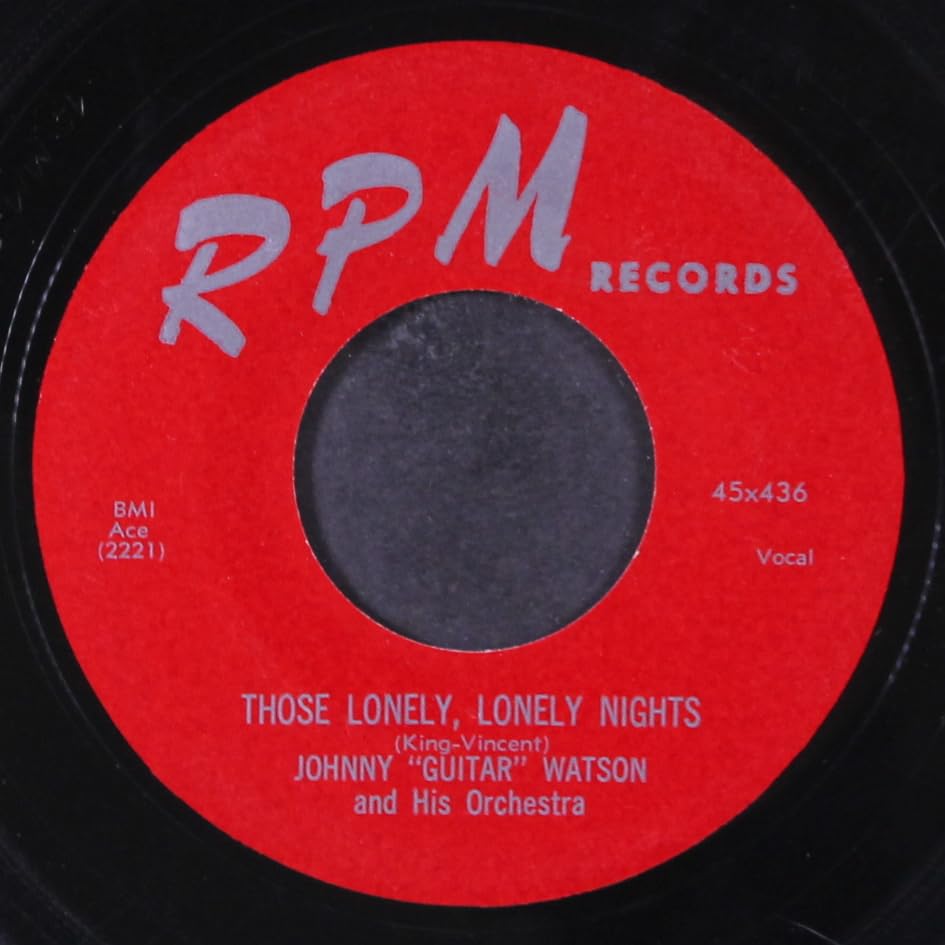 "Those Lonely, Lonely Nights" (RPM, 1955) — First chart success; vocal masterclass.
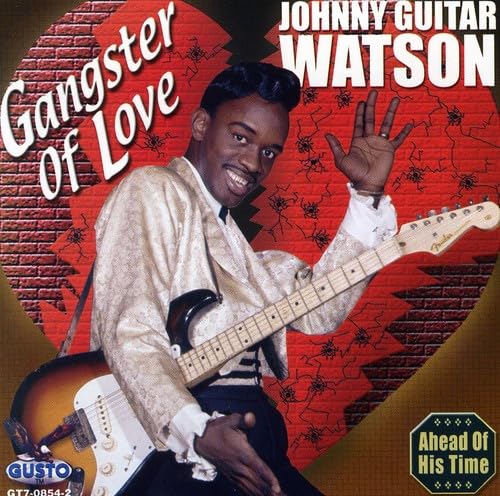 "Gangster of Love" (RPM, 1957) — The defining early persona statement.
 "Hot Little Mama" (RPM, 1956) — Up-tempo jump blues at its finest.
Middle Period (1963–1976)
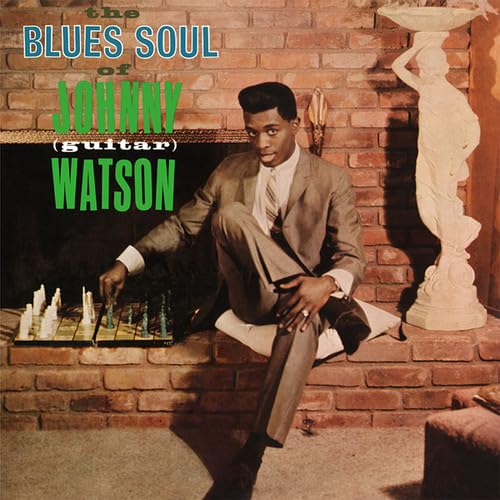 Blues Soul (Cadet, 1964) — Best of the Chess/Cadet period.
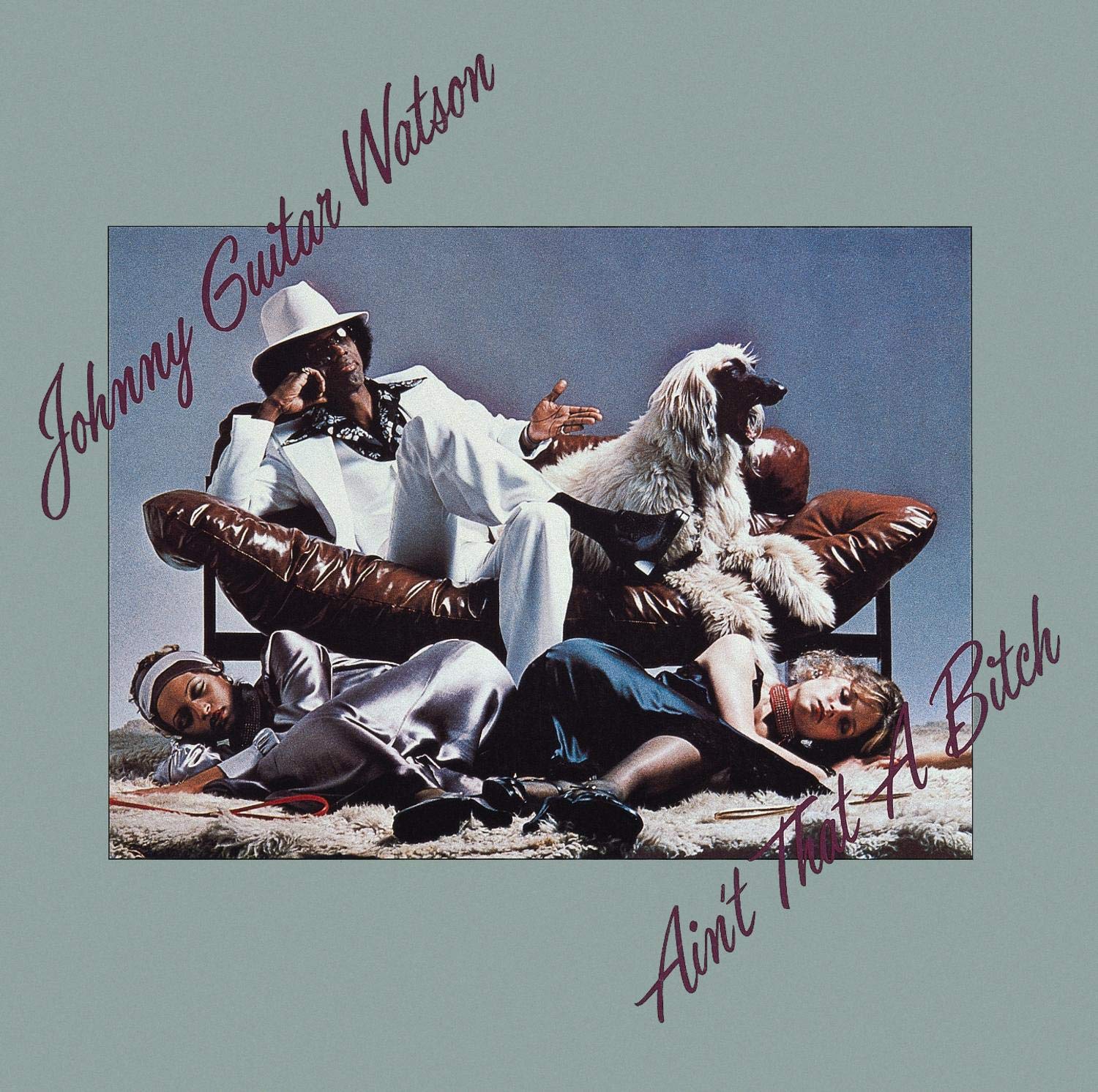 Ain't That a Bitch (Fantasy/DJM, 1976) — The funk breakthrough.
Funk Period (1977–1984)
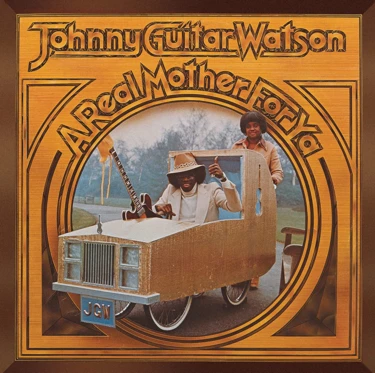 A Real Mother for Ya (A&M, 1977) — The masterpiece. Essential.
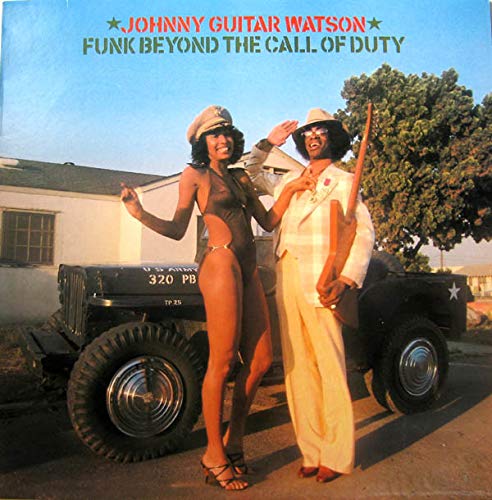 Funk Beyond the Call of Duty (A&M, 1977) — Companion to the above.
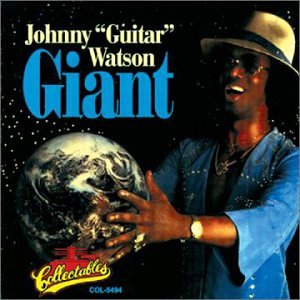 Giant (A&M, 1978) — Further funk excellence.
Final Period (1994)
 Bow Wow (Wilbe, 1994) — Remarkable late-career statement.
Conclusion
Johnny Guitar Watson was one of the most important and most underacknowledged figures in the history of American popular music. His career spanned nearly five decades and encompassed blues, R&D, soul, funk, and hip-hop — not as a chameleon adapting to commercial trends but as a genuine innovator who helped create each of these sounds in turn.
His 1954 recording "Space Guitar" alone would be sufficient to secure his place in the history of the electric guitar. But Watson's achievement was far larger: he created the "Gangster of Love" archetype that echoed through decades of popular music; he pioneered the West Coast funk sound that became the foundation of G-funk hip-hop; he influenced Jimi Hendrix, Frank Zappa, Stevie Ray Vaughan, and dozens of other major artists; and he maintained his creative vitality and relevance across five decades, dying as he had lived — on stage, in the middle of a performance.
The relative obscurity of Watson's name in mainstream music history is a significant injustice. He deserves to be recognized alongside the great innovators of American popular music: alongside Robert Johnson, T-Bone Walker, Chuck Berry, James Brown, and Jimi Hendrix as one of the architects of the music we listen to today.
All recordings referenced are commercially available. For the most comprehensive biographical treatment, see liner notes to the Rhino Records compilation Gangster of Love: The Best of Johnny Guitar Watson and the various Chess and A&M reissue programs.