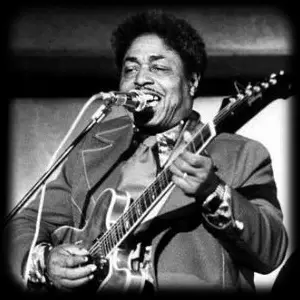
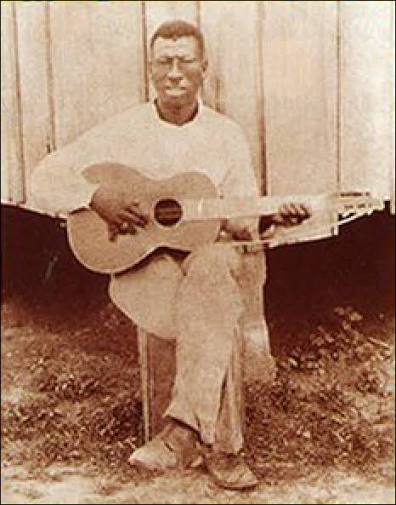
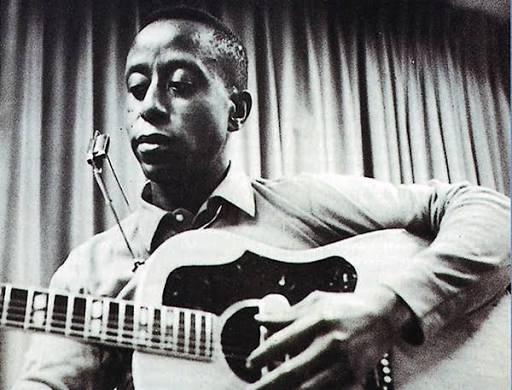
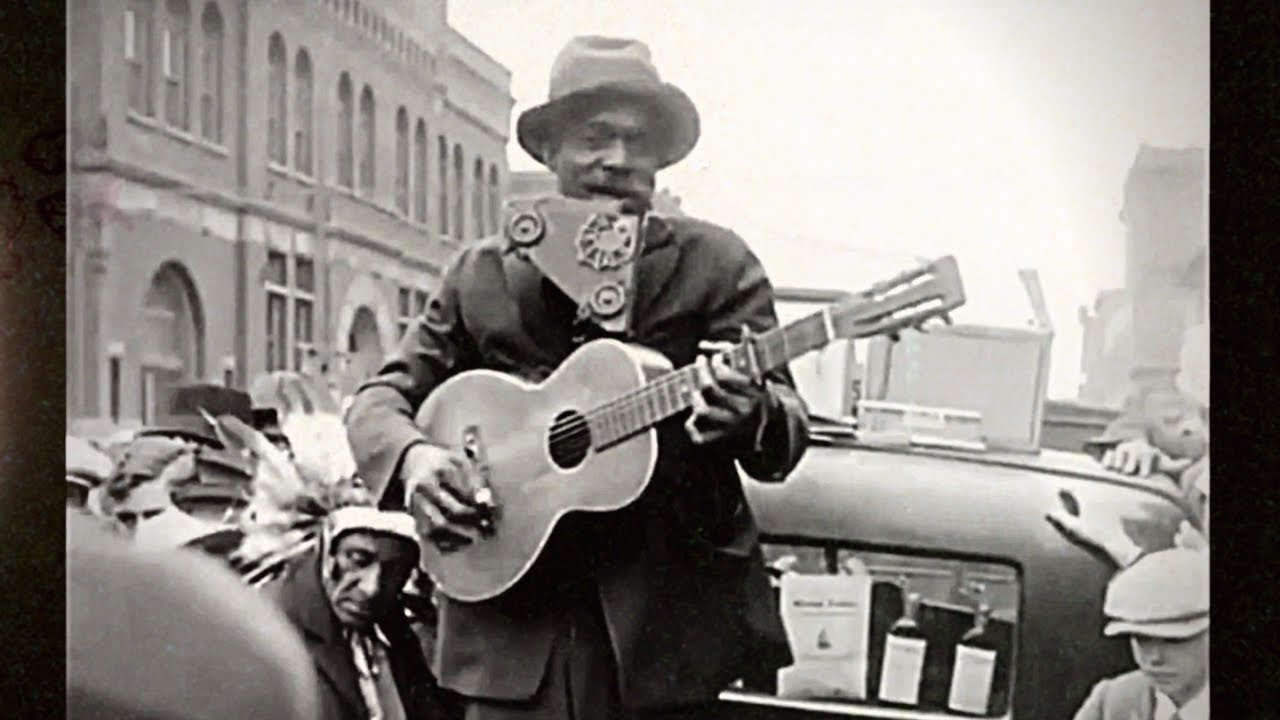
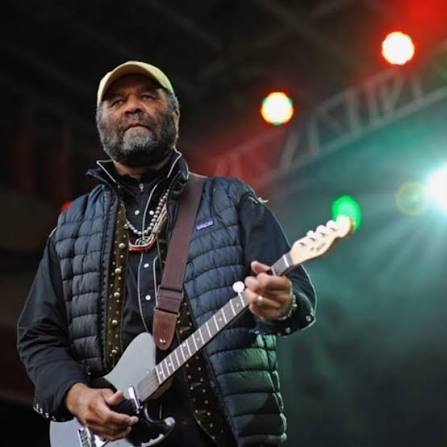
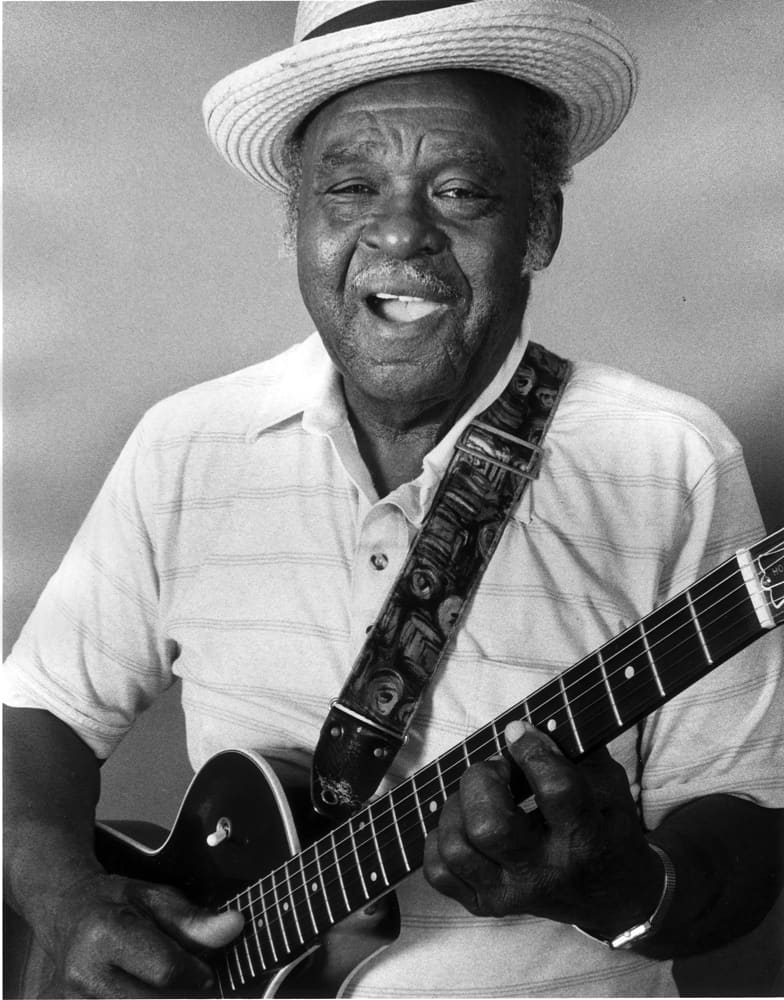
Mathis James “Jimmy” Reed (September 6, 1925 – August 29, 1976) was one of the most popular and commercially successful blues artists of the 1950s and early 1960s. With his relaxed, hypnotic shuffles, warm harmonica playing, laconic vocals, and simple yet deeply relatable lyrics, Reed created a distinctive sound that crossed over to pop and R&B audiences while profoundly influencing rock and roll. His hits became staples of the blues repertoire, and his accessible style made him a bridge between Chicago electric blues and mainstream appeal.
Early Life
Born on the Shady Dell plantation near Dunleith, Mississippi, Reed grew up in a sharecropping family. He learned the rudiments of guitar and harmonica as a child and was significantly influenced and mentored by fellow Mississippian Eddie Taylor, who taught him guitar and would later become a key collaborator. Reed served in the U.S. Navy during World War II but was discharged after a few years. In 1945, he moved to Chicago, where he worked in steel mills and meatpacking plants while pursuing music on the side.
In Chicago’s vibrant South Side scene, Reed reunited with Eddie Taylor and began performing in clubs. His early style blended Mississippi roots with the emerging electric blues sound, but he developed a more laid-back, danceable approach compared to the intensity of artists like Muddy Waters.
Career Breakthrough and Vee-Jay Recordings
Reed’s big break came in the early 1950s when he auditioned for Chess Records but was turned down. He then approached Vivian Carter (a prominent DJ and record store owner) and her husband James Bracken, who were launching Vee-Jay Records in Gary, Indiana—one of the first Black-owned independent labels. This connection proved pivotal.
In June 1953, Reed recorded his first sides for Vee-Jay at Universal Studios in Chicago, backed by John Brim’s band (with Brim on guitar). The debut single, “High and Lonesome” b/w “Roll and Rhumba” (Vee-Jay 100), was leased to the more established Chance Records for better distribution but achieved only modest local success. Vee-Jay persisted with Reed despite the slow start.
A second session later in 1953 and a key one at the end of 1954 changed everything. Reuniting with his childhood friend and mentor Eddie Taylor on lead guitar (who provided sharp, complementary licks throughout Reed’s career), Reed recorded “You Don’t Have to Go” (backed with “Boogie in the Dark”). Released in late 1954/early 1955, it climbed to No. 5 on the Billboard R&B chart, becoming his first national hit and launching a remarkable run of success.
Calvin Carter, Vee-Jay’s A&R director and primary producer for Reed’s sessions, played a crucial role in shaping the sound. Sessions typically featured Reed on vocals, harmonica (often on a neck rack), and rhythm guitar; Eddie Taylor on lead guitar; and a tight rhythm section. Reed’s wife, Mary “Mama” Reed, was indispensable in the studio—she often whispered lyrics to him due to his epilepsy and memory issues, contributed background vocals (notably on major hits), and co-wrote many songs, though credits frequently listed only Jimmy.
Reed’s formula of relaxed, hypnotic shuffles proved highly commercial. Follow-up hits came rapidly:
- “Ain’t That Lovin’ You Baby” (1956)
- “Honest I Do” (1957) — a major crossover success - for a more in depth look at this song see this article Honest I Do by Jimmy Reed
- “Down in Virginia” and “I’m Gonna Get My Baby” (1958)
- “Baby What You Want Me to Do” (1960)
- “Big Boss Man” (1961, written by Al Smith and Luther Dixon)
- “Bright Lights, Big City” (1961)
These tracks, along with others like “Going to New York,” “The Sun Is Shining,” and “You Don’t Have to Go,” appeared regularly on both R&B and pop charts. Until B.B. King’s late-1960s dominance, no postwar blues artist matched Reed’s chart consistency or sales.
Vee-Jay released a string of successful albums compiled from singles and sessions, including the landmark I’m Jimmy Reed (1958), Rockin’ with Reed (1959), and the ambitious Jimmy Reed at Carnegie Hall (1961)—which mixed studio and live-feeling tracks to showcase his engaging stage style (though he never actually performed at Carnegie Hall). Reed stayed with Vee-Jay until the label’s financial troubles and 1966 bankruptcy, recording prolifically through the mid-1960s and contributing to its status as a powerhouse of blues, R&B, and rock ’n’ roll.
A good selection of his Vee-Jay Recordings can be found here
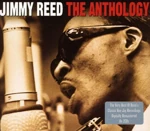 Jimmy Reed - The Anthology Buy from Amazon
This era defined Reed’s legacy, with his accessible grooves and relatable lyrics turning the Chicago blues shuffle into a mainstream phenomenon.
Musical Style and Recordings
Reed’s style was deceptively simple: a relaxed boogie-shuffle rhythm, minimalistic arrangements, and his signature warm, slurred vocals paired with high-register harmonica. This “everyman” approach made his music highly accessible and danceable, distinguishing it from the rawer Delta or harder Chicago styles. Many sessions featured a core group including Eddie Taylor on guitar, with occasional piano or bass.
Later Recordings for ABC-Bluesway and Other Labels (Late 1960s–1970s)
After Vee-Jay Records filed for bankruptcy in 1966, Jimmy Reed’s commercial peak had passed, but he continued recording under the management of Al Smith. Smith quickly secured a contract with the newly formed ABC-Bluesway label (a subsidiary of ABC-Paramount aimed at the blues market). This period marked a decline in both the quality and impact of Reed’s output, largely due to his worsening health issues—epilepsy, alcoholism, and related complications—as well as changing musical trends and less sympathetic production.
ABC-Bluesway Era (1967–Early 1970s)
Reed recorded several albums for Bluesway between 1967 and the early 1970s. These releases often featured competent but formulaic Chicago blues backing, with Reed reprising his familiar shuffle style. Critics and fans generally noted that they lacked the spark, spontaneity, and raw charm of his Vee-Jay classics. Many sessions felt rushed or “assembly-line,” with Reed’s voice and harmonica showing signs of wear.
Key albums from this period include:
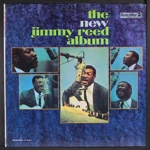 The New Jimmy Reed Album (1967, BLS-6004):Buy from Amazon One of the stronger efforts, featuring tracks like “Big Boss Man” updates and new material, but still falling short of earlier heights.
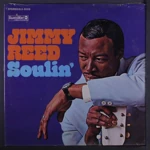 Soulin’ (1967) Buy from Amazon
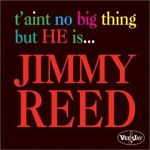 T’Aint No Big Thing But He Is… Jimmy Reed Buy from Amazon (also known as Hard Walking Hanna, 1968/1970)
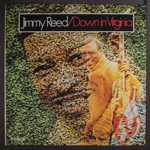 Down in Virginia (1969): Buy from Amazon A notable release with solid electric blues performances.
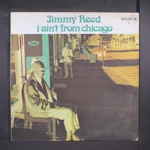 I Ain’t from Chicago (1973) Buy from Amazon
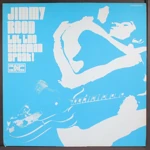 Let the Bossman Speak!Buy from Amazon (also known as Cold Chills, 1971)
These albums included remakes of his hits alongside new songs, but sales and chart performance were minimal compared to his 1950s–60s success. Bluesway also reissued some material, including a 1973 two-record set misleadingly titled Jimmy Reed at Carnegie Hall (a repackaging of older Vee-Jay content).
Other Labels and Final Efforts
In the early 1970s, Reed recorded sporadically for smaller labels, including Roker Records (run by Lenny and Wally Roker), RRG, Canyon, and others. These sessions often captured him in varying states of health. One particularly criticized late album attempted to modernize his sound with funk beats and wah-wah guitar effects—an experiment widely regarded as unsuccessful and out of character.
Live and informal recordings from European tours and U.S. appearances in the mid-1970s showed occasional flashes of his old charisma, but inconsistency was common. By the mid-1970s, after periods in a veterans’ hospital where he received treatment for epilepsy and eventually quit drinking, Reed attempted a low-key comeback on the blues festival circuit.
Later Career and Personal Struggles
Reed’s success brought tours across the U.S. and Europe, but health and personal issues mounted. Epilepsy, alcoholism, and financial troubles (exacerbated by label problems after Vee-Jay’s bankruptcy) hampered his later years. He continued performing sporadically into the 1970s but never regained his earlier commercial peak. He died of respiratory failure in Oakland, California, in 1976 at age 50.
Influence and Legacy
Jimmy Reed’s influence is immense and far-reaching. His easy-to-emulate style inspired countless musicians:
- Rock and Roll: The Rolling Stones covered several of his songs and cited him as a major influence; their early sets included Reed material. Elvis Presley, the Animals, Neil Young, Bob Dylan, and the Grateful Dead recorded or performed his songs.
- Blues artists: He impacted artists from B.B. King to Eric Clapton, Johnny Winter, and Billy Gibbons.
- His songs became standards, appearing in the repertoires of garage bands and superstars alike. Tracks like “Big Boss Man” and “Bright Lights, Big City” are ranked among songs that shaped rock and roll.
Reed was inducted into the Rock & Roll Hall of Fame (1991) and the Blues Hall of Fame. A Mississippi Blues Trail marker honors his birthplace. His laid-back grooves helped define the “Chicago blues shuffle” sound that crossed over to pop charts and influenced the British Invasion.
Often called the “Blues Everyman,” Jimmy Reed represented relatable emotions with charm and groove. His music remains a gateway into the blues for many listeners and a testament to the power of simplicity and authenticity in American roots music. His recordings continue to be reissued and celebrated, ensuring his legacy as one of the most influential bluesmen of the post-war era.
Suggested Reading
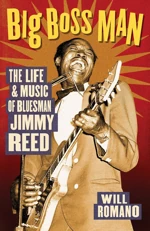 Big Boss Man: The Life and Music of Bluesman Jimmy Reed Buy from Amazon