The Real St. Louis Blues is an album by Henry "Mule" Townsend (1909–2006), recorded in 1979 and released on CD in 2001 by Arcola Records. The album captures the patriarch of St. Louis blues in an intimate, informal setting — stretching out on guitar, piano, and even harpsichord in his own home and at a local piano shop. It is one of the most varied and joyfully informal recordings in Townsend's extensive discography, which spanned eight decades from 1929 to 2006.
The Artist: Henry Townsend
Henry "Mule" Townsend was born on October 27, 1909, in Shelby, Mississippi. He ran away from home at age 10 and settled in St. Louis, Missouri, where he would live for the rest of his life. He was equally gifted on guitar and piano — a rare combination that made him one of the most versatile blues musicians of his generation. His guitar style drew comparisons to Charley Patton because of his unconventional approach, while his piano playing was influenced by Roosevelt Sykes, with whom he toured and recorded.
Townsend's recording career began in 1929 when he walked into a studio for the first time at age 20. He was the only musician of his generation to be captured on disc in every decade from the 1920s through the 2000s, with his music appearing on most of the major labels of his time, including Paramount, Columbia, Bluebird, and Brunswick. He recorded with Walter Davis, Robert Nighthawk, Big Joe Williams, Sonny Boy Williamson I, Yank Rachell, and countless others.
Townsend won the National Heritage Award from the National Endowment for the Arts in 1987, was inducted into the Blues Hall of Fame in 1999, and won a Grammy in 2006 for his contributions to the Martin Scorsese-produced series The Blues. He died on September 24, 2006, at age 96, the last surviving member of the early blues community of St. Louis.
The Recording Sessions
Date and Location
The album was recorded in 1979 in St. Louis, Missouri, by producer Bob West. The sessions took place over the course of a couple of days in two distinct locations:
-
Henry Townsend's home — for the guitar and vocal tracks
-
A local piano shop — for the piano tracks, recorded in the morning hours before the store opened
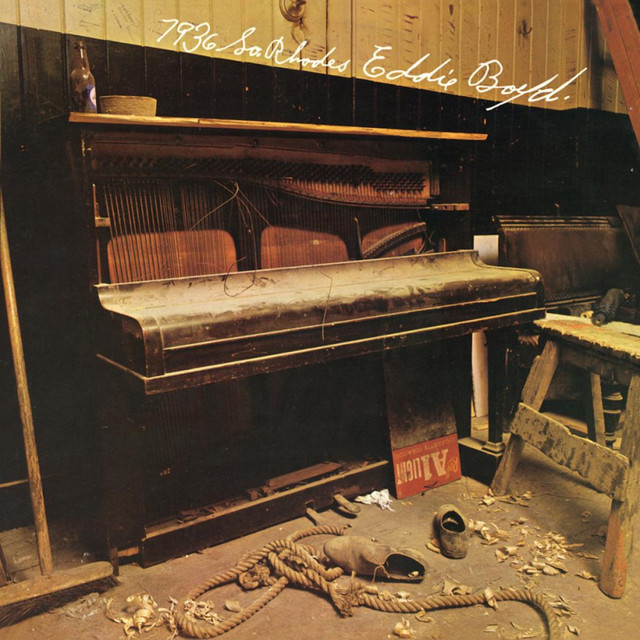
The piano shop sessions came about because Townsend's own piano was badly out of tune at the time. Producer Bob West managed to secure recording time at a local piano shop, where Townsend tried out a variety of pianos throughout the session — sometimes pounding away on an upright, sometimes caressing the keys of a baby grand. The different tonal qualities of the instruments added to the diversity of the proceedings.
The Producer
Bob West served as the album's producer and recording engineer. West's approach was to capture Townsend in as natural and informal a setting as possible. As reviewer Jeff Konkel noted, "Townsend tends to sound relaxed in any setting, but on these tracks, recorded in the bluesman's home in St. Louis, he sounds particularly comfortable." West's decision to record at the piano shop and the inclusion of the spontaneous harpsichord performance demonstrated his willingness to follow Townsend's creative impulses wherever they led.
The Musicians
-
Henry Townsend — vocals, guitar, piano, harpsichord
There are no other musicians on this album. Townsend performs entirely solo, accompanying himself on whichever instrument he chooses for each track. This solo approach was typical of his live performances and many of his recordings, allowing his distinctive voice and instrumental style to remain the focus.
The Parakeet
One of the album's most charming details is the presence of Townsend's parakeet, which can be heard chirping along in the background on a few numbers. This accidental addition to the recording only enhances the intimate, domestic atmosphere of the sessions.
The Songwriters
All compositions on The Real St. Louis Blues are credited to Henry Townsend, though like most blues artists of his era, he drew from traditional material and adapted existing songs to his own style. Townsend's approach to songwriting was fluid — he alternated between songs with set lyrics and those with significant improvisation, creating a sense of spontaneity that keeps the listener engaged throughout the album.
Track-by-Track Breakdown
1. "Can't You See" – 3:18
Recorded: 1979, St. Louis, Missouri
Written by: Henry Townsend
Personnel: Henry Townsend — vocals, guitar
Written by: Henry Townsend
Personnel: Henry Townsend — vocals, guitar
The album opens with one of Townsend's most affecting blues. The song is a plea for understanding and recognition — "can't you see what you're doing to me?" Townsend's guitar work is particularly notable on this track, with his unconventional fingerpicking style creating a rhythmic complexity that belies the song's simple structure. His vocal is warm and conversational, establishing the intimate tone that characterizes the entire album. This track was later included on the compilation National Downhome Blues Festival - Volume Two (2001).
2. "Mercy" – 3:45
Recorded: 1979, St. Louis, Missouri
Written by: Henry Townsend
Personnel: Henry Townsend — vocals, piano
Written by: Henry Townsend
Personnel: Henry Townsend — vocals, piano
The first piano track on the album, recorded at the local piano shop. "Mercy" is a blues of spiritual pleading, with Townsend asking for divine or human mercy in the face of hardship. His piano playing here is authoritative and church-influenced, with rolling bass figures and gospel-tinged chord voicings that reflect his years of playing in both secular and sacred settings. The upright piano he plays on this track has a bright, percussive tone that cuts through his vocal.
3. "Can't Help Myself" – 3:52
Recorded: 1979, St. Louis, Missouri
Written by: Henry Townsend
Personnel: Henry Townsend — vocals, guitar
Written by: Henry Townsend
Personnel: Henry Townsend — vocals, guitar
A return to guitar, with Townsend acknowledging his own weaknesses — "I can't help myself, I love you so." The song's theme of romantic helplessness is universal blues territory, but Townsend's delivery is particularly affecting. His guitar accompaniment is more melodic than on "Can't You See," with arpeggiated figures that suggest a gentler emotional state. The track is one of reviewer Jeff Konkel's favorites.
4. "So Long, So Long" – 4:10
Recorded: 1979, St. Louis, Missouri
Written by: Henry Townsend
Personnel: Henry Townsend — vocals, guitar
Written by: Henry Townsend
Personnel: Henry Townsend — vocals, guitar
A blues of farewell, with Townsend bidding goodbye to a lover, a city, or perhaps a way of life. The song's extended running time allows for more developed guitar work, with Townsend stretching out on solos that demonstrate his technical mastery. His voice is weary but resigned — he has said goodbye before, and he will do it again. This track is also one of Konkel's favorites.
5. "Pleasin' Myself" – 3:25
Recorded: 1979, St. Louis, Missouri
Written by: Henry Townsend
Personnel: Henry Townsend — vocals, guitar
Written by: Henry Townsend
Personnel: Henry Townsend — vocals, guitar
A blues of self-sufficiency and independence — Townsend is "pleasin' myself" because no one else will. The song's title is both a declaration and a lament, and Townsend's delivery captures both emotions simultaneously. His guitar work is particularly rhythmic on this track, with a driving bass-note pattern that propels the song forward.
6. "My Babe" – 3:15
Recorded: 1979, St. Louis, Missouri
Written by: Henry Townsend
Personnel: Henry Townsend — vocals, piano
Written by: Henry Townsend
Personnel: Henry Townsend — vocals, piano
A piano track that pays tribute to a beloved woman. Townsend's piano style here is more barrelhouse than on "Mercy," with a rolling, celebratory feel that matches the song's affectionate theme. The piano he plays on this track — possibly a different instrument from the one on "Mercy" — has a warmer, more resonant tone that complements his vocal.
7. "Crying Won't Make Me Stay" – 3:48
Recorded: 1979, St. Louis, Missouri
Written by: Henry Townsend
Personnel: Henry Townsend — vocals, guitar
Written by: Henry Townsend
Personnel: Henry Townsend — vocals, guitar
A blues of romantic resolve — the narrator is leaving, and no amount of tears will change his mind. Townsend's guitar creates a sense of finality through descending bass lines and unresolved harmonic tension. His vocal is firm but not cruel — he acknowledges the pain he's causing while maintaining his determination to go. This track is one of Konkel's favorites.
8. "Sad Story" – 4:05
Recorded: 1979, St. Louis, Missouri
Written by: Henry Townsend
Personnel: Henry Townsend — vocals, piano
Written by: Henry Townsend
Personnel: Henry Townsend — vocals, piano
A blues narrative that lives up to its title. Townsend's piano playing is particularly evocative on this track, with minor-key voicings and blues-scale runs that create a melancholy atmosphere. The song is more structured than some of his improvisational pieces, with a clear verse-chorus pattern that allows the narrative to unfold.
9. "I've Got to Go" – 3:22
Recorded: 1979, St. Louis, Missouri
Written by: Henry Townsend
Personnel: Henry Townsend — vocals, guitar
Written by: Henry Townsend
Personnel: Henry Townsend — vocals, guitar
A concise, urgent blues about the necessity of departure. Townsend's delivery is more forceful than on "So Long, So Long" — this is not a reflective farewell but an immediate need to leave. His guitar creates a sense of forward motion, with rhythmic patterns that suggest walking, running, or traveling.
10. "Long Ago" – 4:15
Recorded: 1979, St. Louis, Missouri
Written by: Henry Townsend
Personnel: Henry Townsend — vocals, piano
Written by: Henry Townsend
Personnel: Henry Townsend — vocals, piano
A blues of memory and nostalgia, with Townsend looking back at a life that has passed. The song's extended length allows for more developed piano work, with Townsend stretching out on instrumental passages that demonstrate his mastery of the keyboard. His voice is reflective and almost tender — a man in his 70s looking back at the roads he's traveled.
11. "Bye Bye St. Louis" – 3:35
Recorded: 1979, St. Louis, Missouri
Written by: Henry Townsend
Personnel: Henry Townsend — vocals, guitar
Written by: Henry Townsend
Personnel: Henry Townsend — vocals, guitar
A love letter and farewell to the city that had been Townsend's home for nearly 70 years. The song is both a tribute and a lament — St. Louis had given him his musical education, his career, and his identity, but it was also a place of hardship and struggle. Townsend's guitar creates a sense of place, with rhythmic patterns that suggest the city's streets, river, and rhythms.
12. "Room and Board" – 3:50
Recorded: 1979, St. Louis, Missouri
Written by: Henry Townsend
Personnel: Henry Townsend — vocals, guitar
Written by: Henry Townsend
Personnel: Henry Townsend — vocals, guitar
A blues about the basic necessities of life — "room and board" as the minimum requirements for survival. Townsend's delivery is matter-of-fact, with none of the theatrical despair that some blues singers brought to similar material. His guitar is particularly sparse on this track, creating a sense of emptiness that matches the song's theme. This track is one of Konkel's favorites.
13. "What's On Your Mind?" – 3:28
Recorded: 1979, St. Louis, Missouri
Written by: Henry Townsend
Personnel: Henry Townsend — vocals, piano
Written by: Henry Townsend
Personnel: Henry Townsend — vocals, piano
A blues of romantic inquiry — the narrator wants to know what his lover is thinking. Townsend's piano playing is more playful than on the earlier piano tracks, with a lighter touch and more syncopated rhythms. The song's tone is more conversational than confrontational — Townsend is asking, not demanding.
14. "Let Her Go" – 3:55
Recorded: 1979, St. Louis, Missouri
Written by: Henry Townsend
Personnel: Henry Townsend — vocals, guitar
Written by: Henry Townsend
Personnel: Henry Townsend — vocals, guitar
A blues of resignation and acceptance — the narrator knows he must let his lover go, even though it hurts. Townsend's guitar creates a sense of release through ascending bass lines and open chord voicings. His vocal is weary but peaceful — he has accepted what he cannot change.
15. "I Regret" – 4:20
Recorded: 1979, St. Louis, Missouri
Written by: Henry Townsend
Personnel: Henry Townsend — vocals, piano
Written by: Henry Townsend
Personnel: Henry Townsend — vocals, piano
A blues of remorse and reflection. Townsend's piano playing is particularly introspective on this track, with minor-key voicings and blues-scale runs that create a melancholy atmosphere. The song is one of the album's most emotionally raw performances, with Townsend acknowledging mistakes and missed opportunities. This track is one of Konkel's favorites.
16. "Every Once in a While" – 3:30
Recorded: 1979, St. Louis, Missouri
Written by: Henry Townsend
Personnel: Henry Townsend — vocals, guitar
Written by: Henry Townsend
Personnel: Henry Townsend — vocals, guitar
A blues of occasional happiness — "every once in a while, I feel alright." Townsend's delivery is more upbeat than on many of the album's tracks, with a guitar accompaniment that bounces along with good-natured energy. The song demonstrates that even in his 70s, Townsend could still find moments of joy and express them through his music.
17. "Going Back Home" – 4:05
Recorded: 1979, St. Louis, Missouri
Written by: Henry Townsend
Personnel: Henry Townsend — vocals, harpsichord
Written by: Henry Townsend
Personnel: Henry Townsend — vocals, harpsichord
The album's most unusual and delightful track. On their way out of the piano store, Townsend noticed a harpsichord hanging on a wall. The store manager allowed the blues great to try his hand at playing the unusual instrument. The result is a surreal, charming performance that sounds like nothing else in Townsend's discography — blues played on an instrument associated with Baroque classical music. Townsend's adaptation of his blues style to the harpsichord's plucked strings and limited dynamic range is both ingenious and whimsical. As Jeff Konkel noted, "Its inclusion on The Real St. Louis Blues only adds to the slightly surreal quality of this intimate, playful CD." This track is one of Konkel's favorites.
Buy from Amazon
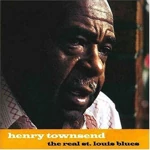 The Real St Louis Blues Buy from Amazon
Critical Reception
The Real St. Louis Blues received positive reviews for its intimacy, variety, and the sheer pleasure of hearing a master at work in an informal setting. As Jeff Konkel wrote in his review for the St. Louis blues website, "There are almost certainly better Townsend discs, but there are few as varied or as joyfully informal as this one." The album's value lies in its documentation of Townsend's versatility — guitar, piano, and harpsichord — and its capture of a relaxed, creative atmosphere that more formal studio sessions might have missed.
The album's release on Arcola Records in 2001 brought it to a new generation of listeners, though it remains somewhat obscure compared to Townsend's better-known recordings for Nighthawk, Wolf, and other labels. Its 17 tracks provide a comprehensive portrait of Townsend's late-career style, demonstrating that even at age 70, he remained a vital, creative force in American blues.
Legacy and Significance
The Real St. Louis Blues is significant for multiple reasons:
-
Intimate Documentation: The album captures Townsend in his own home, with his parakeet chirping in the background, creating a sense of domesticity and authenticity that is rare in blues recordings.
-
Instrumental Versatility: The album showcases Townsend's mastery of guitar, piano, and — unexpectedly — harpsichord, demonstrating the breadth of his musical skills.
-
Late-Career Creativity: Recorded when Townsend was 70 years old, the album proves that his creative powers remained undiminished, with improvisation and spontaneity still central to his approach.
-
St. Louis Blues Tradition: The album serves as a document of the St. Louis blues tradition, which fused barrelhouse, ragtime, and jump blues into a distinctive regional style.
-
Historical Value: As one of the few recordings of Townsend from the 1970s, the album fills a gap in his extensive discography and provides insight into his evolution as an artist.
Henry Townsend's death in 2006 marked the end of an era — he was the last surviving link to the St. Louis blues community of the 1920s and 1930s, and one of the only artists to have recorded in nine consecutive decades. The Real St. Louis Blues ensures that his voice, his guitar, his piano, and even his harpsichord remain accessible to new generations of listeners, a testament to the enduring power of the blues and the remarkable man who devoted his life to it.