Blues From The Delta is a compilation album by Nehemiah Curtis "Skip" James (1902–1969), released by Vanguard Records in 1998. The album gathers 20 tracks from two pivotal studio albums James recorded for Vanguard in the 1960s — Today! (1966) and Devil Got My Woman (1968) — plus two previously unreleased recordings. It stands as one of the most comprehensive single-disc introductions to James's rediscovery-era work, capturing the haunting, otherworldly quality that made him the most distinctive voice of the 1960s blues revival.
The Artist: Skip James
Nehemiah Curtis James was born on September 9, 1902, near Bentonia, Mississippi, a small town about 35 miles northwest of Jackson. His mother was a cook on the R.K. Whitehead's Woodbine Plantation, and his father was a local bootlegger who later became a preacher. James's mother paid $2.50 for his first guitar, and he learned to play from local bluesman Henry "Son" Stuckey, who taught him the "Bentonia style" — characterized by an unusual open D-minor tuning and a haunting, ethereal approach to the blues that sounded like nothing else in the Delta.
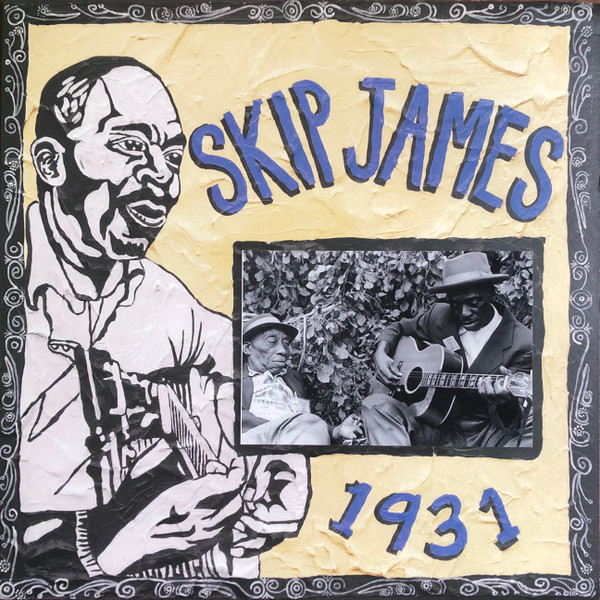
James left Bentonia at age 17 and spent the next decade working on road crews, bootlegging, pimping, and gambling — a wild lifestyle that led to premature rumors of his death. In 1931, talent scout H.C. Speir heard James audition in a Jackson record store and sent him to Paramount Records' studio in Grafton, Wisconsin. Over two days in February 1931, James recorded 18 sides — including "Devil Got My Woman," "Hard Time Killing Floor Blues," "22-20 Blues," and "I'm So Glad" — that are now considered among the greatest pre-war blues recordings. The records sold poorly, and James returned to obscurity, becoming a minister and working various jobs for the next 33 years.
In 1964, blues enthusiasts John Fahey, Bill Barth, and Henry Vestine (later of Canned Heat) found James bedridden in a Tunica, Mississippi hospital. They paid for his discharge and brought him to the 1964 Newport Folk Festival, where his performance — his first in 33 years — stole the show from Bob Dylan, Johnny Cash, and Muddy Waters. As blues promoter Dick Waterman recalled: "He stepped out of 1931, and he was riveting, electrifying, charismatic — just stole the festival."
The Source Albums and Sessions
The material on Blues From The Delta comes from two distinct Vanguard recording sessions:
Today! — January 9–10, 1966, Vanguard Studios, New York City
James's first album for Vanguard and his first commercial studio recording since 1931. The sessions took place at Vanguard's 214 West 23rd Street studio in New York City.
Producers: Maynard Solomon and Seymour Solomon — the brothers who founded Vanguard Records in 1950. The Solomons were known for their meticulous attention to sound quality and their commitment to documenting authentic folk and blues traditions.
Engineer: Not documented in available sources, but Vanguard's studio recordings of this era were typically engineered by staff engineers at their 23rd Street facility.
Personnel:
-
Skip James — vocals, acoustic guitar, piano
-
Russ Savakus — upright bass (on "How Long" only)
The album was recorded in stereo and released in both mono and stereo formats. The recording approach was sparse and intimate — mostly just James and his guitar, with occasional piano and a single bass accompaniment. The "room sound" of the studio was deliberately captured, creating a three-dimensional acoustic space that put the listener in the room with James.
Devil Got My Woman — 1968, Location Unknown
James's second Vanguard album, recorded two years after Today! and released in 1968. By this point, James had toured Europe with the American Folk Blues Festival and was more comfortable in the studio. The album featured more piano work and a slightly fuller sound than Today!
Producers: Likely the Solomon brothers again, though specific production credits are not well-documented for this session.
Personnel:
-
Skip James — vocals, acoustic guitar, piano
The 1998 Compilation
Blues From The Delta was compiled by Vanguard Records in 1998, drawing 9 tracks from Today!, 9 tracks from Devil Got My Woman, and adding 2 previously unreleased recordings: "She's All The World To Me" and "Everybody Leaving Here." The compilation was designed to showcase James's unique talents — his open D-minor guitar tunings, his arresting semi-falsetto vocal delivery, and his ability to move between guitar and piano with equal authority.
Track-by-Track Breakdown
Tracks 1–9: From Today! (1966)
1. "Hard Time Killing Floor Blues" – 3:25
Recorded: January 9–10, 1966, Vanguard Studios, New York City
Written by: Skip James
Personnel: Skip James — vocals, acoustic guitar
Written by: Skip James
Personnel: Skip James — vocals, acoustic guitar
The album opens with James's most famous composition, originally recorded for Paramount in 1931. The song's title refers to the "killing floor" of a slaughterhouse — a metaphor for the brutal economic conditions of the Depression. James's voice enters in his characteristic high, keening falsetto, sounding like a man possessed. His guitar, tuned to open D-minor, creates a droning, hypnotic foundation. The 1966 version is slower and more deliberate than the 1931 original, with James's voice showing the strain of age but gaining in emotional depth. The song gained renewed fame through its use in the film O Brother, Where Art Thou? (2000).
2. "Special Rider Blues" – 3:15
Recorded: January 9–10, 1966
Written by: Skip James
Personnel: Skip James — vocals, acoustic guitar
Written by: Skip James
Personnel: Skip James — vocals, acoustic guitar
A re-recording of one of James's 1931 Paramount sides. The "special rider" is a railroad term — a private train car or a favored passenger. The song is a blues of travel and longing, with James's guitar creating a sense of forward motion through its repetitive, trance-like pattern. His vocal alternates between falsetto and a lower, more conversational register, demonstrating his range.
3. "Drunken Spree" – 3:00
Recorded: January 9–10, 1966
Written by: Skip James
Personnel: Skip James — vocals, acoustic guitar
Written by: Skip James
Personnel: Skip James — vocals, acoustic guitar
A blues narrative about the dangers of alcohol and wild living. The song's lyrics are less repetitive than typical blues, telling a coherent story of a night gone wrong. James's delivery is more spoken than sung in places, with the guitar providing atmospheric commentary. The track demonstrates James's skills as a storyteller rather than just a blues shouter.
4. "Cherry Ball Blues" – 3:51
Recorded: January 9–10, 1966
Written by: Skip James
Personnel: Skip James — vocals, acoustic guitar
Written by: Skip James
Personnel: Skip James — vocals, acoustic guitar
One of James's most beautiful and haunting compositions. The "cherry ball" is a metaphor for a woman's virginity or youth. James's voice here is at its most ethereal — he sounds like he's singing to himself in a whisper, not wanting to disturb the rest of the house. The guitar accompaniment is delicate and intricate, with fingerpicked patterns that demonstrate his technical mastery.
5. "How Long" – 4:00
Recorded: January 9–10, 1966
Written by: Skip James
Personnel: Skip James — vocals, piano; Russ Savakus — upright bass
Written by: Skip James
Personnel: Skip James — vocals, piano; Russ Savakus — upright bass
One of two tracks on Today! featuring James on piano rather than guitar. The barrelhouse, boogie-woogie-influenced piano style is entirely different from his guitar work — more rhythmic and extroverted, with a walking bass line provided by Russ Savakus. The song is a standard blues question — "how long" until the lover returns or the suffering ends — but James's piano gives it a celebratory, almost party-like feel. This track shows James as an entertainer rather than just a haunted bluesman.
6. "All Night Long" – 4:36
Recorded: January 9–10, 1966
Written by: Skip James
Personnel: Skip James — vocals, piano
Written by: Skip James
Personnel: Skip James — vocals, piano
The second piano track from Today!, featuring James's boogie-woogie and barrelhouse blues approach. The song is an uptempo, driving blues about staying up all night — partying, waiting, or suffering. James's piano playing is authoritative and rhythmic, with a rolling left hand that propels the song forward. This track, like "How Long," demonstrates that James was not solely a purveyor of dark, introspective blues but could work the dance floor when he chose.
7. "Crow Jane" – 3:30
Recorded: January 9–10, 1966
Written by: Skip James
Personnel: Skip James — vocals, acoustic guitar
Written by: Skip James
Personnel: Skip James — vocals, acoustic guitar
A re-recording of a 1931 composition. "Crow Jane" is a blues standard with many variations, but James's version is unique to his style. The song features his trademark D-minor tuning and a vocal that moves between falsetto and a grittier mid-range. The guitar work is particularly intricate, with bass-note drones and melodic upper-register phrases that create a sense of tension and release.
8. "I'm So Glad" – 2:45
Recorded: January 9–10, 1966
Written by: Skip James
Personnel: Skip James — vocals, acoustic guitar
Written by: Skip James
Personnel: Skip James — vocals, acoustic guitar
James's most commercially significant composition, thanks to Cream's cover on their 1966 debut album Fresh Cream. The song is a declaration of spiritual joy — "I'm so glad, I'm so glad, I'm glad, I'm glad, I'm glad" — that paradoxically sounds almost desperate in James's hands. His guitar creates a cascading, almost triumphant figure that contrasts with the haunted quality of his other work. The 1966 version is cleaner and more controlled than the 1931 original, but retains the essential ecstatic quality. Cream's version, which reached a massive audience, earned James $10,000 in royalties — the only significant financial windfall of his career.
9. "22-20 Blues" – 3:10
Recorded: January 9–10, 1966
Written by: Skip James
Personnel: Skip James — vocals, acoustic guitar
Written by: Skip James
Personnel: Skip James — vocals, acoustic guitar
A re-recording of James's 1931 classic about a .22-20 rifle — a gun that "will shoot through the trees." The song was composed in approximately three minutes at the 1931 Paramount session when producer Art Laibly asked James for a song about a gun to compete with Roosevelt Sykes' ".44 Blues." James's 1966 version is slower and more menacing, with a guitar tone that sounds like the rifle itself — sharp, metallic, and deadly. The song inspired Robert Johnson's "32-20 Blues" and gave its name to the English rock group 22-20s.
Tracks 10–18: From Devil Got My Woman (1968)
10. "Devil Got My Woman" – 3:02
Recorded: 1968
Written by: Skip James
Personnel: Skip James — vocals, acoustic guitar
Written by: Skip James
Personnel: Skip James — vocals, acoustic guitar
The title track of James's second Vanguard album and one of his most enduring compositions. The song is a blues of supernatural dread — the devil has taken the narrator's woman, and nothing can be done. James's voice is at its most ghostly, and his guitar creates a sense of creeping horror through minor-key drones and dissonant intervals. The song was likely the inspiration for Robert Johnson's "Hell Hound on My Trail." The 1968 version is more polished than the 1931 original but loses none of its power.
11. "Cypress Grove Blues" – 3:13
Recorded: 1968
Written by: Skip James
Personnel: Skip James — vocals, acoustic guitar
Written by: Skip James
Personnel: Skip James — vocals, acoustic guitar
A re-recording of one of James's most beautiful 1931 compositions. The "cypress grove" is a burial ground — cypress trees were traditionally planted in Southern cemeteries. The song is a meditation on mortality and loss, with James's voice floating above his guitar like a spirit. The 1968 version is more restrained than the 1931 recording, with a clearer vocal tone and more precise guitar work.
12. "Illinois Blues" – 4:38
Recorded: 1968
Written by: Skip James
Personnel: Skip James — vocals, acoustic guitar
Written by: Skip James
Personnel: Skip James — vocals, acoustic guitar
A blues about James's time working in Illinois — one of the many states where he sought work during his years away from music. The song is more narrative than many of his compositions, recounting specific experiences and places. His guitar work is particularly intricate on this track, with cross-picked patterns that create a sense of restless movement.
13. "I Don't Want a Woman to Stay Out All Night Long" – 4:32
Recorded: 1968
Written by: Skip James
Personnel: Skip James — vocals, acoustic guitar
Written by: Skip James
Personnel: Skip James — vocals, acoustic guitar
A blues of jealousy and control — the narrator doesn't want his woman staying out late, presumably with other men. The song's title is almost a complete narrative in itself, and James's delivery is both pleading and threatening. The guitar accompaniment is more rhythmic than melodic, driving the song forward with a sense of urgency.
14. "Cherry Ball Blues" [alternate version] – 3:51
Recorded: 1968
Written by: Skip James
Personnel: Skip James — vocals, acoustic guitar
Written by: Skip James
Personnel: Skip James — vocals, acoustic guitar
A different recording of the same song from Today! The 1968 version shows James's continued development as a performer — his voice is more controlled, his guitar more confident. The comparison between the two versions demonstrates how James's style evolved even in the short span between 1966 and 1968.
15. "Sick Bed Blues" – 3:22
Recorded: 1968
Written by: Skip James
Personnel: Skip James — vocals, acoustic guitar
Written by: Skip James
Personnel: Skip James — vocals, acoustic guitar
A devastating blues about illness and mortality, written during James's struggle with the cancer that would eventually kill him. The song is one of his most personal and harrowing compositions, with a vocal that sounds like it comes from beyond the grave. As AllMusic's Jason Ankeny noted, the new material from this period is "especially devastating, in particular 'Sick Bed Blues' and 'Washington D.C. Hospital Center Blues,' both detailing the fight with cancer that eventually led to his death."
16. "Washington D.C. Hospital Center Blues" – 4:13
Recorded: 1968
Written by: Skip James
Personnel: Skip James — vocals, acoustic guitar
Written by: Skip James
Personnel: Skip James — vocals, acoustic guitar
Another deeply personal blues about James's hospitalization in Washington, D.C. shortly after his rediscovery. The song recounts his experience of being "discovered" while bedridden, the medical treatment he received, and his feelings of vulnerability. The track is a powerful example of how James transformed his own suffering into art, creating a blues that is simultaneously specific and universal.
17. "Catfish Blues" – 3:45
Recorded: 1968
Written by: Skip James
Personnel: Skip James — vocals, acoustic guitar
Written by: Skip James
Personnel: Skip James — vocals, acoustic guitar
A traditional blues about fishing and the simple pleasures of rural life. The song is lighter in tone than much of James's work, with a more relaxed vocal and a guitar pattern that mimics the movement of water. The track shows James's connection to the natural world and the agricultural life of the Mississippi Delta.
18. "Skip's Worried Blues" – 4:00
Recorded: 1968
Written by: Skip James
Personnel: Skip James — vocals, acoustic guitar
Written by: Skip James
Personnel: Skip James — vocals, acoustic guitar
A blues of anxiety and foreboding, with James's voice at its most strained and his guitar creating a sense of unease through dissonant chords and abrupt rhythmic shifts. The song is a masterclass in how James used his unique tuning and vocal style to create emotional effects that no other blues artist could match.
Tracks 19–20: Previously Unreleased
19. "She's All The World To Me" – 3:30
Recorded: Likely 1966 or 1968, Vanguard Studios
Written by: Skip James
Personnel: Skip James — vocals, acoustic guitar
Written by: Skip James
Personnel: Skip James — vocals, acoustic guitar
A love song of unexpected tenderness from an artist known for his dark, haunted blues. The song's lyrics are straightforward and devotional — "she's all the world to me" — and James's delivery is almost gentle, with none of the usual falsetto shrieks. The guitar accompaniment is more melodic than rhythmic, creating a romantic atmosphere that is rare in James's catalog. This track's inclusion on Blues From The Delta was its first commercial release.
20. "Everybody Leaving Here" – 3:15
Recorded: Likely 1966 or 1968, Vanguard Studios
Written by: Skip James
Personnel: Skip James — vocals, acoustic guitar
Written by: Skip James
Personnel: Skip James — vocals, acoustic guitar
A blues about departure and abandonment — "everybody leaving here, going back home." The song reflects James's own experience of being left behind by the music industry, his friends, and perhaps his own health. His vocal is weary but resigned, and the guitar creates a sense of empty space, as if the room has already been cleared out. This track, like "She's All The World To Me," was previously unreleased and made its first appearance on this compilation.
Buy from Amazon
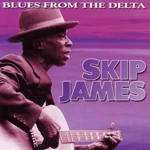 Blues From the Delta Buy from Amazon
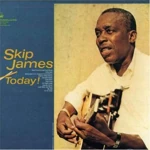 Skip James Today! (The Original from 1966) Buy from Amazon
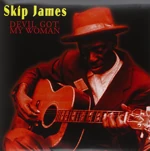 Devil Got My Woman (Reissue of 1968 album) Buy from Amazon
Musical Style and Technique
The Bentonia Style
Skip James's guitar style was rooted in the "Bentonia school" of Mississippi Delta blues, which he learned from Henry "Son" Stuckey. The style is characterized by:
-
Open D-minor tuning (D-A-D-F-A-D), which creates a dark, resonant sound
-
High, keening falsetto vocals that sound almost inhuman
-
Intricate fingerpicking with independent bass and melody lines
-
Use of the "Bentonia" or "cross-note" style, which emphasizes minor keys and dissonant intervals
-
A sense of otherworldly detachment — James did not perform to the audience but seemed to commune with something beyond the room
The Falsetto Voice
James's vocal technique was his most distinctive feature. As one reviewer noted: "His country blues had a haunting falsetto/tenor that emitted not a sweet vocal but a possessed one. With curious acoustic guitar tuning James could conjure absorbing moods through his music. Instead of being angry or down in the heart, he sings with a diverse angst-ridden pleading that's authoritative."
Dick Waterman described James's performance style as dealing "in the abstract. He played his music out over your head into the great beyond." This quality — of not performing for the audience but for some higher or deeper power — is what made James's music so transcendent and so unsettling.
Piano Style
On the two piano tracks from Today! ("How Long" and "All Night Long"), James demonstrated a completely different approach — a barrelhouse, boogie-woogie-influenced style that was rhythmic, extroverted, and entertaining. This was the side of James that worked in barrelhouses and juke joints, as opposed to the haunted, introspective style of his guitar work. The piano tracks on Blues From The Delta are essential for understanding the full range of James's artistry.
Critical Reception and Legacy
Blues From The Delta received positive reviews as a comprehensive introduction to Skip James's rediscovery-era work. The compilation's value lies in its breadth — it includes the best of both Vanguard albums plus two unreleased tracks, giving listeners a complete portrait of James's 1960s studio work.
The album's influence extends through multiple generations. Beyond Cream's cover of "I'm So Glad," James's music has inspired Deep Purple, John Mayall, Alan Wilson of Canned Heat, Lucinda Williams, Beck, The Derek Trucks Band, John Martyn, The Kronos Quartet, and Chris Thomas King. The English group 22-20s took their name from his song.
James was inducted into the Blues Hall of Fame in 1992. In 1994, the Yazoo label released Skip James – The Complete Early Recordings 1930, and Stephen Calt published the first Skip James biography, I'd Rather Be the Devil. The 2003 Wim Wenders film The Soul of a Man featured extensive footage of James.
The 2024 Bluesville Reissue
In 2024, Craft Recordings and Acoustic Sounds reissued Today! as part of their Bluesville Series reboot. The LP was pressed on 180-gram vinyl at Quality Record Pressing, with new lacquers cut by Matthew Lutthans at The Mastering Lab from the original analog master tapes using an all-analog process. The reissue used the original Vanguard "Recordings For The Connoisseur" label and featured a heavy tip-on outer jacket with crisp album art sourced from Vanguard's vaults. This reissue demonstrated the continuing relevance of James's music nearly 60 years after its original recording.
Conclusion
Blues From The Delta is more than a compilation — it is a document of one of the most remarkable rediscoveries in American music history. Skip James, found in a Mississippi hospital after 33 years of obscurity, stepped into a New York studio and recreated the haunting sound he had first committed to shellac in 1931. The album captures him at two moments in his late career — 1966 and 1968 — showing both the consistency of his vision and its deepening power as he faced mortality.
From the terrifying beauty of "Hard Time Killing Floor Blues" to the tender unreleased "She's All The World To Me," from the barrelhouse piano of "How Long" to the supernatural dread of "Devil Got My Woman," Blues From The Delta presents the full range of an artist who was, as Eddie Dean wrote, "perhaps the most stylistically original blues performer from the Mississippi Delta." His music was not just blues — it was a séance, a prayer, a confrontation with the darkest corners of human experience, and ultimately, a testament to the enduring power of the human voice.