"My Black Mama" (Parts 1 and 2) stands as one of the most powerful and influential recordings in Delta blues history. Recorded by Eddie James "Son" House Jr. in 1930, it captures the raw emotional intensity, spiritual conflict, and rhythmic drive that defined his style and helped shape the genre. The song’s themes of desire, racialized beauty standards, infidelity, mortality, and redemption blend personal confession with broader cultural resonances, making it a foundational text in American blues and its descendants.
The 1930 Paramount Session
The song was recorded on or around May 28, 1930 (some sources say August), during House’s first and most legendary commercial session at Paramount Records’ studio in Grafton, Wisconsin. House traveled there with Charley Patton, Willie Brown, and pianist Louise Johnson at the invitation of Paramount talent scout and recording director Art Laibly. Laibly had come to Lula, Mississippi, seeking more sides from Patton and expanded the session after hearing House.
House recorded nine tracks solo (guitar and vocals), of which eight were issued. "My Black Mama" was split across two sides of a 78 rpm record (Paramount 13013), released in early 1931. The commercial 78s sold poorly amid the Great Depression, but the recordings later became holy grails for collectors. The Paramount pressings are notoriously noisy and variable in quality due to the label’s inconsistent mastering, yet the surviving takes reveal House at a peak of fiery intensity—his voice a moaning wail, his bottleneck slide guitar slashing with percussive force.
Musicians: Son House – guitar and vocals (solo). No additional musicians on these sides. His style here draws from the bottleneck techniques he learned rapidly in the late 1920s from players like James McCoy (or Willie Wilson) and Rube Lacey.
Songwriter: Credited to Son House (Edward James House Jr.). While blues often drew on traditional motifs and floating verses, House personalized the material. He learned elements or a precursor from McCoy, but the recorded performance is distinctly his.
Lyrics, Structure, and Musical Analysis
The song is structured in two parts, each around three minutes, allowing for extended storytelling typical of early blues 78s. Part 1 opens with a direct address to the "black mama":
Hey, black mama, what's the matter with you? Said it ain't satisfaction, don't care what I do...
It moves through verses praising (and contrasting) dark-skinned women with lighter ones ("a brown-skinned woman will make a rabbit move to town / But a jet-black woman will make a mule kick his stable down"), domestic longing (the "milk cow" metaphor for a missing lover), gambling imagery (the racetrack pony), and a plea for mercy on his "wicked soul." Part 2 intensifies the drama with oaths of fidelity or vengeance and deeper existential brooding.
Musically, House employs open tuning (likely open G or similar, common in Delta slide playing), strong rhythmic strumming, and expressive slide work that mimics vocal inflections. His guitar acts as both rhythm section and second voice—stomping, buzzing, and crying. The performance fuses sacred and profane: gospel-trained phrasing collides with secular complaint, reflecting House’s lifelong tension between preaching and the blues. The intensity feels almost trance-like, a hallmark of his style that influenced Robert Johnson and Muddy Waters.
The lyrics blend sexual frustration, colorism in Black communities, and fatalism—hallmarks of Delta blues realism. The "black mama" is both object of desire and source of turmoil, while the narrator grapples with sin and the unknown afterlife.
Later Iterations by Son House
House revisited the song’s core riff and themes repeatedly:
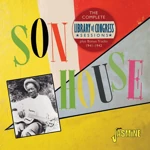 1941–42 Library of Congress sessions (recorded by Alan Lomax, with Willie Brown and others): He performed a related piece sometimes called "My Black Woman" or tied to "Walking Blues." These field recordings, made at Klack’s Store in Lake Cormorant, Mississippi, show a matured but still potent House.
- 1960s Rediscovery: After being "rediscovered" in Rochester, New York, in 1964, House relearned and transformed the song into "Death Letter Blues" (or "Death Letter"), his signature late-career piece. First prominently featured on the 1965 Columbia album Father of Folk Blues (produced with help from John Hammond and Alan Wilson of Canned Heat, who re-taught House his own repertoire), it retains the guitar motif but shifts the narrative to receiving a letter about his woman’s death and attending her funeral. This version became far more famous.
House performed "My Black Mama" or its variants in concerts and informal sessions into the 1970s, often with renewed vigor for revival audiences.
Covers and Influence on Other Performers
- Robert Johnson: His 1936 "Walkin’ Blues" directly borrows the guitar figure and lyrical phrases from "My Black Mama," adapting it into a polished, driving form. This link underscores House’s role as a mentor figure (even if indirect) for Johnson.
- Later blues and rock artists: The song and its "Death Letter" evolution influenced Muddy Waters, Howlin’ Wolf, and through them, the British Invasion and 1960s rock. Notable covers/performances include Buddy Guy (live with House in 1968), and the White Stripes (Jack White has cited House extensively; their raw aesthetic owes much to this lineage).
"Death Letter" has been covered widely, including by Cassandra Wilson, Diamanda Galás, and in various blues-rock contexts.
Legacy
"My Black Mama" exemplifies the Delta blues at its most visceral—prefiguring the emotional depth of electric Chicago blues and the folk-blues revival. It helped cement House’s reputation as a "King of the Delta Blues" alongside Patton and Johnson, even though his commercial career was brief. The 1930 Paramount sides, despite technical limitations, are prized for their authenticity and power.
Rediscovered in the 1960s, House became a pivotal figure in the folk revival, bridging generations and preserving traditional styles for new audiences. His influence echoes in modern blues, rock, and beyond—raw slide guitar, confessional lyrics, and spiritual intensity remain touchstones. Compilations like Father of Delta Blues: The Complete 1965 Sessions and various Paramount reissues keep the original recordings accessible.
In essence, "My Black Mama" is more than a song; it is a dramatic monologue of love, lust, guilt, and resilience, delivered with preacher-like fervor. It distills the essence of the Delta experience and continues to resonate as a profound expression of the human condition through the blues.
Selected Discography
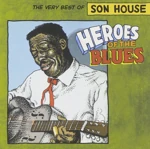 Heroes Of The Blues- The Very Best Of Son House Buy from Amazon