"Yellow Dog Blues," recorded by Crying Sam Collins (also known as Jim Foster on some issues), is a stark, haunting example of early rural Mississippi blues. Released in 1927, it captures the emotional depth, regional flavor, and bottleneck slide guitar technique that defined prewar country blues. The song draws on the cultural lore of the Mississippi Delta railroads and stands as one of Collins’ signature performances.
The 1927 Gennett Session
Collins made his first recordings around April 23, 1927, in Richmond, Indiana (some sources suggest Chicago as a possible alternate location for parts of the session). The session was for Gennett Records, a label known for documenting rural and regional artists during the 1920s "race records" boom. No specific "producer" or talent scout is prominently documented for this session in the manner of later figures like Ralph Peer or H.C. Speir; Gennett sessions were often straightforward field or studio captures aimed at capturing authentic performances for commercial release.
Musicians: Sam Collins – vocals and guitar (solo). Collins played in Vestapol (open D) tuning with bottleneck slide, producing a rattling, expressive tone often noted for its physicality and raw power. His "crying" vocal style—plaintive and emotive—complemented the guitar work.
Songwriter/Credits: Traditional/folk blues origins. Collins’ version is not the W.C. Handy composition of the same name (published 1915/1919, which popularized the "Southern cross the Yellow Dog" imagery). Instead, Collins’ take is widely regarded as preserving or reflecting an older, traditional Delta blues that may have inspired Handy. The lyrics and melody depart significantly from Handy’s more arranged, jazz-influenced version.
The track (matrix 12738) was issued as the A-side on Gennett 6146 (backed with "Loving Lady Blues"), and reissued on subsidiary and related labels including Black Patti 8026 (as by Sam Collins), Champion (as by Jim Foster), Herwin, and others to maximize distribution.
Lyrics, Structure, and Musical Analysis
The song opens with a repeated plea:
Be easy mama, don't you fade away Be easy mama, don't you fade away I'm goin' where the Southern cross the Yella Dog
Subsequent verses reference local imagery, fighting, trains, and personal turmoil. Collins’ performance is concise (around 2:30–2:40), featuring strong rhythmic strumming, piercing slide lines that mimic vocal moans, and a loose, improvisational feel. The rattling slide against the frets adds a distinctive, almost percussive texture that enhances the emotional urgency.
Musically, it exemplifies South Mississippi styles—less polished than urban recordings, with a direct, heartfelt delivery that influenced later Delta players. The "Yellow Dog" refers to the Yazoo Delta Railroad, whose intersection with the Southern Railway in Moorhead, Mississippi, became legendary in blues lore.
Other Versions and Iterations
- W.C. Handy’s "Yellow Dog Blues" (1915/1919): A more structured, popular song that brought the railroad imagery to mainstream audiences. Early recordings include Prince’s Band (1916), Bessie Smith, and later jazz interpretations by Louis Armstrong, Fats Waller, and others.
- Collins’ version stands apart as a raw folk-blues treatment and is considered by some scholars as closer to the oral tradition that predated Handy’s publication.
- Later blues artists have drawn on the theme or title, but direct covers of Collins’ specific arrangement are rare due to its obscurity outside collector circles. It appears on compilations like Yazoo releases and Document Records’ Complete Recorded Works.
Collins recorded additional material in 1927 and 1931 (for ARC under pseudonyms like Salty Dog Sam), but "Yellow Dog Blues" remains one of his most emblematic sides from the debut session.
Legacy
Sam Collins was a relatively obscure artist in his time, with limited commercial success, but his 1927–1931 recordings have been highly valued by blues revivalists and collectors since the 1960s. "Yellow Dog Blues" exemplifies the unvarnished power of Mississippi country blues and Collins’ distinctive slide technique.
The song contributes to the rich mythology of the "Yellow Dog" railroad crossing, preserved in Mississippi Blues Trail markers. It influenced the broader appreciation of prewar blues through reissues on labels like Yazoo and Document, reaching enthusiasts alongside contemporaries like Charley Patton and Frank Stokes. Collins’ work, including this track, highlights the diversity of early blues styles beyond the Delta "king" narratives and underscores themes of migration, hardship, and resilience.
Today, "Yellow Dog Blues" by Sam Collins endures as a gritty, evocative artifact of 1920s blues—raw, personal, and deeply rooted in the cultural landscape of the Mississippi Delta. It offers listeners a direct window into the oral traditions that shaped American music.
Suggested Listening
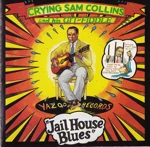 Jailhouse Blues by Crying Sam Collins Buy from Amazon