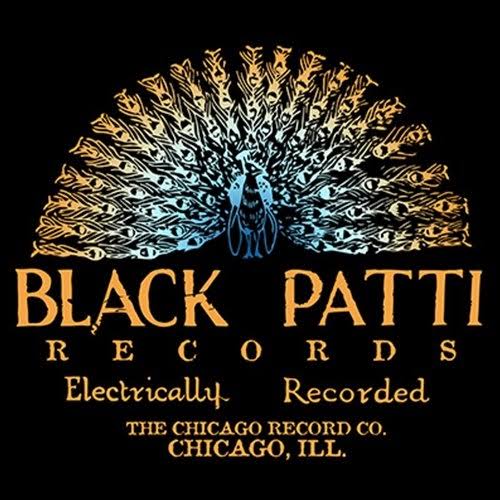
Black Patti Records was a short-lived but historically significant American “race records” label based in Chicago, Illinois. Founded in 1927 by J. Mayo “Ink” Williams, it was one of the earliest independent, Black-owned record companies in the United States. Although it operated for only about seven months and issued just 55 records, its catalog included important early blues sides that are now highly prized by collectors. The label took its name from the celebrated African American opera singer Matilda Sissieretta Joyner Jones (known as “Black Patti”), and its distinctive peacock logo later influenced later blues reissue labels.
History and Ownership
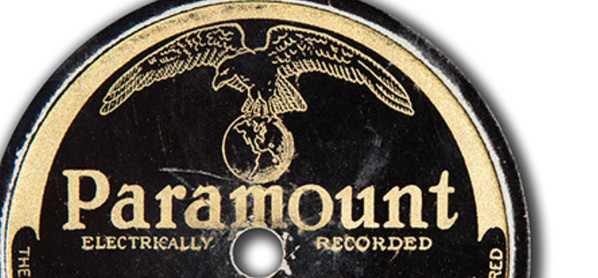
J. Mayo Williams had already established himself as a pioneering figure in the recording industry. As the first African American A&R executive and talent scout for Paramount Records’ race series in the mid-1920s, he played a major role in documenting early blues and jazz. In 1927 he left Paramount to launch his own venture under the Chicago Record Company.
Williams had no recording studio or pressing plant of his own. Sessions were held in various Midwest studios, and the finished discs were manufactured by Gennett Records in Richmond, Indiana. The label advertised aggressively and aimed to compete directly with Paramount’s race series by offering a mix of blues, jazz, spirituals, sermons, and vaudeville material aimed primarily at African American audiences.
Despite its ambitious start, Black Patti proved financially unsustainable. Intense competition, limited distribution, and the high costs of independent operation led Williams to close the label before the end of 1927. The extreme rarity of surviving copies has only increased the label’s legendary status among 78 rpm collectors.
Notable Blues Artists and Recordings
Blues formed a core part of the Black Patti catalog. Many of the sides capture raw, rural or urban blues styles of the late 1920s. Because so few copies survive, several of these recordings are among the rarest and most valuable in pre-war blues.
Long “Cleve” Reed and Little Harvey Hull (The Down Home Boys) This Memphis-rooted duo is the best-known blues act associated with the label. Their sides are foundational examples of early string-band and country blues:
- “Hey! Lawdy Mama – The France Blues” / “Two Little Tommie Blues” (Black Patti 8001)
- “Gang of Brown Skin Women” / “Don’t You Leave Me Here” (Black Patti 8002)
- “Original Stack O’Lee Blues” (Black Patti 8030) — one of the earliest recorded versions of the classic “Stagger Lee” murder ballad. For many years only a single copy of this side was known to exist, making it one of the most famous rarities in blues collecting.
Sam Collins (“Crying Sam” Collins) A Mississippi-born guitarist and singer known for his raw, emotive slide-guitar style. His Black Patti sides rank among the strongest country blues on the label:
- “The Jail House Blues” / “Riverside Blues” (Black Patti 8025)
- “Yellow Dog Blues” / “Loving Lady Blues” (Black Patti 8026)
These recordings showcase the gritty Southern blues aesthetic that Williams sought to document.
 Buy from Amazon Sam Collins 1927-1931
Mozelle Alderson (with Blind James Beck) A female blues singer whose sides blend urban and classic blues styles:
- “Mozelle Blues” / “State Street Special” (Black Patti 8003)
- “Room Rent Blues” / “Sobbin’ the Blues” (Black Patti 8004)
Other notable blues and blues-related artists
- Hattie Garland — “You Used to Be Sugar Blues” / “Strange Woman’s Dream” (Black Patti 8005)
- Eloise Bennett — “I Can’t Be Satisfied with One” / “Sting Me Mr. Strange Man” (Black Patti 8006)
- Clara Smith — Several sophisticated classic blues sides, including “Sand Raisin Blues” and related titles (Black Patti 8034 and 8035)
- Additional performers such as Lil and Will Brown, John Williams and His Memphis Stompers, and various vocalists contributed further blues and blues-tinged material across the short catalog.
The label also issued jazz (including sides by Willie Hightower), spirituals, and novelty numbers, but the country and classic blues recordings remain its most enduring contribution.
Legacy
Black Patti Records occupies a special place in blues history despite its brief existence. As an early Black-owned independent label, it represented an important attempt at self-determination in an industry then dominated by white-owned companies. The extreme scarcity of its discs—particularly the Down Home Boys’ “Original Stack O’Lee Blues” and Sam Collins’ sides—has given the label an almost mythical status among collectors.
The peacock logo and the Black Patti name were later revived and celebrated by blues reissue specialists (most notably on Nick Perls’ Yazoo and Belzona labels). Today the surviving Black Patti blues recordings stand as rare and valuable documents of late-1920s African American music, capturing both rural Southern styles and the emerging urban blues of Chicago at a pivotal moment in the genre’s development.