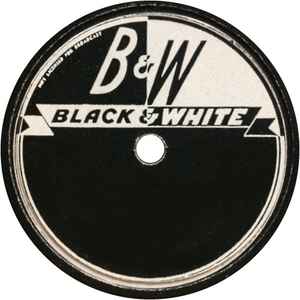
Black and White Records: A Pioneering Independent Label of the 1940s was an important American independent record label active in the mid-1940s. Based in Los Angeles, the label specialized in jazz, blues, and R&B, capturing a vibrant period of West Coast music during and immediately after World War II. Though short-lived, Black and White Records played a key role in documenting early electric blues and modern jazz, releasing material by influential artists and contributing to the growth of independent labels in the “race records” market.
Founding and History
Black and White Records was founded in 1944 or 1945 in Los Angeles by Ralph Bass (or associated entrepreneurs) and operated during the final years of World War II and the immediate postwar period. The label emerged as part of the explosion of independent recording companies that filled the gap left by major labels during the war and the AFM recording ban. Black and White focused on jazz and blues, taking advantage of the rich talent pool in Los Angeles’ Central Avenue scene.
The label was relatively short-lived, ceasing operations around 1946–1947 as the industry consolidated. Its masters were later acquired or reissued by other companies, preserving its catalog. Black and White’s releases were typically 78 rpm singles, with a focus on high-quality performances suitable for jukeboxes and radio.
Ownership and Business Practices
The label was owned and operated by a small team of music industry figures, with Ralph Bass playing a prominent role in production and A&R. Bass, who later became a legendary producer at Chess Records, brought his expertise in jazz and blues to Black and White. The label’s business practices emphasized quick sessions with local talent, often recorded in Los Angeles studios. Distribution was regional but effective within the West Coast market. Like many independents, Black and White used the “race records” category to target Black audiences while also appealing to jazz enthusiasts.
Notable Artists and Recordings
Black and White Records’ catalog, though limited, featured high-quality jazz and blues releases that captured the vibrant Los Angeles scene of the mid-1940s. The label’s 78 rpm singles were well-produced for the era, with good sound quality and energetic performances. Many releases were aimed at both “race records” and jazz audiences, reflecting the crossover appeal of West Coast music.
T-Bone Walker
The electric blues pioneer was one of Black and White’s most important artists. Walker’s sessions for the label showcased his groundbreaking guitar style and smooth, sophisticated vocals.
- Key Releases: Sides like early versions of his signature material highlighted his innovative use of the electric guitar, blending jump blues with sophisticated phrasing. Tracks often featured tight small-group backing, with Walker’s guitar cutting through the mix. His Black and White recordings helped establish the template for modern electric blues and influenced countless artists in R&B and rock ‘n’ roll. The label’s pressings made his music accessible to a wider audience during the immediate postwar period.
Other Blues Artists
Black and White released material by a range of West Coast blues performers, capturing the lively Central Avenue scene.
- Ivory Joe Hunter: The smooth pianist and vocalist had sides on Black and White that showcased his urbane style and heartfelt delivery. His recordings added a sophisticated, ballad-oriented dimension to the label’s blues catalog.
- Additional Regional Blues Talent: The label issued sides by lesser-known but talented artists who contributed to the vibrant Los Angeles blues scene. These releases often featured jump blues, piano-driven boogie, and vocal groups with horns and rhythm sections. They emphasized danceable rhythms and emotive singing, reflecting the club culture of the era.
Jazz Artists
The label also documented modern jazz, with releases featuring bebop-influenced material and small-group performances. These recordings captured the innovative spirit of West Coast jazz during a transitional period.
Overall Significance of the Catalog
Black and White’s recordings were notable for their authenticity and connection to the Los Angeles sound — a blend of jump blues, sophisticated vocals, and emerging electric styles. The label’s focus on local talent helped sustain the city’s music scene and provided a platform for artists like T-Bone Walker and Ivory Joe Hunter. Its singles were primarily aimed at regional audiences but gained some national traction through distribution.
Today, Black and White releases are valued by collectors for their historical importance and raw quality. Compilations have preserved much of the catalog, ensuring that the contributions of T-Bone Walker, Ivory Joe Hunter, and others continue to be heard. Black and White Records stands as a vital chapter in the story of independent blues and jazz labels and Los Angeles music history.
Legacy and Impact
Though short-lived, Black and White Records contributed to the growth of independent labels and the documentation of West Coast blues and jazz in the 1940s. Its releases by T-Bone Walker and others helped popularize electric blues and influenced the development of R&B and rock ‘n’ roll. The label’s catalog has been preserved through reissues and compilations, ensuring its place in music history. Black and White exemplifies the important role of small independents in capturing regional sounds and supporting artists during a transformative period in American music.
Today, original Black and White 78s are sought by collectors, and the label’s work continues to be celebrated as part of the rich tapestry of postwar recorded music.
Suggested Listening
 The Complete Capitol/Black and White Recordings