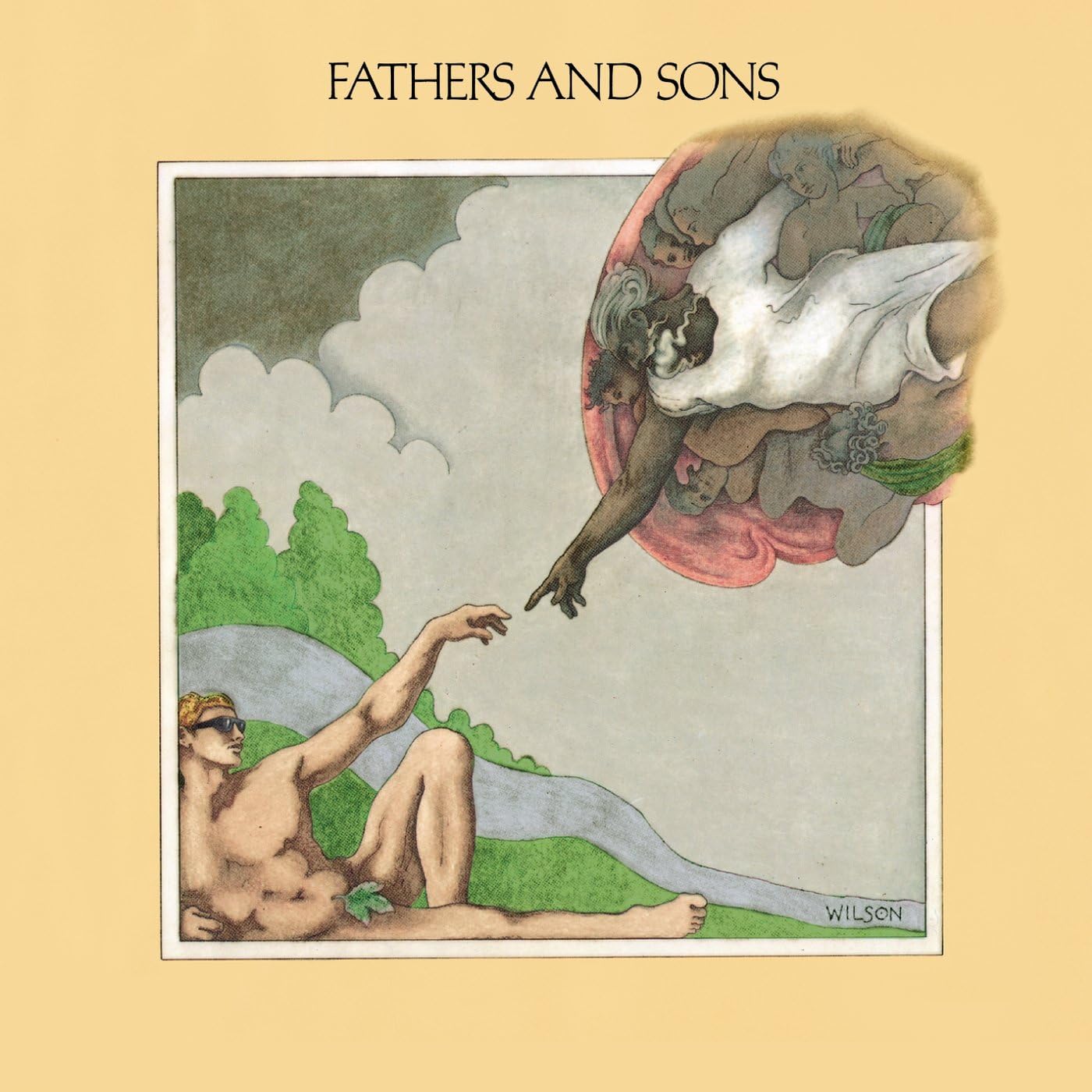
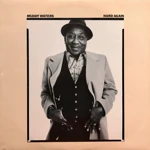
Hard Again is the landmark 1977 comeback album by Muddy Waters (McKinley Morganfield), marking a triumphant return to his raw Chicago blues roots after years of uneven Chess Records releases. Produced by his protégé Johnny Winter, the album won a Grammy Award for Best Ethnic or Traditional Folk Recording and is widely regarded as one of the greatest blues albums ever recorded. It peaked at No. 143 on the Billboard 200 — Waters' first chart appearance since Fathers and Sons in 1969.
Recording Sessions & Production
The album was recorded at The Schoolhouse — a studio located in the Westport, Connecticut home of guitarist Dan Hartman — over just two or three days in 1977.
Producer: Johnny Winter — the Texas blues-rock guitar legend who was also one of Waters' most devoted protégés. Winter had been a lifelong Muddy Waters fan and approached the production with a reverence for raw, authentic blues sound. He was determined to avoid the overproduced, soulless quality that had plagued Waters' later Chess recordings.
Recording Approach: The sessions were deliberately raw and spontaneous. All seven musicians played together in the same large, warm-sounding room with painted wood walls — no isolation booths, minimal baffling between instruments, and relatively little separation. This created a live, communal atmosphere that captured the energy of a club performance. The only drawback was that the control room was upstairs, forcing Winter to repeatedly climb stairs to check playback, then descend to play guitar again.
Engineer: Dave Still — handled the technical recording, with Andy Manganello as assistant engineer. The original analog recording was later remastered by Joseph M. Palmaccio.
The Album Title: According to Robert Gordon's biography Can't Be Satisfied: The Life and Times of Muddy Waters, after hearing a playback of one of the album's songs, Muddy cracked: "Hearing that makes my little pee pee hard again." The title stuck.
Label: Blue Sky Records — a subsidiary of Columbia Records created by Steve Paul, Johnny Winter's manager, specifically to release this album.
Musicians
The band assembled for Hard Again was a dream team of Chicago blues veterans:
-
Muddy Waters — lead vocals, guitar
-
Johnny Winter — guitar, producer, "miscellaneous screams" (his shouted exhortations of "yeah!" are credited as an instrument on the LP)
-
Bob "Steady Rollin'" Margolin — rhythm guitar (Waters' longtime band member)
-
James Cotton — harmonica (former Muddy Waters band member, alternating with Little Walter in the 1950s; had also played at Newport Jazz Festival 1960 with Muddy)
-
Joe Willie "Pinetop" Perkins — piano (Waters' longtime band member)
-
Willie "Big Eyes" Smith — drums (Waters' drummer from 1961-1964 and 1968-1980)
-
Charles Calmese — bass guitar (brought from James Cotton's band)
This was essentially Waters' touring band augmented by Winter and Cotton. The collective experience of these musicians — decades of playing Chicago blues clubs, recording sessions, and touring — created an intuitive, telepathic musical communication.
The Sound
Hard Again represented a deliberate rejection of the overproduced, "supper club" approach that had diluted Waters' later Chess output. The sound is loud, raw, and immediate — almost monaural in its directness, reminiscent of 1960s garage rock records by The Sonics or The Dave Clark Five. As guitarist Bob Margolin recalled, "Johnny loved the old Blues records that inspired him and was frustrated with modern recordings that seemed to lose their soul and excitement."
The album's energy is palpable — studio chatter is audible, musicians shout encouragement, and the performances feel like a party where everyone is having "one hell of a good time." This was the blues as it was played in Chicago's South and West Side clubs, not in sterile studios.
Track-by-Track Breakdown
Side A
1. "Mannish Boy" (5:23)
-
Songwriters: Muddy Waters (McKinley Morganfield), Ellas McDaniel (Bo Diddley), Mel London
-
Recording: 1977, The Schoolhouse, Westport, CT
-
Musicians: Muddy Waters (vocals, guitar), Johnny Winter (guitar, "miscellaneous screams"), Bob Margolin (guitar), Charles Calmese (bass), Pinetop Perkins (piano), James Cotton (harmonica), Willie "Big Eyes" Smith (drums)
-
Notes: The album opens with one of the most iconic moments in blues history. This is the third recording of "Mannish Boy" — originally recorded for Chess in 1955 as a response to Bo Diddley's "I'm a Man." The Hard Again version is definitive: Muddy's voice booms with "intimidating intensity and rugged fire," drummer Smith pounds the skins "like his life depended on it," and the call-and-response shouts between band members create a communal ritual. Johnny Winter's shouted "yeahs" punctuate the track like exclamation marks. The song was later used in Risky Business and The Band's The Last Waltz.
2. "Bus Driver" (7:44)
-
Songwriters: Muddy Waters, Terry Abrahamson
-
Recording: 1977, The Schoolhouse, Westport, CT
-
Musicians: Muddy Waters (vocals, guitar), Johnny Winter (guitar), Bob Margolin (guitar), Charles Calmese (bass), Pinetop Perkins (piano), James Cotton (harmonica), Willie "Big Eyes" Smith (drums)
-
Notes: An epic blues jam co-written with Terry Abrahamson — a blues songwriter, photographer, playwright, and storyteller. The song is a classic blues narrative: Muddy's woman has run off with a bus driver. The lyrics are wry and devastating: "My baby run off with a bus driver / And you know that don't seem right / He used to give her rides in the daytime / Now she gives him rides at night." The nearly eight-minute length allows each band member to shine — after Muddy's opening verse, he growls "Johnny" and Winter unleashes a "vigorous slashing slide guitar" solo. Cotton follows with blues harp, then Perkins takes a piano turn. Angus Young of AC/DC later cited this as a favorite, appreciating the "happy sort of blues music" with its "element of humor."
3. "I Want to Be Loved" (2:20)
-
Songwriter: Willie Dixon
-
Recording: 1977, The Schoolhouse, Westport, CT
-
Musicians: Muddy Waters (vocals, guitar), Johnny Winter (guitar), Bob Margolin (guitar), Charles Calmese (bass), Pinetop Perkins (piano), James Cotton (harmonica), Willie "Big Eyes" Smith (drums)
-
Notes: The shortest track on the album at just 2:20, but it "packs a major wallop." This is a re-recording of a song Waters first cut for Chess, with Willie Dixon's composition given "house-on-fire vital intensity." Muddy's vocal is matter-of-fact, Cotton's harp is firm and magical, and Perkins' piano pounds hard. At the song's conclusion, Muddy approvingly states "that's it." The brevity works as a palate cleanser between the longer jams.
4. "Jealous Hearted Man" (4:23)
-
Songwriter: Muddy Waters (McKinley Morganfield)
-
Recording: 1977, The Schoolhouse, Westport, CT
-
Musicians: Muddy Waters (vocals, guitar), Johnny Winter (guitar), Bob Margolin (guitar), Charles Calmese (bass), Pinetop Perkins (piano), James Cotton (harmonica), Willie "Big Eyes" Smith (drums)
-
Notes: A powerhouse track that "reaffirms that this music is meant to be played LOUD!!" Muddy's vocal is an "authoritative vitalized gruff growl," Cotton's harp "unrelentingly yowls and moans," and the twin guitars of Winter and Margolin "loudly ring the bell." The rhythm section of Smith and Calmese forms a "canyon-deep rhythm pocket." This is the blues as primal scream therapy — wake-the-neighbors, "Earschplittenloudenboomer" volume.
5. "I Can't Be Satisfied" (3:28)
-
Songwriter: Muddy Waters (McKinley Morganfield)
-
Recording: 1977, The Schoolhouse, Westport, CT
-
Musicians: Muddy Waters (vocals, guitar), Johnny Winter (guitar, National Vintage Steel Tricone resonator guitar), Bob Margolin (guitar), Charles Calmese (bass), Pinetop Perkins (piano), James Cotton (harmonica), Willie "Big Eyes" Smith (drums)
-
Notes: The third Chess-era re-recording on the album. Originally recorded in 1947 as Waters' first single, this version is transformed by Johnny Winter's bottleneck slide on a National Vintage Steel Tricone — a metal-body resonator guitar. The "familiar inescapably down-home resonance of tightly wound guitar strings scratching up against a smooth slide" creates what one reviewer called "as authentic as it gets." The studio chatter is audible, displaying the camaraderie and intimacy of the sessions. This is a rare acoustic-textured moment on an otherwise electric album, connecting back to Waters' Delta roots.
Side B
6. "The Blues Had a Baby and They Named It Rock and Roll, Pt. 2" (3:35)
-
Songwriters: Muddy Waters (McKinley Morganfield), Brownie McGhee
-
Recording: 1977, The Schoolhouse, Westport, CT
-
Musicians: Muddy Waters (vocals, guitar), Johnny Winter (guitar), Bob Margolin (guitar), Charles Calmese (bass), Pinetop Perkins (piano), James Cotton (harmonica), Willie "Big Eyes" Smith (drums)
-
Notes: A co-write with Brownie McGhee, this song is a history lesson and a celebration in one. The title tells the story — the blues as the parent of rock and roll. James Cotton's "shrieking locomotive harmonica" and Smith's "sledgehammer drum-work" drive the track. Winter and Margolin's intertwining guitars slice through the arrangement as Muddy narrates with "joyous glee." Perkins' "outstanding rolling piano work" adds to the song's momentum. This is the album's mission statement — a declaration of the blues' foundational role in American music.
7. "Deep Down in Florida" (5:25)
-
Songwriter: Muddy Waters (McKinley Morganfield)
-
Recording: 1977, The Schoolhouse, Westport, CT
-
Musicians: Muddy Waters (vocals, guitar), Johnny Winter (guitar), Bob Margolin (guitar), Charles Calmese (bass), Pinetop Perkins (piano), James Cotton (harmonica), Willie "Big Eyes" Smith (drums)
-
Notes: A swaying blues performed with "restraint that belies the power that the song creates." The lyrics express a desire to escape Chicago's brutal winters: "Yeah, I be goin' down in Florida / Where the sun shines damn near every day." "Trash can drums" and weeping slide guitar give the song a "back alley feel," while Cotton's stanch harp and Muddy's "strong rich tenor vocals sang with his distinctive drawl" create an intimate atmosphere. This is the blues as travelogue and escape fantasy.
8. "Crosseyed Cat" (5:59)
-
Songwriter: Muddy Waters (McKinley Morganfield)
-
Recording: 1977, The Schoolhouse, Westport, CT
-
Musicians: Muddy Waters (vocals, guitar), Johnny Winter (guitar), Bob Margolin (guitar), Charles Calmese (bass), Pinetop Perkins (piano), James Cotton (harmonica), Willie "Big Eyes" Smith (drums)
-
Notes: A powerhouse track with "aggressive piercing guitars, blues harp blowing, and piano runs" accompanying Smith's "traditional Chicago Blues shuffle style drum work." Willie "Big Eyes" Smith had held the drum chair in Muddy's band during two separate periods (1961-1964 and 1968-1980), and his deep familiarity with Waters' music is evident in every beat. The song is a "new take on the 'lost my baby' song" — another variation on the eternal blues theme of romantic betrayal.
9. "Little Girl" (7:06)
-
Songwriter: Muddy Waters (McKinley Morganfield)
-
Recording: 1977, The Schoolhouse, Westport, CT
-
Musicians: Muddy Waters (vocals, guitar), Johnny Winter (guitar), Bob Margolin (guitar), Charles Calmese (bass), Pinetop Perkins (piano), James Cotton (harmonica), Willie "Big Eyes" Smith (drums)
-
Notes: The album's longest track and a "slow blues simmer" that serves as the original LP closer. If you can resist tapping your feet to this "swaying beat," as one reviewer joked, "you have to turn in your blues card." Pinetop Perkins "tickles the ivories invitingly" as each band member takes their "best midnight ramble." Cotton's "moaning insistent harp," Perkins' "honky-tonkin' piano," and Winter's "searing guitar solo" are perfect complements to Muddy's "passionate spotlighted plea" to the little girl to "tell me where you get your sugar from." When Winter's guitar starts its "smoldering impassioned blues virtuosity lesson," Muddy mutters "what I hear, what I hear?" — a moment of spontaneous studio magic.
10. "Walking Through the Park" (3:55)
-
Songwriter: Muddy Waters (McKinley Morganfield)
-
Recording: 1977, The Schoolhouse, Westport, CT (outtake from the Hard Again sessions)
-
Musicians: Muddy Waters (vocals, guitar), Johnny Winter (guitar), Bob Margolin (guitar), Charles Calmese (bass), Pinetop Perkins (piano), James Cotton (harmonica), Willie "Big Eyes" Smith (drums)
-
Notes: Originally a 1958 Chess single, this track was an outtake from the Hard Again sessions that appeared on the 2004 Legacy Recordings reissue CD. It also appeared on Johnny Winter's 1977 album Nothin' But the Blues with the same performers. The track features the same raw, live energy as the rest of the album and serves as an additional document of the extraordinary creative synergy between these musicians.
 Buy from Amazon
Critical Reception & Legacy
Hard Again was immediately recognized as a masterpiece. It won the Grammy Award for Best Ethnic or Traditional Folk Recording in 1977, and critics praised its raw, back-to-basics approach. The Blues Foundation has celebrated it as "one of the greatest blues albums of all time," and it is frequently cited alongside Hoodoo Man Blues (Junior Wells) as one of the two essential Delmark/Blue Sky recordings of the 1970s blues revival.
The album's influence extends far beyond blues circles. Sonny Terry, the legendary harmonica player, recalled: "So I went out and bought Hard Again by Muddy Waters. That was a big learning curve. I listened to that album again and again and again. James Cotton was the harmonica player on that album."
Johnny Winter's production approach — recording everyone in the same room, minimizing separation, capturing studio chatter and spontaneous energy — became a model for "live in the studio" blues recordings. The album proved that Muddy Waters, at age 60+, was still a vital, powerful artist capable of matching or exceeding his classic Chess recordings.
The collaboration between Waters and Winter produced three more albums in the same vein: I'm Ready (1978), Muddy "Mississippi" Waters Live (1979), and King Bee (1981, Waters' final studio album). These recordings garnered Waters two more Grammys and cemented his late-career reputation.
Muddy Waters passed away on April 30, 1983, but Hard Again remains his definitive late-period statement — a testament to the enduring power of Chicago blues when played by masters who understood that the music's soul could not be captured through sterile production, but only through the raw, communal energy of musicians playing together in real time, feeding off each other's energy, and celebrating the blues as a living, breathing tradition.