Overview and Historical Context
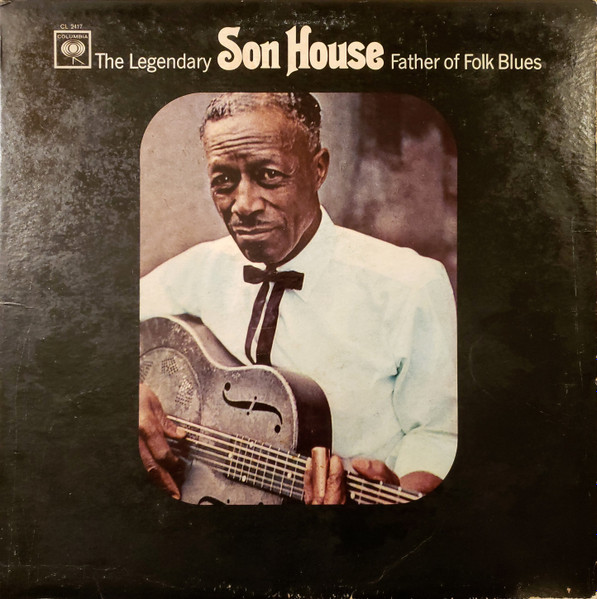
Father of Folk Blues (Columbia CS 9217, released 1965), also known as The Legendary Son House: Father of the Folk Blues, is a landmark album of the 1960s folk-blues revival. It marked the dramatic return of Eddie James "Son" House Jr. (1902–1988), one of the most powerful and influential figures in Delta blues history.
After recording a handful of sides for Paramount in 1930 and Library of Congress field recordings in 1941–42, House had retired from music for over two decades. He was rediscovered in 1964 in Rochester, New York, by blues enthusiasts Dick Waterman, Nick Perls, and Phil Spiro. Legendary producer John Hammond quickly signed him to Columbia Records. The resulting album introduced House’s raw, emotionally charged Delta blues to a new generation of young audiences during the folk revival.
Sessions and Production
Recording Dates: April 12–14, 1965 Studio: Columbia Recording Studios, New York City Producer: John Hammond (John Hammond Sr.)
Hammond, known for discovering or championing Billie Holiday, Aretha Franklin, Bob Dylan, and many others, gave House the freedom to perform naturally. The sessions captured House in strong voice and form despite his long hiatus. Most tracks are solo performances, but a few feature support from young blues enthusiast Alan “Blind Owl” Wilson (of future Canned Heat fame) on harmonica and second guitar.
The original 1965 LP contained 8 tracks. In 1992, Columbia/Legacy released the definitive Father of the Delta Blues: The Complete 1965 Sessions (C2K 48867), a 2-CD set with 21 tracks total, including five alternate takes, previously unissued material, and studio chatter.
Musicians
- Son House – Vocals, acoustic guitar (often National Steel resonator)
- Alan Wilson – Harmonica and second guitar (on select tracks)
Songwriters
Most material consists of traditional songs or original compositions/arrangements by Son House, many of which are reworkings of his 1930 Paramount recordings.
Detailed Track-by-Track Breakdown (Original 1965 Album + Alternate Takes)
1. Death Letter (Son House) – 4:19 (master take) A towering masterpiece and House’s signature song. A reworking of his 1930 Paramount track “My Black Mama.” The narrative describes receiving a letter about a lover’s death and viewing the body at the funeral home. House’s performance is dramatically intense, with percussive National Steel slide guitar and a haunting vocal delivery that builds tremendous emotional power. Alternate Take (1992 set, ~7:19): Significantly longer with extended guitar improvisations and more varied phrasing, demonstrating House’s improvisational depth in the studio.
2. Pearline (Son House / Traditional) – 4:30 An upbeat, rhythmic dance-oriented blues. House’s strong fingerpicking and slide work create a propulsive groove. The lyrics celebrate a woman named Pearline with a mix of affection and playful grit. This track highlights House’s often-overlooked lighter, danceable side.
3. Louise McGhee (Son House) – 6:12 A slow, deeply personal and melancholic blues. Written about a much younger woman House knew in Rochester. Features some of his most expressive and lyrical slide guitar playing, with long, sustained notes and emotional vocal phrasing. One of the album’s most intimate and haunting performances.
4. John the Revelator (Traditional, arr. Son House) – 2:29 A high-energy gospel-blues call-and-response number, originally recorded by Blind Willie Johnson in 1930. House’s version is urgent and powerful, reflecting his lifelong struggle between preaching and the blues life. Alternate Take (1992 set): Features slightly different pacing and vocal intensity.
5. Empire State Express (Son House) – 3:05 A driving train song with a strong rhythmic pulse. Features Alan Wilson on harmonica and second guitar, adding complementary texture and subtle support. The song evokes the power and speed of locomotives, a common theme in Delta blues.
6. Preachin’ Blues (Son House) – 5:05 A powerful reworking of his 1930 Paramount recording. House confronts the conflict between his religious background and blues lifestyle (“I got the blues so bad, it hurts my tongue to talk”). Features Alan Wilson on harmonica. One of the most emotionally raw and autobiographical performances. Alternate Take (1992 set): Longer and features different harmonica phrasing from Wilson.
7. Grinnin’ in Your Face (Son House / Traditional) – 2:15 A stark, almost a cappella sermon-like performance with heavy foot-stomping and hand-clapping for rhythm. House delivers a chilling warning about hypocrisy and false friends. This minimalist track is one of the most memorable and influential in his catalog. Alternate Version (1992 set): Features slight variations in vocal emphasis and timing.
8. Sundown (Son House) – 5:55 A slow, meditative closing blues reflecting on aging, loss, and the passage of time. Features beautiful, understated slide guitar and profound vocal delivery. Provides a contemplative end to the original album
Additional Tracks and Alternates from the Complete 1965 Sessions (1992 Release)
The expanded set includes several previously unreleased performances and alternates:
- Levee Camp Moan (master and alternate take) — Extended work-song style piece.
- Motherless Children — Extended work-song style piece.
- A Down the Staff
- President Kennedy — Topical blues commenting on current events.
- This Little Light of Mine (gospel)
- And others, plus studio conversation with John Hammond.
These extra tracks and alternates provide deeper insight into House’s creative process during the three-day session.
Legacy and Impact
Father of Folk Blues is considered one of the finest and most authentic albums of the 1960s blues revival. Its raw power, spiritual intensity, and emotional honesty influenced countless artists, including Bob Dylan, The Rolling Stones, and many rock and folk musicians. The 1992 Complete 1965 Sessions is now regarded as the definitive document of this historic recording event.