History
Biograph Records was founded in 1967 by Arnold S. Caplin (1929–2009) in New York, later operating from Canaan, New York. Caplin, a dedicated music historian and collector, established the label to reissue rare, out-of-print, or previously unreleased early American recordings, with a primary focus on ragtime, early jazz, blues, folk, and vaudeville/popular music from the 1910s–1930s. The name "Biograph" was inspired by the historic Biograph Company, a pioneering film studio.
The label became known for high-quality audio transfers from original 78 rpm records and piano rolls, accompanied by detailed scholarly liner notes. Biograph was particularly innovative in the ragtime piano roll field and active through the LP era (1960s–1980s) with continued CD reissues. It also acquired and reissued catalogs from smaller imprints like Melodeon Records.
Ownership
- Founder and primary owner: Arnold S. Caplin (1967–2002).
- Acquisition: In August 2002, Biograph was acquired by Retropolis Entertainment. In 2003, it became part of Shout! Factory, which has handled reissues and distribution since then.
Arnold S. Caplin
Background and Early Life
Arnold S. Caplin (full name Arnold Stanley Caplin) was born on May 8, 1929, in Brooklyn, New York City. He developed an early passion for music, particularly jazz and traditional American forms. Caplin was also a drummer and performed in various groups during his younger years. He served in the U.S. military during the Korean War era.
After his service, Caplin became a dedicated record collector and music historian. His deep interest in preserving early 20th-century American music — especially ragtime, early jazz, blues, and folk — drove him to enter the record business not as a mainstream producer, but as a specialist focused on historical reissues.
Career and Founding of Labels
In 1967, Caplin founded Biograph Records in New York (later operating from Canaan, New York). He established the label as a vehicle for reissuing rare, out-of-print, or previously unreleased recordings that major labels had ignored. Biograph quickly gained respect for its meticulous remastering from original 78 rpm records and piano rolls, along with informative, scholarly liner notes written or overseen by Caplin himself.
Caplin also owned and operated Historical Records, another specialist label focused on early jazz and ragtime. In 1970, he acquired additional catalogs, expanding his ability to preserve obscure material. He personally produced many releases and maintained hands-on control over audio quality and packaging. His vision emphasized cultural preservation over commercial trends, making Biograph a cornerstone of the 1960s–1970s folk-blues revival.
Personality and Contributions
Caplin was known as a passionate advocate for America’s musical heritage. He prioritized high-fidelity transfers and detailed documentation, helping introduce artists like Scott Joplin (via piano rolls), Blind Lemon Jefferson, Mississippi Fred McDowell, and many others to new audiences. His work bridged the gap between serious collectors and general listeners during a time when much pre-WWII music was difficult to find.
He continued running Biograph actively into the early 2000s, overseeing LP and eventual CD reissues.
Later Life and Death
Arnold S. Caplin died on December 25, 2009 (Christmas Day), at the age of 80. Following his death, Biograph Records was acquired in 2002 (prior to his passing) by Retropolis Entertainment, which later became part of Shout! Factory. His legacy endures through the extensive catalog he built and the preservation work that introduced generations to America’s musical roots.
Key Artists and Specific Discography Highlights
Biograph released material across several series, notably the 1000/Q series (piano rolls) and the 12000 series (blues, folk, and jazz reissues).
Ragtime and Piano Rolls (1000/Q Series)
Biograph was groundbreaking for piano roll reissues, including multiple volumes featuring Scott Joplin, Jelly Roll Morton, Fats Waller, and James P. Johnson.
Blues and Folk (12000 Series) – Expanded
The BLP-12000 series, launched in 1968, was Biograph’s flagship line for pre-war and traditional blues reissues. It focused on high-quality remastering from rare 78s (primarily Paramount, OKeh, and Vocalion) and some contemporary field recordings. The series ran through the mid-1970s and emphasized country blues, Delta blues, and folk-blues artists.
Key releases include:
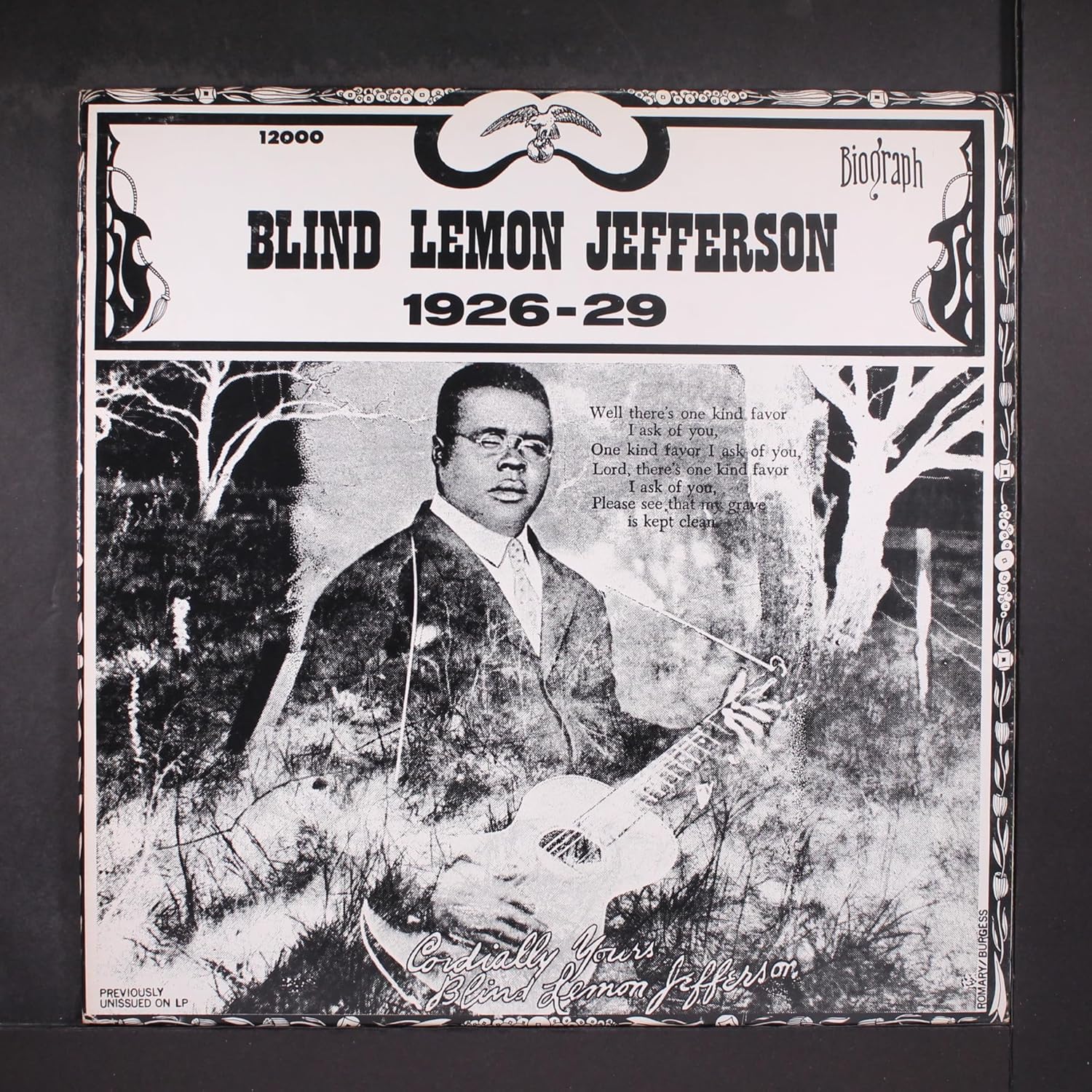 BLP-12000: Blind Lemon Jefferson – 1926-29 (1968) One of the earliest and most important releases in the series. Compiled Paramount recordings featuring classics such as “Match Box Blues,” “See That My Grave Is Kept Clean,” and “Black Snake Moan.” Noted for clean remastering that preserved Jefferson’s raw Delta guitar and vocal intensity. Liner notes by Lawrence Cohn.
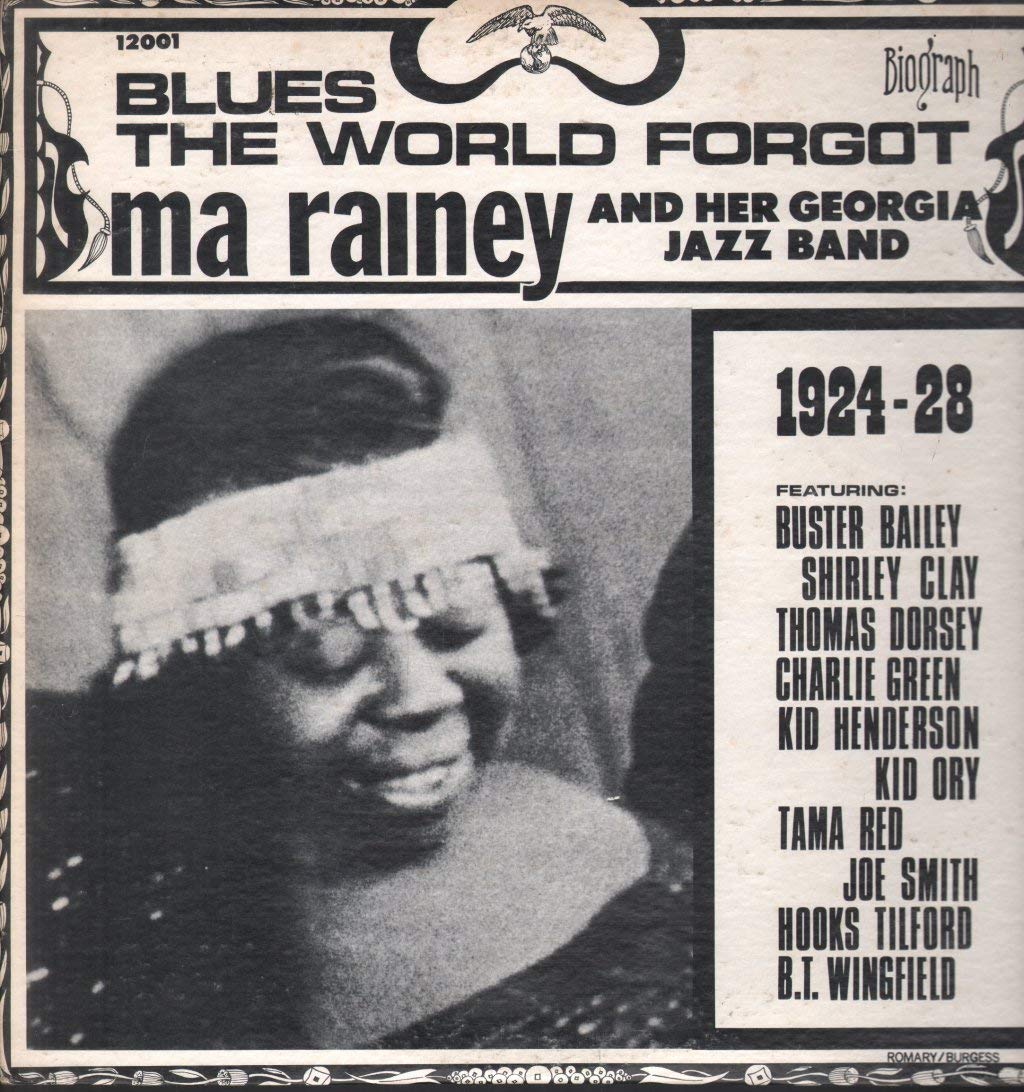 BLP-12001: Ma Rainey – Blues The World Forgot 1924-28 Featured “Booze And Blues,” “Stormy Sea Blues,” and other classic sides. Highlighted the “Mother of the Blues” with strong ensemble accompaniment.
- BLP-12003: Blind Blake – 1926-30 (Bootleg Rum Dum Blues) Guitar wizard Blind Blake’s ragtime-influenced Piedmont blues, including “Rope Stretchin’ Blues” and other intricate fingerpicking tracks.
- BLP-12019: Buddy Moss – Rediscovery (1970) Atlanta blues legend Buddy Moss, featuring strong country blues performances.
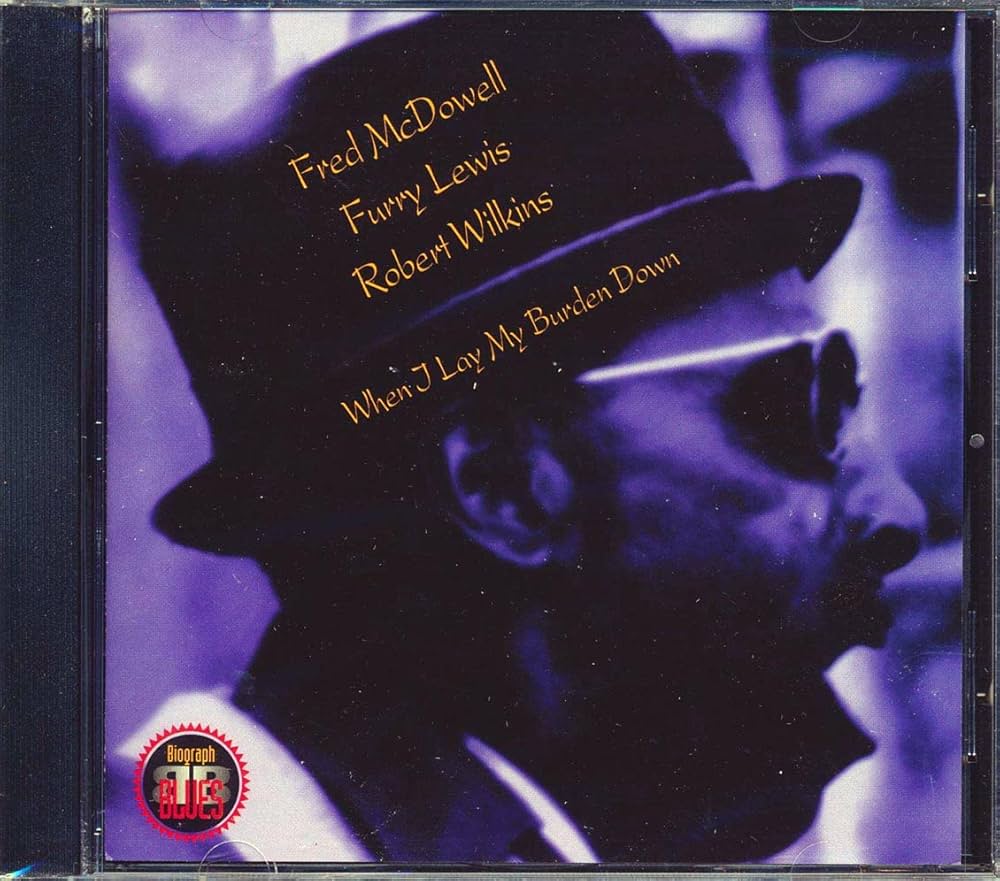 When I Lay My Burden Down (Testament/Biograph reissue, ~1970, associated with the 12000 series) Featured Mississippi Fred McDowell, Furry Lewis, and Rev. Robert Wilkins. Included McDowell’s 1964 home recordings such as “Louise,” “61 Highway,” “John Henry,” and the title gospel track “When I Lay My Burden Down” (with Annie Mae McDowell on harmony). This release bridged archival reissues with living traditional artists.
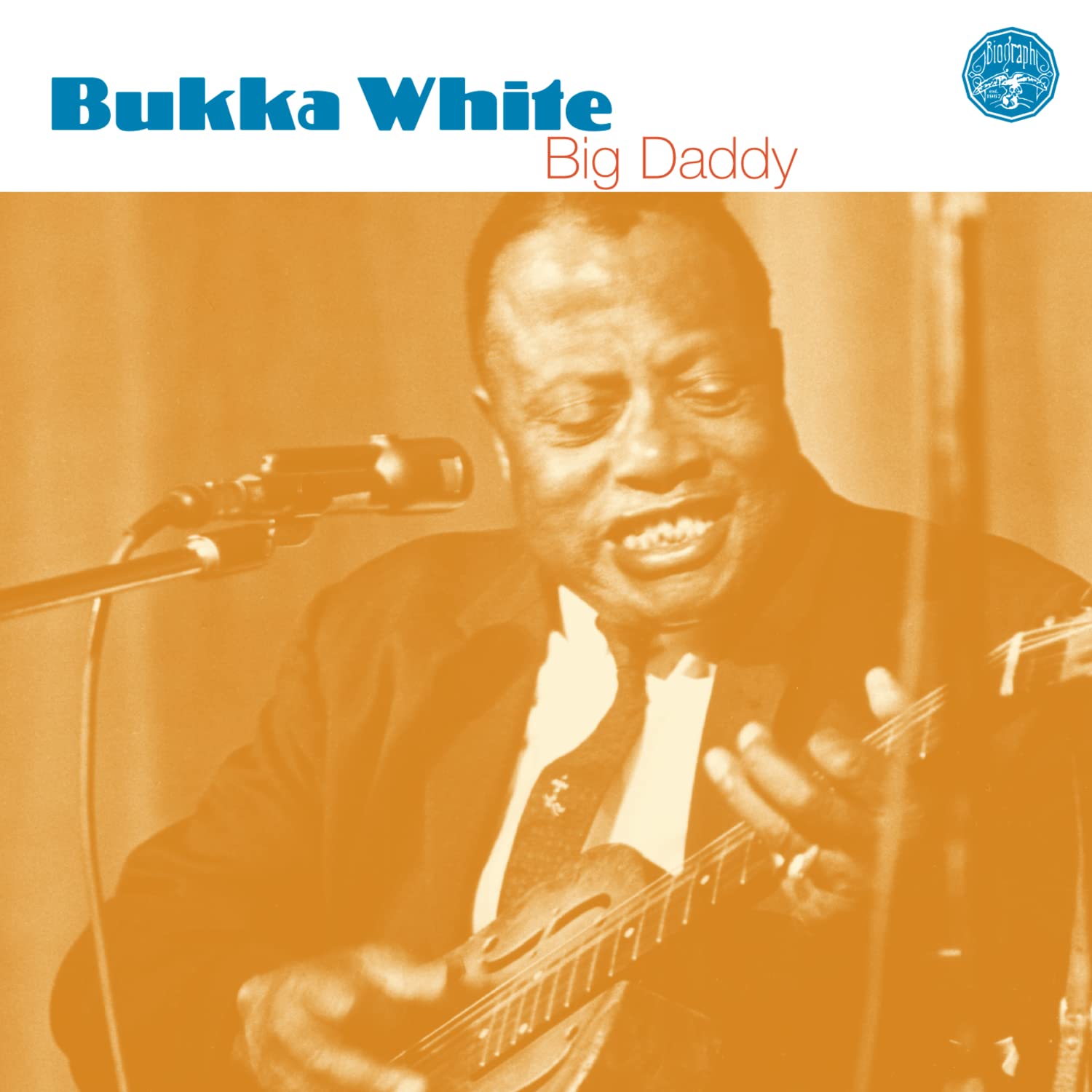 Bukka White – Big Daddy Powerful later-career recordings by the Delta bluesman known for “Fixin’ to Die Blues.”
Additional notable 12000 series titles:
- Chicago Jazz 1923-1929 (BLP-12005) – Early jazz ensembles including Clarence Jones And His Sock Four.
- Releases featuring Son House, Skip James, Johnny Shines, Memphis Minnie, and various compilations of Atlanta, Chicago, and Delta blues.
The series was praised for its scholarly presentation and for making obscure 78 rpm material accessible during the folk-blues revival.
Jazz and Early Popular Music
Biograph released volumes by Bunny Berigan, Earl Hines, Benny Goodman, Ted Lewis, George Lewis, Jack Teagarden, Ethel Waters, and others.
Legacy and Impact
Biograph Records made obscure early 20th-century American music accessible during the folk-blues revival. Its piano roll series preserved authentic performances of ragtime masters, while the 12000 series provided high-fidelity documentation of country and Delta blues. The label influenced later specialist imprints and many titles remain sought-after by collectors.