Big Bear Records is a long-running British independent record label founded in Birmingham, England, in 1968 by promoter, manager, and producer Jim Simpson. While the label has released jazz, ska, and other material over the decades, its most celebrated contribution is a substantial body of 1970s recordings by American blues artists. Through its “American Blues Legends” tours and studio sessions, Big Bear documented and promoted lesser-known but significant bluesmen at a time when many were receiving limited attention in the United States. The label remains active and is recognized as one of the UK’s longest-established independents.
Founding and Ownership
Jim Simpson, nicknamed “Big Bear” by BBC Radio 1 DJ John Peel, established the label in October/November 1968. At the time he was managing the Birmingham band Locomotive (later involved with related projects). When their label Parlophone declined to issue a planned ska Christmas single, Simpson launched Big Bear to release “Rudi the Red-Nosed Reindeer” (credited to Steam Shovel for contractual reasons), with early distribution support from Island Records.
Simpson had already created Henry’s Blueshouse, an influential weekly club night in Birmingham that featured both emerging British acts and visiting American blues performers. He briefly managed the band Earth, which he renamed Black Sabbath; under his guidance they achieved major success with their first two albums before parting ways in 1970. After this, Simpson turned his primary focus to blues, organizing European tours for American artists under the American Blues Legends banner and recording them for Big Bear. The label later expanded into jazz while continuing selective blues activity. Simpson has remained the central figure and owner throughout its history.
Notable Blues Artists and Recordings
Big Bear’s blues catalog is particularly valued for capturing authentic performances by veteran American artists during the 1970s, often in strong form and with good production. Many albums were initially leased to larger companies (Polydor, Caroline, Action, Munich/Intercord, Transatlantic) before appearing under the Big Bear imprint. Key examples include:
Doctor Ross (Isaiah Ross, “The Harmonica Boss”) A one-man-band stylist from Mississippi/Memphis known for harmonica, guitar, and drums.
- Live at Montreux (BEAR 18 / Polydor, 1972)
- The Harmonica Boss (BEAR 2, 1974)
- Jivin’ the Blues (BEAR 15, 1976)
Homesick James and Snooky Pryor Classic Chicago/Tennessee blues partnership.
- Homesick James & Snooky Pryor (BEAR 21 / Caroline, 1973)
- Home Sweet Homesick James (BEAR 10, 1975)
- Snooky Pryor solo: Shake Your Boogie (BEAR 14, 1976)
 The Big Bear Sessions
Eddie “Playboy” Taylor Influential Chicago guitarist and singer associated with Jimmy Reed.
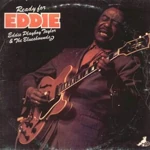 Ready for Eddie (BEAR 6, 1974) — a strong set showcasing his crisp guitar work and vocals.
Eddie “Guitar” Burns Detroit blues guitarist and singer.
- Bottle Up and Go (BEAR 16 / Action, 1972)
- Detroit Blackbottom (BEAR 7, 1975)
Big John Wrencher Powerful harmonica player and vocalist linked to Chicago’s Maxwell Street scene.
- Big John’s Boogie (BEAR 4, 1974)
Cousin Joe (Pleasant Joseph) New Orleans pianist, singer, and songwriter with a distinctive, humorous style.
- Gospel-Wailing… Blues Man from New Orleans (BEAR 3, 1974)
Willie Mabon Chicago pianist and singer known for early hits such as “I Don’t Know.”
- The Comeback (BEAR 9, 1975)
Other important blues releases
- Johnny Mars: Blues from Mars (BEAR 17, 1972) and Oakland Boogie (BEAR 12, 1976)
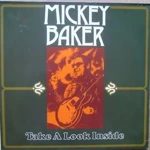 Mickey Baker: Take a Look Inside (BEAR 5, 1975)
- Various Artists: American Blues Legends ’73, ’74, ’75, and ’79 compilations, featuring rotating line-ups that included Lightnin’ Slim, Boogie Woogie Red, Tommy Tucker, Eddie C. Campbell, Little Smokey Smothers, and others.
- Additional artists recorded or presented under the Big Bear umbrella included Champion Jack Dupree, Gene “Mighty Flea” Connors, and later figures such as Chick Willis.
These recordings are noted for their energy and for giving artists who had been active since the 1940s and 1950s a platform in Europe, where audiences were often more receptive at the time.
Legacy
Big Bear Records occupies a distinctive place in blues history as a British label that actively supported and documented American blues talent during the 1970s. Jim Simpson’s combination of touring, recording, and long-term advocacy helped sustain careers and introduced many European listeners to authentic postwar blues. The label’s blues albums—praised by publications such as Living Blues—remain important documents of the era. While Big Bear later became equally known for jazz (including work with Clark Terry, Kenny Baker, and King Pleasure & the Biscuit Boys), its 1970s blues output continues to define its reputation among collectors and historians. The company is still based in Birmingham and continues to release and reissue material under Simpson’s direction.