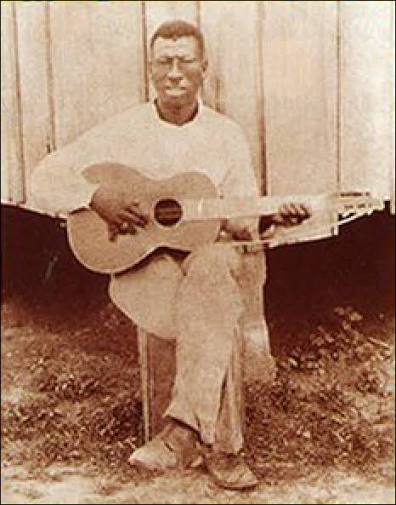
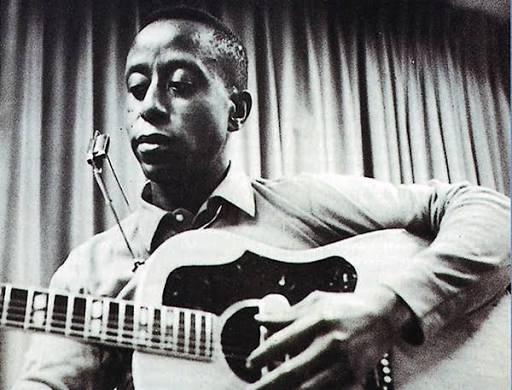
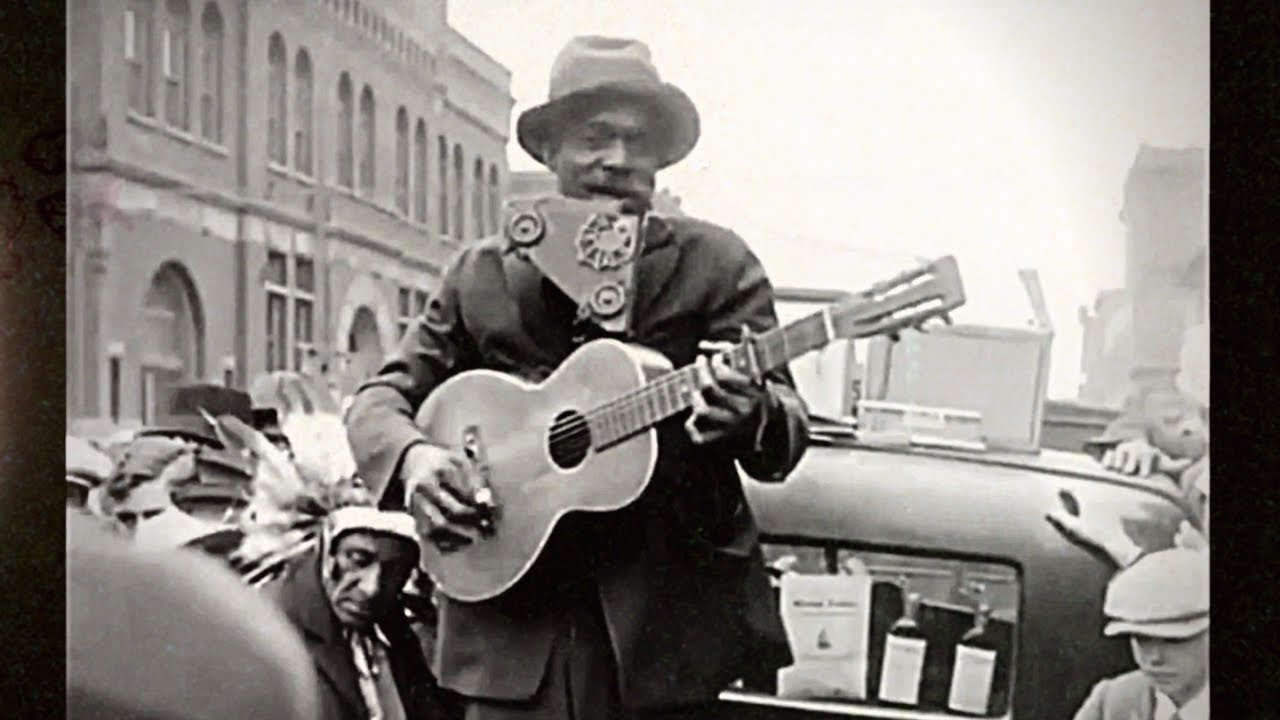
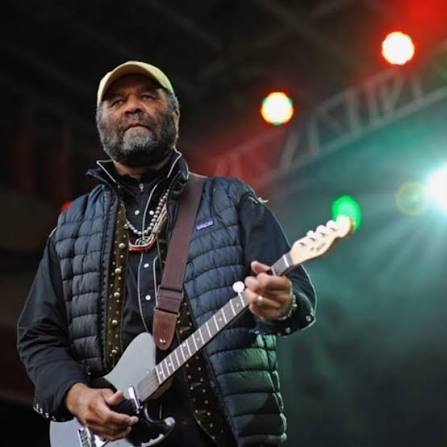
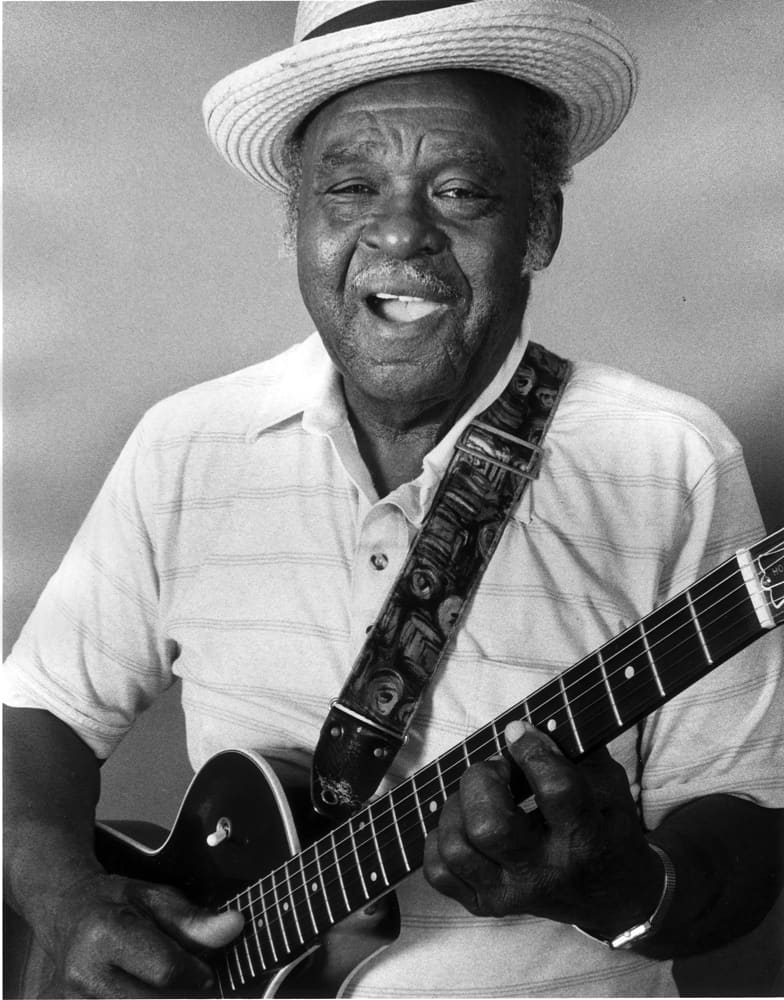
Tommy Johnson (January 1896 – November 1, 1956) was a pioneering Mississippi Delta blues musician whose haunting falsetto voice, expressive guitar playing, and emotionally charged performances made him one of the most influential artists of the prewar era. Though his commercial recording career was brief—spanning only 1928 to 1930—his songs became standards, and his style profoundly shaped later blues legends. Johnson is also remembered for popularizing the “crossroads” legend of selling one’s soul to the devil for musical talent, a story later associated with Robert Johnson (no relation).
Early Life
Born near Terry, Mississippi (in the Crystal Springs area), Tommy Johnson grew up in a musical environment. He learned guitar as a teenager and was influenced by local players. By his late teens and early twenties, he was performing around the Delta, often in the company of Charley Patton, Willie Brown, Dick Bankston, and others who helped forge the distinctive Delta blues sound.
Johnson was a colorful, larger-than-life character—known for heavy drinking, showmanship, and storytelling. He claimed to have met the devil at a crossroads at midnight, where he traded his soul for guitar mastery and the ability to sing with such power. This tale, which he reportedly shared with friends and audiences, added to his mystique and helped cement the supernatural motif in blues lore.
Career and Recordings
Tommy Johnson lived the life of a classic itinerant Delta bluesman. Throughout the 1920s and beyond, he traveled across Mississippi and neighboring states, performing at juke joints, house parties, picnics, dances, and on street corners for tips. He frequently collaborated with other major figures of the era, including Charley Patton, Willie Brown, Dick Bankston, Ishmon Bracey, and guitarist Charlie McCoy. Johnson was known for his showmanship, heavy drinking, and a charismatic personality that made him a local favorite, even if he lacked the ambition for a sustained commercial career. He reportedly played music only when the mood struck him or when money was needed.
His recording career was brief but extraordinarily influential, consisting of just two main sessions that produced around 17 issued and unissued sides.
Victor Records Sessions (1928, Memphis, Tennessee)
Johnson’s debut recordings took place in February 1928 at the Memphis Auditorium for Victor Records. Accompanied on some tracks by second guitarist Charlie McCoy, these sessions captured him at the peak of his powers.
Key recordings from the February 1928 session include:
- “Cool Drink of Water Blues” / “Big Road Blues” — His most celebrated coupling. “Cool Drink of Water Blues” features his haunting falsetto and the iconic line “I asked for water, and she gave me gasoline,” later reworked by Howlin’ Wolf as “I Asked for Water (She Gave Me Gasoline).”
- “Maggie Campbell Blues”
- “Bye-Bye Blues”
- “Canned Heat Blues” — A raw, autobiographical song about drinking Sterno (canned heat) during Prohibition, one of the most powerful depictions of addiction in early blues.
- Alternate takes of “Lonesome Home Blues” and other strong material.
A follow-up Victor session in August 1928 in Memphis produced additional sides, including “Big Fat Mama Blues.” These Victor releases sold reasonably well in the region and helped spread Johnson’s reputation among musicians.
Paramount Records Session (December 1929, Grafton, Wisconsin)
Encouraged by Charley Patton, Johnson traveled north for a session at Paramount Records’ studio in Grafton. This produced another strong set of recordings, including:
- “I Wonder to Myself”
- “Slidin’ Delta”
- “Lonesome Home Blues” (additional versions)
- “Alcohol and Jake Blues” — Another stark commentary on alcohol abuse (Jake being a contaminated Jamaican ginger extract).
- “Black Mare Blues” and other titles.
These Paramount sides were issued on 78 rpm records, though commercial success was limited due to the onset of the Great Depression. Some titles, such as “Black Mare Blues,” exist in very rare pressings that have become highly prized collector items.
Johnson did not record again after 1930. According to legend and family accounts, he mistakenly believed he had signed away his rights to further recordings and turned down subsequent opportunities. He continued performing live throughout the 1930s–1950s, often with Ishmon Bracey on medicine shows and in local venues around Crystal Springs and Jackson, Mississippi. His live performances were said to be even more dynamic than his records, featuring extended improvisations and audience interaction.
Johnson’s complete recorded output, though small, stands as a cornerstone of Delta blues. His songs, vocal techniques (especially the dramatic use of falsetto), and guitar patterns were widely copied and adapted by later artists. Compilations such as Tommy Johnson: Complete Recorded Works (1928–1929) on Document Records preserve all known surviving material, allowing modern listeners to appreciate the full scope of his brief but potent legacy.
Musical Style
Johnson’s voice was his most distinctive instrument: powerful, emotive, and capable of dramatic shifts into high falsetto wails that conveyed deep longing and eeriness. His guitar playing was active and supportive—using open tunings, strong rhythms, and melodic fills—creating a full, haunting sound even in solo performances. Songs often blended personal hardship, humor, and vivid imagery.
Later Life and Death
In his later decades, Johnson lived primarily around Crystal Springs, Mississippi, performing locally and mentoring younger musicians. He battled alcoholism throughout his life, which contributed to his death on November 1, 1956, at age 60. He is buried in the Warm Springs Methodist Church cemetery north of Crystal Springs.
Influence and Legacy
Despite his small discography, Tommy Johnson’s impact was enormous. He was a key figure in developing the Delta blues sound alongside Charley Patton and Son House. His songs and vocal techniques influenced:
- Howlin’ Wolf (“I Asked for Water (She Gave Me Gasoline)”)
- Robert Nighthawk, Houston Stackhouse, Floyd Jones, Otis Spann, K.C. Douglas, and many others.
His “crossroads” legend helped inspire the mythic aura around blues musicians, later amplified in stories about Robert Johnson. The 2000 film O Brother, Where Art Thou? featured a character (played by Chris Thomas King) inspired by Tommy Johnson’s devil-dealing tale.
Johnson was inducted into the Blues Hall of Fame in 1986. His complete recordings have been reissued on labels like Document Records, preserving his work for new generations. Mississippi Blues Trail markers in Crystal Springs honor his contributions.
Tommy Johnson’s brief but potent recordings capture the raw soul of early Delta blues—haunting, personal, and timeless. His voice and legend continue to echo through the history of American music.
Essential Listening
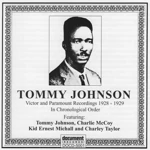 Complete Recorded Works 1928-29 Buy from Amazon
Suggested Reading
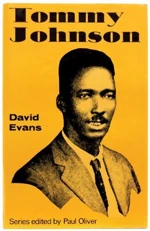 Tommy Johnson Buy from Amazon