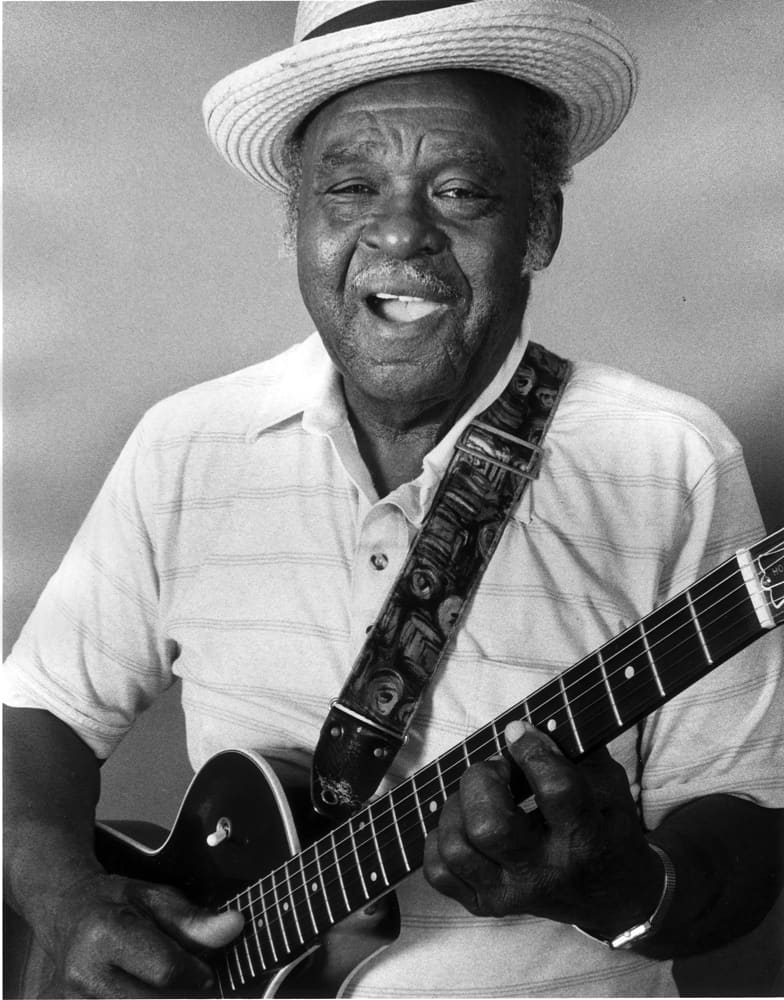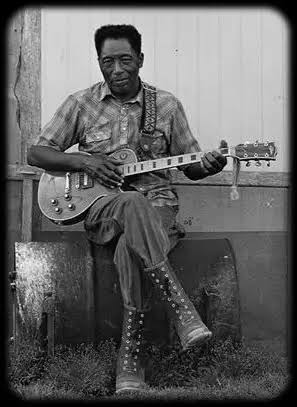
If you saw R. L. Burnside live in the nineties, in a juke joint outside Oxford, Mississippi, or at a festival in front of white college kids who had come to see Jon Spencer, you remember two things: how little seemed to be happening and how much was happening.
He sat in a chair, big man, big hands, wearing overalls or a work shirt and a trucker cap, a cheap Harmony or Gibson acoustic or later a battered electric, often tuned to open G or open D or something in between that only he knew, and he played one chord. Not one chord progression. One chord. For ten minutes. Sometimes twenty. He sang in a voice that was half sung, half spoken, gruff, amused, a little tired, telling a story about a woman, about a shooting, about going to jail, about going fishing. The drums behind him — often his grandson Cedric — played a fife-and-drum-like pattern that didn't change either. The bass, if there was one, played one note.
And after two minutes, you realized you were dancing. After five minutes, you realized you were in a trance. After ten minutes, you realized this was blues stripped to its absolute essence: rhythm, voice, drone, story. No twelve-bar, no turnaround, no guitar solo that showed off. Just groove.
Robert Lee Burnside, born November 23, 1926, in Oxford, Mississippi, or more precisely in the hills outside Oxford in Lafayette County, in a community called Harmontown or nearby, and died September 1, 2005, in Memphis, was the greatest exponent of North Mississippi hill country blues, a style so distinct from Delta blues that it might as well be a different music. Delta blues is about tension and release, about the twelve-bar form, about slide. Hill country blues is about staying on one chord until it becomes hypnotic, about fife-and-drum rhythms that go back to Africa, about groove over changes.
For most of his life, Burnside was not famous. He farmed, sharecropped, fished, drove a tractor, worked as a laborer, raised thirteen children, did time at Parchman, and played at house parties and fish fries for neighbors. He recorded a little in the late sixties and seventies for folklorists, but almost no one heard it. Then, in his mid-sixties, in the early nineties, he was rediscovered by Fat Possum Records, a small label in Oxford run by two white college kids who loved hill country blues, and he became, improbably, a rock star. He made records with the Jon Spencer Blues Explosion, he toured with Iggy Pop and the Beastie Boys' crowd, he was sampled by hip-hop producers, he was covered by the White Stripes and the Black Keys, and he never changed his style one bit.
This is his story, from Harmontown to Chicago to Coldwater and back, from mule farming to world tours, from one chord to trance.
Harmontown
Robert Lee Burnside was born on November 23, 1926, in Lafayette County, Mississippi, just outside Oxford. The exact place is given variously as Oxford, as Harmontown, as Collierville? Actually, his birth certificate says Oxford, but he grew up in Harmontown, a small Black community in the hills of North Mississippi, about ten miles south of Holly Springs, in Marshall County. Harmontown is not a town. It is a crossroads, a church, a few houses, cotton fields, and hills. North Mississippi hill country is different from Delta. The Delta is flat, rich, alluvial soil, big plantations. Hill country is hilly, poor, red clay, small farms, woods, creeks. The music reflects that — less about big plantation work songs, more about fife-and-drum picnics, about small house parties.
His parents were Josie and Frank Burnside. His father was a sharecropper. There were several children. The family worked land they did not own, as most Black families in hill country did. Burnside left school early — second or third grade — to work in the fields.
He learned music from family and neighbors. His first instrument was harmonica, then guitar. In North Mississippi in the thirties and forties, guitar was everywhere, but not Delta slide guitar. It was hill country guitar: open tunings, often open G (D-G-D-G-B-D) or open D (D-A-D-F#-A-D) or open G minor, played with a slide or fingerpicked, with a strong, almost African rhythm, often one chord, with a drone.
His early influences were his neighbors: Fred McDowell, who lived nearby in Como, Mississippi, and who played slide in open D with a hypnotic drone; Ranie Burnette, another Como-area guitarist who played in a similar style; and fife-and-drum music, which he heard at picnics. Fife-and-drum is a Black tradition in North Mississippi that goes back to the Civil War, with military-style drumming and cane fife, playing at picnics and reunions. The rhythm is insistent, repetitive, trance-like, with little variation. Burnside absorbed that rhythm into his guitar.
He also listened to John Lee Hooker on the radio — Hooker, from Clarksdale but living in Detroit, also played one-chord boogie — and to Lightnin' Hopkins.
In his teens, he started playing at house parties and fish fries, small gatherings where people paid a little money, brought fish they caught, and danced. He played for tips, for food, for fun.
Chicago and Tragedy
In the late 1940s, like many young Black men from Mississippi, Burnside went to Chicago. The Great Migration was still happening. Chicago had jobs in factories, and it had blues on every corner.
He lived on the West Side and worked as a laborer, in a factory, as a dishwasher. He played blues at house parties and at small clubs, but he was not a professional musician. He was a worker who played.
Chicago in the late forties was electric blues — Muddy Waters, Howlin' Wolf, Little Walter. Burnside's hill country drone did not fit. He learned some Chicago blues, but his heart was in hill country.
In Chicago, tragedy struck that would shape his life. In the space of a year, in the late 1940s or early 1950s, his father, his brother, and his uncle were killed — some accounts say murdered — in Mississippi. The exact details are murky, as family tragedies often are, but Burnside talked about it in interviews: his father was killed by a white man, his brother and uncle were killed in separate incidents. He left Chicago and returned to Mississippi, partly for family, partly because Chicago was dangerous for a Black man who had lost family to violence.
He returned to North Mississippi in the early 1950s and settled near Holly Springs and later near Coldwater and Independence, in Tate County, just south of Memphis. He farmed, sharecropped, drove a tractor, fished — he was an expert fisherman, known for catching catfish with his hands, noodling — and raised a large family. He married Alice Mae Taylor, and they had thirteen children, including sons Duwayne and Daniel and grandson Cedric Burnside, who would become his drummer.
He continued to play at house parties and fish fries, but not for money primarily. He played because people wanted to dance.
He also did time. In the late 1950s, he was convicted of murder after shooting a man who had been threatening him at a fish fry or a dice game — accounts vary — and served time at Parchman Farm, Mississippi's notorious state penitentiary. Parchman was where many bluesmen — Bukka White, Son House — had done time. Burnside talked about it rarely, but when he did, he said he learned to play more in Parchman, because there was nothing else to do.
Parchman
R. L. Burnside's time at Parchman Farm deserves its own meditation because Parchman is central to Mississippi blues mythology and because Burnside rarely talked about it, which makes it more important.
Parchman, officially Mississippi State Penitentiary, is a 20,000-acre farm in Sunflower County, in the Delta, where prisoners work the fields, picking cotton, under armed guards on horseback. In the thirties, forties, and fifties, it was where many Black men in Mississippi ended up for minor offenses or for offenses that were self-defense. Bukka White wrote "Parchman Farm Blues" about it. Son House did time there. So did many others.
Burnside was sent to Parchman in the late 1950s after shooting a man at a fish fry or dice game near Coldwater. The story he told was that a man had been threatening him, had a knife or gun, and Burnside shot him in self-defense. He was convicted of murder or manslaughter — accounts vary — and sentenced to several years, but served less, maybe a year or two, because the killing was deemed self-defense or because he had a good lawyer or because Parchman needed labor.
At Parchman, he worked in the fields, picking cotton, and played guitar when he could. He said he learned to play more in Parchman because there was nothing else to do at night, and because other musicians were there. He also learned to sing louder, to cut through field noise.
He did not romanticize Parchman. When asked about it in interviews in the nineties, he would say, "Parchman was hard. I don't want to go back." He would laugh, but it was a short laugh.
His Parchman experience influenced his songs. He sang about jail, about being locked up, about the sheriff, not in a metaphorical way but in a literal way. "Goin' Down South" is partly about leaving Mississippi to avoid trouble. "Jumper on the Line" is about a man on the run.
Parchman also gave him credibility in hill country. In a world where many men had done time, having done time at Parchman and survived was a mark of toughness.
Discovery
Burnside was first recorded in the late 1960s by folklorists who came to North Mississippi looking for Fred McDowell.
George Mitchell, a young white folklorist and journalist from Georgia, came to Como in 1967 to record McDowell. McDowell told him about other guitarists in the area — Ranie Burnette, Joe Callicott, and a man named R. L. Burnside who lived near Coldwater and played a different style, more rhythmic, more one-chord.
Mitchell found Burnside in 1968 or 1969 at his home near Coldwater, farming. He recorded him on a portable reel-to-reel, sitting on his porch, with Burnside playing acoustic guitar and singing. Those recordings — solo, raw, with chickens in the background — are some of the purest hill country blues ever recorded. They were released later on Arhoolie and on Fat Possum as "First Recordings" (2003) and show Burnside already fully formed: one chord, hypnotic, voice half-spoken.
Other folklorists recorded him in the seventies: David Evans, a musicologist from Memphis, recorded him for the High Water label; and later, in the late seventies and early eighties, he recorded for the Dutch label Swingmaster and for the French label Disques Vogue, but those records sold little and were hard to find in America.
In Mississippi, he was known. He played at the Delta Blues Festival and at local juke joints like Junior Kimbrough's place in Chulahoma, Mississippi. Junior Kimbrough, another hill country guitarist, was a contemporary and friend. Kimbrough's juke joint — a cinderblock building in the woods with no sign, just a light on — was where hill country blues lived. Burnside and Kimbrough would play there for hours, one chord, trading verses, while people danced and drank.
But outside North Mississippi, almost no one knew who he was.
Fat Possum
In 1990, two white University of Mississippi students, Matthew Johnson and Peter Redvers-Lee, started Fat Possum Records in Oxford. Johnson, from New Albany, Mississippi, had grown up loving blues, particularly hill country blues, which he heard at Junior Kimbrough's juke joint. He wanted to record Kimbrough and Burnside and other hill country musicians who were still alive and still playing but not recording.
He approached Burnside, who was in his mid-sixties, farming and fishing, playing occasionally at Kimbrough's joint. Burnside was skeptical. Many folklorists had recorded him and nothing had come of it. Johnson promised to pay and to release the records.
Fat Possum's first releases were raw, almost field recordings: Junior Kimbrough's "All Night Long" (1992) and R. L. Burnside's "Bad Luck City" (1992) and "Too Bad Jim" (1994). "Bad Luck City" was recorded in Burnside's house, with his family around, with a drum kit played by his grandson Cedric, who was a teenager. It is lo-fi, with audible room noise, but it has power. Songs like "Goin' Down South" and "Shake 'Em On Down" are one-chord trances.
"Too Bad Jim" is even better, with Burnside on electric guitar, Cedric on drums, and Calvin Jackson on drums? Actually, it has Burnside on electric, with a fuller sound, still one chord, but with more bite.
These records sold modestly but got attention in the blues world and, crucially, in the rock world. White college kids who liked punk and indie rock heard in Burnside's one-chord drone something similar to punk's minimalism and hip-hop's loop-based groove. Fat Possum marketed him not as a museum piece but as a living, raw, punk bluesman.
Then came the collaboration that made him famous outside blues.
Jon Spencer and the Beastie Boys Crowd
In 1995, Jon Spencer, leader of the New York punk-blues band the Jon Spencer Blues Explosion, contacted Fat Possum. Spencer was a fan of hill country blues and wanted to record with Burnside.
The result was "A Ass Pocket of Whiskey" (Matador/Oil, 1996), credited to R. L. Burnside with the Jon Spencer Blues Explosion. It was recorded in Oxford, with Spencer and his bandmates Judah Bauer and Russell Simins playing behind Burnside, with Spencer producing with a lo-fi, distorted, almost garage rock sound.
The album is polarizing among blues purists. It is loud, distorted, with Burnside's guitar and voice run through cheap mics and overdriven amps, with Spencer shouting in the background. Songs like "Boogie Chillen" and "Come On In" are one-chord vamps that last five minutes, with Burnside telling stories about women and drinking and fishing.
But it worked. It got reviewed in Rolling Stone, in Spin, in the New York Times. It got Burnside booked at Lollapalooza, at festivals where he played to crowds of 20-year-old white kids who had never heard hill country blues but who danced to it because it was hypnotic and loud and raw. It got him on MTV. It got him noticed by the Beastie Boys, who invited him to play at their Tibetan Freedom Concert, and by Iggy Pop.
He followed it with "Come On In" (Fat Possum, 1998), which went even further, with remixes by Tom Rothrock and others, adding loops and samples to Burnside's guitar, turning his one-chord boogie into something like trip-hop blues. The title track, "Come On In," is a Burnside original with a looped drum beat and Burnside's voice half-spoken: "Come on in, baby, let me take you for a ride."
Purists hated it. Burnside loved it. He said, "They pay me, I play. I don't care what they do with it after." He was in his early seventies, making more money than he ever had farming.
He also recorded more traditional albums during this period: "Mr. Wizard" (1997), recorded with his family band, with Cedric on drums and Duwayne on guitar, is a return to pure hill country blues, one chord, acoustic and electric, with Burnside telling stories.
The Sound
For guitarists who want to understand Burnside's sound, here is the method.
Tuning: Open G (D-G-D-G-B-D) or open D (D-A-D-F#-A-D) or open G minor (D-G-D-G-A#-D) or something in between. Burnside often tuned by ear, not to a tuner, so his open G might be slightly sharp or flat. He capoed sometimes, but not always. He played with a slide sometimes — a glass or metal slide on his pinky — but often fingerpicked without slide, using his thumb and fingers to play a drone.
Rhythm: One chord. He would play a riff in open G, often on the low strings, with his thumb playing a steady, almost fife-and-drum-like bass pattern, and his fingers playing a repetitive, hypnotic figure on the high strings. He would not change chords. He would play that one chord for ten minutes, varying the riff slightly, adding a hammer-on or pull-off, but never leaving the chord.
Voice: Half-sung, half-spoken, gruff, with a laugh. He told stories rather than sang verses. He would sing a line, then talk a line, then sing again. He sang about women, about fishing, about jail, about his tractor, about everyday life. He did not sing about the devil. He sang about real life.
Band: Drums, often his grandson Cedric, playing a simple, repetitive pattern, almost like fife-and-drum, with little variation, with a lot of space. Bass, if present, playing one note. Second guitar, often his son Duwayne, playing the same riff as Burnside, slightly out of phase, creating a thick, drone-like sound.
The result is trance blues, hypnotic, with little harmonic movement but a lot of rhythmic intensity. It is closer to African music or to punk rock or to electronic dance music than to twelve-bar Chicago blues.
He played cheap guitars — Harmony, Stella, later a Gibson Les Paul or a Fender Telecaster, but always with heavy strings and high action, because he played hard.
The Family
R. L. Burnside's family is part of his story and his sound.
He married Alice Mae Taylor in the 1940s and they had thirteen children: Duwayne, Daniel, Linda, Joseph, and others. The family lived near Coldwater and Independence, Mississippi, in Tate County, farming, fishing, and playing music. Music was family business. Duwayne Burnside became a guitarist, Daniel Burnside a drummer, and grandson Cedric Burnside, son of Daniel, became Burnside's drummer as a teenager and later a bandleader in his own right, winning a Grammy for his own hill country blues.
Burnside's house was a juke joint itself. People came to fish, to eat, to drink, to hear music. He would play on the porch, with family around, with kids running, with chickens. That communal, family-based music-making is central to hill country blues, which is not stage music but house party music.
His children and grandchildren learned by watching, not by formal teaching. Cedric learned drums by sitting behind his grandfather and watching, then playing. Duwayne learned guitar by watching his father's hands.
The family also shared tragedy. Burnside's father, brother, and uncle were killed in Mississippi in the late forties. Later, his son Duwayne's son was killed? Actually, the Burnside family has had its share of violence, like many families in hill country.
But the family also shared joy. Burnside loved to fish, to tell stories, to laugh. He was known for his laugh, a big, booming laugh that would interrupt his own songs. He would be singing a serious blues about jail and then laugh at his own line.
The Juke Joint
Junior Kimbrough's juke joint in Chulahoma, Mississippi, deserves its own chapter because it was where Burnside's music lived.
Kimbrough, born in 1930 in Hudsonville, Mississippi, was another hill country guitarist, with a style similar to Burnside's — one chord, hypnotic, drone — but with a slightly more melodic, almost sweet touch. In the late 1980s, Kimbrough opened a juke joint in a cinderblock building in the woods near Chulahoma, off Highway 4, with no sign, just a light bulb over the door. Inside, there was a bar, a few tables, a small stage, and a dance floor. On weekends, Kimbrough and his band — often with Burnside sitting in — would play from 10 p.m. until 4 a.m., one chord, while people danced, drank, and sweated.
The joint had no air conditioning, no bathroom, no liquor license. People brought their own whiskey. The police left it alone because it was in the woods and because Kimbrough paid them.
Burnside played there regularly in the early nineties, before Fat Possum. He and Kimbrough would trade sets, or play together, both on guitar, both playing one chord, creating a thick, trance-like drone that could last an hour.
White college kids from Ole Miss started coming to the joint in the early nineties, hearing about it from Johnson and Redvers-Lee. They would drive out from Oxford, get lost in the woods, find the light bulb, and walk into a scene that was like nothing they had seen: Black people dancing to one-chord blues, white kids dancing next to them, everyone sweating, no one caring.
Fat Possum recorded Kimbrough there, and recorded Burnside there, with a portable DAT recorder, capturing the room sound, the crowd noise, the sweat.
The joint burned down in 2000, after Kimbrough's death in 1998. Burnside played at its last night.
Come On In and the Rock Crowd
After "A Ass Pocket of Whiskey," Burnside's audience changed. He went from playing to Black audiences in Mississippi juke joints to playing to white audiences at rock festivals.
He played Lollapalooza in 1996, on a side stage, with Jon Spencer's band behind him, to a crowd of teenagers who had come to see Soundgarden and the Ramones. He played to them with one chord, and they danced.
He played the Tibetan Freedom Concert in 1998, with the Beastie Boys, Björk, and others. He played Late Night with Conan O'Brien.
He recorded "Come On In" (1998) with producer Tom Rothrock, who had produced Beck, adding loops and samples to Burnside's guitar. The album has remixes that turn his boogie into trip-hop. The title track was used in "The Sopranos" and in several commercials.
He recorded "Wish I Was in Heaven Sitting Down" (2000), produced by Bo Ramsey, which is more traditional, with Burnside on acoustic and electric, telling stories.
He recorded "Burnside on Burnside" (2001), a live album from outside Portland, Oregon, that captures his live show in his seventies — one chord, stories, laugh.
He toured constantly in his seventies, with his family band — Duwayne on guitar, Cedric on drums — playing festivals in Europe, in Japan, in America. He was a festival favorite because his music was hypnotic and because he was a character — big man, overalls, trucker cap, telling stories about fishing and women and Parchman.
He also became a father figure to a new generation of rock musicians who loved blues but didn't want to play twelve-bar. The White Stripes covered Burnside's "Goin' Down South" and "Jackson, Mississippi" live and cited him as an influence. Jack White said Burnside's one-chord boogie was punk rock. The Black Keys, from Akron, Ohio, covered Burnside's "Just Like Old Times" and cited him and Kimbrough as major influences on their early records, which were one-chord, lo-fi blues.
Dan Auerbach of the Black Keys produced Burnside's last album, "A Bothered Mind" (2004), which has Burnside's voice and guitar with Auerbach adding loops and samples, similar to "Come On In."
The Last Years
In the early 2000s, Burnside's health declined. He had heart problems, diabetes, and other issues from a lifetime of hard work and hard living. He had a heart attack in 2001 after a show in Iowa and had surgery.
He continued to play when he could, sitting in a chair, with his family band behind him. His last shows were in 2004, with Cedric on drums, Duwayne on guitar, at festivals where he sat and played one chord and told stories.
He died on September 1, 2005, at St. Francis Hospital in Memphis, of heart failure, at age 78. He was survived by his wife Alice Mae, his 13 children, and many grandchildren and great-grandchildren, including Cedric.
His funeral was in Holly Springs, Mississippi, at a church, with hundreds of people, Black and white, musicians and farmers and fishermen, coming to pay respects. Junior Kimbrough's son Kinney played. Cedric played drums. People danced.
He is buried in Free Springs Cemetery near Holly Springs, near Junior Kimbrough.
Gear - One Chord, Many Tunings
For guitarists who want to play like Burnside, here is the method.
Tuning: Open G (D-G-D-G-B-D) is most common, but Burnside also used open D (D-A-D-F#-A-D) and open G minor (D-G-D-G-A#-D) and sometimes standard tuning with a capo. He tuned by ear, so his open G might be slightly sharp. Use heavy strings, .012 to .054, because he played hard and because open tunings need heavier strings.
Slide: Sometimes he used a glass or metal slide on his pinky, playing in open D or open G, with a light touch, not heavy like Delta slide. Often he played without slide, fingerpicking.
Picking: Thumb and fingers, no flatpick. Thumb plays steady bass, often one note, with a fife-and-drum-like rhythm, fingers play repetitive riff on high strings. He used his thumbpick sometimes, sometimes bare thumb.
Amp: In early years, acoustic, no amp. Later, small Fender amps — Champ, Princeton, later Twin Reverb — with treble up, bass down, clean but loud. He did not use distortion pedals. His overdrive came from volume and from playing hard.
Band: Drums simple, repetitive, one pattern, little variation, played by Cedric Burnside, who learned from watching his grandfather. Bass one note if present. Second guitar same riff as Burnside, slightly out of phase.
The key is not to change chords. Play one chord for ten minutes. Vary riff slightly, add hammer-on, but stay on one chord. Sing a story, not a verse-chorus-verse. Talk as much as sing. Laugh.
Recordings - Where to Start and Where to Go Deep
For newcomer, path is clear.
Start with Fat Possum: "Bad Luck City" (1992), "Too Bad Jim" (1994), "A Ass Pocket of Whiskey" (1996) with Jon Spencer Blues Explosion, "Mr. Wizard" (1997), "Come On In" (1998), "Wish I Was in Heaven Sitting Down" (2000), "Burnside on Burnside" (2001 live), "A Bothered Mind" (2004). These are core mature career and all in print on Fat Possum.
Then go back to early field recordings: "First Recordings" (2003) on Fat Possum, recorded by George Mitchell in 1968-69, solo acoustic, raw, with chickens. "Mississippi Hill Country Blues" on Arhoolie (1969) with George Mitchell recordings. "Burnside's Sound - The Soul of the Blues" on High Water (1980s).
Then go to live: "Burnside on Burnside" is essential, but also seek bootlegs from Junior Kimbrough's juke joint in early nineties, where Burnside and Kimbrough play together for hours, one chord, crowd noise, sweat.
For deep enthusiast, seek original Fat Possum vinyl pressings from 1992-1996, pressed at small plants, lo-fi, with original cover art by Matthew Johnson. Also seek VHS tapes of Burnside at Kimbrough's joint, filmed by Johnson.
Influence - The Drone That Keeps Going
R. L. Burnside's influence is everywhere in modern blues and rock, even when players don't know it.
Start with hill country blues itself. Before Fat Possum, hill country blues was known only to folklorists. After Burnside and Kimbrough, it is recognized as distinct genre, with festivals, with younger players like Cedric Burnside, Duwayne Burnside, Kinney Kimbrough, Robert Kimbrough, and others carrying it on. The North Mississippi Hill Country Picnic, held annually in Holly Springs and Potts Camp, is built around Burnside and Kimbrough's music.
Outside hill country, White Stripes covered Burnside's "Goin' Down South" and "Jackson, Mississippi" live, with Jack White playing one chord and telling stories, citing Burnside as punk rock. Black Keys covered Burnside and cited him and Kimbrough as major influences on their early lo-fi records like "The Big Come Up" and "Thickfreakness," which are one-chord, drone blues.
Dan Auerbach produced Burnside's last album and produced Junior Kimbrough tribute album "Sunday Nights: The Songs of Junior Kimbrough" (2005) with Iggy Pop, Mark Lanegan, and others singing Kimbrough, showing rock world's love for hill country.
In electronic music, Moby sampled Burnside's "Goin' Down South" and others? Actually, Burnside's "Come On In" was remixed by many DJs, and his one-chord boogie has been sampled by hip-hop producers because it is loop-based.
In blues, his influence is in attitude: you can play one chord and make it work, you can be a farmer and a fisherman and a bluesman, you can be in your seventies and become a rock star, you can smile and laugh while playing blues, you can tell stories about everyday life — fishing, tractor, women, jail — and make it blues.
He proved blues doesn't need twelve bars, doesn't need changes, doesn't need virtuosity. It needs groove, voice, and truth.
The Iceman of the Hills
In North Mississippi today, there is not much to mark R. L. Burnside, but there is more than for many bluesmen.
There is a marker in Harmontown? Actually, there is a Mississippi Blues Trail marker in Harmontown honoring Burnside and Kimbrough and Othar Turner, the fife-and-drum master. There is a marker at Junior Kimbrough's juke joint site in Chulahoma, which burned down. There is a festival, the North Mississippi Hill Country Picnic, held annually in Holly Springs, with Burnside's family playing.
At his home near Independence, Mississippi, his family still lives, still fishes, still plays music. Cedric Burnside, his grandson, won a Grammy in 2022 for Best Traditional Blues Album for "I Be Trying," carrying on hill country blues with modern production but same one-chord drone.
At Fat Possum Records in Oxford, there is a wall of photos of Burnside, big man, overalls, trucker cap, grinning, holding a cheap guitar.
Put on "Goin' Down South" on a hot afternoon, with windows open, and he is there. That one chord, that fife-and-drum-like drum pattern, that voice half-sung, half-spoken, telling a story about going down south, about a woman, about fishing. It is hypnotic. After two minutes, you are dancing. After five, you are in trance.
In end, R. L. Burnside's career was long but fame concentrated in last fifteen years of life. He spent fifty years as working man, farming, fishing, driving tractor, playing house parties for neighbors. Then fifteen years as star, touring world with family band, playing to white rock crowds, winning W.C. Handy Awards, being sampled, being covered, never changing style one bit.
He never lost his cool, even when playing one chord for twenty minutes in overalls in front of teenagers who came to see Lollapalooza. He just grinned and kept playing, because he knew groove is everything and changes are overrated.
He was Robert Lee Burnside, from Harmontown, Mississippi, from Coldwater, from Independence, from everywhere hill country blues lives. He was the sound of North Mississippi, one chord, trance, fish fry, juke joint, tractor, laugh.
And if you ever hear a blues that stays on one chord until you are dancing without knowing why, you know who it is.
Essential Listening: Start with Fat Possum's Bad Luck City (1992) and Too Bad Jim (1994) for pure hill country, then A Ass Pocket of Whiskey (1996) for rock crossover, then Burnside on Burnside (2001) live for show. For deep, First Recordings (1968-69) on Fat Possum. For influence, play Burnside's Goin' Down South back-to-back with White Stripes' Ball and Biscuit and Black Keys' Thickfreakness.
 Buy from Amazon Too Bad Jim
 Buy from Amazon A Ass Pocket of Whiskey
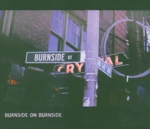 Buy from Amazon Burnside on Burnside
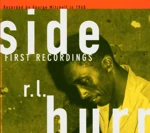 Buy from Amazon First Recordings
The Picnic
The North Mississippi Hill Country Picnic, held annually in late June in Holly Springs and Potts Camp, Mississippi, is the living legacy of Burnside and Kimbrough and Othar Turner, the fife-and-drum master.
The picnic started in the early 2000s as a small gathering at Junior Kimbrough's juke joint site, then grew into a two-day festival with multiple stages, with Burnside's family — Cedric, Duwayne, Daniel — playing, with Kimbrough's sons Kinney and Robert playing, with Sharde Thomas, Othar Turner's granddaughter, playing fife-and-drum.
It is not like other blues festivals. There is no big stage, no VIP area. It is in a field, with tents, with people bringing coolers, with fish frying, with kids running, with dancers dancing one-chord trance for hours. It is a family reunion and a house party, not a concert.
Burnside played the picnic in its early years, sitting in a chair, big man, overalls, playing one chord while Cedric drummed and Duwayne played second guitar and the crowd danced in dust.
The picnic continues, even after Burnside's and Kimbrough's deaths, run by their families and by Fat Possum. It is the best place to hear hill country blues as it was meant to be heard: outside, loud, repetitive, communal.
The Fisherman
Burnside loved to fish. He was known in Tate County as an expert catfish noodler — catching catfish with bare hands, reaching into holes in riverbanks where catfish hide, grabbing them and pulling them out. It is dangerous — catfish have spines, and there are snakes and snapping turtles in holes — but Burnside was good at it.
He fished in Coldwater River, in Arkabutla Lake, in small creeks. He would go out early morning, before farming, and catch enough fish for a fish fry that night, where he would play.
Fishing influenced his music. He sang about fishing — "Goin' Down South" mentions fishing, "Come On In" is partly about fishing. He talked about fishing on stage, telling stories about big catfish that got away.
He also farmed — cotton, soybeans, corn — and drove a tractor, which he sang about in "Tractor Blues" or talked about between songs. He was a working man who played music, not a musician who worked occasionally. That working-man identity is central to his appeal. He was not a tortured artist. He was a farmer who played blues when work was done.
He raised thirteen children on farming and fishing and music, which is itself remarkable. His wife Alice Mae ran the house while he farmed and played. The children learned music by watching, not by lessons.
That working-man, family-man identity made him relatable to audiences, Black and white, who saw in him not a myth but a man who worked hard and played hard.
Epilogue: One Chord
In the end, R. L. Burnside's lesson is simple: one chord is enough if you play it with conviction.
He played one chord for ten minutes, twenty minutes, an hour, and made people dance, made people trance, made people feel. He proved blues doesn't need twelve bars, doesn't need changes, doesn't need virtuosity, doesn't need to be sad. It needs groove, voice, story, and truth.
He farmed, fished, drove tractor, raised thirteen kids, did time at Parchman, played house parties for fifty years for neighbors, then became a rock star at sixty-five and never changed. He smiled, laughed, told stories, played one chord, and walked out the door with a hundred feet of cord that he didn't need because his groove already went out the door and down the street.
He was Robert Lee Burnside, from Harmontown, Mississippi, from Coldwater, from Independence, from everywhere hill country blues lives. He was the sound of North Mississippi, one chord, trance, fish fry, juke joint, tractor, laugh.
And if you ever hear a blues that stays on one chord until you are dancing without knowing why, until you are in trance, until you forget what song it is and just feel groove, you know who it is. It's R. L.
Essential Listening Addendum: For fishing stories, listen to Burnside's stage banter on Burnside on Burnside (2001), where he tells about noodling catfish between songs. For Parchman, listen to "Goin' Down South" and "Jumper on the Line" back-to-back with Bukka White's "Parchman Farm Blues."