
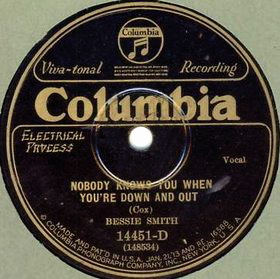
"Nobody Knows You When You're Down and Out" (often shortened to "Nobody Knows You") is one of Bessie Smith's most iconic and prophetic recordings, a timeless blues standard that captures the fleeting nature of fortune and friendship. Recorded in 1929 amid the onset of the Great Depression, it remains a powerful commentary on human nature and economic hardship.
Recording Session
The song was recorded on May 15, 1929, in New York City for Columbia Records. It was part of a session during the later phase of Smith's career with the label, as the blues market began to shift with the rise of the Depression. The track was released on Columbia 14495-D (backed with "Preachin' the Blues" on some pressings or similar pairings).
Producer: Frank Walker continued to oversee Smith's Columbia sessions, having been instrumental in her signing and career development since 1923.
Songwriters
The song was written by Jimmie Cox (also spelled Jimmy Cox) in 1923, in the aftermath of the 1920–1921 economic downturn. Cox, a pianist and vaudeville performer, crafted a cautionary tale about the impermanence of wealth and relationships. Bessie Smith's version popularized it during the early Great Depression, making the lyrics feel eerily prescient.
Musicians
The session featured a small jazz-influenced ensemble that added depth and sophistication:
- Bessie Smith – vocals
- Ed Allen – cornet (prominent opening statement)
- Charlie Green – trombone
- Garvin Bushell or similar – clarinet/alto sax
- Fletcher Henderson or studio pianist (common on her dates) – piano
- Other possible horns (tenor sax, tuba elements in the Williams studio groups)
The arrangement blends Smith's blues roots with a vaudeville/jazz edge, giving it a richer, more urban sound than her earlier sparse piano accompaniments.
Musical Style and Analysis
ensemble touches, marking a sophisticated evolution in Bessie Smith's recorded work. The track is structured as a mid-tempo blues with a loose, swinging feel that bridges classic female blues and emerging jazz influences. Its approximately 3-minute runtime feels expansive due to the narrative depth and instrumental interplay.
Bessie Smith's Vocal Performance: By 1929, Smith's voice had deepened and gained even greater authority and emotional nuance. She delivers the lyrics with a weary yet defiant gravitas, using masterful phrasing, subtle dynamics, and expressive blue notes. The verses unfold like a personal confession, with Smith lingering on key phrases ("Once I lived the life of a millionaire...") to emphasize irony and regret. Her use of melisma, bent notes, and rhythmic variation adds layers of meaning—conveying not just sorrow but also hard-won wisdom. The chorus refrain lands with universal resonance, her powerful projection cutting through the ensemble.
Instrumentation and Arrangement: The small jazz combo provides a richer, more urban texture than her earlier piano-only sides. Ed Allen's cornet delivers an eloquent, melodic opening statement that sets a reflective mood. The horns (trombone, clarinet/sax) add punchy accents and harmonic depth, creating call-and-response dialogue with Smith's voice. The rhythm section swings with a relaxed groove—light yet propulsive—evoking the highs and lows described in the lyrics. This ensemble approach gives the song a theatrical, almost cabaret quality while retaining its blues core.
Overall Mood and Structure: The song follows a traditional blues form but feels story-driven. Minor-inflected harmonies and the swinging yet somber rhythm create a bittersweet atmosphere—celebratory in memory of good times, mournful in their absence. The arrangement leaves space for Smith's storytelling, with instrumental breaks enhancing the emotional arc. The production captures the warmth and presence of the era's acoustic recording, making the performance feel intimate and immediate.
This track showcases Smith's growth as an artist capable of blending raw emotion with polished ensemble work, resulting in one of her most sophisticated and relatable recordings.
Other Versions and Covers
- Early versions existed before Smith, but hers became the definitive popular recording.
- Notable later interpretations include: Nina Simone (1960 hit), Eric Clapton (with Derek and the Dominos on Layla and Other Assorted Love Songs, 1970), and countless blues, jazz, and folk artists (e.g., Scrapper Blackwell, Taj Mahal).
- The song's structure lends itself to acoustic folk, electric blues, and jazz arrangements.
Legacy
"Nobody Knows You When You're Down and Out" cemented Bessie Smith's status as a profound interpreter of the human condition. Released just before the 1929 stock market crash, it resonated deeply during the Depression and has since become a blues standard. It influenced generations—from jazz vocalists like Nina Simone to rock figures like Eric Clapton—and remains a staple in discussions of economic themes in music. The song highlights Smith's role in elevating blues from regional entertainment to universal art, and it continues to be covered and sampled, underscoring its timeless relevance. It appears on essential compilations like The Essential Bessie Smith and stands as one of her most covered and enduring works.
Suggested Reading
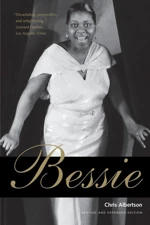 Buy from Amazon Bessie
Suggested Listening
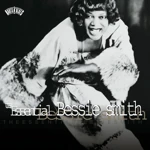 Buy from Amazon The Essential Bessie Smith









