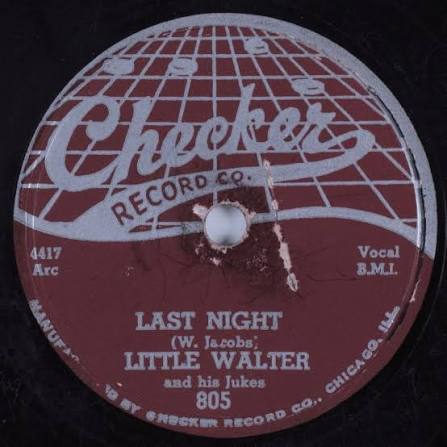
“Last Night” is one of Little Walter’s most powerful and enduring slow blues recordings. Released in late 1954, it stands as a high point of his mid-1950s work for Checker Records and remains a favorite among harmonica players and blues enthusiasts for its emotional depth and restrained intensity.
Recording Session and Production
Little Walter first attempted the song during a July 1, 1954 session in Chicago (an earlier take sometimes titled or associated with “Mercy Babe” material). The definitive version was recorded on October 5, 1954, at Chess Studios. It was released in November 1954 as Checker 805, backed with Willie Dixon’s “Mellow Down Easy.” The single reached No. 6 on the Billboard R&B chart.
Producers were Leonard Chess and Phil Chess. The October session produced a more polished and atmospheric take than the earlier attempt, with careful attention to dynamics and space.
Musicians
October 5, 1954 session:
- Little Walter (Marion Walter Jacobs): vocals and harmonica
- Robert Lockwood Jr.: guitar
- Luther Tucker: guitar
- Willie Dixon: bass
- Fred Below: drums
This was a transitional lineup for Walter’s Jukes. Luther Tucker (still a teenager) had recently joined after Dave Myers’ departure, and the dual-guitar approach of Lockwood and Tucker gives the track a rich, interlocking texture. Dixon and Below provide a solid, understated foundation typical of Chess’s best mid-1950s rhythm sections.
Songwriters
Little Walter is credited as the songwriter (Walter Jacobs). The lyric is a classic slow-blues expression of loss and heartbreak:
“Last night I lost the best friend I ever had
Last night I lost the best friend I ever had
Now you’ve gone and left me, that makes me feel so bad”
Walter later told an interviewer that he wrote the song as a tribute after the death of his close friend and fellow harmonica player Henry Strong (also known as “Pot” Strong), who was stabbed to death in 1954. Whether the “best friend” in the lyric is strictly autobiographical or a more general blues persona, the sense of sudden, devastating loss feels authentic.
Unlike many of Walter’s hits that leaned on Willie Dixon material or traditional sources, “Last Night” is a personal composition. The writing is economical and direct—typical of the best postwar Chicago blues—relying on repetition and emotional weight rather than elaborate imagery. The song sits in the long tradition of blues laments about lost love or friendship, but Walter’s delivery and the spare arrangement give it a particularly haunted quality.
Musical Style and Analysis
“Last Night” is a slow 12-bar blues lasting approximately 2:42–2:50. The arrangement is deliberately restrained and atmospheric. It opens with an ominous, repeating guitar riff that builds tension before Walter’s vocal enters. Notably, the harmonica is held back until well over a minute into the track; when it finally appears, it begins with a long, sustained, vibrato-laden single note that feels like a cry, then expands into a more fluid, expressive solo.
Walter’s amplified harmonica tone is central. Even in this slower, more mournful setting he displays the control, dynamic range, and emotional intensity that redefined the instrument. The solo is not a display of technical fireworks but a concentrated expression of grief and defiance. His vocal performance matches the mood—weary, intimate, and deeply felt—without the more aggressive edge of some of his uptempo sides.
The dual guitars of Lockwood and Tucker create a dark, interlocking web of riffs and chords. Dixon’s bass and Below’s drums keep a steady, unhurried pulse that allows the spaces in the arrangement to breathe. The overall effect is cinematic and heavy with atmosphere—one of the most effective slow blues recordings of the Chess era.
Stylistically the track shows Walter moving beyond pure jump-blues energy into deeper, more introspective territory while retaining the amplified power and rhythmic precision that defined Chicago blues.
Buy The Album
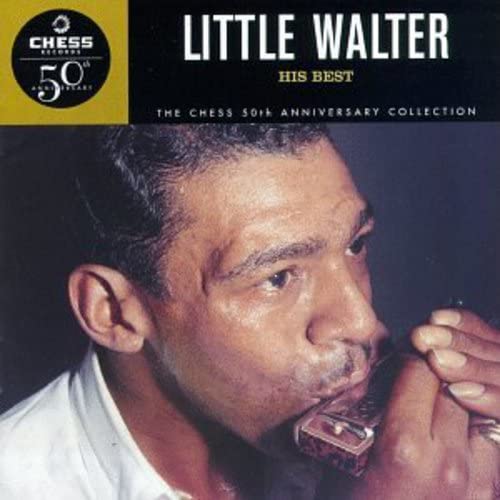 Buy from Amazon His Best: The Chess 50th Anniversary Collection
Other Versions and Covers
“Last Night” has been widely covered by blues and blues-rock artists. Notable versions include:
- Junior Parker (1963)
- Paul Butterfield Blues Band (1965)
- Fleetwood Mac (Blues Jam at Chess, 1971)
- Carey Bell
- Johnny Winter
- Eric Clapton
- Son Seals
- Luther Allison
- Billy Boy Arnold
- John Primer and many contemporary harmonica players
It remains a standard in the repertoire of Chicago-style harmonica players.
Legacy
“Last Night” is regarded as one of Little Walter’s finest vocal performances and one of the strongest slow blues sides in the entire Chess catalog. Its combination of personal lyric, innovative use of space (especially the delayed harmonica entry), and emotional intensity has given it lasting appeal. The song demonstrates that Walter was not only a revolutionary instrumentalist but also a compelling singer and songwriter capable of deep feeling.
Along with tracks such as “Blues with a Feeling” and “Mean Old World,” it helped establish the template for modern amplified blues harmonica. Its influence can be heard in generations of players who followed, and its continued presence in cover versions and live sets confirms its status as a true blues classic.