
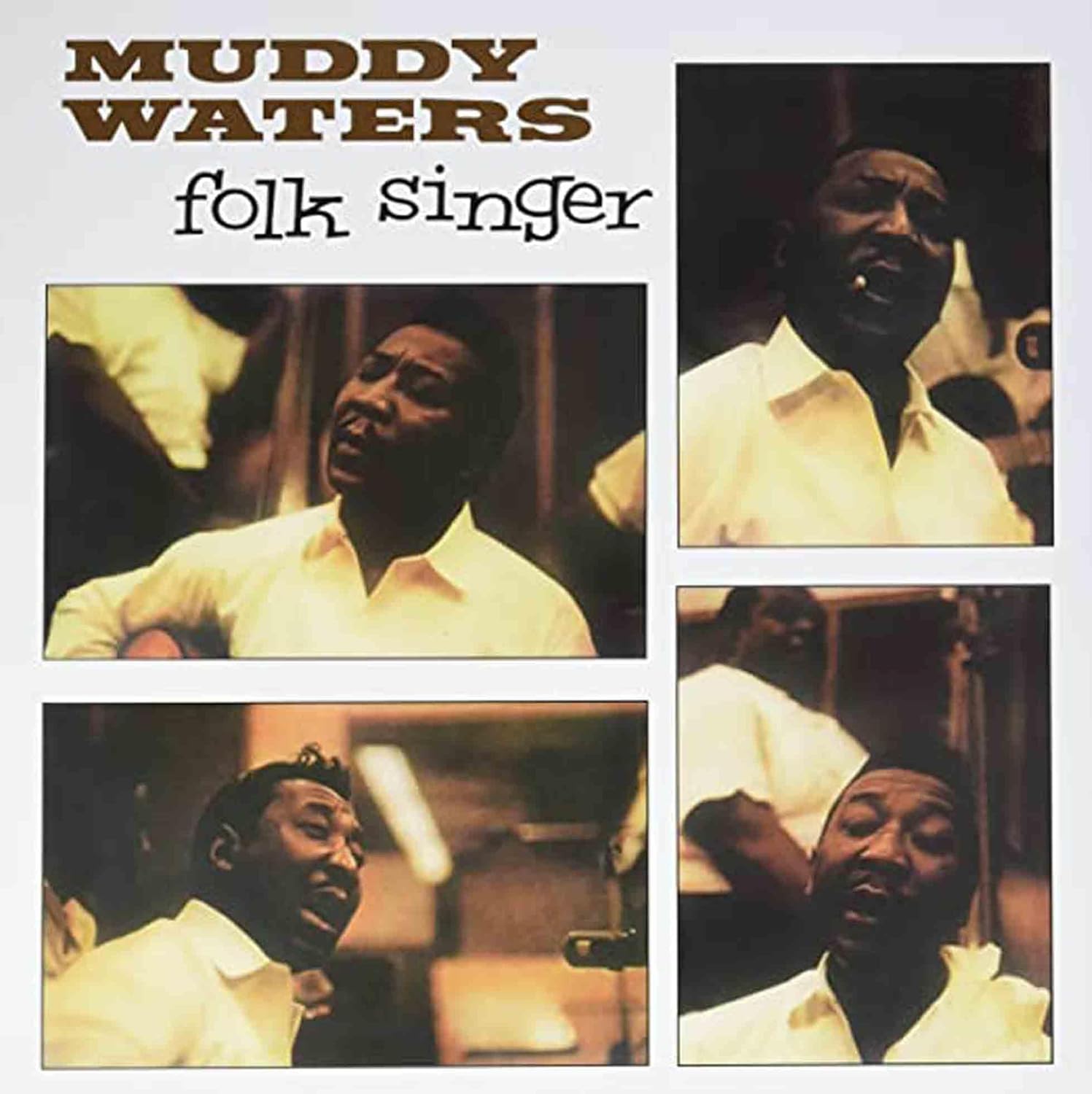
“Good Morning Little Schoolgirl” (also known as “Good Morning, School Girl”) is a blues standard originally written and recorded by John Lee “Sonny Boy” Williamson I in 1937. Muddy Waters recorded notable versions of it, most prominently an acoustic reading for his 1964 album Folk Singer and a later electric version on the 1978 album I’m Ready.
Recording Sessions and Production
Muddy Waters’ best-known early version was recorded in September 1963 in Chicago for the album Folk Singer (released January 1964 on Chess). The session aimed for a sparse, intimate “folk blues” sound in response to the folk revival’s interest in acoustic blues. Producers associated with the album include Willie Dixon and Ralph Bass (with Leonard and Phil Chess overseeing Chess releases). Engineer Ron Malo worked on many Chess sessions of the period.
Muddy returned to the song in a fuller electric setting for the 1978 album I’m Ready, produced by Johnny Winter. That version features a stronger band sound consistent with the late-1970s “comeback” albums Winter produced for Muddy.
Musicians
Folk Singer version (1963/1964):
- Muddy Waters – vocals and acoustic guitar
- Buddy Guy – acoustic guitar
- Willie Dixon – bass
- Clifton James – drums
This is a deliberately stripped-down lineup that emphasizes Muddy’s voice and guitar alongside Buddy Guy’s supportive acoustic playing.
The 1978 I’m Ready version features a larger electric band typical of Muddy’s late-period recordings (including players from his regular touring group and guests under Johnny Winter’s production).
Songwriters
The song was written by John Lee “Sonny Boy” Williamson I (born John Lee Curtis Williamson, 1914–1948). He recorded the original “Good Morning, School Girl” on May 5, 1937, in Aurora, Illinois, for Bluebird Records during his first session. The original features Williamson’s vocal and harmonica with Big Joe Williams and Robert Lee McCoy (Robert Nighthawk) on guitars. It is an uptempo blues with an irregular bar structure that reflects Williamson’s West Tennessee roots more than the classic 12-bar Chicago form.
The melody has been linked to earlier material such as Son Bonds’ 1934 “Back and Side Blues.” Williamson’s lyrics are direct and conversational: the singer greets a schoolgirl, asks to go home with her, and suggests she tell her parents that he was once a schoolboy too. Additional verses express confusion about women and restless energy. The song became one of the defining early harmonica-blues recordings and a cornerstone of the pre-war Chicago blues repertoire.
Muddy Waters did not claim authorship. His versions are covers that adapt the traditional material to his own style—first in an acoustic, folk-oriented setting and later in a more robust electric arrangement. Like many blues standards, the song circulated widely, with floating verses and slight lyric changes from performer to performer. Smokey Hogg scored an R&B hit with a related version titled “Little School Girl” in 1950. Later artists often blended elements from Williamson’s original, Hogg’s hit, and subsequent interpretations.
Musical Style and Analysis
Muddy’s Folk Singer version is a mid-tempo acoustic blues that deliberately steps back from the full electric band sound of his 1950s hits. The arrangement is intimate and spacious. Muddy’s deep, authoritative voice carries the narrative with a mix of warmth and slight menace. His acoustic guitar playing is rhythmic and supportive rather than flashy, while Buddy Guy provides complementary fills and second-guitar texture. Willie Dixon’s bass and Clifton James’ light drums keep a steady, understated pulse.
The song retains the conversational, almost predatory directness of the original. Muddy’s delivery softens some of the rawness of Williamson’s 1937 recording while preserving the core request—“Can I go home with you?”—and the claim of shared youthful experience. The irregular phrasing and flexible structure of the original are smoothed into a more regular blues form suited to the folk-blues aesthetic of the early 1960s.
The 1978 electric version on I’m Ready restores drive and volume. It features a fuller band, stronger rhythm section, and the amplified energy associated with Muddy’s late-career resurgence under Johnny Winter. This reading aligns more closely with the Chicago blues band tradition while still respecting the song’s traditional roots.
Lyrically the song has always been controversial by modern standards because of its subject matter—an adult man propositioning a schoolgirl. In its original 1930s context it belonged to a long tradition of blues songs dealing with desire, age differences, and bold sexual assertion. Later performers sometimes adjusted or emphasized different verses, but the core scenario remained.
Buy the album on Amazon
 Buy from Amazon Folk Singer
Other Versions and Covers
The song is a true blues standard with dozens of recordings. Important versions include:
- Sonny Boy Williamson I (original, 1937)
- Smokey Hogg (“Little School Girl,” 1950 – R&B hit)
- John Lee Hooker, Lightnin’ Hopkins, Mississippi Fred McDowell (acoustic folk-blues versions)
- Junior Wells with Buddy Guy (Hoodoo Man Blues, 1965 – influential Chicago electric version)
- The Yardbirds (1964 – based more on a 1961 Don & Bob R&B adaptation than the original)
- Grateful Dead (frequent live staple, especially in the Pigpen era)
- Ten Years After, Johnny Winter, Rod Stewart, Van Morrison, and many others
Muddy’s own versions helped keep the song visible during the folk-blues revival and the late-1970s blues resurgence.
Legacy
“Good Morning Little Schoolgirl” is recognized as a classic of the blues canon. Sonny Boy Williamson I’s original was inducted into the Blues Hall of Fame. The song’s journey from 1930s Bluebird sessions through postwar Chicago, the 1960s folk and British blues booms, and into rock repertoires illustrates how traditional blues material was continually reinvented.
Muddy Waters’ recordings form an important link in that chain—first presenting the song in a polished acoustic setting for a new audience in the early 1960s, then reclaiming it in a powerful electric context in the late 1970s. While the lyrics remain problematic by contemporary standards, the song’s musical influence, its role in the harmonica-blues tradition, and its status as a vehicle for successive generations of players have secured its place as a durable blues standard.









